Where to Catch Snakehead on the Potomac River
Trying to pin down the elusive (yet abundant) northern snakehead on the vast Potomac River can feel like a daunting task, especially when you know how important it is to remove these invasive fish. It’s easy to get frustrated casting into what looks like perfect habitat only to come up empty-handed. But don’t worry, you’re not alone in this quest. This comprehensive guide will cut through the guesswork, pinpointing specific hotspots on the Potomac where these toothy predators lurk and equipping you with the knowledge to increase your chances of a successful catch.
Understanding Northern Snakehead Behavior on the Potomac
Before we dive into specific locations, it’s really helpful to understand what makes a particular spot appealing to a northern snakehead. These fish aren't just swimming around randomly; they have very distinct preferences that play a huge role in where you'll find them. Think like a snakehead, and you'll start to unlock their secrets.
Their Preferred Habitat and Why It Matters
Northern snakehead are creatures of comfort, and their comfort zone often looks like a jungle to other fish. They absolutely love shallow, calm waters that are choked with dense aquatic vegetation, submerged timber, or lily pads. We're talking about places where it's tough to get a boat in, and even tougher to cast without snagging. Why? Because these areas provide excellent ambush points for hunting unsuspecting prey, and they offer crucial cover from predators (though adult snakehead have few in Maryland). The Potomac River, with its extensive network of tidal creeks, shallow flats, and marshy areas, is practically tailor-made for them. If you're not targeting this kind of heavy cover, you're likely fishing in the wrong places.
The frustration for many anglers is that these dense, snaggy areas are often inaccessible or just a pain to fish. It's a valid concern! But the good news is, if you can find a way to get your lure into these zones – whether by kayak, canoe, or careful casting from shore – you’re instantly in with a better shot. Understanding this preference for thick cover is the first step in knowing Where to Catch Snakehead on the Potomac River.
The Impact of Invasive Snakehead in Potomac Waters
It's no secret that the northern snakehead is an invasive species, and for good reason. They are voracious predators that compete with native species like largemouth bass for food and habitat. Their rapid reproduction and ability to survive in a variety of conditions have allowed them to establish a strong foothold in the Potomac River system. The Maryland Department of Natural Resources (DNR) actively encourages anglers to harvest these fish and explicitly prohibits their live release back into the water, even if you just wanted to move it to a different spot. This makes catching them not just a fun angling challenge, but a contribution to ecosystem health. If you're ever unsure about the rules, a quick look at the Maryland Invasive Fish Rules: Blue Catfish and Snakehead can clear things up. Every snakehead removed helps protect our native fisheries, so embrace the mission!
Prime Potomac River Hotspots for Targeting Snakehead
Alright, let's get down to brass tacks. Where exactly on the Potomac should you focus your efforts? The Potomac is a long, diverse river, and while snakehead are widespread, certain areas consistently produce more fish due to their ideal habitat characteristics. These are the spots where anglers often find the most success, and for good reason.
Tidal Tributaries and Shallow Backwaters
The true honey holes for snakehead on the Potomac are often its numerous tidal creeks and shallow backwater areas. These spots offer exactly what a snakehead craves: calm water, abundant food, and dense vegetation.
-
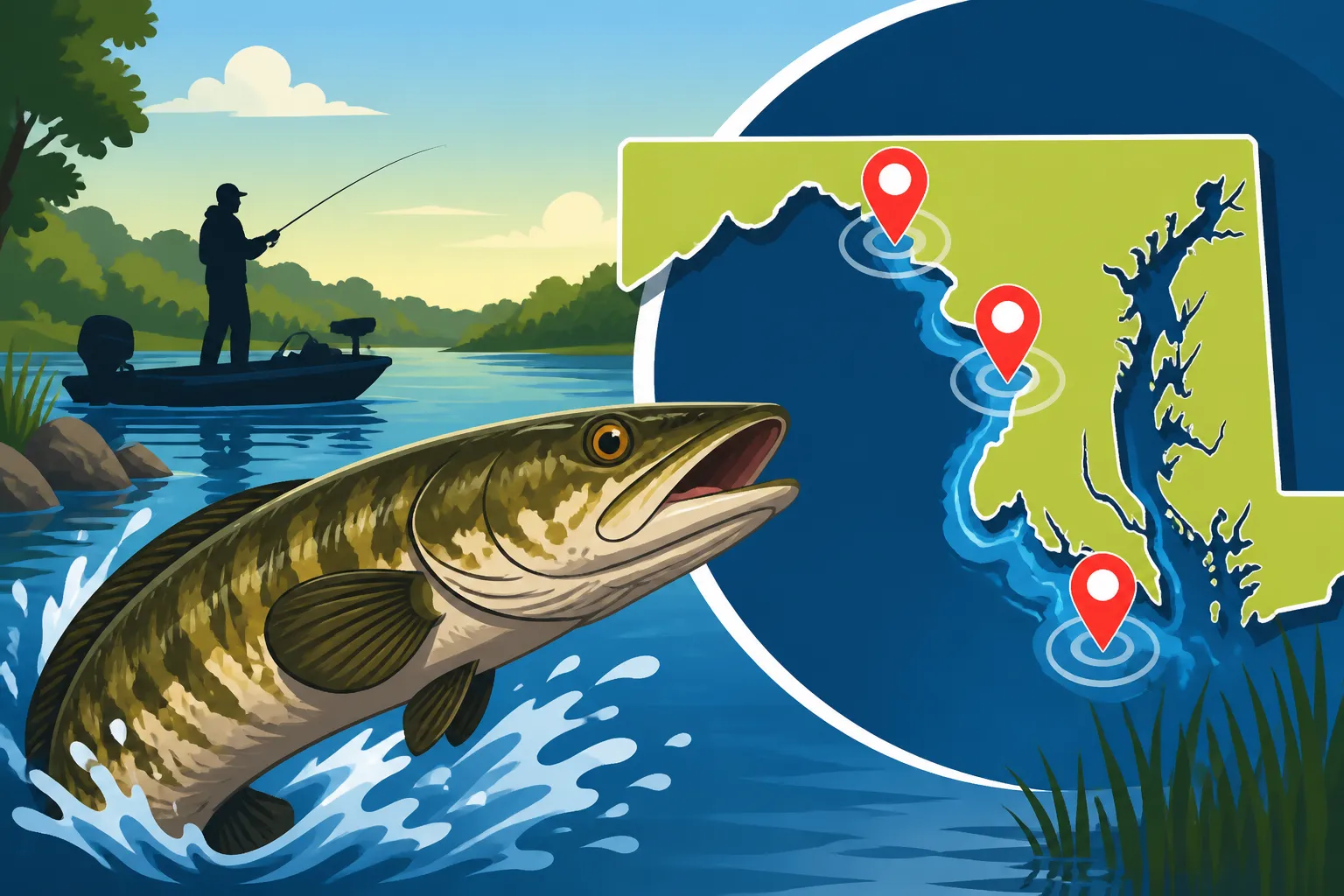
Mattawoman Creek (Charles County, MD): This is arguably one of the most famous snakehead fisheries in the country, and for good reason. Mattawoman Creek is a vast, nutrient-rich tidal system with extensive shallow flats, lily pad fields, and hydrilla beds that stretch for miles. It's an absolute snakehead paradise. Anglers often launch at Mattawoman Natural Resources Area or other public ramps nearby. The key here is to explore the smaller arms and coves, often inaccessible to larger boats, where the vegetation is thickest. Don't be afraid to push a kayak or canoe into seemingly impenetrable areas; that's where the big ones often hide. The sheer amount of fishable water here means you could spend days exploring and still not see it all.
-
Piscataway Creek (Prince George's County, MD): Similar to Mattawoman, Piscataway Creek offers excellent snakehead habitat, particularly in its upper reaches and back coves. Access can be found near Fort Washington, and like Mattawoman, the challenge is getting into the thick stuff. Look for areas where emergent vegetation meets deeper channels, creating perfect ambush points. During the warmer months, the surface can be completely matted with vegetation, which is exactly what you want for topwater presentations. This creek is a prime example of why getting off the main river channel and into these quieter, vegetated areas is so important for targeting snakehead.
-
Occoquan River (Fairfax County, VA – accessible from MD side): While largely in Virginia, the Occoquan River is a major tributary to the Potomac and holds a significant snakehead population, especially in its upper tidal sections. Many anglers from the Maryland side will cross to fish these productive waters. Look for expansive shallow flats and coves with submerged vegetation. The area around the Occoquan Bay National Wildlife Refuge can be particularly productive. The river offers a mix of urban and wilder sections, but it's the wilder, marshier parts that are most attractive to snakehead. When you are booking a guide, sites like FishingBooker often list charters that operate on both sides of the Potomac, giving you options.
-
Specific Bays and Coves further North: Don't overlook smaller bays and coves closer to Washington D.C., like Pohick Bay (VA) or even some of the more vegetated sections of the main stem Potomac itself, particularly south of National Harbor down to Fort Washington. These spots might not be as vast as Mattawoman, but they can hold resident snakehead populations, especially during periods of heavy vegetation growth in summer. Areas where feeder creeks enter the Potomac and create mudflats with lily pads are always worth investigating.
Seasonal Considerations for Hotspots
The effectiveness of these hotspots can vary slightly with the seasons.
- Spring (April-May): As water temperatures rise, snakehead become more active and start moving into shallower spawning areas. This is a great time to target them before the vegetation gets too dense. They're often found cruising the edges of emergent grass or around woody debris.
- Summer (June-August): This is prime time for topwater action. The vegetation is at its peak, and snakehead are actively hunting in the dense cover. Early mornings and late evenings offer the best bite when the water is cooler. This is also when you'll often see them guarding their fry balls, presenting a unique, albeit challenging, target.
- Fall (September-November): As temperatures drop, snakehead become highly aggressive, feeding heavily to prepare for winter. They can still be found in shallow, vegetated areas, but may also move to slightly deeper edges as the vegetation starts to die back.
Table: Prime Potomac River Snakehead Hotspots
| Location | Primary Characteristics | Best Season | Key Features to Target | Common Access Points |
|---|---|---|---|---|
| Mattawoman Creek | Extensive shallow flats, dense lily pads, hydrilla | Summer, Fall | Lily pad fields, hydrilla mats, feeder creeks | Mattawoman Natural Resources Area, private ramps |
| Piscataway Creek | Marshy backwaters, emergent vegetation, woody debris | Summer | Upper creek sections, coves, fallen trees | Fort Washington area, public boat ramps |
| Occoquan River | Tidal marsh, shallow bays, submerged vegetation | Spring, Fall | Occoquan Bay NWR area, shallow bends, structure | Public ramps in Woodbridge/Lorton, VA |
| Main Stem Potomac | Scattered shallow coves, feeder creek mouths, mudflats | Summer | Lily pads, spatterdock, downed timber | Various shoreline access, smaller boat launches |
Effective Techniques and Lures for Potomac Snakehead
Catching snakehead isn't like catching a largemouth bass; it often requires a different approach, more patience, and sometimes, a little brute force. If you've been struggling, it might be that your techniques need a slight adjustment to truly penetrate their dense habitats.
Topwater Tactics in Heavy Cover
When the conditions are right, there's nothing more exciting than a snakehead blow-up on a topwater lure. These fish are incredibly aggressive, and they love to ambush prey from beneath thick mats of vegetation.
-
Frog Lures: This is often the go-to for snakehead. Soft-bodied frog lures, like those made by Livetarget or Spro, are designed to glide over lily pads and hydrilla without snagging. The key is to cast them right onto or adjacent to the thickest cover you can find. Don't be afraid to let it sit for a few seconds after it lands, then twitch it, pause, and twitch again. The retrieve should be slow and deliberate, imitating a frog trying to escape. When a snakehead strikes, resist the urge to set the hook immediately. Give it a second or two to really get the lure in its mouth before a forceful, sideways hookset. For more detailed tips, check out How to Fish a Frog Lure for Snakehead.
-
Buzzbaits and Whopper Ploppers: While not as weedless as frogs, these can be incredibly effective in slightly less dense cover or along the edges of vegetation mats. The commotion they create on the surface can draw snakehead out from deeper in the cover. Retrieve them steadily, focusing on areas with open lanes or breaks in the vegetation. Their loud, sputtering action is great for calling in curious fish.
Subsurface Presentations for Deeper Lies
Sometimes, topwater just isn't cutting it, or the fish are holding a bit deeper in the water column or under incredibly dense canopy. That's when you need to go subsurface.
-
Chatterbaits and Bladed Jigs: These lures, like those from Z-Man, are fantastic for working through slightly submerged vegetation. The vibrating blade creates a lot of flash and thump, attracting attention, while the single hook can be rigged weedless with a soft plastic trailer. Cast them into pockets in the weeds or along the edges of matts and retrieve steadily. The vibration can be felt by snakehead even in murky water. Many anglers find success with black and blue or chartreuse colors, especially in stained water.
-
Weightless Worms and Swimbaits (Rigged Weedless): When the cover is extremely thick or the fish are finicky, a simple weightless worm or swimbait rigged Texas-style can be deadly. These lures sink slowly and can be worked through vegetation with minimal snagging. The subtle action is sometimes exactly what's needed to entice a strike from a wary snakehead. Focus on twitching and pausing, allowing the lure to flutter down into small openings in the weeds. This is a more patient approach but can yield big results in challenging conditions.
The Advantage of Kayaks and Canoes
For these truly tough-to-reach snakehead havens, a kayak or canoe isn't just an option; it's often the best way to access them. These shallow-draft vessels allow you to quietly paddle into the densest lily pad fields and backwaters where larger boats simply can't go. The stealth factor is huge, as snakehead can be spooky. A quiet approach means you can get closer to prime cover without alarming the fish. When you're considering your next fishing adventure, definitely think about exploring Kayak Fishing Techniques for Maryland Waters to maximize your chances of success in these remote areas. Many local guides, which you can find through services like FishingBooker, specialize in kayak trips for snakehead precisely because of this access advantage.
Safety and Regulatory Compliance When Fishing for Snakehead
Fishing for snakehead isn't just about catching them; it's also about doing so safely and responsibly, respecting both yourself and the local regulations designed to protect our waterways. It's a unique species, and that means some unique rules apply.
Handling and Safety Precautions
Northern snakehead are powerful, slippery fish with a mouth full of sharp teeth. They can also be surprisingly aggressive once landed. Proper handling is crucial to avoid injury.
- Gloves are your friend: Always use a sturdy pair of fishing gloves when handling a snakehead. Their teeth can easily cut through skin, and they tend to thrash a lot, making them difficult to control.
- Lip grippers or net: A good lip gripper can give you control over the fish's head, keeping your hands away from its mouth. Alternatively, a sturdy net can help contain a thrashing fish while you prepare to dispatch it. Avoid grabbing them directly by the gills or eyes, as this can be harmful to the fish (even if you're keeping it) and risky for you.
- Dispatch humanely: The Maryland DNR regulations clearly state that Why Snakehead Can't Be Released in Maryland, and they must be killed upon capture. The most humane way to do this is often a sharp blow to the head with a club or by severing the spine behind the head. This might sound intense, but it's part of the responsibility of targeting an invasive species. If you're ever unsure What to Do If You Catch a Snakehead in Maryland, remember the core rule: do not release it alive.
Maryland DNR Regulations and Penalties
Maryland takes the threat of invasive species seriously, and the rules around northern snakehead reflect that. Anglers are not permitted to possess a live snakehead, nor are they allowed to transport them alive. The primary goal is to prevent their further spread.
- No live release, period: This is the most critical rule. If you catch a snakehead, it must be killed and not returned to the water, regardless of its size or condition. This differs significantly from catch-and-release practices for native species.
- No live transportation: You cannot transport a live snakehead from one body of water to another, or even from the fishing spot to your home if it's still alive. This is to prevent accidental or intentional introductions into new ecosystems. Violations can lead to significant Fine for Transporting a Live Snakehead in Maryland and other penalties.
- Reporting: While not strictly required for individual catches, the DNR appreciates anglers reporting catches, especially from new areas, to help track their spread. This information is vital for management efforts. Always stay informed by consulting the latest Maryland DNR Fishing and Boating Guide, Explained for any updates to regulations before heading out. The rules can change, so a quick check ensures you're always in compliance.
Remember, by actively targeting and properly dispatching northern snakehead, you're not just enjoying a day of fishing; you're also playing a crucial role in protecting Maryland's precious aquatic ecosystems.
Disclaimer
The information provided in this guide is for general informational purposes only and is subject to change. Fishing regulations, seasons, and limits can be updated by the Maryland Department of Natural Resources (DNR) at any time. Always consult the most current Maryland DNR fishing regulations before heading out to fish. The author and publisher are not responsible for any errors or omissions, or for any loss or damage incurred as a result of relying on this information. Fishing inherently involves risks, and safety precautions should always be observed.