Fishing Tangier and Smith Island Waters
The call of the remote islands in the Chesapeake Bay is strong for many anglers, but the thought of navigating unfamiliar, shallow waters or finding the right spots can be incredibly daunting. Many dream of exploring the pristine marsh creeks and productive flats around Tangier and Smith Islands but worry about getting stuck, missing the bite, or simply not knowing where to begin. This comprehensive guide is designed to demystify fishing these unique Maryland treasures, offering practical advice on how to get there, what to catch, and the best techniques to make your island fishing adventure a resounding success.
Why Tangier and Smith Islands are Fishing Hotspots
Tangier and Smith Islands aren't just picturesque communities; they are true ecological powerhouses nestled in the heart of the Chesapeake Bay. Their remote locations and unique geological formations create an unparalleled fishing environment that draws anglers from far and wide. It's not just about the beauty; it's about the abundance of life that thrives in these untouched corners of the Bay.
The Unique Ecosystem of the Chesapeake's Remote Islands
What truly sets Tangier and Smith Islands apart is their intricate, undisturbed ecosystem. Picture vast expanses of lush submerged aquatic vegetation (SAV) — often referred to as grass beds — that stretch for miles, providing critical habitat. These grass beds act as nurseries for countless baitfish species like silversides, menhaden, and juvenile spot, which, in turn, become the primary food source for larger predators. Beneath the surface, the bottom is a mosaic of soft mud, shell, and scattered oyster beds, each contributing to a rich benthic community. This combination of healthy grass beds and diverse bottom structure creates a perfect buffet and sanctuary for a wide array of fish species throughout the year. The islands themselves, with their eroded shorelines and shallow guts, funnel baitfish and concentrate game fish in predictable patterns, making them incredibly productive fishing grounds.
Prime Habitat for Diverse Species
The sheer diversity of habitat around Tangier and Smith Islands translates directly into a fantastic variety of fish for anglers to target. From the legendary striped bass, locally known as rockfish, that patrol the channel edges, to the elusive speckled trout that stalk the grass beds, these waters are teeming with life. The shallow, protected creeks offer excellent ambush points for predators, while the deeper channels provide migratory routes and cooler water during the warmer months. You'll find flounder burying themselves in sandy patches, bluefish tearing through schools of bait, and even a healthy population of white perch and red drum, depending on the season. This ecological richness means that with the right approach and a bit of local knowledge, you can often find multiple species biting in close proximity, offering a dynamic and exciting fishing experience.
Getting There: Accessing These Island Paradises
One of the biggest hurdles for anglers wanting to experience Tangier and Smith Islands is the journey itself. These aren't drive-up destinations; they require careful planning and a good understanding of transportation options. Their remoteness is part of their charm, but it also means accessibility is a key consideration.
Ferry Services and Private Boats
For most anglers, especially those without their own vessel, the primary way to reach these islands is via ferry. From Crisfield, Maryland, ferries run daily to Smith Island, and during peak season, also to Tangier Island (which is technically in Virginia, but its waters are contiguous and fished by Marylanders). While convenient for passengers, these ferries aren't designed for extensive fishing gear, so planning what you bring is crucial. You might be able to bring a rolling cooler and a couple of rods, but a full arsenal could be cumbersome. If you're planning a multi-day trip, staying at a local B&B on Smith Island is a fantastic way to immerse yourself and fish from shore or hire a local skiff.
For those with their own boats, launching from Crisfield or other lower Eastern Shore ports like Deal Island or Onancock (Virginia) offers greater flexibility. However, bringing your own boat comes with its own set of challenges, predominantly related to navigation. You'll need a reliable vessel capable of handling open Bay conditions and, critically, a shallow draft or the knowledge to navigate extremely skinny water. Many local anglers prefer bay boats or skiffs that can easily float in a foot or two of water, allowing access to the shallowest creeks and flats where some of the best fishing often occurs.
Navigating the Shallow Waters and Channels
The waters surrounding Tangier and Smith Islands are famously shallow, intricate, and unforgiving to the uninitiated. This isn't your average deep-water Chesapeake Bay fishing. Detailed charts are an absolute must, and even then, real-time local knowledge is invaluable. What looks like a navigable channel on a chart might be impassable at low tide, or a seemingly open flat might hide a submerged oyster bar just waiting to snag your prop.
Anglers with private boats must pay meticulous attention to depth sounders and GPS, often relying on marked channels that wind through the marshes. However, many of the most productive fishing grounds are off these main channels, requiring careful exploration at a very slow speed, particularly during higher tides. It's common practice to 'idle' into unknown areas, watching your depth finder like a hawk and having a keen eye for changes in water color, which can often indicate shallow spots or grass beds. The tides play an enormous role here; a spot that's flush with water at high tide can be bone dry or dangerously shallow just a few hours later. Always plan your routes with the tide schedule in mind, especially if you intend to explore the inner creeks or anchor close to the islands.
Target Species and Best Times to Fish
The seasonal rhythms of the Chesapeake Bay dictate what species are present and biting around Tangier and Smith Islands. Understanding these patterns is key to planning a successful trip and maximizing your chances of a memorable catch.
| Species | Primary Season | Best Times/Conditions | Recommended Techniques |
|---|---|---|---|
| Striped Bass | Spring, Fall | Dawn/Dusk, Moving Tides | Live-lining, Jigging, Trolling, Topwater |
| Speckled Trout | Late Spring, Summer, Early Fall | Overcast, Low Light, High Tide over Grass | Soft Plastics, Topwater, Live Shrimp |
| Flounder | Late Spring, Summer | Incoming Tide, Cooler Water | Drifting (Gulp!), Live Minnows, Squid |
| Bluefish | Summer, Early Fall | Blitzes, Moving Tides | Poppers, Metal Jigs, Cut Bait |
| Red Drum | Summer, Early Fall | Dawn/Dusk, Overcast | Cut Bait, Large Soft Plastics |
| White Perch | Spring, Summer, Fall | Any Time, Structure-Oriented | Bottom Rigs, Small Jigs, Bloodworms |
Striped Bass and Speckled Trout Opportunities
When it comes to game fish, the waters around Tangier and Smith Islands are legendary for their striped bass and speckled trout. For many, these are the main draws, and for good reason.
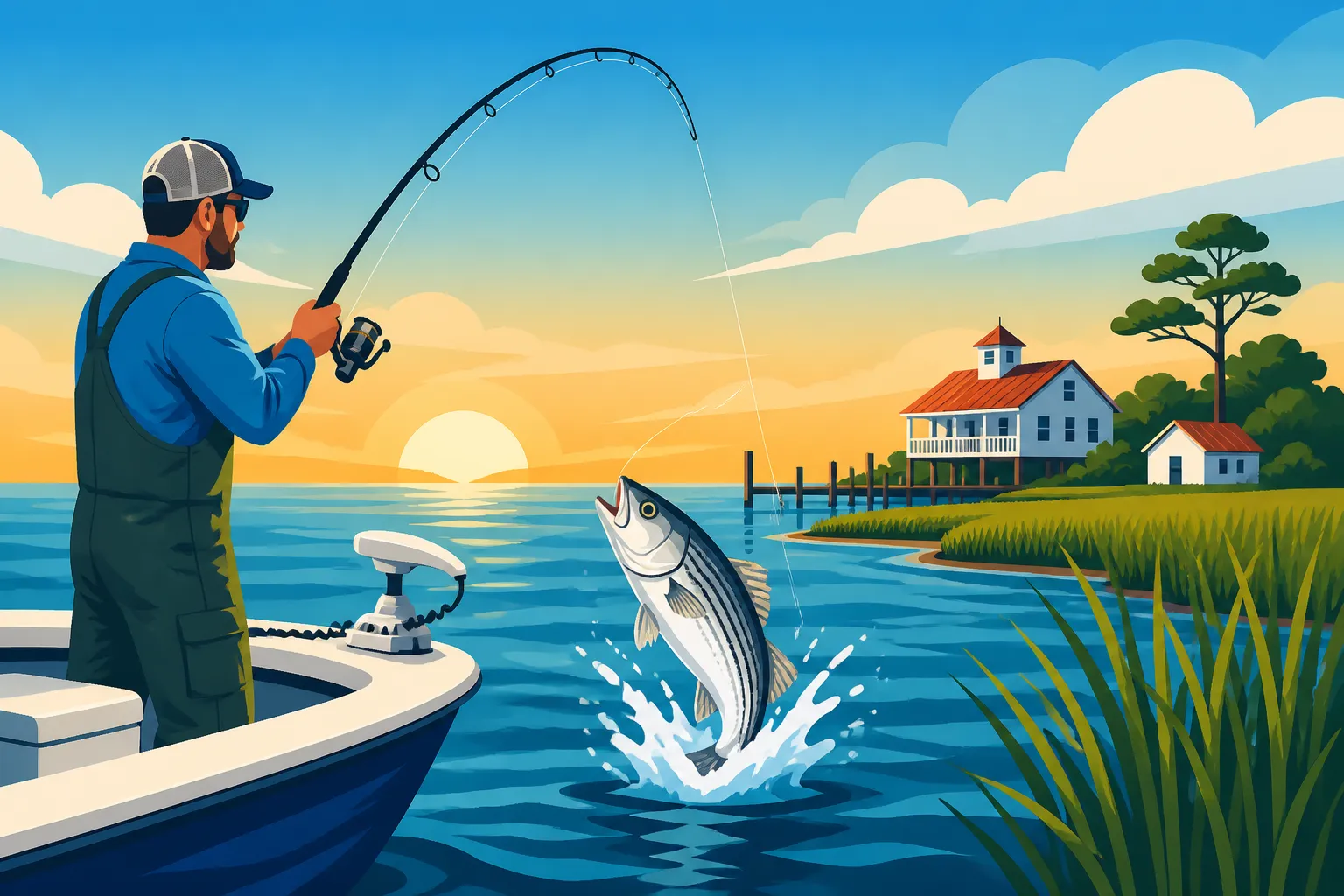
Striped Bass (Rockfish): These islands serve as prime feeding grounds for striped bass during their spring and fall migrations. In the spring, after spawning in the major rivers, rockfish move into the shallower, bait-rich waters around the islands to gorge themselves. They'll frequent channel edges, oyster reefs, and the mouths of creeks, ambushing schools of baitfish. The fall run is equally exciting, as cooler temperatures spur aggressive feeding before the fish move to their wintering grounds. Targeting striped bass here often involves live-lining spot or peeler crabs, jigging soft plastics over structure, or even trolling bucktails along channel edges. The key is to find the bait, and the rockfish won't be far behind. Anglers are always eager to understand Maryland Striped Bass Season and Rockfish Rules to ensure they're fishing legally and sustainably.
Speckled Trout: If there's a jewel in the crown of island fishing, it's the speckled trout. These stunning fish, with their iridescent spots, thrive in the expansive grass beds and marsh creeks. While they can be elusive, the rewards of catching a "speck" are immense. Late spring through early fall is the best time, particularly during overcast conditions or at dawn and dusk when they're most actively feeding. They love to ambush baitfish from the cover of the grass, making soft plastic jerkbaits or paddletails retrieved slowly over the grass a deadly tactic. Topwater lures can also produce explosive strikes, especially during calm mornings. Many experienced anglers travel specifically to experience Speckled Trout in Maryland's Tangier Sound, where these beautiful fish are known to congregate.
Flounder, Bluefish, and Other Seasonal Catches
Beyond the rockfish and specks, these island waters offer a fantastic array of other species that provide thrilling action and delicious table fare.
Flounder: During the warmer months, especially from late spring through summer, flounder move into the Bay's shallows, including the channels and guts around Tangier and Smith Islands. They love to lie in wait on sandy or muddy bottoms, ambushing passing baitfish. Drifting with a tandem rig baited with Gulp! artificial baits, live minnows, or strips of squid is incredibly effective. Focus on areas with good current flow and distinct bottom changes, such as channel edges or the mouths of creeks. Knowing the Maryland Flounder Size Limit is crucial before you head out, as regulations can change.
Bluefish: These aggressive, hard-fighting fish are a staple of summer and early fall fishing. When a school of bluefish moves into the area, they often create chaotic feeding frenzies, or "blitzes," on baitfish near the surface. They'll hit just about any lure thrown at them, from metal jigs to topwater poppers, and are also readily caught on cut bait. While their sharp teeth can wreak havoc on tackle, their relentless fight makes them a favorite target for many. Be sure to have extra leaders and a pair of pliers handy when these toothy critters are around.
Red Drum (Puppy Drum): While not as common as in more southerly waters, the occasional red drum, especially "puppy drum" (smaller juveniles), can be caught around the islands during the summer and early fall. They often cruise the same grass beds and shallow flats as speckled trout, and will readily take cut bait (like pieces of crab or mullet) or larger soft plastics. Their distinctive tail spot and powerful fight make them a coveted catch.
White Perch: These ubiquitous Bay favorites are present year-round but offer fantastic fishing during spring, summer, and fall. They congregate around oyster reefs, channel edges, and submerged structure, providing consistent action, especially on light tackle. Small jigs, bottom rigs baited with bloodworms or grass shrimp, or even tiny spinnerbaits can lead to dozens of catches in a single outing. They're also excellent eating, making them a popular target for family outings.
Effective Fishing Techniques for Island Waters
Fishing around Tangier and Smith Islands demands a specific set of techniques tailored to the unique environment. It’s not just about what you use, but how you use it to navigate the shallow, complex waters and entice the local fish.
Light Tackle and Live-Lining Strategies
The clear, relatively shallow waters of the islands often favor a finesse approach, making light tackle a go-to choice for many anglers.
Light Tackle for Specks and Bass: Using lighter rods and reels spooled with 10-20 lb braided line and a fluorocarbon leader (15-25 lb for speckled trout, 20-30 lb for striped bass) allows for long casts and better sensitivity, which is crucial when fishing over grass beds or feeling subtle bites. Soft plastics are king here. For speckled trout, think 3-5 inch paddletail or jerkbait lures in natural baitfish colors (chartreuse, pearl, motor oil) rigged on a 1/8 to 1/4 ounce jig head. For striped bass in the shallows, slightly larger paddletails (4-6 inches) or topwater walking baits and poppers can be incredibly effective, especially during low-light conditions. The key is to work these lures slowly and deliberately, mimicking an injured baitfish, often with pauses that let the lure flutter enticingly. Fishing the tide's movement is critical, casting ahead of your drift to allow the lure to present naturally to waiting fish.
Live-Lining: A Maryland Classic: When targeting larger striped bass, especially during the peak seasons, live-lining is an incredibly productive method. The most common live bait used is spot, a small, abundant panfish that striped bass absolutely adore. Anglers will catch a supply of live spot (often using Sabiki rigs in deeper channels or on structure) and then rig them on a circle hook (typically 5/0-7/0) with just enough weight to keep them near the bottom or at the desired depth. You can live-line while anchored on a channel edge or drifting over productive structure. The live spot's frantic movements are irresistible to hungry rockfish. Other effective live baits include small white perch or peeler crab, which is particularly deadly for finicky striped bass. Remember to handle your live bait gently to keep it lively for as long as possible.
Drifting and Jigging the Channels
The deeper channels and guts around the islands, though shallower than the main Bay, are vital arteries for migratory fish and provide important feeding lanes.
Drifting for Flounder: Drifting is a highly effective method for covering ground and finding flounder, particularly in the channels and cuts between the islands. A classic flounder rig consists of a bottom-walking sinker (1-3 oz, depending on current) and two snelled hooks baited with strips of squid, live minnows, or artificial baits like Berkley Gulp! Swimming Mullet or Shrimp. The boat is allowed to drift naturally with the current, dragging the baits along the bottom. Pay close attention to your rod tip for the tell-tale "thump" of a flounder bite. Once you feel it, drop your rod tip back to give the fish time to fully take the bait before setting the hook with a slow, steady pull. A good drift strategy involves starting upcurrent from known drop-offs or sandy flats and letting the boat move naturally.
Jigging for Bass and Bluefish: Jigging is a dynamic and active fishing technique that works well for both striped bass and bluefish in these waters. When you mark schools of fish or bait on your sonar, or observe birds diving, vertical jigging can be highly productive. Soft plastic jig heads (1/2 oz to 1 oz) with 4-7 inch paddletails or shad bodies are excellent choices, especially in chartreuse, white, or pearl. Drop the jig to the desired depth and work it with an aggressive rod tip action, lifting and dropping to make the lure "dance." Metal jigs, like Crippled Herring or Stingers, are also fantastic, particularly when bluefish or larger striped bass are feeding aggressively or when you need to get down to deeper fish quickly. These are retrieved with a similar lift-and-drop motion, often with a faster, more erratic cadence to mimic fleeing baitfish. If you're looking to explore more specific methods, articles on Jigging Techniques for Maryland's Chesapeake Bay Striped Bass can offer even deeper insights.
Navigational Challenges and Safety Considerations
While the fishing is exceptional, the unique environment of Tangier and Smith Islands presents distinct challenges that require respect and careful preparation. Safety should always be your top priority, especially when venturing into remote and shallow waters.
Reading the Tides and Charting Shallow Areas
One of the most critical aspects of safely navigating and successfully fishing Tangier and Smith Islands is understanding and respecting the tides. These areas are heavily influenced by tidal changes, and what might be a navigable channel at high tide could become a dry mud flat at low tide.
Mastering Tide Charts: Before you even leave the dock, consult a reliable tide chart for the specific area you plan to fish. Pay attention to both the high and low tide times and, more importantly, the tidal range (the difference between high and low). A large tidal range means significant water movement and potentially vast changes in water depth. Many anglers plan their trips to coincide with the beginning or end of a strong current (slack tide) for specific species, or to take advantage of higher water to access shallow backwater creeks. The phrase "running with the tide" isn't just a saying here; it's a strategic necessity. Understanding How Tides Affect Fishing in Maryland's Chesapeake Bay is fundamental to success.
Leveraging Electronic Charts and Local Knowledge: Modern electronic chartplotters (like those from Garmin, Simrad, or Raymarine) are invaluable tools, but they are not infallible in these dynamic environments. While they provide excellent detail, features like "depth contour shading" can highlight dangerously shallow areas. Always supplement your electronics with a keen eye on the water itself. Look for color changes in the water, which can indicate sudden drops or shoals. Darker water often suggests deeper channels or thick grass beds, while lighter, cloudy water can indicate shallower, sandy bottoms. Most importantly, if you're new to the area, strongly consider hiring a local guide for your first trip. Their intimate knowledge of specific cuts, oyster bars, and hidden channels can save you from costly mistakes and unlock the best fishing spots. Local wisdom passed down through generations is often more accurate than the latest chart update in these constantly shifting marshes.
Weather Awareness and Emergency Preparedness
The open waters surrounding Tangier and Smith Islands can become treacherous quickly, making vigilant weather monitoring and thorough emergency preparedness non-negotiable.
Monitoring Weather Conditions: The Chesapeake Bay is known for its unpredictable weather, especially during summer afternoons when pop-up thunderstorms can develop rapidly. What starts as a calm, sunny morning can quickly turn into a squall with high winds and dangerous waves. Always check the marine forecast before heading out, paying close attention to wind speed and direction, as well as any advisories for thunderstorms or fog. Fog can be particularly disorienting and dangerous in an area with so many shallow obstacles and narrow channels. If you're on a multi-day trip, have a plan for securing your boat safely if inclement weather is predicted.
Essential Safety Gear and Communication: Beyond the legal requirements for safety gear (life jackets, flares, horn, fire extinguisher), consider additional items vital for these remote waters. A reliable VHF radio is crucial for communicating with other boaters and the Coast Guard, as cell service can be spotty or non-existent in many parts of the Bay. A robust anchor and plenty of rode are essential in case of engine trouble, as you'll want to avoid drifting into shallows or open water. Carry extra water, food, and a comprehensive first-aid kit. Given the distance to mainland services, being self-sufficient is paramount. Always inform someone on shore of your float plan, including your intended route, destination, and estimated return time. Fishing in these beautiful, isolated waters is an incredible experience, but it demands respect for the elements and meticulous planning for safety.
Chartering a Trip to Tangier and Smith Islands
For many anglers, especially those without a shallow-draft boat or extensive experience in these specific waters, chartering a trip with a local guide is hands-down the best way to experience the fantastic fishing around Tangier and Smith Islands. It removes the stress of navigation and provides immediate access to expert knowledge.
Finding Experienced Island Guides
The key to a successful charter trip here is finding a captain who truly knows these unique island waters. This isn't just about general Chesapeake Bay knowledge; it's about intimate familiarity with the ever-changing channels, the hidden oyster beds, and the subtle movements of fish in the grass flats specific to Tangier and Smith Islands.
Researching Local Captains: Start your search by looking for captains who explicitly advertise fishing trips to Smith Island or Tangier Sound. Word-of-mouth recommendations from other anglers are invaluable. Online resources and platforms like FishingBooker can be excellent starting points, allowing you to browse available charters, read reviews from past clients, and see what species specific captains specialize in. Look for captains who have been operating in the area for many years, as their experience with the local tides, currents, and fish patterns will be unparalleled. Don't hesitate to call potential captains and ask specific questions about their experience in the island waters, their preferred target species, and what a typical trip entails. A good captain will be happy to share their knowledge and ensure you're comfortable with the plan. You might also want to consult guides that specialize in Maryland Chesapeake Bay Fishing Charters, What to Expect for a broader overview of what to look for.
Booking and Preparation: Once you've found a captain you trust, book your trip well in advance, especially during peak seasons (spring and fall striped bass, summer speckled trout). Be clear about your target species and what you hope to achieve (e.g., "I really want to catch a speckled trout," or "I'm hoping to get some flounder for dinner"). This helps the captain tailor the trip to your expectations. Most charters will provide all necessary fishing gear, bait, and often even your Maryland fishing license coverage for the day. However, always confirm these details beforehand. Make sure to discuss what you should bring, such as food, drinks, appropriate clothing for the weather, sunscreen, and a cooler to take your catch home.
What a Charter Trip Offers
Hiring a charter captain for Tangier and Smith Island waters offers a multitude of benefits that can significantly enhance your fishing experience and increase your chances of success.
Local Expertise and Hot Spots: The most significant advantage of a charter is tapping into the captain's deep well of local knowledge. These guides spend countless hours on the water, observing fish patterns, understanding bait movements, and knowing exactly where the fish are biting on any given day. They know which channels are holding striped bass, which grass beds are active with speckled trout, and how the tide affects each spot. This eliminates guesswork and maximizes your fishing time, leading to more catches. They'll also navigate the treacherous shallows safely, allowing you to relax and enjoy the scenery and the fishing.
Equipment and Convenience: Reputable charter operations come fully equipped with high-quality rods, reels, tackle, and the freshest bait. This means you don't have to worry about bringing or purchasing specialized gear, which can be a huge relief, especially if you're traveling from out of state or don't own a full complement of fishing equipment. The captain and mate will handle all the rigging, baiting, and fish-handling, allowing you to focus solely on the fight. This convenience makes it an ideal option for beginners, families, or experienced anglers looking for a hassle-free fishing day.
Safety and Education: Beyond finding fish, a charter captain is also your primary safety officer. They are experienced in reading the weather, navigating the local waters, and handling any unforeseen circumstances. This peace of mind is invaluable in a remote area like Tangier and Smith Islands. Furthermore, many captains are excellent teachers, willing to share tips and techniques throughout the day. You can learn a tremendous amount about fishing the Bay's unique ecosystem, improving your skills for future trips. Whether you're a seasoned angler or a complete novice, a charter trip offers a guided, educational, and often much more productive way to explore the phenomenal fishing opportunities these remote Maryland islands have to offer.
Disclaimer
Fishing regulations, seasons, and licensing requirements in Maryland are subject to change. Always consult the latest Maryland Department of Natural Resources (DNR) guidelines before heading out on the water to ensure compliance. This guide is for informational purposes only and does not constitute legal advice. Stay safe and fish responsibly!