Where Maryland’s Trout Stamp Money Goes
It's completely understandable to wonder where your hard-earned money goes, especially when it comes to purchasing fishing licenses and stamps. We all want to know our contributions are making a real difference. For Maryland anglers, the trout stamp isn't just another fee; it's a vital investment in the health and future of the state's incredible trout fisheries, directly funding the programs that put fish in the streams and improve their habitat.
The Purpose of Maryland's Trout Stamp
Before we dive into the specifics of where the money goes, let's talk about why we even have a trout stamp in the first place. For many anglers, especially those new to the sport or visiting from out of state, the idea of an additional stamp on top of a regular fishing license can feel like an extra hurdle or an unnecessary expense. You might think, "I already bought my Maryland Fishing License Guide for 2026, why do I need another stamp?"
The truth is, specialized stamps like the Maryland Trout Stamp exist to dedicate specific funds to specific fisheries. Unlike the general fishing license revenue, which supports a broader range of fisheries management across both tidal and nontidal waters, the trout stamp is specifically earmarked for the trout program. This ensures that the unique and often costly needs of maintaining a vibrant trout fishery are met. Maryland boasts a diverse range of trout fishing opportunities, from cold-water streams in the western mountains supporting wild brook trout populations to popular put-and-take and delayed harvest streams stocked heavily by the state. Each of these different management strategies requires dedicated resources, and that's precisely what the trout stamp provides. It's about ensuring that the passion for trout fishing translates directly into tangible improvements and opportunities for everyone who loves chasing these beautiful fish.
Why Dedicated Funding Matters for Trout
Trout, especially in a state like Maryland with its varied climate and geography, are quite sensitive to environmental changes. They thrive in specific, often demanding, conditions: cold, clean, oxygen-rich water. Maintaining such habitats, especially in areas impacted by development, agriculture, or population growth, is a constant and expensive endeavor. Without dedicated funding streams, these critical programs would have to compete with a myriad of other important DNR initiatives, potentially leading to underfunding for trout conservation.
Think about it: from the moment a trout egg hatches in a hatchery to the day a fully grown trout is stocked into a stream, there's a significant investment of time, labor, and resources. Hatchery operations, feed costs, water quality monitoring, disease prevention, transportation to stocking locations, and then ongoing stream surveys and habitat improvement projects—it all adds up. The trout stamp acts as a direct link between the angling community's passion and the financial means to keep these programs robust and effective. It's a way for trout anglers to directly contribute to the resource they enjoy, ensuring its health for future generations.
Who Needs to Purchase a Trout Stamp
Understanding who needs a trout stamp is crucial to appreciating its funding mechanism. Generally, any angler aged 16 or older who intends to fish for or possess trout in any of Maryland's nontidal waters must purchase a valid trout stamp in addition to their regular Maryland Nontidal vs Tidal Fishing License, Explained. There are a few nuances, of course. For example, if you're fishing in designated trout management areas, like those famous Maryland Delayed Harvest Trout Waters Explained or the popular put-and-take streams, a trout stamp is definitely required if you plan on keeping any fish, or even if you're just targeting them.
There's often a common question: "Do You Need a Trout Stamp to Catch and Release in Maryland?" The answer is yes, if you are actively targeting trout in waters designated for trout fishing. The stamp is tied to the act of fishing for trout, not just keeping them, because even catch-and-release fishing impacts the fishery, and the programs funded by the stamp benefit all trout anglers, regardless of whether they harvest fish. This broad requirement ensures that the financial base for trout programs is as wide as the angling community that benefits from them. It's a collective effort, and every stamp purchase plays a part.
Where Your Trout Stamp Dollars Go
Now, for the main event! The money generated from the sale of Maryland Trout Stamps doesn't just disappear into a general fund. It is specifically directed to the Maryland Department of Natural Resources (DNR) Fisheries Service to support the state's trout program. This dedicated funding mechanism ensures that the resources are available for the critical activities that maintain and enhance trout fishing opportunities across Maryland.
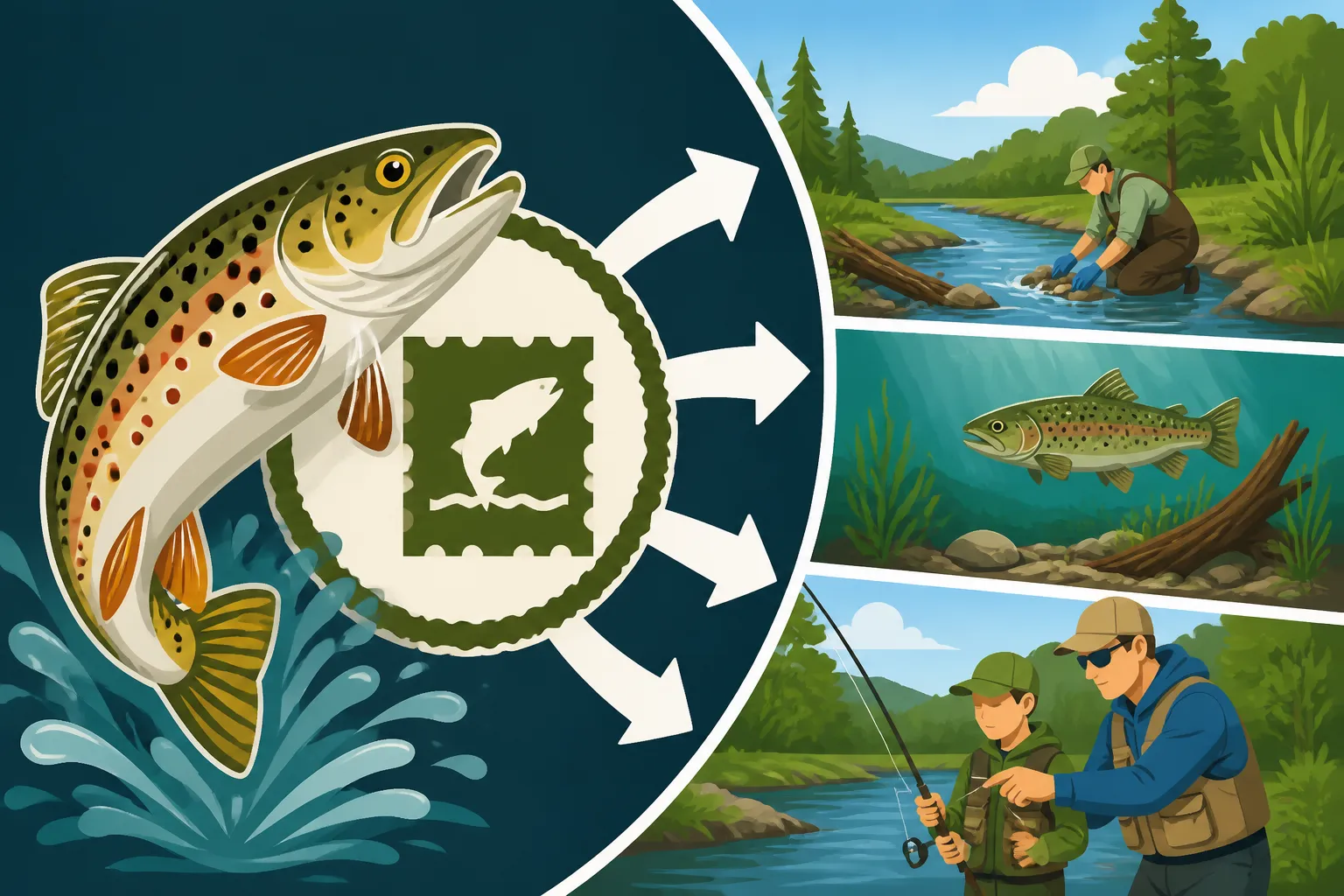
The primary beneficiaries of trout stamp funds can be broken down into several key areas, all working in concert to provide the best possible trout fishing experience:
Funding Trout Stocking Operations
This is perhaps the most direct and visible impact of your trout stamp purchase. A significant portion of the revenue generated by trout stamps goes directly into funding the DNR's extensive trout stocking program. Maryland's hatcheries, such as the Albert M. Powell State Fish Hatchery and the Bear Creek Hatchery, are constantly working to raise hundreds of thousands of trout each year. These include popular species like rainbow trout, brown trout, and even the visually striking golden rainbow trout.
The costs associated with running these hatcheries are substantial: electricity for pumps and aeration systems, specialized feed, veterinary care to prevent disease, and the salaries of the dedicated staff who manage these complex operations. Your trout stamp directly offsets these costs, making it possible for the DNR to purchase fish eggs, grow them to catchable size, and then transport them to various public access points across the state. This is how popular streams and lakes become vibrant fishing destinations, particularly during the Maryland Trout Season, Month by Month and especially during the peak of Fishing Maryland's Spring Trout Stocking Season. Without these funds, the scale and frequency of stocking events, which bring so much joy to anglers, would simply not be possible.
Habitat Restoration and Improvement Projects
Beyond just stocking fish, the trout stamp also contributes significantly to habitat improvement initiatives. What good are stocked fish if their environment isn't healthy and supportive? Trout need clean, cold water, plenty of oxygen, and diverse stream structures (like riffles, pools, and undercut banks) for shelter and feeding. Unfortunately, many of Maryland's waterways face challenges from pollution, sedimentation, and habitat degradation due to human activities like deforestation and agricultural runoff.
Trout stamp funds enable the DNR to undertake crucial stream restoration projects. These can include:
- Stream bank stabilization: Planting native vegetation or installing structures to prevent erosion, which reduces sediment runoff and keeps the water clearer.
- In-stream structure creation: Adding boulders, logs, or other natural materials to create deeper pools, faster riffles, and more hiding places for trout.
- Riparian buffer planting: Establishing strips of trees and shrubs along stream banks that provide shade, which keeps water temperatures cool—a critical factor for trout survival, especially during warmer months.
These efforts are vital for improving water quality and creating self-sustaining habitats, particularly in those streams that support wild trout populations in Best Trout Streams in Western Maryland. It's a long-term investment that goes beyond just adding fish; it's about building and maintaining a healthy ecosystem that can naturally support trout for years to come. When you buy a trout stamp, you're not just paying for fish; you're paying for a healthier environment for those fish.
Research, Monitoring, and Management
Effective fisheries management isn't just about stocking and habitat work; it also relies heavily on scientific research and ongoing monitoring. Trout stamp funds support the DNR's efforts to study trout populations across the state. This includes:
- Population surveys: Biologists regularly assess the health and size of trout populations, both wild and stocked, to understand trends and determine stocking needs.
- Water quality analysis: Continuous monitoring of temperature, oxygen levels, and pollutant concentrations helps identify threats and guide restoration efforts.
- Disease management: Preventing and treating diseases in hatchery-raised fish is critical to ensure healthy populations are released into the wild.
- Regulatory development: Data collected through research informs decisions about Maryland Trout Daily Creel Limit, size restrictions, and season dates to ensure sustainable fishing practices.
Without these research and monitoring activities, the DNR would be flying blind, unable to make informed decisions that protect and enhance Maryland's trout fisheries. Your trout stamp helps fund the scientists and technicians who gather this vital information, ensuring that management strategies are based on sound ecological principles. It's about smart, adaptive management that ensures the trout fishing you enjoy today will be there tomorrow.
Public Access and Educational Programs
Finally, a portion of the trout stamp revenue also contributes to improving public access to trout fishing areas and supporting educational initiatives. What good is a thriving trout fishery if anglers can't get to it, or if they don't have the knowledge to fish responsibly?
Funds are used for:
- Maintaining access points: Ensuring trails, parking areas, and stream access points are well-maintained and safe for anglers. This could involve clearing brush, repairing steps, or installing informational signage.
- Educational outreach: Developing and distributing materials that teach anglers about trout identification, proper catch-and-release techniques, and the importance of conservation. Programs might include youth fishing clinics or workshops on Fly Fishing in Maryland techniques specific to trout streams.
- Information dissemination: Publishing the latest regulations and stocking schedules so anglers know where and when to find fish.
These investments in access and education are crucial for fostering a responsible angling community and ensuring that the joy of trout fishing is accessible to everyone. From providing detailed maps of Maryland's Put-and-Take Trout Waters, What That Means to offering guidance on how to properly handle a fish for release, these programs enhance the overall angling experience and promote a conservation ethic.
A Transparent Look at the Numbers
To help you visualize how these funds are typically allocated, here's a simplified breakdown. While exact percentages can fluctuate year to year based on immediate needs and specific project costs, this table illustrates the general priorities that trout stamp revenue addresses. These figures are illustrative and based on common fisheries management budgeting practices, reflecting the core areas where the Maryland DNR invests these dedicated funds.
| Category | Estimated Percentage of Trout Stamp Funds | Key Activities Funded |
|---|---|---|
| Trout Production & Stocking | 60-70% | Hatchery operations, fish feed, transportation, staff salaries |
| Habitat Restoration & Improvement | 15-20% | Stream bank stabilization, in-stream structures, riparian planting |
| Research, Monitoring & Management | 10-15% | Population surveys, water quality analysis, disease prevention, regulatory review |
| Public Access & Angler Education | 5-10% | Trail maintenance, signage, youth programs, informational guides |
This distribution ensures that the vast majority of funds directly impact the presence of fish in the water and the health of their environment, while also supporting the necessary science and infrastructure for sustainable management. When you purchase your trout stamp, you're directly contributing to these vital programs that keep Maryland's trout fishing robust and accessible. It's a testament to the fact that anglers' dollars are genuinely reinvested into the resource they love.
The Long-Term Impact on Maryland Trout Fishing
The sustained funding provided by the Maryland Trout Stamp has a profound long-term impact on the state's trout fisheries. It's not just about one season's worth of stocked fish; it's about building a resilient and vibrant angling tradition that can withstand environmental pressures and fluctuating conditions. The consistent investment allows for strategic planning, multi-year projects, and continuous improvement that wouldn't be possible with sporadic or unpredictable funding.
Imagine a scenario without these dedicated funds: trout populations would dwindle, habitat would degrade further, and the joy of catching a beautiful rainbow trout in a clear mountain stream might become a distant memory for many. The trout stamp helps prevent this by providing a reliable financial backbone for conservation efforts. It helps to ensure that when you plan your next fishing trip to the Gunpowder River or Big Hunting Creek, you'll have a realistic expectation of finding healthy, catchable trout.
Moreover, the funds help attract and retain dedicated professionals within the DNR who are passionate about trout conservation. These are the biologists, hatchery managers, and technicians who spend their careers ensuring the health of these fisheries. Your stamp supports their crucial work, enabling them to apply their expertise to the challenges and opportunities facing Maryland's trout. It's a virtuous cycle: anglers pay into the system, the system improves the fishing, and improved fishing encourages more anglers to participate and support the resource. This collective investment is what truly sustains the future of trout fishing in Maryland.
Disclaimer
Please remember that fishing regulations, license requirements, and fund allocations can change. Always consult the latest Maryland Department of Natural Resources (DNR) fishing guide or website before heading out on the water to ensure you have the most current information.