Maryland Fishing License Age Requirements
Oh, the joy of planning a peaceful day out on the water, rod in hand, only to be met with a sinking feeling as you try to decipher Maryland's fishing license rules! It can feel like you need a law degree just to figure out who needs what, especially when it comes to age. It’s a common frustration, believe me. This guide is here to untangle the confusion, specifically focusing on the Maryland fishing license age requirements, so you can spend less time stressing over paperwork and more time casting a line.
The Basics: Who Needs a License and Who Doesn't
Let's cut right to the chase because this is usually the first question on everyone's mind, whether you're a seasoned angler bringing your grandkids or a new family moving to the Old Line State. Maryland has fairly straightforward rules when it comes to age and fishing licenses, designed to encourage youth participation while ensuring adults contribute to conservation efforts.
The "Under 16" Exemption: A Lifeline for Young Anglers
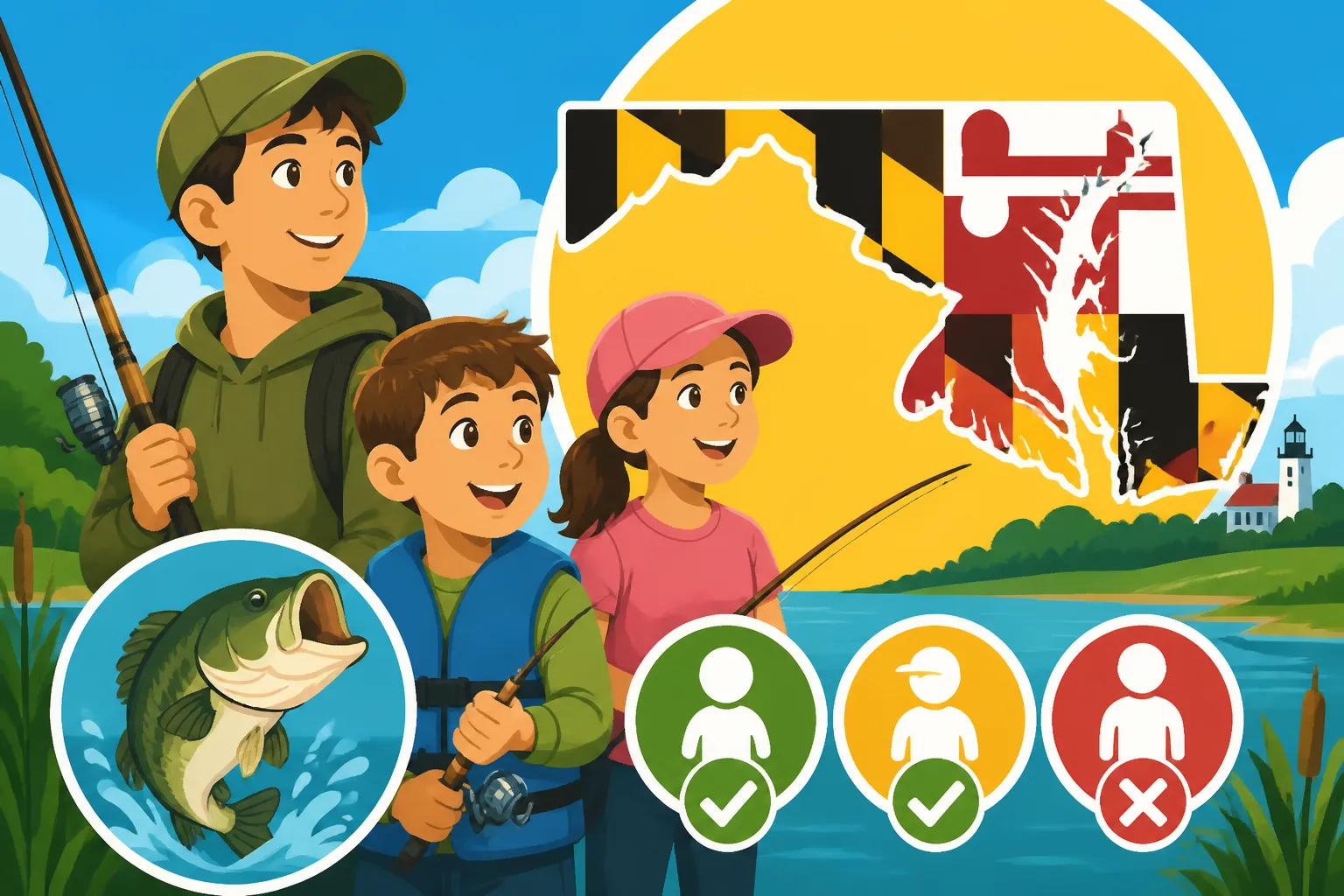
One of the best pieces of news for families and young enthusiasts in Maryland is that if you're under 16 years old, you generally do not need a fishing license to fish in the state's waters. This is a fantastic policy that really makes it easy to introduce kids to the joys of fishing without an extra hurdle or cost for parents. Imagine the delight of a child reeling in their first perch or bluegill without you having to worry about additional permits for them. This exemption applies whether they're fishing in freshwater streams, tidal rivers, or even the Chesapeake Bay.
However, it's always good to understand the nuances. While they don't need a state license, they still need to adhere to all other fishing regulations, such as Maryland Fishing Size and Catch Limits by Species. This means paying attention to length limits, daily creel limits, and seasonal closures for specific species. A responsible adult should always be aware of these rules. For instance, if your 10-year-old catches a rockfish during a closed season, it still needs to be released immediately. You can often find detailed regulation guides on the Maryland Department of Natural Resources (DNR) website, or sometimes even printed copies available at local tackle shops. If you're looking for specific information on this, our guide on Do Kids Need a Fishing License in Maryland? dives even deeper.
Age and Residency: How They Intersect for License Needs
Once you hit the magical age of 16, things change, and the question of residency also becomes important. If you are 16 years old or older and a resident of Maryland, you will need to purchase a Maryland fishing license. This license will cover your recreational fishing activities in either tidal or nontidal waters, depending on the specific license you choose. The state offers various options, including annual licenses that run for a full year from the date of purchase, or shorter-term options if you're just planning a quick trip.
For non-residents who are 16 years or older, the same rule applies: a license is required. However, the cost for a non-resident license will typically be higher than for a resident. This is standard practice across many states, as residents contribute to the state's resources through taxes. It’s worth noting that if you're just visiting for a few days, Maryland offers options like a Maryland 7-Day Fishing License Options for non-residents, which can be a much more economical choice than buying an annual license. You can easily find these options and purchase them online through the Maryland DNR's COMPASS portal, or even grab one from a local tackle shop. Before you head out, checking our comprehensive Maryland Fishing License Guide for 2026 can help clarify the different types of licenses available.
Here's a quick overview to keep things clear:
| Age Group | Residency | Nontidal License Required | Tidal License Required | Notes |
|---|---|---|---|---|
| Under 16 | Resident/Non | No | No | Exempt from license, but all other regulations (size, creel limits) apply. |
| 16-64 | Resident | Yes | Yes (or Consolidated) | Requires appropriate resident license(s). Options include annual, 7-day, etc. |
| 16-64 | Non-resident | Yes | Yes (or Consolidated) | Requires appropriate non-resident license(s). Higher cost than resident options. |
| 65+ | Resident | No (but can get Senior) | No (but can get Senior) | Can opt for a Maryland Senior Consolidated Sport Fishing License, which is often free or low cost. |
| 65+ | Non-resident | Yes | Yes | Standard non-resident license required; no senior exemption for non-residents. |
Special Considerations for Different Age Groups
While the general rule of 16 is a good starting point, Maryland offers some specific programs and considerations that are worth understanding, particularly for seniors and for clarity around tidal versus nontidal fishing distinctions.
Senior Anglers and Consolidated Licenses
Maryland truly values its senior community, and this is reflected in its fishing license program. If you are a Maryland resident aged 65 or older, you actually have the option of acquiring a Maryland Senior Consolidated Sport Fishing License. This is a fantastic benefit because it covers both tidal and nontidal fishing, as well as the Chesapeake Bay Sport Fishing license, all under one umbrella. And here's the best part: for many seniors, this license is available at a significantly reduced cost, sometimes even free.
However, it's crucial to remember that this special consideration usually applies only to Maryland residents. If you're a senior visiting Maryland from out of state, unfortunately, you'll still need to purchase a standard non-resident fishing license if you're 16 or older. This can sometimes be a point of confusion, as many states offer senior discounts universally. So, if your parents or grandparents are visiting, make sure to check the Resident vs Nonresident Fishing Licenses in Maryland rules carefully to ensure they're properly licensed. Getting caught without one, even unintentionally, is never a fun experience.
The Nontidal vs Tidal Distinction for Young Anglers
While children under 16 are exempt from needing a license, the distinction between Maryland Nontidal vs Tidal Fishing License, Explained becomes crucial once an angler reaches 16. Maryland's waters are broadly categorized this way, and while a consolidated license often covers both, it's good to know what you're getting. Nontidal waters include freshwater lakes, rivers, and streams like Deep Creek Lake or the upper Potomac River. Tidal waters encompass the Chesapeake Bay, its tributaries, and the Atlantic Ocean coastal bays.
For instance, if your 16-year-old resident angler primarily fishes for bass in Liberty Reservoir (nontidal), they'll need a nontidal fishing license. If they prefer crabbing and fishing for rockfish in the Bay (tidal), they'll need a Chesapeake Bay Sport Fishing license, or a consolidated option that covers both. The good news is that Maryland offers "Consolidated Sport Fishing Licenses" which cover both tidal and nontidal waters, making it much simpler for adults who fish across different water types. While this doesn't directly impact the under-16 crowd, it's important for parents and guardians to understand this distinction for when their young anglers do turn 16. It helps in planning for future licensing needs and understanding the full scope of Maryland's diverse fishing opportunities.
Understanding Enforcement and Best Practices
Nobody wants to have their peaceful fishing trip interrupted by a Maryland Natural Resources Police (NRP) officer asking for a license you don't have. Understanding the rules, having your license readily available, and knowing how to purchase one are key to a stress-free experience.
What Happens if You're Caught Without a Proper License
Fishing without a valid license when one is required is a violation of Maryland law. It’s not something to take lightly. The Natural Resources Police (NRP) are out on the water and in the parks, actively enforcing these regulations to protect Maryland's natural resources and ensure fair play for all anglers. If you're caught fishing without the appropriate license, you could face fines and penalties. These can vary depending on the severity of the offense, your history, and the discretion of the officer, but they can definitely put a damper on your day and your wallet. Our guide on What Happens If You Fish in Maryland Without a License? goes into more detail about potential repercussions.
It’s not just about the state license either. If you are fishing in areas that require a Maryland Trout Stamp Requirements or other special permits (like for specific private access points), you need to have those too. Always double-check the specific regulations for the area you plan to fish. A quick search on the Maryland DNR website or even consulting a knowledgeable staff member at a local tackle shop can save you a lot of trouble. I've heard stories of anglers who thought they were covered, only to find out they missed a minor detail, leading to an unexpected fine. It's always better to be safe than sorry.
Easy Ways to Verify and Purchase Licenses
Thankfully, Maryland has made it incredibly convenient to purchase and verify your fishing license. The easiest and fastest way is often online through the Maryland DNR's COMPASS portal. You can buy your license from the comfort of your home, print it out, or even save it digitally on your phone. This is particularly useful if you decide spur-of-the-moment to go fishing or realize your old license has expired. The process is streamlined and user-friendly, allowing you to select the appropriate license type (tidal, nontidal, consolidated, senior, etc.) and complete the purchase in minutes. Our guide on Buying a Maryland Fishing License Online walks you through the steps.
If you prefer a more traditional route, you can also purchase licenses in person at various authorized retail agents across the state. These often include tackle shops, sporting goods stores like those you might find on Amazon after searching for "fishing gear," or even some department stores. These retailers often have knowledgeable staff who can answer your questions and help you choose the correct license type for your needs. Just remember to bring your Maryland driver's license or state ID for residency verification. Having your license easily accessible, whether a physical copy in your wallet or a digital version on your phone, is crucial. While shopping for new lures or bait on Amazon, it's a good reminder to ensure your license is up to date too! Remember that some popular spots, like certain piers, might have their own rules or require specific access, so understanding Maryland Fishing License for Piers and Shore Access is also a good idea. Even if you're just looking up information about licenses, a waterproof case for your phone, which you can easily find on Amazon, is always a good idea when fishing!
Conclusion
Understanding Maryland's fishing license age requirements doesn't have to be a headache. The state's system is designed to be fair and accessible, especially for its youngest anglers. Remember, if you're under 16, you're exempt from the license requirement, which is a fantastic way to get kids hooked on fishing. For those 16 and over, a license is mandatory, with special considerations and often reduced costs for Maryland resident seniors. Whether you choose to purchase your license online or in person, ensuring you have the proper documentation is a small step that guarantees a compliant and enjoyable fishing experience every single time. Tight lines!
Disclaimer
Please remember that fishing regulations, including age requirements and license costs, can change. While every effort has been made to provide accurate and up-to-date information, it is always your responsibility to consult the official Maryland Department of Natural Resources (DNR) website or their current Fishing and Crabbing Guide for the most recent and complete regulations before you head out to fish. This guide is for informational purposes only and should not be considered legal advice.