Can You Keep the Fish You Catch on a Maryland Charter?
Many anglers, especially those new to booking a fishing trip, often wonder about the ultimate reward of their day on the water: can you actually keep the fish you catch on a Maryland charter? It's a perfectly valid question, given the investment of time and money, and the simple answer isn't always a straightforward "yes" or "no." This guide will help you understand the common practices, regulations, and factors that determine what fish you can bring home from your Maryland charter adventure.
The Short Answer: Yes, But With Important Caveats
Generally speaking, yes, you absolutely can keep the fish you catch on a Maryland fishing charter, provided they meet all applicable regulations and the captain's operational policies. However, it's never as simple as just filling a cooler. There are specific rules regarding size, bag limits, and seasons that govern every species, and the charter captain plays a crucial role in ensuring compliance. The excitement of reeling in a big striped bass or a flounder can quickly turn to confusion if you're not aware of these essential guidelines before you even step aboard.
Imagine you've just landed your dream fish, a beautiful rockfish, and you're already picturing it on the dinner plate. But then the captain measures it, and it's either too small or too large for the current "slot limit," meaning it has to go back in the water. This isn't because the captain doesn't want you to have it, but because Maryland's conservation efforts are incredibly important for sustaining fish populations. It can be a deflating moment, but understanding these rules beforehand helps manage expectations and makes for a more enjoyable trip, regardless of what ends up in the cooler.
Understanding Maryland's Fishing Regulations on a Charter
Maryland has a robust set of fishing regulations designed to protect its diverse aquatic ecosystems and ensure sustainable fishing for generations to come. These rules apply equally to recreational anglers on their own boats and to those fishing on a licensed charter. The charter captain's job is to know and enforce these rules, acting as your guide through the legal labyrinth of fishing.
Size and Bag Limits by Species
Every species you might encounter in Maryland waters, from the iconic striped bass (also known as rockfish) to bluefish, flounder, and various panfish, has its own specific set of rules. These rules dictate both the minimum and sometimes maximum size a fish must be to be legally kept, as well as the number of fish an individual angler can possess in a single day (the "bag limit").
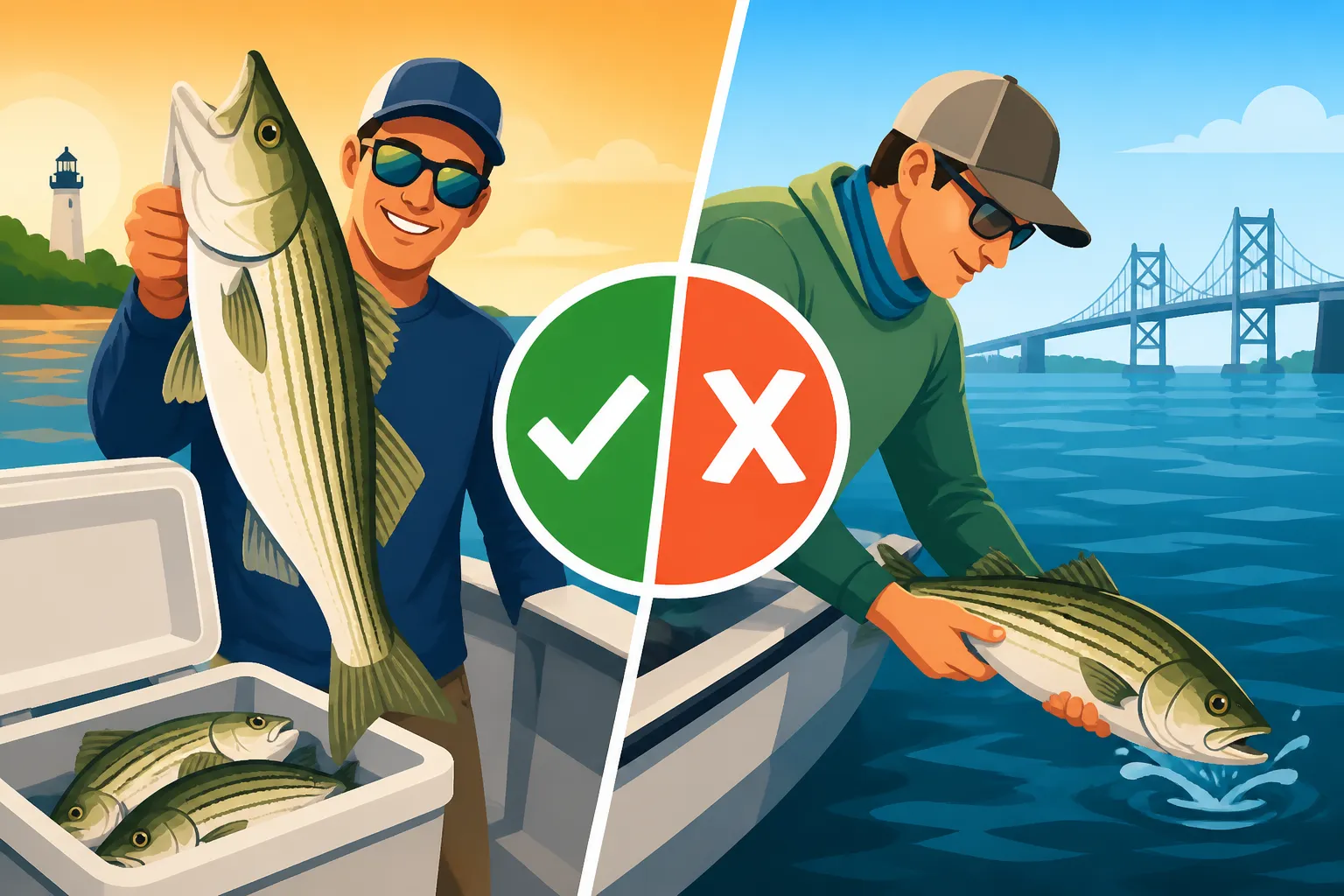
For example, Maryland Striped Bass Season and Rockfish Rules are often among the most discussed and can change, sometimes even within a season, to adapt to population dynamics. You might find a "slot limit" in place for rockfish, meaning you can only keep fish within a specific size range, say, between 19 and 24 inches. Any fish outside that range, whether smaller or larger, must be released. Other species, like flounder, will have a strict minimum size requirement and a daily bag limit, while blue crabs have completely different rules for recreational crabbing. It’s a lot to keep track of, but your captain is the expert here. You can find a comprehensive overview of these limits in resources like Maryland Fishing Size and Catch Limits by Species.
Seasonal Closures and Openings
Just as important as size and bag limits are the seasons. Many species have specific times of the year when they are entirely off-limits to harvest, allowing them to spawn or recover. For instance, parts of the Chesapeake Bay and its tributaries might be closed to striped bass fishing during their spawning season in the spring. Trying to keep a striped bass during one of these closures, even accidentally, can lead to significant penalties.
Conversely, some seasons are highly anticipated, like the spring trophy striped bass season, where anglers can target larger fish within specific windows. Your charter captain will always be up-to-date on these seasonal changes. They operate their businesses based on these schedules, and any reputable captain will adhere strictly to them. It's also why booking a charter for a specific type of fish means aligning your trip with its open season. If you're wondering about general fishing times, Best Time of Year to Fish in Maryland can give you a good overview.
The Role of the Charter Boat License
One critical aspect of charter fishing in Maryland is that the vessel itself operates under a commercial license. This means that while individual anglers don't typically need their own recreational fishing license while on a licensed charter, the captain is responsible for reporting the boat's total catch and ensuring all regulations are followed. For more details on this, check out Maryland Charter Boat License Coverage for Passengers and Do You Need Your Own License on a Maryland Charter?.
The charter's overall catch limits might also come into play. For instance, if a boat has six anglers, and the individual bag limit for a certain species is two fish per person, the boat’s total legal take would be 12 fish of that species. The captain will manage this carefully throughout the trip. If everyone catches their limit early, the rest of the trip might shift to catch-and-release fishing or targeting other species that are still open.
How Charter Captains Manage Your Catch
A good charter captain is more than just a boat driver; they are a fishing guide, a safety officer, and a compliance expert all rolled into one. Their experience and knowledge of Maryland's waters and regulations are invaluable.
Measuring and Ensuring Compliance
As soon as a fish is brought onto the boat, the captain or mate will typically measure it against a provided measuring board to determine if it meets the legal size requirements. If it's a "keeper," it goes into the boat's cooler or fish box. If it's too small, too large (for a slot limit), or out of season, it will be immediately released, often with minimal handling to ensure its best chance of survival.
This process is usually very efficient and handled by the crew, leaving you to focus on the thrill of the catch. They're well-versed in the Maryland DNR Fishing and Boating Guide, Explained and can explain any rule to you on the spot. Don't be shy about asking questions if you're unsure why a certain fish is being released. It's a great learning opportunity!
Cleaning and Filleting Services
Most Maryland fishing charters offer cleaning and filleting services for your catch as part of the trip. This is a huge convenience, as few people want to deal with the messy job of processing fish at home after a long day on the water. The crew will usually clean your fish either immediately after they're caught and stowed, or at the end of the trip back at the dock.
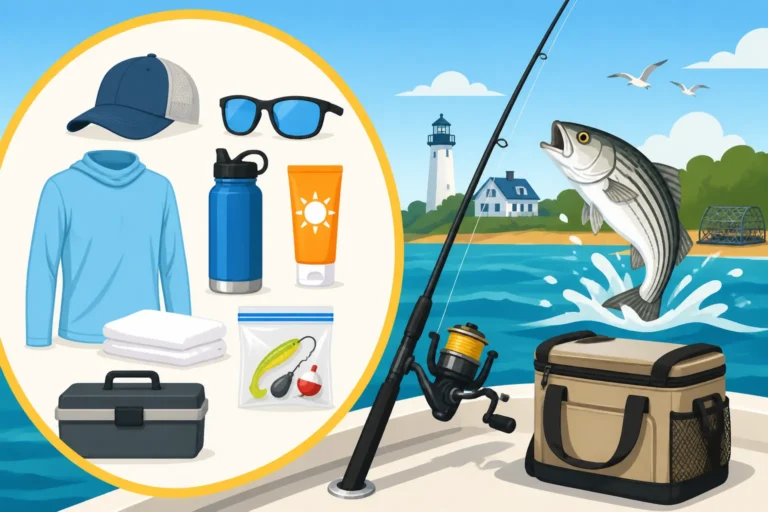
It’s important to clarify whether cleaning is included in the charter price or if it's an extra service that might require a small fee or a gratuity for the mate. Always bring a cooler filled with ice in your car to transport your fillets home. A good rule of thumb is to have a cooler large enough to hold all the potential fillets from your trip, as well as enough ice to keep them properly chilled. This small preparation makes a world of difference when you get home.
The Captain's Discretion and Conservation Ethic
While regulations provide the minimum standard, many captains also adhere to their own conservation ethic. This might mean encouraging catch-and-release for certain species, even if they are technically legal to keep, or advising on practices that minimize stress on the fish. For instance, during periods of high water temperatures, captains might suggest releasing more fish to increase their survival rates, as warm water puts added stress on fish.
It's a shared responsibility between the angler and the captain to protect the fishery. If you're particularly interested in conservation, or specific techniques like catch and release, many captains are happy to discuss this. Some anglers even prefer catch-and-release charters, focusing purely on the sport rather than the harvest. You can often find details about a charter's philosophy on their websites or by contacting them directly. Platforms like FishingBooker often include captain profiles where you can get a sense of their approach before booking.
Practical Tips for Bringing Your Catch Home
Once you’ve confirmed your fish are legal and cleaned, the final step is getting them from the boat to your kitchen safely and deliciously. A little preparation goes a long way here.
Prepare for Transport
As mentioned, a large cooler packed with plenty of ice is your best friend. Even if the charter offers cleaning services, you'll need a way to transport your fillets. Pack enough ice to ensure your fish remain chilled for the entire drive home, especially if you have a long journey.
Consider bringing some sturdy, sealable freezer bags or vacuum sealer bags if you plan to freeze your catch. This helps protect the fillets from freezer burn and keeps them fresh longer. Some anglers even bring a smaller "day cooler" for drinks and snacks, keeping the main fish cooler empty and ready for the bounty.
Understanding Your Personal Responsibility
While the captain handles the immediate compliance on the boat, once the fish are in your possession and off the vessel, you become personally responsible for adherence to regulations. This includes ensuring your fillets are of legal size if required (some species need to have a piece of skin attached to prove size if filleted at sea, though this is less common with charter-cleaned fish).
For invasive species like blue catfish or northern snakehead, the rules often encourage you to keep every one you catch, and for snakehead, it's typically required that they are immediately killed. For these species, there are generally no size or bag limits, and they make for excellent eating! You can read more about these particular rules in Maryland Blue Catfish Possession Rules and Maryland Invasive Fish Rules: Blue Catfish and Snakehead.
Communicating with Your Captain
The best way to ensure a smooth experience is always to communicate openly with your charter captain or their booking agent. Don't be afraid to ask questions beforehand about their specific catch policies, what species they expect to be targeting, and what the current regulations are for those fish. You can do this when you're making your reservation, especially if you're using a booking service like FishingBooker, where contact information is usually readily available.
A quick phone call or email before your trip can clarify any uncertainties and set proper expectations for your day. For instance, if you have your heart set on keeping a certain amount of fish, discuss this. Some captains specialize in "meat trips" focused on filling the cooler, while others might lean more towards sport and catch-and-release. Knowing this upfront helps you choose the right charter for your fishing goals.
Example Scenarios: What to Expect
Let's look at a couple of common scenarios:
-
Scenario 1: Targeting Striped Bass in the Bay. You've booked a spring trip during the open season. The captain will inform you of the current slot limit (e.g., 19-24 inches) and the daily bag limit (e.g., one fish per person). As fish are caught, they'll be quickly measured. If a fish is 22 inches, it's a keeper! Into the cooler it goes. If it's 18 inches, it's released. The captain will keep a running tally of the fish kept by everyone on board to ensure the boat doesn't exceed its total allowable catch. At the end of the day, those keepers will be filleted, and you'll take home neat packages of delicious rockfish.
-
Scenario 2: Fishing for Invasive Species. Say you're on a charter specifically targeting blue catfish in the Potomac River. The captain will likely tell you there's no limit on these fish, and they encourage you to keep as many as you want. These charters are often fantastic for filling a cooler, as blue catfish are prolific and tasty. The cleaning process will be similar, but without the strict size measurements or bag count, making it a more straightforward process for taking home a large quantity of fish.
By understanding the regulations, communicating with your captain, and preparing for transport, you can confidently look forward to enjoying the fresh taste of your Maryland charter catch!
Disclaimer
This article is for general informational purposes only and does not constitute professional advice. Laws, prices and regulations vary by location and change over time. Consult a qualified professional for guidance on your specific situation.