What Is Maryland’s State Record Largemouth Bass?
For many Maryland anglers, the quest for a trophy largemouth bass isn't just a hobby; it's a deep-seated passion, often fueled by the dream of catching a fish that stands among the state's best. The idea of hauling in a monster bass that shatters existing records is a powerful motivator, driving countless hours on the water. This guide will take a deep dive into what it takes to catch a truly enormous largemouth, exploring the current state record and the legendary fish that holds that coveted title, and providing insights for those who dream of etching their name into Maryland's fishing history.
The Allure of the Maryland State Record Largemouth Bass
There's something uniquely captivating about state records, especially when it comes to a universally beloved game fish like the largemouth bass. It represents the pinnacle of angling achievement within a specific region, a testament to both the angler's skill and the incredible potential of Maryland's diverse waterways. For many, simply knowing the benchmark is enough to spark an ongoing ambition.
A Dream for Every Angler
Every time a dedicated bass angler casts a line, especially into known big bass waters, there’s a flicker of hope that this cast, this retrieve, will connect them with the fish of a lifetime. The state record isn't just a number; it's a symbol of what's possible, a benchmark against which all personal bests are measured. It inspires countless early mornings, late evenings, and meticulous gear preparations. It’s the kind of goal that pushes you to explore new techniques, research different baits, and truly understand the habits of these elusive giants. When you're out there, patiently working a retrieve, that record fish is always in the back of your mind, urging you on.
Maryland's Place in Bass Fishing History
While Maryland might be famous for its incredible Maryland Striped Bass Fishing Techniques in the Chesapeake Bay, it also holds a respectable place on the map for freshwater bass anglers. Our state boasts a surprising array of lakes, reservoirs, and rivers that consistently produce quality largemouth bass, and occasionally, true giants. From the sprawling depths of Deep Creek Lake to the numerous reservoirs scattered across the central region, Maryland offers diverse habitats that allow largemouth to thrive and grow to impressive sizes. Understanding these waters is the first step in appreciating the potential for a new record.
Unpacking Maryland's Official Largemouth Bass Record
So, what exactly is the benchmark? What weight does an angler need to surpass to claim the title of Maryland's state record largemouth bass? It’s a question that lights up forums and sparks conversations at tackle shops across the state.
The Current Record Holder and Its Weight
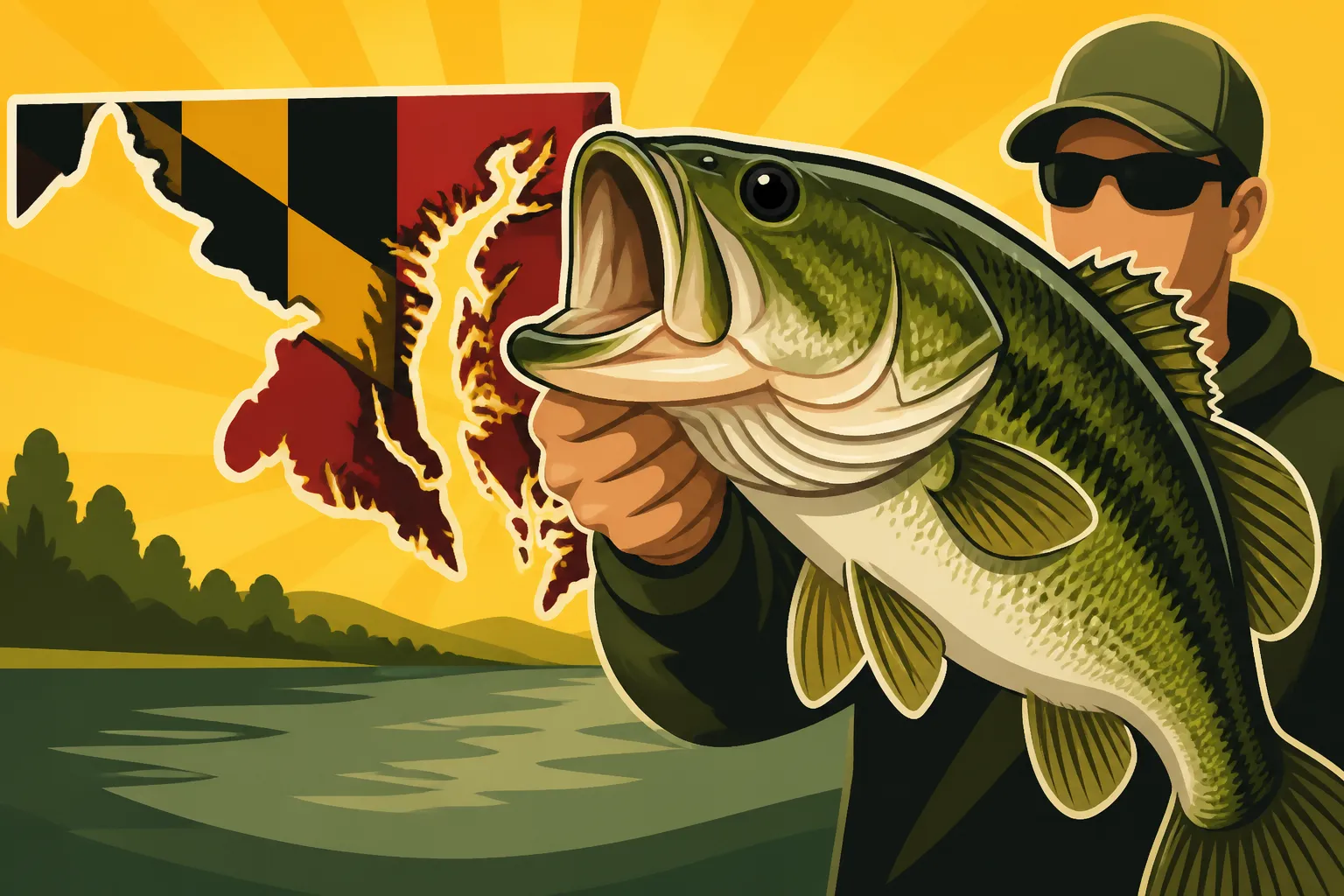
Maryland's current state record largemouth bass is an absolute monster, a true testament to the exceptional fish our waters can produce. This legendary fish weighed in at an astounding 11 pounds, 2 ounces. Just imagine holding a bass of that size in your hands – it's the kind of catch that defines an angling career. For many years, anglers have chased this elusive weight, often coming close but never quite matching this incredible specimen. It stands as a formidable goal, a testament to what's possible when conditions, luck, and a big bass all align.
Where the Record Fish Was Caught
The record-breaking largemouth wasn't caught in some secret, inaccessible pond known only to a select few. This monumental fish was pulled from a familiar body of water to many Maryland anglers: a pond in Montgomery County. This tidbit of information often surprises people, as many assume record fish come from vast, pristine wilderness lakes. However, it highlights a crucial point: trophy bass can emerge from unexpected places, including smaller, well-managed impoundments closer to home. It reinforces the idea that you don't always need to travel far to find a giant, sometimes the biggest fish are lurking in waters you might overlook. It just goes to show you that even local spots have incredible potential for a true Largemouth Bass State Record in Maryland.
The Story Behind the Catch
While the exact details of every record catch often become legendary through word-of-mouth, the story behind a fish of this magnitude usually involves a combination of factors. It likely wasn't a casual cast but a deliberate effort, perhaps targeting a specific piece of structure or fishing during optimal conditions. Trophy bass, especially those that reach double-digit weights, are not accidental catches. They've survived countless encounters with lures, natural predators, and environmental changes. Catching one often requires patience, persistence, and a keen understanding of bass behavior. The angler who landed Maryland's record certainly demonstrated exceptional skill and perhaps a little bit of that angler's luck that we all secretly hope for. These stories fuel the aspirations of future record holders, encouraging them to keep honing their craft.
Chasing a New Maryland Largemouth Bass Record
So, you're inspired, and now you want to know how you can possibly chase down a fish that might break that 11-pound, 2-ounce mark. It's a challenging endeavor, but Maryland does offer some incredible opportunities for trophy bass.
Prime Waters for Trophy Bass
While the record came from a Montgomery County pond, big bass can be found in various larger bodies of water across the state. Reservoirs like Fishing Loch Raven Reservoir, Fishing Liberty Reservoir, and Piney Run Lake are renowned for producing impressive largemouth, with many anglers reporting fish in the 5-8 pound range consistently, and occasionally larger. Maryland's Deep Creek Lake Fishing Guide in Western Maryland, while perhaps better known for smallmouth and walleye, also holds some truly huge largemouth, especially in its shallower, stump-filled coves. These larger impoundments offer vast expanses of prime habitat, allowing bass to grow old and large by feeding on an abundant forage base. Understanding the nuances of each of these lakes, from their primary forage to their depth contours, is key to success. Don't forget that even smaller farm ponds can yield surprises, proving that How Big Do Largemouth Bass Get in Maryland Ponds? can sometimes be astonishingly large.
Essential Gear and Techniques
Catching a record-breaking largemouth requires not just skill but also the right equipment. You'll want a stout rod and reel combo, capable of handling powerful runs and heavy cover. A medium-heavy to heavy power casting rod, paired with a reliable baitcasting reel spooled with strong braided line (at least 30-50 lb test), is a good starting point. For lures, think big and enticing. Large swimbaits, deep-diving crankbaits, jigs with bulky trailers, and oversized Texas-rigged worms are all excellent choices for targeting big bass. These fish are looking for a substantial meal, so don't be afraid to throw bigger presentations. You can find a fantastic selection of these specialized lures and rods on platforms like Amazon, often with reviews from other trophy bass anglers that can guide your choices. Many anglers swear by particular brands or models, spending hours researching the best options.
When it comes to techniques, patience is paramount. Trophy bass are often solitary and reside in specific ambush points. Focus on fishing structure – submerged timber, rock piles, ledges, and deep weed lines. Slow retrieves, methodical jigging, and working your bait thoroughly through these areas can trigger strikes from cautious giants. Understanding seasonal patterns is also crucial; for instance, knowing What Water Temperature Do Bass Spawn at in Maryland? can help you predict where big fish will be concentrated and at their most aggressive.
| Maryland Trophy Bass Waters | Primary Characteristics | Potential for Big Bass | Common Techniques for Trophy Fish |
|---|---|---|---|
| Loch Raven Reservoir | Deep, rocky, standing timber, clear water | High | Jigs, deep crankbaits, large worms |
| Liberty Reservoir | Deep, clear, rock structures, submerged roads | High | Drop-shot, jigs, slow retrieve swimbaits |
| Deep Creek Lake | Cooler water, stumps, docks, rocky points | Good | Jigging, large jerkbaits, swimbaits |
| Piney Run Lake | Weedy coves, timber, varying depths | Very Good | Frogs, spinnerbaits, Texas rigs |
| Potomac River (tidal) | Grass beds, lily pads, current breaks | Excellent | Topwater, frogs, punching rigs |
The Importance of Conservation
While the dream of a state record is thrilling, responsible angling practices are more important than ever, especially when targeting larger, older fish. Many anglers who pursue trophy bass practice catch and release, ensuring these genetic giants can continue to reproduce and challenge future generations of anglers. If you do catch a potential record, it's vital to handle the fish with extreme care. Minimize its time out of the water, support its body properly, and have your measuring and weighing equipment ready. Quick photos and careful release ensure that Maryland's bass fishery remains robust. Remember, the pursuit of a record should never come at the expense of the resource itself.
How a Fish Becomes a State Record
So, you've done it! You've landed a largemouth bass that looks like it could challenge the state record. What now? There's a specific, official process you need to follow to get your catch recognized. It's not as simple as just weighing it and telling your friends.
The Official Verification Process
Maryland's Department of Natural Resources (DNR) has a clear protocol for certifying state records. First and foremost, the fish must be weighed on a certified scale. This usually means taking it to a post office, a grocery store that has a certified deli scale, or a tackle shop equipped with one. Having a witness present during the weighing is also crucial for verification. You'll need accurate measurements of the fish's length and girth, and clear photographs from multiple angles. It's also critical to review the most recent Maryland Fishing Size and Catch Limits by Species to ensure your catch was legal. Then, you'll need to contact the Maryland DNR immediately. They will guide you through the official application process, which involves submitting all your documentation, photos, and often, having a DNR biologist inspect the fish. This stringent process ensures that every state record is legitimate and accurately documented.
Rules and Regulations to Consider
Beyond the initial weighing, there are specific rules that apply to record-setting catches. The fish must be caught legally, meaning you must possess the appropriate Maryland Fishing License Guide for 2026 and adhere to all current fishing regulations for the species and water body. No snagging, spearing, or illegal methods are permitted. The fish must also be caught by legal hook and line. Any foul-hooked fish, even if it's a giant, won't qualify. The integrity of the record system relies on fair chase principles. It's also wise to check the DNR's website for their specific record application form and any updated guidelines, as How Often Maryland Updates Its Fishing Regulations can impact the process. Having all your ducks in a row before you even hit the water with record aspirations can save you a lot of headache if that dream fish finally bites. Make sure you're familiar with the official DNR processes, which are typically outlined on their website.
Disclaimer
This article is for general informational purposes only and does not constitute professional advice. Laws, prices and regulations vary by location and change over time. Consult a qualified professional for guidance on your specific situation.