Are Hybrid Striped Bass Stocked in Maryland Lakes?
Anglers across Maryland often find themselves captivated by the allure of a powerful fight on the end of their line, leading many to ponder the potential for diverse game fish in our freshwater lakes. Among the most talked-about are hybrid striped bass, known for their aggressive strikes and impressive size. It's a natural question to wonder if these exciting hybrids are part of Maryland's stocking programs to enhance fishing opportunities in local lakes and reservoirs. This comprehensive guide will delve into whether hybrid striped bass are, in fact, stocked in Maryland's diverse network of lakes, explore where you might actually encounter similar species, and clarify the distinctions that every angler should know before casting a line.
The Truth About Hybrid Striped Bass Stocking in Maryland Lakes
When it comes to enhancing recreational fishing opportunities, state agencies like the Maryland Department of Natural Resources (DNR) implement carefully considered stocking programs. These programs are designed to support healthy fish populations, introduce new species where appropriate, or bolster existing ones that might be struggling. However, the stocking of hybrid striped bass in Maryland's freshwater lakes isn't typically part of this strategy.
Maryland DNR's Stocking Priorities
The Maryland DNR has very specific goals when it comes to stocking fish, and these priorities largely revolve around supporting native species, restoring natural populations, and maintaining the ecological balance of our waterways. For instance, you'll find robust programs for stocking various trout species in the colder streams and rivers of Western Maryland, aiming to provide fantastic put-and-take opportunities for anglers. There are also efforts to support populations of largemouth bass or panfish in certain reservoirs where natural reproduction might be limited.
The primary focus for striped bass, affectionately known as "rockfish" here in Maryland, is overwhelmingly centered on the health and vitality of the Chesapeake Bay and its tidal tributaries. This estuary serves as a crucial spawning and nursery ground for the purebred striped bass, which are a cornerstone of Maryland's fishing heritage and ecosystem. The DNR's efforts often concentrate on conservation measures, habitat protection, and responsible management of these native populations. Therefore, introducing a hybrid species into freshwater lakes, which could potentially compete with or impact native fish populations, is generally not a favored approach. The decision-making process for where and what to stock is complex, often considering factors like ecological impact, genetic integrity of native species, and angler demand for specific types of fisheries. You can learn more about these decisions by checking out articles like How Maryland Decides Which Rivers Get Stocked.
Distinguishing Purebred Striped Bass from Hybrids
Even though hybrid striped bass aren't officially stocked in Maryland's freshwater lakes by the state, it's not uncommon for anglers to become confused, especially when fishing in tidal freshwater areas that connect to the Chesapeake Bay. Purebred striped bass do venture into these tidal freshwater rivers, sometimes far upstream, particularly during spawning runs or in pursuit of baitfish. It's important to be able to tell the difference between a true Chesapeake Bay striped bass and what a hybrid striped bass would look like if you were to encounter one.
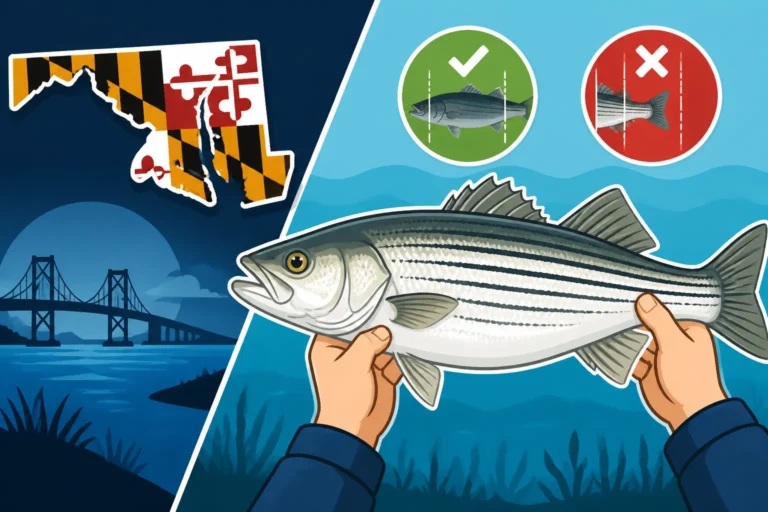
The most reliable way to distinguish between these fish often comes down to their stripe patterns and body shape. A purebred striped bass typically has very distinct, unbroken lateral lines running along its silver-sided body. While some stripes might show a slight break, generally they are quite continuous from head to tail. Their body is also more elongated and torpedo-shaped, perfectly adapted for cruising the open waters of the Bay. Hybrid striped bass, on the other hand, often have stripes that are more broken, wavy, or even blotchy. Their bodies tend to be deeper and more compact than a purebred striper, resembling a white bass more closely in overall shape, but much larger. Understanding these visual cues is not just for curiosity; it's essential for compliance with regulations, as specific rules for size and catch limits often apply. For a deeper dive into this, take a look at How to Identify a Striped Bass vs a White Perch in Maryland.
Where Hybrid Striped Bass Are Typically Found (Outside of Maryland's Official Lakes)
While Maryland's official stocking efforts don't typically include hybrid striped bass in our lakes, these fish are incredibly popular in other states and specific types of waterways. Across the United States, hybrid striped bass are frequently stocked in large freshwater reservoirs and impoundments that lack self-sustaining populations of native game fish. States like Virginia, North Carolina, and many others in the Midwest and South have thriving hybrid striper fisheries in their major lakes, often creating fantastic angling opportunities. These are typically landlocked bodies of water where the hybrid's inability to naturally reproduce is seen as an advantage for fishery management, allowing precise control over population numbers and growth rates.
In Maryland, if you were to encounter a hybrid striped bass, it would be an extremely rare occurrence and most likely an accidental or unofficial introduction. Perhaps a fish escaped from a private pond where they might have been stocked for recreational purposes, or it could be a stray from a bordering state's waterway that flows into Maryland. For instance, while not common, there's always a slim chance of an anomaly in shared river systems if an upstream neighbor practices hybrid stocking. However, for the vast majority of Maryland anglers, targeting striped bass means pursuing the iconic purebred "rockfish" in the rich tidal waters of the Chesapeake Bay and its tributaries. It's a different fishing experience, but equally, if not more, rewarding.
Understanding Hybrid Striped Bass: What They Are and Why They're Popular
The term "hybrid striped bass" might sound a bit exotic, but these fish are a fascinating product of fisheries science, specifically bred for certain characteristics that make them excellent sport fish. Their creation and popularity are rooted in a desire to provide robust fishing opportunities in specific environments.
The Genetic Makeup of a Hybrid Striper
A hybrid striped bass, often referred to as a "wiper" or "sunshine bass" depending on which parent is female, is quite literally a crossbreed. It's the offspring of a purebred striped bass (Morone saxatilis) and a white bass (Morone chrysops). The most common hybrid in the U.S. is the "wiper," resulting from a female striped bass and a male white bass. The "sunshine bass" is the reverse, a female white bass and a male striped bass. This genetic cross is performed in hatcheries, meaning these fish do not naturally occur in the wild in significant numbers and are largely sterile, which is why they cannot reproduce and create self-sustaining populations.
The beauty of this hybrid lies in the traits it inherits from both parents. From the striped bass, it gets its potential for larger size, fighting prowess, and schooling behavior. From the white bass, it gains a hardiness and adaptability to warmer freshwater environments that purebred striped bass often struggle with outside of coastal or cold-water impoundments. This combination makes them ideal for stocking in many landlocked reservoirs where white bass thrive but striped bass might not, offering anglers a hard-fighting game fish that grows quickly. They are engineered to be tough, aggressive, and fast-growing, traits highly valued in recreational fisheries.
Fighting Characteristics and Angler Appeal
It’s no secret why hybrid striped bass are so beloved by anglers in the states where they are stocked – they are absolute powerhouses on the line! Imagine hooking into a fish that combines the dogged fight of a freshwater bass with the sheer pulling strength of a saltwater striper, and you start to get the picture. Hybrids are known for their aggressive feeding habits, often chasing down baitfish in open water or along submerged structures, which makes for explosive strikes. When hooked, they typically make strong, sustained runs, testing both angler and tackle. Their robust, deep-bodied shape means they can really put a bend in your rod and strip line off your reel.
For anglers seeking a thrilling battle, a hybrid striper delivers. This hard-fighting nature, combined with their willingness to strike a variety of lures and baits, makes them a prime target in the reservoirs where they are found. Many fishermen praise their excellent table fare as well, often considering them delicious, firm, white-fleshed fish. Because of their size and fighting capabilities, you often need sturdy tackle to effectively land them. A medium-heavy spinning or casting rod paired with a strong reel and robust line is typically recommended. If you're building out a tackle box for hard-fighting species, exploring options for heavy-duty lures and stronger lines on platforms like Amazon can be a great way to prepare for such battles, even if it’s for other strong fish like our native striped bass.
Fishing for Striped Bass in Maryland: The Real Deal
While hybrid striped bass might not be a staple in Maryland's freshwater lakes, our state offers world-class fishing for their purebred cousins. Maryland is synonymous with the striped bass, an iconic game fish that truly defines our angling culture. Forget the hybrids for a moment, and let's focus on the incredible opportunities right here in our backyard.
Maryland's Native Striped Bass Fisheries
In Maryland, the undisputed king of the waterways is the striped bass, or "rockfish." The Chesapeake Bay is not just any body of water; it is one of the most important striped bass nurseries on the East Coast. Each spring, adult striped bass migrate from the ocean into the Bay and its freshwater tributaries to spawn, a natural spectacle that underscores the ecological significance of this estuary. After hatching, the juvenile rockfish spend their formative years feeding and growing within the Bay's protected waters before eventually heading out to the Atlantic Ocean.
The reverence for striped bass in Maryland is profound; it's even our state fish! Anglers travel from all over to experience the thrill of catching these magnificent fish, whether it's during the spring trophy season, the summer live-lining frenzy, or the exciting fall run. The health of the striped bass population is a constant topic of conversation and concern, and the Maryland DNR works tirelessly to manage this vital resource. When you fish for striped bass in Maryland, you're not just casting a line; you're participating in a deeply rooted tradition tied to the health of the Chesapeake Bay itself. To understand more about our state's most cherished fish, be sure to read Striped Bass: Maryland's State Fish.
Where to Find Maryland's Striped Bass (Not Hybrids)
If you're eager to catch striped bass in Maryland, your focus should firmly be on the Chesapeake Bay and its extensive network of tidal rivers and creeks, not inland freshwater lakes. These are the prime locations where purebred striped bass thrive and offer incredible fishing experiences.
- The Chesapeake Bay: From the Upper Bay near the Susquehanna Flats down to the Lower Bay near Point Lookout, the entire estuary is a hotspot. Anglers target channels, reefs, bridge pilings (like those of the Chesapeake Bay Bridge), and submerged structures. Areas around Annapolis, Kent Island, and Solomons Island are particularly popular. For a complete overview, check out Fishing Maryland's Chesapeake Bay, A Complete Guide.
- Major Tributaries: Rivers like the Potomac, Patuxent, Choptank, Chester, and Susquehanna (especially its tidal lower reaches) are vital arteries for striped bass. During spawning season, these rivers become bustling with activity. Even outside of spawning, fish can be found ambushing baitfish along channel edges, points, and drop-offs.
- Ocean City and Coastal Waters: While the Bay is dominant, don't forget the Atlantic Ocean side, particularly around Ocean City's inlet, jetties, and nearshore wrecks and reefs. Larger, ocean-run striped bass are often targeted here during certain seasons.
Always remember that fishing for striped bass in Maryland comes with specific regulations, including seasons, size limits, and creel limits. These rules are crucial for conservation and are regularly updated by the Maryland DNR. Familiarize yourself with them before you go. A good starting point is Maryland Striped Bass Season and Rockfish Rules and Maryland Fishing Size and Catch Limits by Species.
Essential Gear for Maryland Striped Bass
Equipping yourself properly is key to a successful and enjoyable striped bass fishing trip in Maryland. While the exact gear can vary depending on the technique you're using (trolling, jigging, live-lining, or casting), some staples are universally effective.
For general casting and jigging in the Bay, a medium-heavy spinning or baitcasting rod, typically 7 to 8 feet long, is a versatile choice. Pair this with a reliable reel spooled with 20 to 40 lb braided line, which offers sensitivity and strength. A fluorocarbon leader of 30 to 50 lb test is also a good idea for abrasion resistance and stealth.
When it comes to lures, there's a wide array of options that consistently catch striped bass:
- Jigs: Soft plastic paddle-tail or shad-style baits, often paired with jig heads ranging from 1/2 oz to 2 oz depending on depth and current. Chartreuse, white, and pearl are perennial favorites.
- Topwater Lures: Poppers and walk-the-dog style lures can create explosive strikes, especially during low light conditions or when fish are aggressively feeding on the surface.
- Spoon Lures: Metal spoons, often in silver or gold, are excellent for imitating baitfish and can be jigged vertically or cast and retrieved.
- Live Bait: Live spot, eels, or menhaden are incredibly effective, particularly when live-lining near structure or chumming.
You'll also want to have a good pair of pliers, a comfortable pair of gloves, and a reliable net or lip gripper for handling fish safely. Remember that many tackle shops around the Chesapeake Bay will have local favorites, but you can also find a massive selection of rods, reels, lines, and lures, including popular brands, on Amazon. This makes it easy to research and acquire specific items that might be recommended for Maryland's unique striped bass fishery. Don't forget your Maryland Fishing License Guide for 2026!
Disclaimer
This article is for general informational purposes only and does not constitute professional advice. Laws, prices and regulations vary by location and change over time. Consult a qualified professional for guidance on your specific situation.