Best Lakes in Maryland for Trophy Largemouth Bass
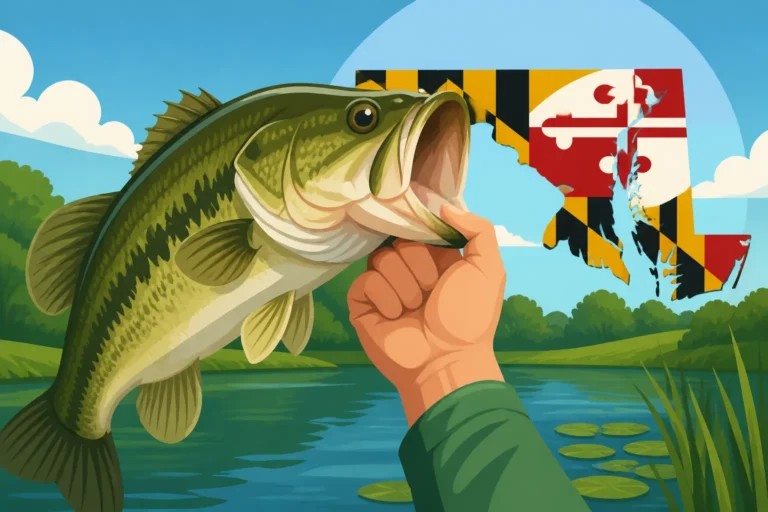
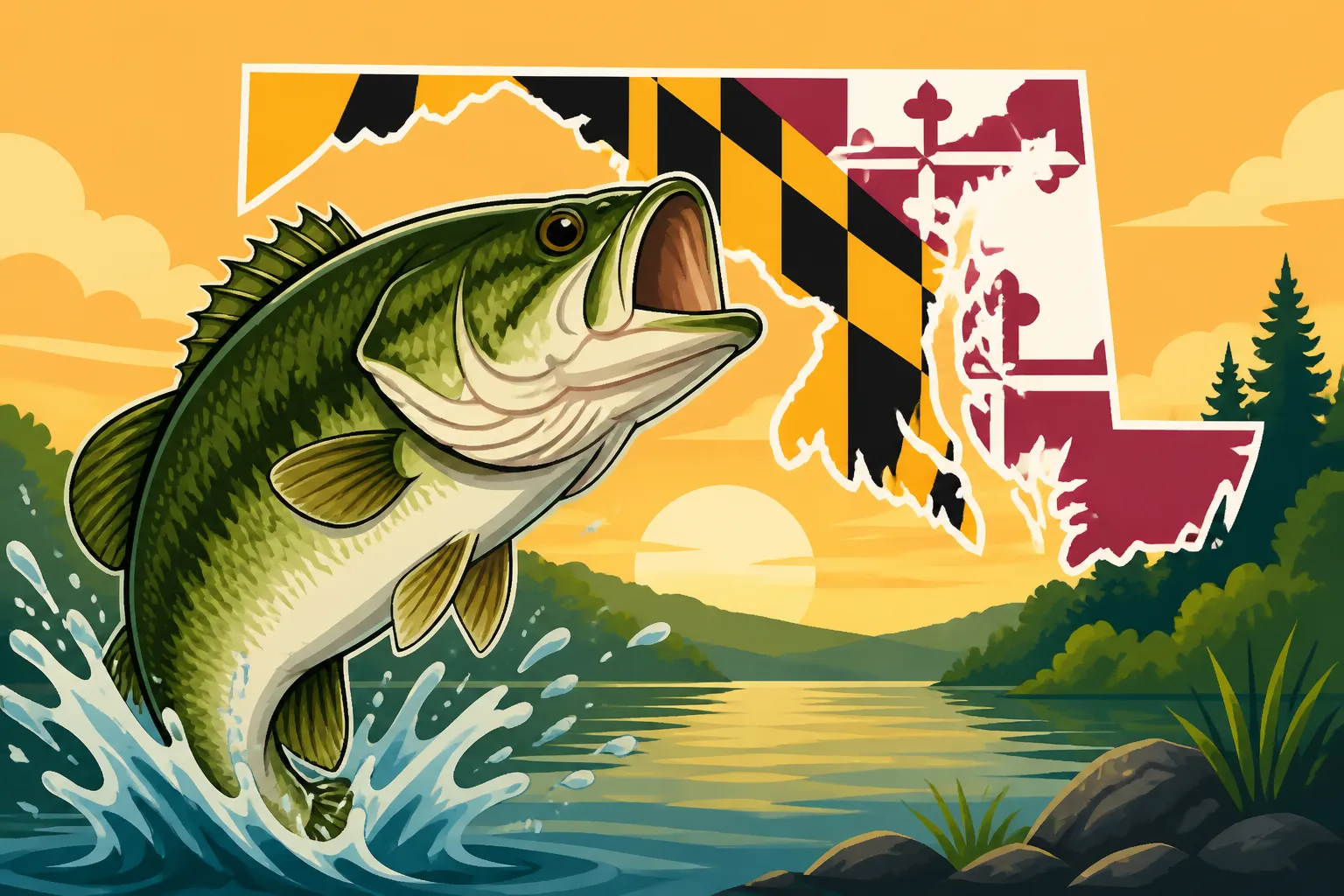
For many anglers in Maryland, the dream isn't just to catch a largemouth bass, it's to land a true trophy—the kind that makes your arms ache and your heart pound. It can be incredibly frustrating to spend hours on the water, only to pull in a stringer of smaller fish when you know those giants are out there somewhere. This guide is dedicated to helping you pinpoint the best lakes in Maryland where those elusive, monster largemouth bass lurk, and how to improve your chances of catching them.
Understanding What Makes a Trophy Bass Lake
Before we dive into specific locations, let's talk about what actually defines a prime trophy largemouth bass fishery. It's not just about size; it's about a combination of factors that allow bass to not only grow large but also to survive long enough to reach those impressive sizes. When you're looking at a body of water, whether it's on a map or from a boat, you're essentially looking for a bass's ideal home and pantry.
Key Habitat Features for Monster Largemouth
Trophy largemouth bass aren't just big because they're old; they're big because they live in an environment that allows for optimal growth. This means abundant structure and cover. Think about deep weed lines, submerged timber, rock piles, sudden drop-offs, and even man-made structures like bridge pilings or old roadbeds. These features provide ambush points for predatory bass, protection from predators themselves (especially when they're younger), and shelter from harsh weather conditions. A lake with diverse, complex habitat will invariably hold larger, healthier bass populations. For instance, a lake with extensive stands of hydrilla or milfoil might be a pain to navigate, but those thick mats are exactly where a 5-pound largemouth will spend its days waiting for an unsuspecting baitfish. Understanding What Do Largemouth Bass Eat in Maryland Lakes? can really help you narrow down where they might be hiding.
Furthermore, water depth and temperature stability play a crucial role. Trophy bass need areas where they can retreat to cooler, deeper water during the scorching summer months or warmer, stable depths during sudden cold snaps. Lakes with a good mix of shallow and deep water, particularly those with distinct thermoclines in summer, offer these critical thermal refuges. Shallow, featureless ponds, while they might hold plenty of smaller bass, typically don't have the sustained conditions needed to produce true giants year after year.
Forage and Water Quality: Fueling Growth
You can't have big bass without a robust food source. Trophy largemouth grow by eating, and they need a consistent supply of protein-rich forage. This includes a healthy population of baitfish like shad, golden shiners, and alewife, as well as crayfish, frogs, and even smaller panfish. Lakes that support these thriving forage bases are the ones where bass can truly pack on the pounds. Imagine a situation where the lake has an explosion of gizzard shad—the bass are going to feast and grow rapidly. If you're out there and you spot schools of baitfish flickering on your sonar, you're likely in a good area for hungry bass.
Beyond just food, water quality is paramount. Clear, oxygenated water free from excessive pollution is essential for a healthy aquatic ecosystem. Lakes with good water clarity allow bass to hunt effectively, while lakes with murky, low-oxygen conditions can stress fish and stunt their growth. A balanced pH, stable oxygen levels, and minimal algal blooms contribute to a thriving environment. Remember, even the best fishing spot can suffer if the underlying water quality isn't up to par. Regular testing by state agencies helps monitor this, but as an angler, paying attention to the overall health of the water you're fishing is always a good idea. Knowing What Water Temperature Do Bass Spawn at in Maryland? also speaks to overall lake health and productivity.
Top Contenders: Maryland's Premier Trophy Bass Lakes
Maryland offers a fantastic diversity of fishing opportunities, and while the Chesapeake Bay might steal the spotlight for striped bass, our freshwater lakes and reservoirs are quietly producing some truly impressive largemouth bass. These are the places where anglers consistently report not just good numbers, but significant quality.
Deep Creek Lake: Western Maryland's Gem
Nestled in the mountains of Western Maryland, Deep Creek Lake stands out as a top-tier destination for trophy largemouth bass. This sprawling 3,900-acre impoundment offers a unique combination of cold-water species and a thriving largemouth population. The lake features extensive rock piles, submerged timber, and varying depths that provide excellent habitat. Anglers targeting trophy largemouth often focus on the many coves and creek arms, especially those with good submerged vegetation. Early mornings and late evenings during the warmer months, or even slower presentations in deeper water during the colder seasons, can yield phenomenal results.
Deep Creek's clear waters mean stealth is often key, but it also allows for excellent sight fishing opportunities during certain times of the year. The diverse forage, including yellow perch and bluegill, keeps the bass well-fed and growing. Many local anglers swear by flipping jigs or throwing large swimbaits around the docks and structure. It's a lake where patience and a good understanding of bass behavior pay off, and it's not uncommon for anglers to pull out largemouth well over the 5-pound mark. If you're looking for a challenging but rewarding experience for Fishing Deep Creek Lake for Smallmouth Bass or even largemouth, this is your spot.
Eastern Shore Mill Ponds and Reservoirs
Don't let the "mill pond" name fool you; many of Maryland's Eastern Shore impoundments, though often smaller in acreage, are absolute largemouth factories, some producing fish of truly epic proportions. These older, fertile impoundments often feature abundant lily pads, cypress trees, and stained water, creating ideal ambush cover for big bass. Lakes like Unicorn Lake in Queen Anne's County or Urieville Lake in Kent County are well-known for their potential to kick out hogs. While they might not be as vast as Deep Creek, their rich ecosystems provide everything a bass needs to grow enormous.
Fishing these ponds often requires a different approach than large reservoirs. Think about punching heavy jigs through matted vegetation, slow-rolling spinnerbaits along weed edges, or working topwater frogs over lily pads at dawn and dusk. Due to their smaller size, these ponds can be pressured, so timing and presentation are crucial. They can get choked with vegetation, so having robust gear, like a heavy action rod and strong braided line (available on Amazon, by the way), is a must to pull those fish out of the thick stuff. The quiet, serene atmosphere of these ponds also offers a fantastic fishing experience, often away from the crowds of larger, more popular waterways.
Central Maryland's Loch Raven and Liberty Reservoirs
Closer to the population centers of Baltimore and Washington D.C., Loch Raven Reservoir and Liberty Reservoir offer exceptional largemouth bass fishing, including legitimate trophy potential. These impoundments are part of the Baltimore municipal water system, meaning certain restrictions apply (like horsepower limits and specific access points), but the payoff in terms of fish quality is immense. Both reservoirs are deep, clear, and offer a wide variety of structure from rocky points to submerged timber and extensive channel swings.
Loch Raven, with its myriad coves and islands, is particularly famous for its bass fishery. Anglers often find success working crankbaits and jigs along depth changes or targeting submerged brush piles. Its healthy population of forage fish, including alewife, contributes to the rapid growth of its bass. Liberty Reservoir, while sometimes overshadowed by Loch Raven, also boasts a fantastic population of large bass and is known for its clear water and deep-water fishing opportunities. You'll want a quality fish finder to locate those deeper structures where big bass often hold. Investing in a good sonar unit (check out options on Amazon) can drastically improve your success on these larger, deeper bodies of water. For those seeking Fishing Loch Raven Reservoir for Largemouth Bass, or Liberty, understanding the local regulations for boat access is key.
Strategies for Targeting Big Bass in Maryland
Catching trophy largemouth bass isn't just about showing up; it's about thoughtful strategy, adapting to conditions, and having the right gear. These fish are often older, wiser, and more cautious than their smaller counterparts. You have to think like a predator to catch a true monster.
Lure Selection and Presentation for Giants
When you're after trophy largemouth, "upsizing" your baits is often a smart move. Big bass want a big meal with minimal effort. While smaller baits catch fish, larger swimbaits, magnum crankbaits, and substantial jigs can often entice those hawgs that might ignore smaller offerings. For example, a 6-inch hollow body swimbait worked slowly along a deep weed line can imitate a struggling baitfish perfectly, triggering an aggressive strike from a large bass. Or, a 1-ounce jig flipped into dense cover can appeal to a bass looking for a crawfish meal.
Presentation is equally, if not more, important. Trophy bass are often hesitant. A slower, more deliberate retrieve can sometimes be the ticket. Let that jig sit on the bottom longer. Pause that swimbait mid-retrieve. Work that topwater frog through the absolute thickest mat you can find, giving it plenty of time to sit motionless before twitching it. Sometimes, it's about making your lure appear as an easy, irresistible meal. Don't be afraid to experiment with retrieve speeds and cadences. A lot of anglers find success with a variety of plastic worms, creature baits, and jigs. Having a diverse tackle box, perhaps stocked with some highly-rated options from Amazon, allows you to adapt to whatever the bass are biting on that day.
Seasonal Approaches for Trophy Opportunities
The time of year dramatically influences where and how you should target trophy largemouth in Maryland. Each season presents unique challenges and opportunities:
- Spring (Pre-spawn and Spawn): This is arguably the best time to catch the biggest bass of the year. As water temperatures rise (typically 55-65 degrees Fahrenheit), largemouth move into shallower waters to feed aggressively before spawning, and then to spawn. Target rocky points, coves, and shallow flats with jigs, spinnerbaits, and lipless crankbaits during the pre-spawn. During the actual spawn, focus on visible beds, using soft plastics or small jigs that mimic intruders. Do Largemouth Bass Spawn in the Spring in Maryland? provides more details on this critical period.
- Summer: Bass will move deeper to escape the heat and seek oxygenated water. Focus on deeper structure like submerged humps, ledges, and thermocline depths. Early mornings and late evenings can still produce in shallower water with topwater lures, but during the day, finesse techniques, drop-shot rigs, and deep-diving crankbaits become effective. Night fishing can also be incredibly productive in summer.
- Fall: As water temperatures cool, bass become very active, feeding heavily in preparation for winter. This "fall feeding frenzy" can be fantastic. They often follow baitfish into shallower coves and creek arms. Squarebill crankbaits, jerkbaits, and jigs can be deadly. Look for schooling baitfish on the surface or near creek mouths. This is a great time to cover water and find active fish.
- Winter: This is often overlooked, but large bass can be caught, especially in deeper, stable water. Fish slow and deep. Jigging spoons, blade baits, and slow-moving jigs or suspended jerkbaits are key. Targeting areas where bass can hold tight to structure in slightly warmer, deeper water is crucial. Patience is paramount, as bites can be very subtle.
Knowing these seasonal movements and adapting your techniques accordingly will give you the best shot at hooking into that Maryland largemouth of a lifetime.
| Lake Name | Typical Depth Range | Key Habitat Types | Primary Forage Species | Common Trophy Baits |
|---|---|---|---|---|
| Deep Creek Lake | 15-70 feet | Rock piles, submerged timber, weed lines | Yellow perch, bluegill | Jigs, swimbaits, crankbaits |
| Loch Raven Reservoir | 20-100+ feet | Ledges, humps, submerged timber, coves | Alewife, panfish | Jigs, deep crankbaits, soft plastics |
| Liberty Reservoir | 20-130+ feet | Deep structure, rocky points, channel swings | Alewife, panfish | Drop-shot, jigs, finesse worms |
| Eastern Shore Ponds | 5-15 feet | Lily pads, cypress trees, matted vegetation | Shad, sunfish, frogs | Frogs, punching jigs, spinnerbaits, soft plastics |
Maryland truly has some amazing opportunities for anglers looking to catch trophy largemouth bass. It's about doing your homework, understanding the specific characteristics of each body of water, and being persistent. That next big bite could be just around the corner!
Disclaimer
This article is for general informational purposes only and does not constitute professional advice. Laws, prices and regulations vary by location and change over time. Consult a qualified professional for guidance on your specific situation.