How Big Do Blue Catfish Get in Maryland Rivers?
It's no secret that blue catfish have made themselves quite at home in Maryland's rivers, and many anglers are left wondering just how colossal these opportunistic eaters can get. You've heard the whispers, seen the photos, and perhaps even felt the pull of a monster on your line, leaving you to ponder the true potential size of these freshwater giants in our local waters. This guide dives deep into the impressive growth of blue catfish across Maryland's river systems, exploring the factors that contribute to their massive size and what you can realistically expect to encounter when you cast a line.
The Impressive Potential Size of Maryland's Blue Catfish
When we talk about blue catfish in Maryland, we're not talking about your average pond dwellers. These fish have a reputation for growing to truly immense proportions, and our rivers provide them with an environment where they can thrive and reach sizes that might surprise even seasoned anglers. The fact is, blue catfish in Maryland's prime river systems can grow to be absolute beasts, far exceeding the size of many other freshwater species you'll find here.
Record-Breaking Catches and Average Giants
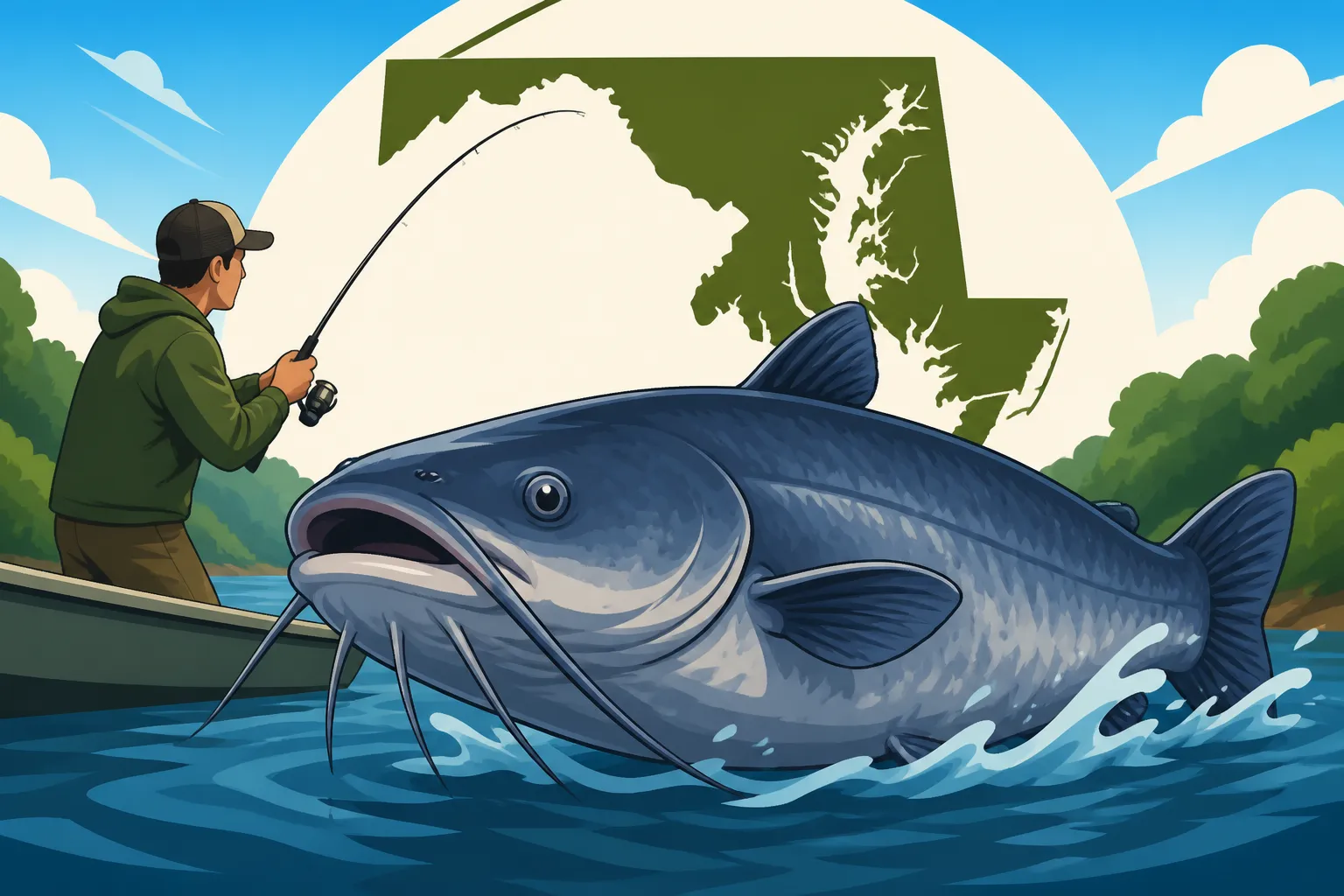
Let's get straight to the impressive numbers. While state records are always exciting, it's the consistent presence of large fish that really tells the story. Maryland has seen blue catfish pulled from its waters weighing well over the 80-pound mark, with the state record for a blue catfish consistently pushing toward, and often exceeding, 100 pounds. These aren't just one-off anomalies; anglers regularly report and document catches in the 40, 50, and even 60-pound range, especially from rivers like the Potomac and the Nanticoke.
Imagine reeling in something heavier than a cinder block, a fish that truly tests the limits of your tackle and your endurance. That's the reality of chasing blue catfish in Maryland. While the average catch might be closer to 10-20 pounds for a typical fishing trip, the potential for a genuine trophy fish is always there, lurking in the deeper channels and expansive flats. It's this possibility that keeps anglers coming back, time and time again. If you're curious about the truly monumental catches, you might want to look into Maryland's Largest Blue Catfish Ever Caught.
Why They Get So Big: An Invasive Advantage
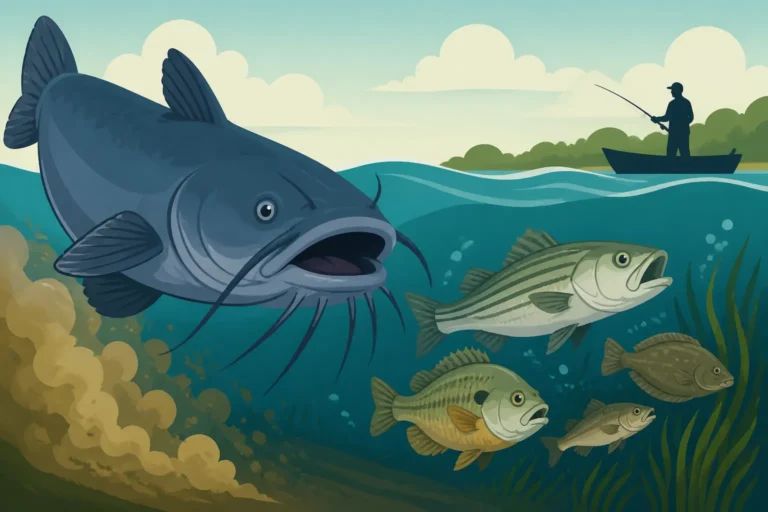
One of the primary reasons blue catfish achieve such remarkable sizes in Maryland rivers is their status as an invasive species. They aren't native to these waters, and without the natural predators and environmental checks present in their original habitats, they've been able to expand rapidly and grow largely unchecked. This abundance means less competition for food among their own kind, and a vast, untouched buffet of native species for them to consume.
Maryland's river systems, particularly the tidal portions of the Chesapeake Bay tributaries, offer an incredible amount of forage. From a diverse array of baitfish like shad and menhaden to crabs and other invertebrates, blue catfish have a seemingly endless supply of high-protein food. This rich diet, combined with a lack of predation pressure and favorable water conditions, creates the perfect storm for rapid growth and monumental size. Understanding Why Blue Catfish Are Considered Invasive in Maryland really sheds light on their unchecked proliferation and growth. They are truly efficient eating machines in an ecosystem that wasn't prepared for them.
Factors Influencing Blue Catfish Growth in Maryland
While the general potential for large blue catfish is high, not every blue cat will reach trophy size. Several factors play a significant role in how large an individual fish will ultimately grow within Maryland's diverse waterways. These factors include the specific river system, the availability of food, water quality, and even fishing pressure.
The Role of Specific River Systems
Certain Maryland rivers are simply more conducive to growing giant blue catfish than others. The Potomac River, for instance, is renowned for its immense blue cat population and the sheer size of the fish it produces. Its vast tidal stretches, numerous deep channels, and abundance of food make it a prime habitat. Anglers regularly target the Potomac for these big fish, and it rarely disappoints. Similarly, rivers like the Choptank, Nanticoke, and Patuxent on the Eastern and Western Shores of the Chesapeake Bay also host thriving populations of very large blue catfish.
Conversely, while blue catfish might be present in smaller tributaries or certain nontidal sections, they might not reach the same gargantuan sizes as their cousins in the major tidal rivers. Smaller, shallower systems might not offer the same food resources or deep-water refuges necessary for the oldest, largest fish to survive and thrive. When you're thinking about where to target these giants, bigger tidal rivers are generally your best bet. If you're new to specific locations, checking out Fishing the Potomac for Blue Catfish or Fishing the Nanticoke River for Catfish can give you a head start.
Food Abundance and Water Quality
As discussed, food is king when it comes to growth, and blue catfish are not picky eaters. They are opportunistic predators and scavengers, consuming everything from smaller fish and crustaceans to detritus and carrion. The sheer abundance of protein-rich food in the Chesapeake Bay and its tributaries fuels their rapid growth. When a river system has a robust population of shad, herring, or even invasive species like snakeheads, blue catfish benefit immensely.
| River System | Typical Food Sources | Potential Max Size (Estimated) | Notable for |
|---|---|---|---|
| Potomac River | Shad, Menhaden, Blue Crab, Gizzard Shad, Invasive Snakehead | 80-100+ lbs | State record holder potential, high population density |
| Nanticoke River | Yellow Perch, Alewife, Blue Crab, White Perch | 60-80 lbs | Eastern Shore hotspot, consistent large fish |
| Choptank River | White Perch, Spot, Croaker, Alewife | 50-70 lbs | Good numbers of large fish, accessible |
| Patuxent River | Gizzard Shad, White Perch, Blue Crab | 50-70 lbs | Healthy population, growing sizes |
| Susquehanna River (Lower) | Alewife, Gizzard Shad, Smallmouth Bass | 40-60 lbs | Excellent for numbers, potential for big ones below dam |
Note: These are estimated potential maximum sizes; actual catches vary widely and depend on numerous factors.
Water quality also plays a subtle but critical role. Rivers with healthier ecosystems, which might seem counterintuitive for an invasive species, often provide a more stable and productive food web, indirectly benefiting the blue catfish. Stable oxygen levels, moderate temperatures, and a rich benthic community (bottom-dwelling organisms) contribute to the overall health of the fishery, and thus the growth potential of all species, including the blue cats. They're incredibly resilient, which is part of what makes them such effective invaders, but even they benefit from a thriving environment.
Age and Growth Rate
Blue catfish are relatively long-lived fish, and their growth rates can be quite impressive, especially in their younger years. They reach maturity quickly and continue to grow steadily throughout their lives, albeit at a slower pace in later years. A 10-year-old blue catfish in a prime Maryland river could easily be a 40-pound fish, and the oldest, largest specimens could be pushing 20 years or more. This long lifespan, combined with their fast initial growth, allows them ample time to reach truly massive sizes.
The Maryland Department of Natural Resources (DNR) has actively encouraged anglers to harvest blue catfish due to their invasive nature. This means there's less fishing pressure aimed at specific size classes for catch-and-release, unlike native species with strict slot limits. This general push for harvest might impact the average size over time if enough large fish are removed, but currently, the sheer numbers and growth potential ensure plenty of big ones are still out there. When you're out there chasing these giants, having the right gear is key. Strong rods, reels, and heavy-duty line can make all the difference. You can find robust tackle suitable for these big cats on platforms like Amazon, which offers a wide selection of proven gear for heavy freshwater fishing.
What to Expect When Targeting Big Blue Catfish
So, you're ready to tackle one of Maryland's monster blue catfish? Fantastic! It's an exciting and often rewarding challenge. However, it requires a bit of preparation and understanding of what these powerful fish demand from your tackle and technique.
Gear Up for the Fight
Catching a 50-pound fish is not like catching a 5-pound bass. You need robust equipment that can handle immense strain. Forget your light spinning rod; you'll want a medium-heavy to heavy action rod, preferably 7-9 feet long, paired with a sturdy baitcasting reel or a large spinning reel capable of holding several hundred yards of heavy mono or braided line. Many seasoned anglers opt for 30-50 pound test monofilament or 50-80 pound test braided line to stand a chance against these powerhouses.
Terminal tackle should also be heavy-duty. Look for strong, sharp circle hooks in sizes 5/0 to 10/0, depending on your bait size. Carolina rigs with heavy sinkers (2-8 ounces or more, depending on current) are popular for keeping your bait on the bottom where blue cats feed. It's also wise to have a good pair of pliers for hook removal, a sturdy net large enough to scoop a giant, and perhaps even a fish gripper. Ensuring you have high-quality components for your rigs, easily accessible from retailers like Amazon, can save you from lost fish and broken lines. Don't skimp on your leader material either; a heavy fluorocarbon or monofilament leader can prevent break-offs from abrasive mouths and sharp gill plates.
Best Baits and Techniques
Blue catfish are primarily bottom feeders, so presenting your bait on the riverbed is crucial. Cut bait is king. Fresh oily fish like gizzard shad, menhaden, carp, or even small bluegill are incredibly effective. Chicken liver, shrimp, and chunks of steak or hot dogs can also work in a pinch. The stinkier, the better! Some anglers even use commercially prepared catfish baits.
Technique-wise, still-fishing from an anchored boat or from shore in areas with deep channels, submerged structure (like old bridge pilings or fallen trees), or near river bends is highly effective. Look for areas where current breaks provide a resting spot for fish, or where deep holes offer refuge. Drifting cut bait along the bottom, especially in the Potomac, can also be very productive. If you're looking for more detailed strategies, guides like Best Bait for Blue Catfish in Maryland Rivers and Techniques for Catching Blue Catfish in the Potomac River offer valuable insights. Remember, these are not subtle bites; a large blue cat often hits hard and runs strong, so be ready to hold on! Finding the right bait can sometimes be a challenge, but you'd be surprised at the options available online, with various natural and prepared baits available through marketplaces like Amazon, delivered right to your door.
Handling Your Catch Responsibly
While blue catfish are an invasive species and harvest is encouraged, ethical angling practices still apply. If you plan to keep a fish, understand the local regulations (though often there are no limits on blue catfish due to their invasive status, it's always good to confirm). If you're releasing a large fish, handle it with care. Use wet hands or a wet towel if you must touch the fish, and support its full body weight, especially with larger specimens. Avoid dragging them on rough surfaces. Get your photos quickly and release them gently back into the water. For smaller blue catfish, which are excellent table fare, consider bringing a cooler with ice.
Maryland's blue catfish present a unique angling opportunity: a chance to catch truly massive fish while simultaneously helping the ecosystem by removing an invasive species. So go ahead, rig up heavy, find those deep holes, and prepare for a battle that could result in the fish of a lifetime!
Disclaimer
This article is for general informational purposes only and does not constitute professional advice. Laws, prices and regulations vary by location and change over time. Consult a qualified professional for guidance on your specific situation.