Red Drum Along Maryland’s Coast
For anglers venturing to Maryland's beautiful coastline, one common frustration is knowing which species are biting when, and how to specifically target those elusive fish. When it comes to powerful, hard-fighting gamefish, the red drum stands out, offering a thrilling challenge to anyone casting a line. This comprehensive guide will illuminate everything you need to know about pursuing red drum along Maryland's coast, from identifying them and understanding their habits to mastering the best techniques, adhering to regulations, and contributing to their conservation.
Red Drum Unveiled: Understanding This Coastal Powerhouse in Maryland
The red drum, often called "redfish" or "channel bass," is a true icon of the Mid-Atlantic coast, and while their presence in Maryland isn't as year-round as it might be further south, they offer an exciting seasonal opportunity. Understanding this fish's biology and behavior is your first step to a successful outing.
The Distinctive Look and Lifecycle of Red Drum
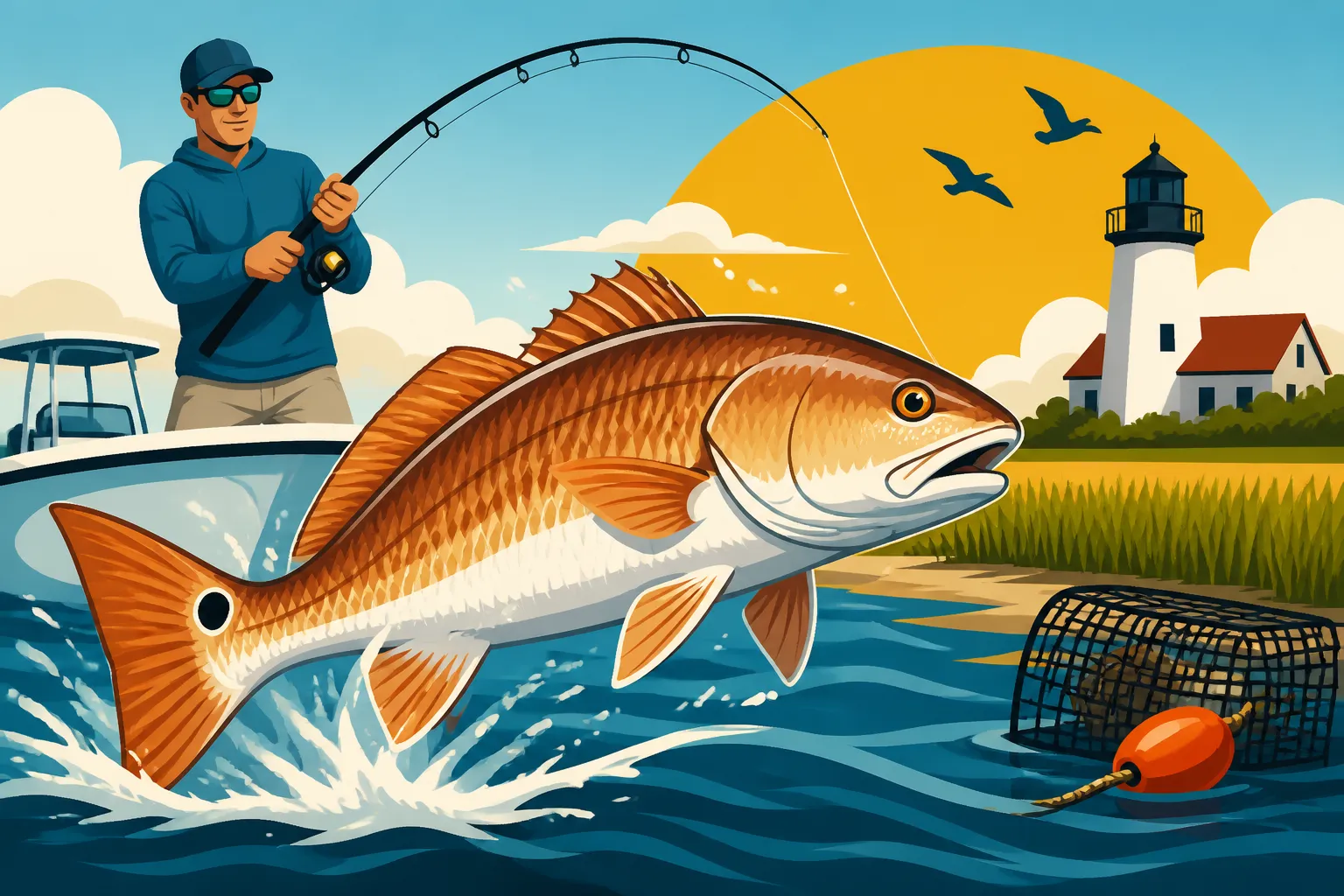
Red drum are easily recognizable by their coppery red coloration, which can range from a deep bronze to a vibrant rust, often fading to white on their belly. Their most distinguishing feature, however, is the prominent, often single, black spot (or sometimes multiple spots) located at the base of their tail fin. These spots are thought to confuse predators, acting as a false eye. They possess a long, somewhat compressed body with a high, rounded back and a distinctively downturned mouth, perfect for rooting around on the bottom for food.
In terms of lifecycle, red drum can grow quite large and live for many years. Smaller "puppy drum" are often found in the shallower back bays and estuaries, while the larger, mature "bull reds" typically frequent deeper coastal waters and offshore structures. They spawn in coastal waters, often near inlets and passes, with females releasing millions of eggs. The larvae and juvenile fish then migrate into the protected estuarine nursery habitats, growing quickly before moving out to the deeper coastal waters as they mature. Their size and fighting prowess make them a highly sought-after gamefish.
Why Red Drum Choose Maryland's Coastal Waters
While Maryland isn't the primary residence for red drum, our coastal waters, particularly around Ocean City and Assateague Island, serve as important feeding grounds and migratory pathways during certain times of the year. Red drum are temperature-sensitive, preferring warmer waters. As the ocean temperatures rise in late spring and through the summer and early fall, these fish push northward from their more southern haunts. Our rich estuaries and nearshore ocean environments provide an abundance of forage, such as crabs, shrimp, and baitfish, which are crucial for their feeding migrations.
The unique geological features of Maryland's coast, including the barrier island system of Assateague, the extensive back bay systems, and the dynamic nearshore ocean currents, create a diverse habitat that attracts red drum. These areas offer both shallow, protected foraging zones for smaller fish and deeper, more turbulent waters for larger individuals. It's truly a seasonal feast for them, and for us, a seasonal opportunity to connect with these magnificent creatures.
Dietary Habits of Red Drum in Our Local Ecosystem
Red drum are opportunistic feeders, meaning they'll eat just about anything they can get their mouths on, but they do have preferences that are important for anglers to understand. In Maryland's coastal waters, their diet primarily consists of crustaceans like blue crabs and fiddler crabs, as well as various shrimp species. They also readily consume a variety of baitfish, including mullet, spot, croaker, and bunker (menhaden).
Their downward-pointing mouths are perfectly adapted for rooting along the bottom in sandy or muddy substrates, making them highly effective bottom feeders. You'll often find them cruising shallow flats with their tails breaking the surface as they dig for crabs, a behavior known as "tailing." However, they won't shy away from ambushing baitfish in the water column or near structure. Understanding their diet helps us select the most effective baits and lures, mimicking what they naturally consume in our local waters.
Prime Red Drum Territory: Where to Cast Your Line Along Maryland's Coast
Finding red drum requires knowing their preferred hangouts. Along Maryland's coast, your best bets will be in areas that offer good forage, protective structure, and are accessible during their migratory periods. We're talking about the dynamic zone where the land meets the ocean and the intricate back bay systems.
Surf Fishing Hotspots and Beach Access Points
When most people think of targeting red drum in Maryland, surf fishing immediately comes to mind, especially along Assateague Island. This barrier island offers miles of pristine, uncrowded beaches, making it an ideal location for casting into the ocean's rolling waves. Access points, both pedestrian and those requiring an Over Sand Vehicle (OSV) permit, provide ample opportunity. Places like the Maryland portion of Assateague Island National Seashore are renowned. For detailed information, check out guides like Surf Fishing at Assateague Island National Seashore.
The key to successful surf fishing for red drum lies in identifying structure on the beach, such as sandbars, sloughs (gutters), and cuts. These features concentrate baitfish and crabs, creating natural feeding lanes for red drum. Anglers will typically cast beyond the first sandbar, into the deeper water of the slough, or target the edges of cuts where water flows in and out with the tide. Having a good pair of polarized sunglasses and knowing How to Read a Sandbar for Surf Fishing can significantly increase your success rate. Ocean City's public beaches, while busier, can also hold red drum, particularly in less-frequented areas or during off-peak hours.
Back Bay Nurseries and Estuarine Inlets
While the "bull reds" often grab headlines in the surf, the shallower back bays and estuarine inlets around Ocean City and Assateague are crucial nurseries for younger red drum, often called "puppy drum." These protected waters offer abundant food and shelter from larger predators. Areas like Sinepuxent Bay and Isle of Wight Bay, with their extensive marsh grass and muddy bottoms, are prime habitat. The channels and drop-offs within these bays, as well as the mouths of creeks and tidal guts, can hold good numbers of smaller reds.
Fishing these back bays often requires a different approach than surf fishing. Kayaks, small boats, or even wading can put you in prime position. Look for grass flats, oyster beds, and channel edges. The Ocean City Inlet, with its strong currents and rich food source, is another fantastic spot where red drum of all sizes can be found, particularly on incoming or outgoing tides. Fishing from the jetties or even the shore within the inlet can yield impressive results, so checking out Fishing Ocean City's Inlet and Jetties is a smart move. These areas provide excellent opportunities to catch drum, often in a more relaxed setting than the open ocean.
Nearshore Structures and Artificial Reefs
Beyond the immediate surf, nearshore structures and artificial reefs also attract red drum, especially the larger, more migratory fish. These can include natural rocky bottoms, wrecks, bridge pilings, and dedicated artificial reef sites. These structures create ambush points and attract baitfish, making them magnets for predatory species like red drum.
Boaters can explore these nearshore areas, often within a few miles of the coastline. The structure provides cover and a concentrated food source. While specific coordinates for private wrecks are often closely guarded, public artificial reef sites are generally well-documented and provide excellent habitat for a variety of species, including red drum. Fishing around the edges of these structures, where currents bring in food, can be incredibly productive. These spots can also attract other popular Maryland gamefish, such as black sea bass and tautog, offering a diverse fishing experience.
| Location Type | Primary Target Size | Best Approach | Key Features to Look For | Typical Bait/Lure |
|---|---|---|---|---|
| Ocean Surf (Assateague) | Medium to Large (Bull) | Surf Casting | Sandbars, sloughs, cuts, migratory paths | Cut Bait, Large Lures |
| Back Bays (Sinepuxent) | Small to Medium (Puppy) | Wading, Kayak, Small Boat | Grass flats, oyster beds, shallow channels, creek mouths | Live Shrimp/Crabs, Soft Plastics |
| Ocean City Inlet | Small to Large | Jetty Fishing, Boat | Strong currents, jetties, channel edges | Live Spot, Cut Bait, Jigs |
| Nearshore Reefs/Wrecks | Medium to Large | Boat (Anchored or Drifting) | Hard structure, baitfish schools, current breaks | Live Spot, Cut Bait, Large Jigs |
Timing is Everything: When to Pursue Maryland's Red Drum
Just like a good meal, the best red drum fishing isn't just about where you go, but when you go. Understanding their seasonal patterns, how tides affect their feeding, and even what weather they prefer can drastically improve your chances of success.
Seasonal Migration Patterns and Peak Times
Red drum are seasonal visitors to Maryland's coast, making their appearance as water temperatures warm and retreating south as they cool. Generally, the best time to target red drum in Maryland is from late spring through early fall.
- Spring (Late May – June): This is often when the first "puppy drum" start showing up in the back bays as they move in from warmer southern waters. Larger fish might start to appear in the surf later in this window. Water temperatures crossing the 65-degree Fahrenheit mark are often a good sign.
- Summer (July – August): Red drum are consistently present during the warmer summer months. Puppy drum are abundant in the bays, and the larger fish are actively feeding in the surf. This can be a prime time for consistent action, though high heat and crowded beaches might be a factor.
- Fall (September – October): This is arguably the absolute peak season for larger red drum along Maryland's coast. As water temperatures begin to drop, but before they get too cold, red drum often feed aggressively to build up reserves for their southern migration. The "fall run" can offer incredible opportunities for trophy-sized fish in the surf. This is generally considered Best Time of Year for Red Drum Near Assateague. As late October or early November approaches, they typically move out of our waters.
Tidal Influences and Optimal Fishing Windows
For red drum, especially those feeding in the surf, inlets, and back bays, the tide is a critical factor. They are highly influenced by water movement, which dictates where their food is concentrated and where they feel most comfortable feeding.
- Moving Water is Key: Whether it's an incoming tide bringing fresh bait into the bays and along the surfline, or an outgoing tide flushing bait out of estuaries, moving water is almost always better than slack tide. The currents created by the tides dislodge crabs, shrimp, and baitfish, making them easy targets for hungry drum.
- Incoming Tide: Often a favorite for surf anglers, an incoming tide pushes bait closer to shore and into the sloughs, making red drum more accessible. The rising water allows them to move into shallower feeding areas with a sense of security.
- Outgoing Tide: In the back bays and inlets, an outgoing tide can be particularly productive as it flushes bait from the marshes and creeks into deeper channels. Red drum will stage at these choke points, waiting for an easy meal to come to them.
- High Tide: Often preferred for surf fishing, as the higher water allows fish to feed closer to the beach, sometimes right at your feet.
Monitoring local tide charts is absolutely essential for planning your red drum trip. Aim to be on the water at least an hour or two before the peak of the tide (high or low, depending on location) and fish through the peak and a couple of hours after.
Weather Conditions That Favor Red Drum Activity
While you can catch red drum in all sorts of weather, certain conditions can make them more active and easier to target.
- Post-Storm Activity: After a good storm, especially one that stirs up the surf, red drum often go on a feeding frenzy. The rough water dislodges bait from the bottom and creates a natural chum line. Exercise caution, of course, but fishing the cleaner side of a storm's aftermath can be very rewarding.
- Cloudy Days & Low Light: Red drum are often more comfortable and active in lower light conditions, such as cloudy days, dawn, dusk, or even at night. The reduced light gives them a predatory advantage and makes them less wary. Night fishing for red drum in the surf is a popular and often productive technique, especially for larger fish. A good headlamp, easily found on Amazon, is essential for safety and rigging in the dark.
- Warm, Stable Weather: While post-storm can be good, prolonged periods of stable, warm weather, particularly during the peak summer and fall months, keep the water temperatures ideal and the fish in a consistent feeding pattern. Sudden cold snaps, however, can send them retreating south. Always keep an eye on the forecast and water temperature reports when planning your trip.
Gear Up for Success: Techniques and Tackle for Maryland Red Drum
You can't catch a fish you can't reach, or one that breaks your line. Having the right gear and knowing how to use it are paramount when chasing red drum, especially those powerful bulls in the surf.
Essential Rods, Reels, and Line for Surf Casting
For surf fishing, which is a prime method for Maryland red drum, you'll need specialized tackle that can handle long casts and strong fish.
- Rods: Look for heavy-duty surf rods, typically between 10 to 12 feet in length, with a medium-heavy to heavy power and a fast action. This length allows you to cast heavy weights (3-8 ounces) and large baits a significant distance, getting your offering out past the breaking waves and into the feeding zones. A two-piece rod is generally easier to transport. You can find a wide selection of quality surf rods on Amazon, often with helpful customer reviews.
- Reels: A sturdy, corrosion-resistant spinning reel or a conventional (baitcasting) reel, sized for saltwater, is essential. For spinning reels, look for sizes in the 6000-8000 range, capable of holding several hundred yards of line. Conventional reels, favored by experienced surf anglers for their casting distance and power, require a bit more skill to prevent backlashes. Ensure your reel has a smooth, powerful drag system, as these fish will make strong runs.
- Line: Braided line is highly recommended for its strength-to-diameter ratio and lack of stretch, which aids in casting distance and sensitivity. A main line of 30-50 lb test braid is common. Always use a monofilament or fluorocarbon leader (50-80 lb test, 3-5 feet long) attached to your main line with a strong knot (like an FG knot or an Albright knot). This leader provides abrasion resistance against sharp shells and teeth, and offers a bit of stretch for shock absorption.
Go-To Baits and Artificial Lures for Different Scenarios
Red drum are not overly picky, but certain baits and lures consistently outperform others, depending on where and when you're fishing.
- Natural Baits (Surf & Inlets):
- Cut Bait: Fresh cut bait is often king in the surf. Chunks of fresh mullet, spot, croaker, bunker (menhaden), or even small bluefish are highly effective. The scent trail they emit is irresistible to drum. Hook them on a fish finder rig or a modified Hatteras-style rig. Best Bait for Surf Fishing at Assateague Island emphasizes the effectiveness of cut bait.
- Crabs: Peeler crabs (shedding crabs) or chunks of fresh blue crab are absolute candy for red drum. They're a natural food source and work particularly well in the bays and inlets.
- Shrimp: Large, fresh shrimp, either whole or cut, are excellent for puppy drum in the back bays or for smaller reds in the surf. They are readily available and easy to rig.
- Artificial Lures (Bays & Nearshore):
- Soft Plastics: Scented soft plastics, mimicking shrimp, crabs, or baitfish, fished on jig heads (1/4 to 1/2 ounce) are incredibly effective for puppy drum in the back bays. Colors like "rootbeer," "chartreuse," and "white" are perennial favorites.
- Spoons: Casting spoons, particularly gold or silver weedless spoons, can be deadly when red drum are chasing baitfish in shallow water.
- Topwater Lures: During low light conditions or when red drum are actively feeding on the surface, topwater walkers or poppers can provide explosive strikes, especially in the calmer waters of the bays or near inlets.
- Jigs: Bucktail jigs or soft plastic swimbaits on heavier jig heads can be worked along channel edges or near structure in inlets and nearshore areas for larger fish.
Always carry a variety of options, as what works one day might not work the next. It's like having a well-stocked pantry for fishing, and you can stock up on many of these essential baits and lures through Amazon.
Mastering the Cast and Retrieve for Coastal Red Drum
Successfully landing a red drum involves more than just having the right gear; it's about technique.
- The Power Cast (Surf): For surf fishing, learning a proper distance casting technique, like the "pendulum cast" or a "sidearm power cast," is crucial. This maximizes your range and gets your bait into the strike zone. Practice in an open field to build muscle memory before hitting the beach.
- Reading the Water: This is perhaps the most important skill. Look for areas where waves break differently, indicating sandbars. Identify deeper channels (sloughs) between sandbars where fish can travel. Look for signs of baitfish, diving birds, or even "tailing" red drum in the shallows. The ability to read the water can put you on fish when others are struggling.
- Rigging for the Surf: A common and effective setup is the "fish finder rig." This consists of your leader, a swivel, and a sinker slide with a pyramid or Sputnik sinker (designed to hold bottom in current) that can slide freely on your main line above the swivel. This allows the fish to pick up the bait without feeling the weight of the sinker. A 6/0 to 9/0 circle hook is commonly used with cut bait; circle hooks are fantastic for reducing gut-hooking and are often mandatory in many fisheries.
- Retrieve (Lures): When using artificials in the bays, vary your retrieve speed and incorporate pauses and twitches. Red drum often strike on the pause. In the surf, if using lures, a slow, steady retrieve with occasional twitches can imitate a wounded baitfish.
Regardless of your chosen method, pay attention to the subtle cues. A tap, a slight pull, or a sudden slackening of the line can all indicate a bite. Always be ready to set the hook, or let the circle hook do its job, and prepare for a powerful fight! For more specific guidance on Techniques for Red Drum at Assateague, dive into that post.
Navigating the Rules: Maryland Red Drum Regulations
Fishing is a privilege, and respecting the regulations is paramount to ensuring healthy fish populations for future generations. Maryland has specific rules for red drum that every angler must follow. Always remember, regulations can change, so it's vital to check the Maryland Department of Natural Resources (DNR) website for the most current information before heading out.
Understanding Size and Creel Limits
Maryland, like other states along the East Coast, implements strict size and creel (bag) limits for red drum to manage the fishery and protect breeding stock.
- Size Limits: Typically, red drum in Maryland have a slot limit, meaning you can only keep fish within a certain minimum and maximum length range. For example, a common slot limit might be 18 to 27 inches. Fish shorter than the minimum or longer than the maximum must be immediately released. This protects both the young, immature fish and the large, mature breeding stock (the "bull reds") that are crucial for reproduction. Always measure your fish carefully from the tip of the nose to the tip of the tail, taking care not to pinch the tail.
- Creel Limits: This refers to the maximum number of fish of a particular species an individual angler can keep per day. For red drum, it's often a limit of one fish per person per day within the slot limit. These limits are in place to prevent overfishing and ensure that there are enough fish remaining in the population to reproduce. It's crucial to know the precise limits before you fish. For general guidance on all species, consult Maryland Fishing Size and Catch Limits by Species.
Failing to adhere to these regulations can result in significant fines and penalties, so ignorance is truly no excuse. Always check the official DNR guide or website for the most up-to-date information.
Ethical Angling and Catch-and-Release Practices
Given the conservation efforts surrounding red drum, ethical angling practices are incredibly important, especially if you're targeting larger fish or practicing catch and release.
- Minimize Fight Time: While red drum are powerful fighters, try to land the fish as quickly as possible to reduce stress. Prolonged fights can exhaust a fish, making it less likely to survive after release.
- Proper Handling: If you plan to release a fish, handle it minimally and gently.
- Keep it Wet: Avoid taking the fish out of the water unless absolutely necessary for a quick photo.
- Support its Body: If you must lift it, support its entire body horizontally, especially heavier fish, to avoid damaging internal organs or the spine. Never hold a large fish by just the jaw or gills.
- Use Wet Hands: If you need to touch the fish, wet your hands first to protect its slime coat, which is vital for its immune system.
- De-hook Quickly: Use needle-nose pliers or a de-hooking tool to remove the hook quickly. If the fish is deeply hooked, cut the line as close to the hook as possible. Circle hooks, as mentioned, greatly reduce deep hooking.
- Revive If Necessary: If a fish appears lethargic, hold it upright in the water, facing into a gentle current, and move it gently back and forth until it regains its strength and can swim away on its own.
- Avoid Over-Targeting Spawning Aggregations: While not as prevalent in Maryland, if you encounter large concentrations of spawning fish, consider moving on to reduce pressure on these vulnerable populations.
Practicing responsible catch and release ensures that these magnificent fish can continue to thrive and reproduce. It's a key part of being a good steward of our natural resources.
Reporting Your Catch and Contributing to Conservation
While Maryland doesn't typically require individual anglers to report every single red drum catch, your participation in broader reporting efforts, or even just being informed about them, contributes significantly to conservation.
- Saltwater Angler Registration: If you're fishing in Maryland's coastal waters, you are generally required to register with the Maryland Saltwater Angler Registration program, even if you don't intend to keep any fish. This registration helps Maryland DNR gather data on fishing effort and participation, which is vital for managing the fishery. Check Maryland Saltwater Angler Registration Requirements for details.
- Citizen Science: Programs exist where anglers can volunteer to report their catches (kept or released). This data is invaluable to fisheries biologists who monitor fish populations. While not mandatory, participating in such programs is a fantastic way to give back to the resource.
- Staying Informed: The best way to contribute is to stay informed about Maryland's fishing regulations and any proposed changes. Agencies like the DNR rely on public input and scientific data to make management decisions. By understanding the challenges facing species like red drum, you can become an advocate for their protection. Organizations such as the Coastal Conservation Association (CCA) often work to protect and enhance coastal fisheries, and supporting them is another way to contribute.
Every angler who respects the rules and practices responsible fishing plays a part in ensuring that red drum will be a thrilling catch for generations to come.
Preserving the Future: Red Drum Conservation in Maryland
The presence of red drum along Maryland's coast is a testament to the health of our marine ecosystems and the success of conservation efforts across their range. However, ongoing vigilance and proactive measures are always necessary to ensure their continued abundance.
Current Conservation Challenges and Initiatives
Red drum face several challenges throughout their lifecycle and migratory patterns. Understanding these helps appreciate the importance of conservation.
- Habitat Loss and Degradation: Estuarine habitats, which serve as crucial nursery grounds for juvenile red drum, are constantly threatened by coastal development, pollution, and climate change. Loss of marsh grass, oyster beds, and clean water directly impacts the survival rates of young fish.
- Fishing Pressure: While regulations help, the popularity of red drum as a gamefish means there's always significant fishing pressure. It's a delicate balance to allow recreational opportunities while ensuring the population remains sustainable. Maryland, along with other Atlantic states, participates in regional fisheries management councils that implement coast-wide regulations to manage species like red drum. These efforts aim to unify rules across state lines to protect migratory fish more effectively.
- Environmental Factors: Changes in ocean currents, water temperature, and prey availability due to climate shifts can also impact red drum populations and their migratory patterns. Algal blooms and hypoxia (low oxygen) events in coastal waters, sometimes exacerbated by nutrient runoff, can also negatively affect fish health and survival.
Maryland DNR actively monitors fish populations, conducts research, and collaborates with federal and interstate agencies to develop and implement management plans for species like red drum. These initiatives often involve stock assessments, habitat restoration projects, and public education campaigns.
How Anglers Can Support Healthy Red Drum Populations
As anglers, we are often the first line of defense for the fish we love to catch. Our actions on and off the water have a direct impact on the future of red drum fishing in Maryland.
- Adhere to Regulations Diligently: This cannot be stressed enough. Follow all size, creel, and seasonal limits precisely. If there's any doubt about a fish's size, release it. If you've met your bag limit, switch to catch-and-release fishing or target other species. Respecting the rules is the single most important thing you can do.
- Practice Responsible Catch and Release: As detailed earlier, proper handling techniques significantly increase the survival rate of released fish. This is especially crucial for the large "bull reds" and any fish caught outside the slot limit. Each fish released successfully is a potential future breeder or a future catch for another angler.
- Minimize Your Environmental Footprint:
- Dispose of Trash Properly: Never leave monofilament, lures, or any other trash on the beach or in the water. Fishing line is particularly harmful to marine wildlife.
- Use Lead-Free Sinkers: Consider using lead-free alternatives for sinkers, as lead can be toxic to wildlife.
- Prevent Pollution: Be mindful of fuel spills or other pollutants if you're using a boat.
- Educate Others: Share your knowledge of responsible fishing practices and regulations with fellow anglers, especially those new to the sport. A friendly conversation can go a long way in promoting good stewardship.
- Support Conservation Organizations: Consider joining or supporting groups dedicated to marine conservation and fisheries management, such as the Coastal Conservation Association (CCA) or local conservation trusts. These organizations often lobby for sound fisheries management policies and fund habitat restoration projects.
- Report Violations: If you witness blatant poaching or violations of fishing regulations, report it to the Maryland DNR. This helps protect the resource from those who don't respect the rules. The Maryland Fisheries Complaint and Poaching Hotline is an important resource.
By being informed, responsible, and engaged, Maryland anglers can continue to enjoy the thrill of catching red drum while actively contributing to the health and sustainability of this incredible fishery for years to come.
Disclaimer
This article is for general informational purposes only and does not constitute professional advice. Laws, prices and regulations vary by location and change over time. Consult a qualified professional for guidance on your specific situation.