White Perch Spawning Runs in Maryland Rivers
There's nothing quite like the thrill of feeling that tell-tale twitch on your line, knowing you've hooked into a feisty white perch during their annual spawning run in Maryland's rivers. Yet, for many anglers, figuring out when and where these runs truly kick off, and how to effectively target them without disrupting this vital natural event, can feel like trying to solve a slippery puzzle. This guide is here to untangle that mystery, giving you the insider knowledge to successfully participate in the incredible white perch spawning runs throughout Maryland's diverse waterways.
Understanding the White Perch Spawning Phenomenon in Maryland
White perch, often affectionately called "Chesapeake Bay panfish," are a beloved target for Maryland anglers. Their annual spawning migration is a truly remarkable event, signaling the transition from winter's chill to the vibrant activity of spring. It's a time when these usually dispersed fish congregate in massive numbers, driven by an ancient biological imperative.
The Annual Migration Upriver
As winter gives way to spring, and the sun begins to warm Maryland's rivers and tributaries, a subtle but profound shift occurs beneath the water's surface. White perch, which have spent the colder months in deeper, more saline waters of the main Chesapeake Bay or larger tidal rivers, begin to sense the change. This is their cue to start their journey upstream, often migrating many miles inland to reach their ancestral spawning grounds. This upstream movement is driven by instinct, seeking the fresher, shallower waters that are ideal for egg deposition and the subsequent development of their young. Imagine thousands upon thousands of these silvery fish, all pushing against the current, focused on one goal – it's an incredible display of nature's power. They navigate through changing salinities and varying currents, often using the same pathways year after year. Understanding this migration is key to anticipating their arrival in specific areas.
Ideal Conditions for a Successful Spawn
The success of the white perch spawn hinges on a few critical environmental factors, with water temperature being the most dominant. These fish are incredibly sensitive to the ambient water temperature, which acts as their primary trigger. Generally, white perch begin their upstream journey when water temperatures start consistently climbing into the low to mid-40s Fahrenheit. However, the actual spawning activity, when eggs and milt are released, typically occurs in a slightly warmer window, usually between 50 to 60 degrees Fahrenheit. If you've ever felt frustrated chasing them too early or too late, it's likely because the water temperature wasn't quite right.
Beyond temperature, other factors play a crucial role. Water flow, clarity, and the availability of suitable bottom structure all contribute to a successful spawn. During heavy rains, for example, rivers might become turbid and fast-flowing, which can temporarily pause or delay spawning activity until conditions stabilize. They prefer areas with some submerged vegetation, woody debris, or even rocky bottoms where their sticky eggs can adhere and remain safe from strong currents and predators. Knowing these conditions helps you not only find the fish but also understand why they are there.
Identifying Prime Spawning Locations in Maryland Rivers
When the white perch are on the move, they aren't just swimming aimlessly. They are looking for very specific characteristics in the rivers and creeks to ensure their offspring have the best chance of survival. Finding these "sweet spots" is often the difference between a few bites and a banner day.
Key Tidal Tributaries and Estuaries
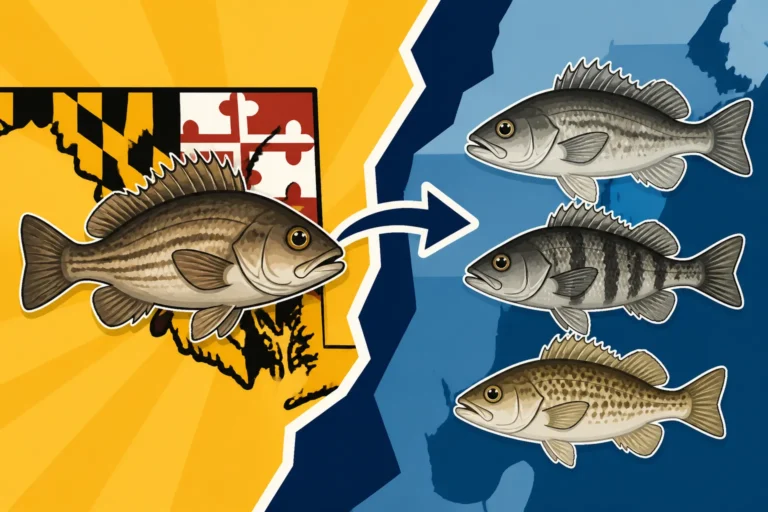
Maryland is blessed with an abundance of tidal rivers and estuaries that serve as vital spawning grounds for white perch. These are the arteries of the Chesapeake Bay, providing the ideal blend of fresh and brackish water that these fish require. On the Western Shore, rivers like the Patuxent River, the Severn, Magothy, and South River are well-known hotspots. As spring progresses, these rivers teem with perch, especially in their upper tidal reaches. Further north, the Bush, Gunpowder, and Susquehanna River tributaries also see significant runs.
Over on the Eastern Shore, anglers eagerly await the runs in rivers such as the Choptank River, Nanticoke, Wicomico, and Chester. These rivers, with their vast networks of shallow creeks and marshy edges, offer extensive habitat. The trick is to focus on the sections of these rivers where the salinity drops significantly, but there's still a tidal influence. This mix creates the perfect environment for white perch to lay their eggs, often in relatively shallow water, sometimes only a few feet deep. Many anglers keep a close eye on areas near historic oyster beds or submerged structure where these fish often stage before making their final push upstream.
Locating Spawning Habitat Features
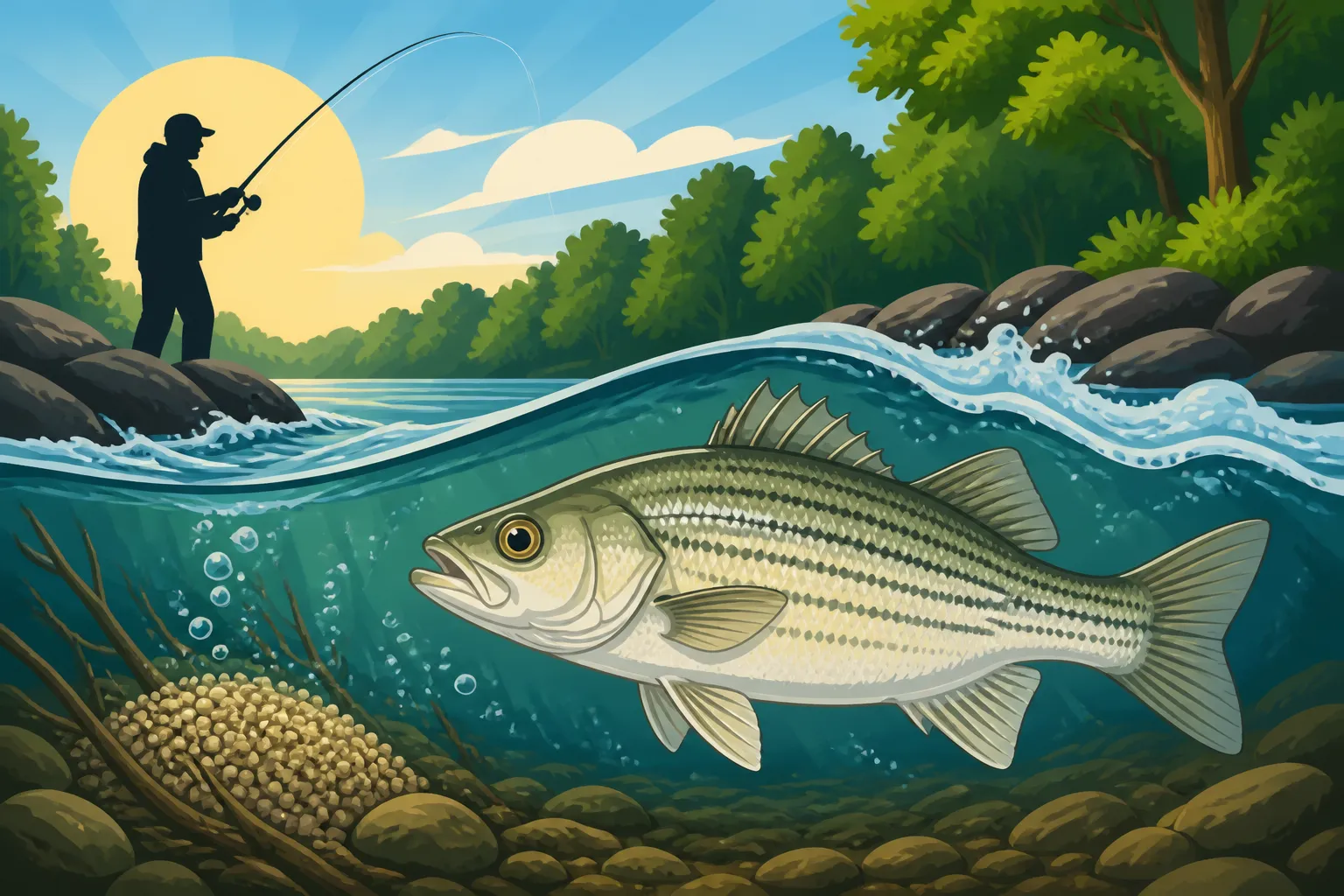
Once you're in a general area known for spawning perch, you need to zoom in on specific habitat features. White perch are not broadcast spawners that simply release eggs anywhere; they're quite particular. They often seek out areas with slow to moderate current, away from the main river channel, where their eggs can settle and attach. This typically means fishing creek mouths, sheltered coves, and bends in the river where the flow is reduced. Look for submerged brush piles, fallen trees, or even old docks and pilings. These structures provide cover for the adult fish and anchor points for their adhesive eggs.
Another key feature to identify is a hard bottom. While they will spawn over mud, they seem to prefer gravel, shell, or sandy bottoms mixed with some structure. These areas often retain heat better, helping with egg development, and offer a firmer substrate for eggs to stick to, preventing them from being swept away. A good depth finder can help you locate these subtle changes in bottom composition. Remember, a common frustration is casting into wide-open water when the fish are concentrated around specific, hidden structures. Often, the best spots are those that offer a slight depth change, even just a few feet, adjacent to shallower flats.
The Best Time to Target Spawning White Perch
Timing is everything when it comes to intercepting white perch during their spawning runs. It's not just about the right month; it's about the right week, and sometimes even the right day, influenced by weather patterns and tidal cycles.
Seasonal Timing and Water Temperature Cues
The white perch spawning run in Maryland typically kicks off in late February or early March in the southernmost rivers and progresses northward as spring advances. This means that while anglers on the Patuxent River might be catching them in early March, those further north in the upper Chesapeake tributaries might have to wait until late March or even early April. The definitive trigger, as mentioned, is water temperature. Most anglers start seriously targeting them when water temperatures consistently hold above 45-50 degrees Fahrenheit. The peak of the spawn usually occurs when the water reaches that sweet spot of 50-60 degrees.
This isn't a hard and fast rule, as unseasonably warm spells can push the spawn earlier, and late cold snaps can delay it. Keeping an eye on local water temperature reports is far more valuable than simply marking a calendar date. Anglers often refer to early signs like the blooming of daffodils or dogwoods as a natural indicator that the perch are moving. Once the water gets too warm, typically above 65 degrees, the main spawning push is over, and the fish begin to disperse. So, if you're planning your trip, think about checking "what water temperature triggers the white perch spawn?" for the latest insights.
Daily Tidal Influences on Spawning Activity
While temperature dictates the seasonal timing, tides often dictate the daily feeding and activity windows for spawning white perch. These fish are still feeding, albeit sometimes sporadically, during the spawn, and tides play a huge role in how accessible they are to anglers. In many tidal rivers, the incoming tide can bring in slightly warmer, more oxygenated water, which can trigger a burst of activity. Conversely, the outgoing tide can concentrate fish in certain areas as water levels drop.
Many experienced white perch anglers swear by the last hour of an incoming tide and the first hour of the outgoing tide, particularly around structure or creek mouths. This is when baitfish are often flushed out, and the perch are more likely to ambush prey. Slack tide, the period of minimal current change between tides, can sometimes be slow, but it can also be a time when fish settle into deeper pockets or under structure, making them easier to pinpoint with vertical jigging. Paying attention to "how tides affect fishing in Maryland's Chesapeake Bay" can really make a difference in your daily success. Don't just show up and cast; watch the water and learn its rhythm.
Essential Gear and Techniques for Spawning Perch
You don't need a boatload of specialized gear to catch spawning white perch, which is part of their charm. They are generally cooperative biters, but having the right tackle and knowing a few key techniques can significantly boost your success and make the experience more enjoyable.
Rods, Reels, and Line Choices
For white perch, lighter tackle is usually more effective and certainly more fun. A light to medium-light action spinning rod, typically in the 6 to 7-foot range, paired with a matching spinning reel (like a 1000 or 2000 series) spooled with 4 to 8-pound test monofilament or braided line, is perfect. The lighter rod allows you to feel those subtle bites, and the lighter line offers better casting distance and less resistance in the current. If you opt for braid, consider adding a fluorocarbon leader (6 to 8-pound test) of about 18-24 inches. The clear fluorocarbon is less visible to the fish in clear water, and it offers good abrasion resistance if you're fishing around submerged structure.
Heavy gear will not only dampen the fight of these modest-sized fish but can also make it harder to detect the often light "tap-tap" of a perch mouth. You can find excellent, affordable spinning combos suitable for white perch fishing on Amazon, giving you options without breaking the bank. Remember, finesse often trumps brute force when targeting perch during their sensitive spawning period.
Effective Lures and Baits
When it comes to lures and baits, white perch during the spawn are often looking for small, easy meals. Here's a breakdown of what typically works best:
| Bait/Lure Type | Description | Retrieval/Technique |
|---|---|---|
| Small Jigs | 1/16 to 1/8 ounce jig heads tipped with small soft plastics (grubs, twister tails, Gulp! minnows). | Cast out, let sink to bottom, retrieve with short hops or slow steady retrieve. Vary depth until bites are found. |
| Scented Baits | Small pieces of bloodworm, fish bites, or Berkley Gulp! sandworms/shrimp. | Often fished on a bottom rig or small jig head. Let scent work, use slight twitches. |
| Spoon Rigs/Perch Rigs | Two-hook bottom rig with small metal spoons (darts) or bare hooks, often tipped with bait. | Cast out, let sink, retrieve with a slow jigging motion, or simply hold still if current is present. |
| Spinnerbaits | Small inline spinnerbaits (like Rooster Tails or Mepps Aglias) with a dressed treble hook or single hook. | Cast and retrieve slowly, allowing the blade to spin. Effective when fish are slightly more aggressive. |
| Live Baits | Small minnows or grass shrimp (if available and legal). | Fished under a bobber in shallow areas or on a bottom rig. Let them swim naturally. |
The classic "bottom rig" with a sinker at the bottom and two dropper loops above, each with a small hook, is incredibly effective, especially when baited with bits of bloodworm or synthetic alternatives. Many anglers will purchase their scented baits from local tackle shops or online at Amazon to ensure they have fresh stock. For lures, small jigs, often called "perch darts," in weights from 1/16 to 1/8 ounce, are fantastic, especially when tipped with a tiny piece of bloodworm or a small soft plastic grub. Vary your retrieve, but generally, a slow, bouncing, or twitching motion along the bottom is what triggers strikes. Don't be afraid to experiment with colors; chartreuse, white, and pink are often reliable choices. For more advanced methods, you might explore fly fishing for white perch in Maryland.
Responsible Angling Practices During the Spawn
While the white perch spawn offers incredible fishing opportunities, it's also a crucial time for the species' reproduction. As responsible anglers, we have a vital role to play in ensuring the health and sustainability of these populations for years to come.
Minimizing Impact and Ensuring Future Stocks
When white perch are concentrated in spawning areas, they can be particularly vulnerable. This means practicing catch and release thoughtfully, especially if you've already filled your creel limit or don't intend to keep more fish. Handle fish gently, minimizing their time out of the water. Use barbless hooks or crimp down the barbs on your hooks to make releases quicker and less damaging. Wet your hands before handling fish to protect their protective slime coat, which is essential for disease prevention. If a fish is deeply hooked, it's often better to cut the line as close to the hook as possible rather than trying to rip the hook out, which can cause internal damage.
Consider taking only what you need for a meal rather than trying to fill a cooler. This ensures more fish can successfully complete their spawning ritual. Educate yourself and other anglers on these practices. It’s about more than just legal compliance; it’s about a conservation mindset. Remember, the future of white perch in Maryland's Chesapeake Bay depends on all of us doing our part.
Navigating Regulations and Catch Limits
Maryland has specific regulations in place to manage white perch populations, including daily catch limits. These limits are designed to prevent overfishing and protect the species, particularly during vulnerable times like the spawning season. While white perch generally have generous limits compared to some other species, it is absolutely essential to check the latest rules and regulations published by the Maryland Department of Natural Resources (DNR) before you head out. Regulations can change, and ignorance is no excuse for a violation. You can usually find the most up-to-date information in the annual Maryland Fishing & Boating Guide or on the DNR's website.
For example, currently, there is no minimum size limit for white perch in most tidal waters, but there is a daily creel limit per angler. These rules apply whether you're fishing from shore, a pier, or a boat. Always carry your valid Maryland fishing license, as it's required for most fishing activities, even if you're only targeting panfish. Familiarize yourself with all local rules, especially if you're fishing in a specific park or wildlife area, as they might have additional restrictions. If you're unsure about your license needs, guides like the Maryland Fishing License Guide for 2026 can be incredibly helpful resources.
Post-Spawn Perch Behavior and Where They Go Next
Just as quickly as the white perch arrive for the spawn, they will eventually disperse. Understanding their post-spawn movements can help you continue to catch them throughout the spring and into the summer, even after the main spawning run has concluded.
Dispersal from Spawning Grounds
Once the primary spawning activity is complete, typically when water temperatures consistently exceed 60-65 degrees Fahrenheit, the white perch will begin to spread out from their concentrated spawning grounds. The large schools that filled the upper reaches of rivers and creeks will gradually break up, and the fish will start moving back downstream towards the main tidal rivers and the Chesapeake Bay itself. This dispersal isn't usually a mass exodus but rather a gradual migration.
You might find fish lingering in deeper pockets of the spawning creeks for a week or two after the peak, or starting to congregate along the channel edges in the lower sections of the rivers. Their behavior becomes less about reproduction and more about feeding and recovering from the energy expenditure of spawning. This transition period can still offer good fishing, but you'll likely need to cover more water to find scattered groups rather than dense schools.
Summer Feeding Patterns
As summer fully settles in and water temperatures continue to climb, white perch will establish their summer feeding patterns. They'll typically move into slightly deeper, cooler waters of the main tidal rivers and the Chesapeake Bay, often associating with structure like oyster reefs, rock piles, channel edges, and bridge pilings. They become opportunistic feeders, preying on a variety of small organisms including grass shrimp, minnows, small crabs, and aquatic insects.
During the summer, you'll often find them schooled up over oyster beds or along drops-offs. Fall white perch fishing in Maryland's Chesapeake Bay and even winter fishing for white perch in Maryland offer different challenges and rewards, often requiring a shift to deeper water techniques. Small jigs, bottom rigs with bloodworms or peeler crab, and even small inline spinners remain effective. Anglers often locate these schools using fish finders and then position their boats to drop baits or jigs directly onto them. While the excitement of the spring spawning run is hard to beat, learning their summer habits can lead to consistent catches all season long.
Disclaimer
This article is for general informational purposes only and does not constitute professional advice. Laws, prices and regulations vary by location and change over time. Consult a qualified professional for guidance on your specific situation.