Fishing St. Mary’s Lake
Finding a quiet, productive freshwater lake in Maryland can sometimes feel like searching for a needle in a haystack, especially with the mighty Chesapeake Bay often stealing the spotlight. Many anglers yearn for those peaceful days casting lines away from the hustle and bustle, but aren't sure where to start beyond the well-known reservoirs. This guide aims to pull back the curtain on one such gem: St. Mary's Lake, offering a comprehensive look at what makes this Southern Maryland spot a fantastic destination for freshwater fishing, from its diverse fish populations to the best techniques and access points.
Discovering St. Mary's Lake's Unique Charm
St. Mary's Lake isn't just another body of water; it’s a serene escape that consistently delivers for freshwater anglers looking for a quality experience. Located in the heart of Southern Maryland, it offers a different kind of challenge and reward compared to its larger, more famous counterparts. It's a place where you can truly connect with the natural environment while pursuing some of the region's most popular game fish.
Location and General Characteristics
St. Mary's Lake is nestled in St. Mary's County, just a short drive from Leonardtown. This 730-acre reservoir serves as a vital drinking water source for the county, which means it’s managed with care and generally maintains excellent water quality. Its primary purpose as a municipal water supply also contributes to its relatively undeveloped shoreline, preserving a more natural and tranquil environment that anglers cherish. Unlike many highly trafficked public lakes, St. Mary's often feels less crowded, offering a more intimate fishing experience.
The lake boasts a varied bottom contour, with an average depth that belies some surprising deep pockets, especially near the dam. Anglers will find a mix of submerged timber, rocky points, and extensive weed beds, all of which provide crucial habitat for a variety of fish species. These structural elements create perfect ambush points and foraging areas, making the lake a dynamic place to fish. The winding shoreline features numerous coves and creeks, each offering potential hotspots depending on the season and prevailing conditions. The natural beauty, with mature trees lining much of the shore, only adds to the allure, providing a scenic backdrop to your fishing adventures.
Why St. Mary's Lake Stands Out for Anglers
What truly sets St. Mary's Lake apart for anglers is its consistent ability to produce quality freshwater catches, away from the tidal influences of the Chesapeake Bay. While Maryland is famous for its saltwater opportunities, St. Mary's Lake provides a pure freshwater challenge that can be incredibly rewarding. The lake is actively managed by the Maryland Department of Natural Resources (DNR), which means it benefits from regular stocking and conservation efforts designed to maintain healthy and diverse fish populations.
This commitment to fisheries management ensures that anglers have a strong chance of encountering robust game fish. The habitat diversity within the lake, ranging from shallow, sun-drenched coves to deeper, cooler channels, caters to different species throughout the year. For those seeking a change of pace from the big waters, or perhaps a more focused freshwater experience, St. Mary's Lake is a true standout. It’s a fantastic option for families, new anglers, or anyone simply looking for a peaceful day on the water with a high probability of success.
What Fish Call St. Mary's Lake Home?
While St. Mary's Lake might not be as expansive as some other Maryland reservoirs, it more than makes up for it with a diverse and healthy population of popular game fish. Anglers visiting this lake can expect to tangle with several exciting species, each offering a unique challenge and rewarding fight. Understanding what swims beneath the surface is key to planning your most effective approach.
Popular Game Fish Species
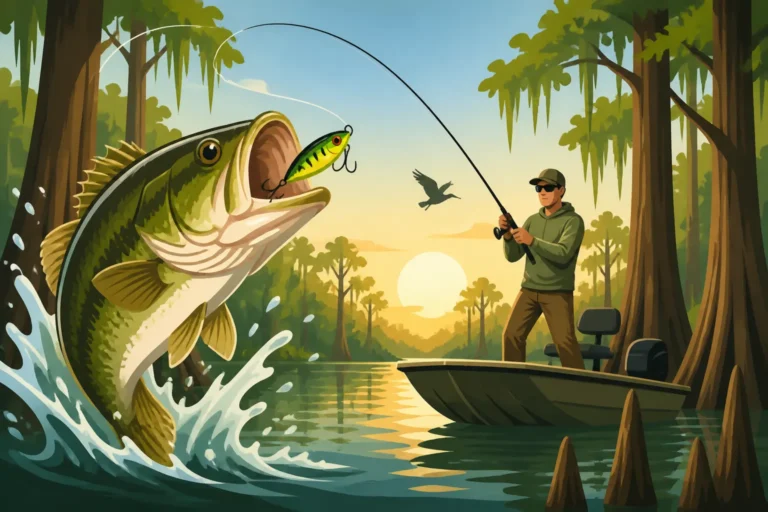
The true stars of St. Mary's Lake are undoubtedly its Largemouth Bass. This lake is consistently praised by local anglers for its strong bass fishery, with many reporting healthy numbers and impressive sizes. These elusive fighters thrive in the lake's abundant cover, hiding amongst the dense weed lines, submerged timber, and brush piles that pepper the coves and shorelines. Targeting them requires a keen eye for structure and a patient hand, but the reward of a powerful tug from a chunky bass is well worth the effort. For tips on when and how to pursue these green monsters, you might want to check out our guide on Largemouth Bass Fishing in Maryland. You'll find that St. Mary's Lake is often considered one of the Best Lakes in Maryland for Freshwater Fishing.
Another exciting species, often overlooked but incredibly fun to catch, is the Chain Pickerel. These aggressive, toothy predators are abundant in St. Mary's Lake, particularly in the shallower, weedy areas. They are ambush hunters, known for their lightning-fast strikes and thrilling fights. While not typically as large as bass, their ferocity on the line makes them a blast to reel in. Just remember to use a wire leader to prevent bite-offs from their sharp teeth! Our guide on Chain Pickerel in Maryland Ponds and Rivers can provide more specific insights into these feisty fish.
For those who enjoy panfishing, Crappie (both black and white varieties) are also a significant draw. These schooling fish provide excellent action, especially during the cooler months and spring spawn. They tend to congregate around submerged structures like brush piles, fallen trees, and the deeper ledges of the lake. A patient approach with light tackle can yield impressive numbers of these delicious fish. Learn more about targeting them in our Crappie Fishing in Maryland Reservoirs article.
Finally, Bluegill and other Sunfish are plentiful throughout the lake, making it an ideal spot for family outings or teaching kids the joys of fishing. These eager biters are found almost anywhere there's cover, from dock pilings (where available) to weed edges. They may be small, but their spirited fight on ultralight tackle provides endless entertainment. Our Bluegill and Sunfish in Maryland Ponds guide has more details on these delightful panfish.
Other Species You Might Encounter
While Largemouth Bass, Chain Pickerel, Crappie, and Sunfish are the primary targets, St. Mary's Lake also holds populations of Channel Catfish. These bottom dwellers can provide strong fights and are often caught by anglers targeting other species with cut bait or worms. While not the dominant species, they add another layer of diversity to the lake's fishery.
You might also occasionally encounter Yellow Perch, though they are less common and typically smaller here than in the tidal rivers of the Chesapeake Bay. They are usually found mixed in with crappie schools or near deeper vegetation.
It's important to remember that St. Mary's Lake is primarily a bass and panfish lake, and focusing your efforts on these species will generally lead to the most consistent success. However, the possibility of hooking into a surprise catfish or even a small yellow perch always adds to the excitement.
Strategies for Successful Fishing on St. Mary's Lake
Knowing which fish are in St. Mary's Lake is only half the battle; the other half is understanding where to find them and how to entice them to bite. St. Mary's Lake offers a variety of structures and cover that dictate fish behavior, and adapting your techniques to these conditions is crucial for a successful outing.
Best Fishing Spots and Structure
When you first arrive at St. Mary's Lake, it can feel a bit overwhelming to choose a starting point on such a large body of water. However, the lake's structure provides some clear indicators of where fish are likely to be hiding.
The numerous coves and creek arms are prime locations, especially during the spring and fall. In spring, these shallower, protected areas warm up faster, drawing in bass and crappie for spawning. As temperatures cool in the fall, baitfish move into these same areas, followed closely by hungry predators. Focus on the mouths of these coves and any visible cover within them, like fallen trees or brush.
Weed lines and submerged timber are absolute magnets for Largemouth Bass and Chain Pickerel throughout most of the year. These areas provide cover for ambush predators and attract baitfish. Look for distinct edges where dense vegetation meets open water, or areas where trees have fallen into the lake. Casting spinnerbaits, crankbaits, or Texas-rigged plastic worms parallel to these weed lines can be incredibly effective.
The dam area offers deeper water, which can be a key spot during the colder months or when fish move to deeper thermal refuge in the heat of summer. While not always the most active area, it can hold schools of crappie and occasionally larger bass. Vertical jigging or slow-trolling can produce results here.
Additionally, don't overlook roadbeds and points that extend into the lake. These transitional areas often serve as highways for fish moving between shallow and deep water, and can hold concentrations of bait and predators. A good contour map can help you identify these subtle features.
Recommended Baits and Techniques
Your choice of bait and technique will largely depend on your target species and the time of year.
For Largemouth Bass, a diverse tackle box is your best friend. In the warmer months, especially at dawn and dusk, topwater lures like frogs, poppers, and walking baits can be exhilarating over weed beds and near shallow cover. There's nothing quite like a bass blowing up on a topwater lure! For more insights, check out our guide on the Best Season for Topwater Bass Fishing in Maryland. During the day, or when fish are less active, spinnerbaits are excellent for covering water along weed edges, while crankbaits that mimic baitfish are great for probing various depths and rocky points. Plastic worms, jigs, and creature baits fished on a Texas or Carolina rig are deadly for pitching into heavy cover or slowly working along the bottom.
Chain Pickerel are less picky. They respond well to fast-moving baits that trigger their aggressive instincts. Spinnerbaits with flashy blades, brightly colored spoons, and jerkbaits are all excellent choices. Remember, a stout leader (fluorocarbon or wire) is essential to prevent these toothy critters from biting through your line.
To target Crappie, scale down your approach. Small jigs (like tube jigs or curly tail grubs) in white, chartreuse, or black, tipped with a small minnow, are incredibly effective. Fish them slowly around submerged brush piles, bridge pilings, or deep ledges, either vertical jigging or under a bobber. A fish finder can be invaluable for locating schools of crappie.
For Bluegill and other Sunfish, simplicity is key. A small hook, a bit of split shot, and a live worm or cricket under a bobber will almost guarantee action. Small artificial lures, like tiny inline spinners or micro jigs, also work wonderfully on ultralight spinning gear, offering maximum sport for these feisty panfish.
Seasonal Considerations
The effectiveness of these spots and techniques will naturally shift with the seasons.
Spring is an explosion of activity. As water temperatures rise, bass move shallow to spawn, making them very accessible. Crappie also move into shallower areas, often found in large schools. Pickerel are active and aggressive. This is a prime time for sight fishing for bass and light tackle crappie action.
Summer brings warmer water, often pushing bass to deeper, cooler water or concentrating their activity during low-light hours. Early morning and late evening topwater bites can be fantastic, but during the day, focus on fishing deeper structure, dense weed mats, or shaded areas. Crappie can be found in deeper brush piles.
Fall is another fantastic time to fish St. Mary's Lake. As temperatures drop, fish enter a feeding frenzy, fattening up for winter. Bass and pickerel will be highly active, chasing baitfish in coves and along main lake points. Crappie can be found schooling up before heading to their winter haunts.
Winter fishing can be slow, but it's not impossible. Largemouth Bass will hold tight to deep cover and become more lethargic, requiring very slow presentations like jigs or blade baits. Crappie can still be caught by vertical jigging over deep structure or the dam area. While the action slows, the tranquility of a winter day on St. Mary's Lake can be incredibly rewarding for patient anglers.
| Species | Best Baits/Lures | Key Locations | Prime Season |
|---|---|---|---|
| Largemouth Bass | Plastic Worms, Crankbaits, Topwater | Weedlines, Submerged Timber, Coves | Spring, Fall |
| Chain Pickerel | Spinnerbaits, Spoons, Jerkbaits | Shallow Weedy Coves, Creek Mouths | Spring, Fall, Winter |
| Crappie | Small Jigs (tubes, curly tails), Minnows | Deep Structure, Brush Piles, Dam | Spring, Winter |
| Bluegill/Sunfish | Worms, Crickets, Micro Jigs | Anywhere with cover, Weed Edges | Year-Round |
Accessing St. Mary's Lake and Key Regulations
Before you even launch your boat or cast a line from shore at St. Mary's Lake, it's crucial to understand how to access the water and what regulations you need to follow. Maryland takes its conservation seriously, and being prepared ensures a smooth, enjoyable, and legal fishing trip.
Boat and Shoreline Access
St. Mary's Lake provides convenient public access for boaters. The primary public boat ramp is located off Camp Merryman Road. This ramp is well-maintained and provides ample parking for trailers, making it easy for anglers with powerboats, jon boats, or larger kayaks to launch. There might be a small launch fee, so it's always wise to check the current rates posted by the St. Mary's County Department of Recreation and Parks or the Maryland DNR website before you head out. The ramp typically offers easy access to the main body of the lake, from which you can explore the various coves and points.
For those who prefer a more intimate connection with the water, kayaks and canoes are an excellent option for St. Mary's Lake. The lake's relatively calm waters and numerous secluded coves make it ideal for paddlecraft. These smaller vessels allow you to quietly slip into areas that larger boats can't reach, opening up fantastic opportunities for stealthy bass and pickerel fishing in shallow, weedy pockets. Our guide on Best Kayak Fishing Spots in Maryland offers general tips that apply beautifully to St. Mary's Lake.
Shore fishing at St. Mary's Lake is more limited but still possible. The areas immediately surrounding the boat ramp and near the dam often provide accessible spots to cast from land. While you won't be able to cover as much water as from a boat, these spots can still be productive, especially if you focus on areas with natural cover or structure close to shore. Just be mindful of private property signs and respect the natural habitat.
Maryland Fishing License and Regulations
Perhaps the most critical piece of preparation for any fishing trip in Maryland is ensuring you have the correct fishing license. For St. Mary's Lake, you will need a Maryland Nontidal Fishing License. This license is mandatory for anyone 16 years or older to fish in the freshwater lakes, ponds, and rivers across the state. It's distinct from a tidal license, which covers the Chesapeake Bay and its tributaries. If you're unsure about the difference or need to purchase one, our comprehensive Maryland Nontidal vs Tidal Fishing License, Explained guide or the broader Maryland Fishing License Guide for 2026 can help you navigate the requirements.
Beyond the license, it's vital to be aware of the specific size and creel (catch) limits for the species you intend to target. These regulations are in place to ensure sustainable fish populations. For example, there are specific Maryland Largemouth Bass Size Limit by Water rules that apply, and knowing these will help you stay within legal bounds. Always consult the current Maryland DNR fishing guide, as regulations can change. You can also find general information on Maryland Daily Bag Limits by Species. Violating these rules can lead to fines and penalties, so it's best to be informed.
It's also worth noting general lake rules. As a drinking water reservoir, St. Mary's Lake often has restrictions on activities like swimming, jet skiing, or even certain types of boating. Always look for posted signs at the boat ramp or check with the St. Mary's County Parks and Recreation for the most up-to-date information.
For those venturing into unfamiliar waters or simply wanting to maximize their chances, considering a local guide can be a game-changer. Services like FishingBooker are excellent for finding experienced local captains who are not only intimately familiar with the lake's hot spots but also fully up-to-date on all current Maryland fishing regulations. This can be especially helpful if you're an out-of-state visitor or new to freshwater fishing in Maryland.
Planning Your Trip and Local Resources
Planning your visit to St. Mary's Lake involves more than just rods and reels. Making sure you have all the logistical details squared away can greatly enhance your overall experience. Local tackle shops in the Leonardtown or Lexington Park areas can be invaluable resources. They often have the most current information on local bite patterns, water conditions, and what baits are working best. Don't hesitate to stop in and ask for advice – local knowledge is priceless!
The Maryland DNR website is your official source for all regulations, stocking reports, and any emergency closures. Make it a habit to check their freshwater fishing section before any trip. Additionally, consider exploring the amenities in nearby Leonardtown. It's a charming town with dining options, shops, and other services that can make your fishing trip even more comfortable.
If you're looking to turn your fishing outing into a truly guided adventure, remember that platforms like FishingBooker connect anglers with professional fishing guides. Whether you're targeting trophy bass or simply want to learn the ropes of freshwater fishing in Maryland, a guide on St. Mary's Lake can provide all the gear and expertise needed for a memorable day on the water. They know the contours, the currents, and the fish, ensuring you get the most out of your time. This can be particularly useful for beginners or those hoping to maximize their catch in a limited amount of time.
Disclaimer
Please be aware that fishing regulations, access points, and conditions can change. Always consult the official Maryland Department of Natural Resources (DNR) website or the St. Mary's County Department of Recreation and Parks for the most current information before planning your trip to St. Mary's Lake. This guide is for informational purposes only and does not constitute legal advice.