How Cold Water Affects Striped Bass Behavior in the Bay
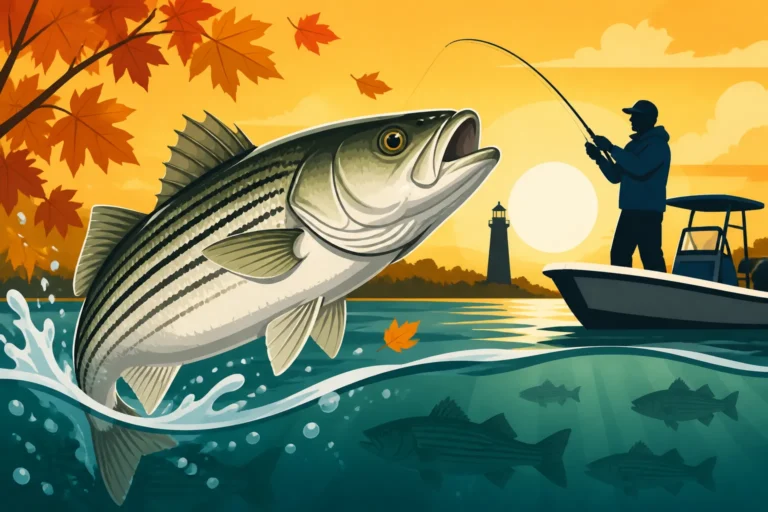
When the crisp air of late autumn finally settles over the Chesapeake Bay, many anglers start packing away their gear, thinking the striped bass action is over until spring. But for those who brave the chill, understanding how cold water profoundly affects striped bass behavior is the key to unlocking some truly unique and rewarding fishing experiences. It's not just about bundling up; it's about shifting your entire perspective to align with the rockfish's struggle for survival and energy conservation in the frigid depths.
The Physiological Slowdown: How Cold Affects Striped Bass Internally
Imagine yourself stepping into an ice-cold swimming pool. Your muscles tense, your breathing changes, and your movements become slow and deliberate. Striped bass, being cold-blooded creatures, experience a much more dramatic version of this. Their internal systems are directly regulated by the surrounding water temperature, and as it drops, everything slows down.
Metabolism and Energy Conservation
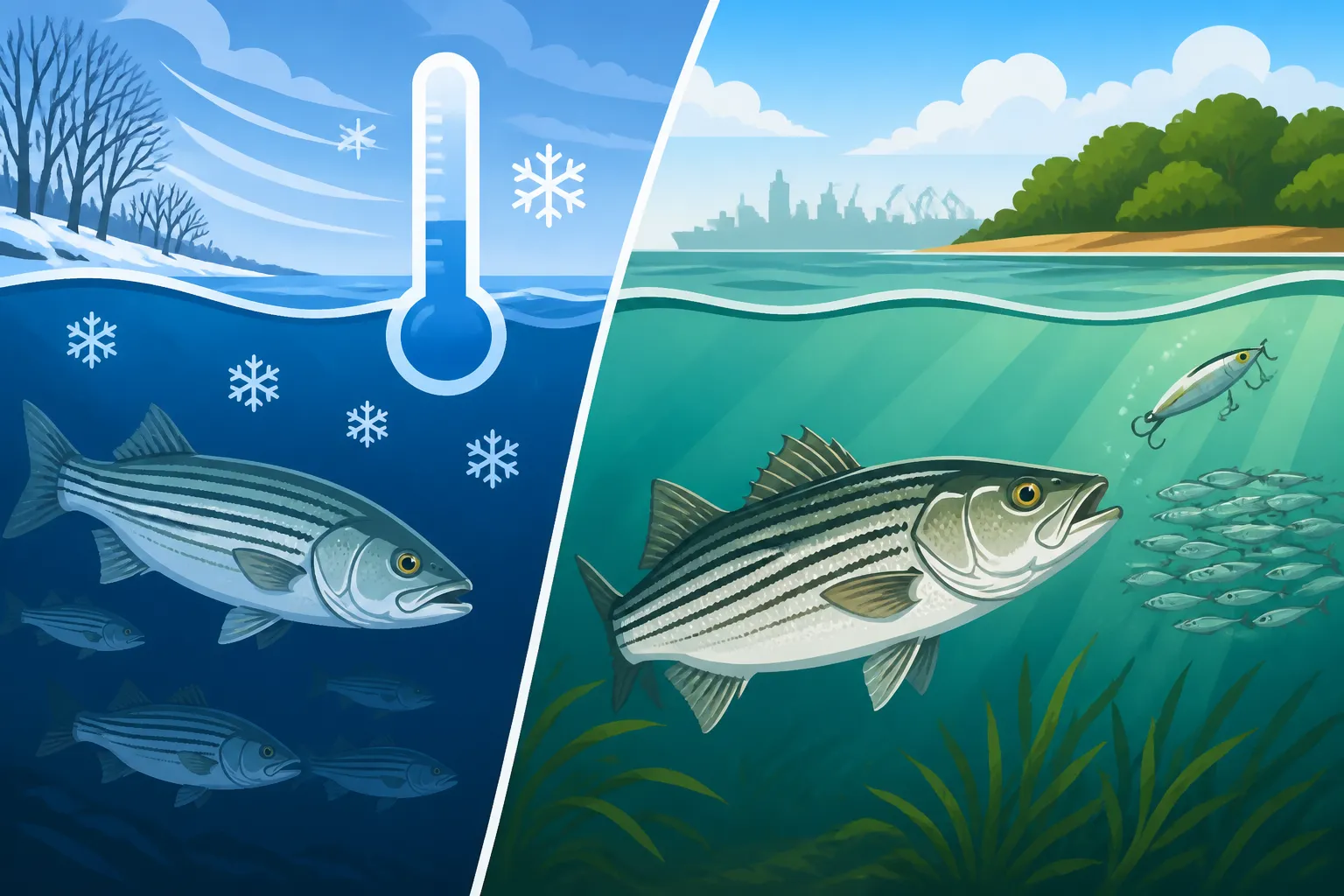
The most significant impact of cold water on striped bass is the drastic reduction in their metabolic rate. Think of it like a car idling on a very cold morning – it takes more effort to get it going, and it's less efficient. A striped bass's digestion, muscle function, and overall activity level all become sluggish. They burn far fewer calories just to exist, which is a survival mechanism. This means they don't need to feed as often, nor do they expend much energy chasing down prey. Their goal shifts from aggressive hunting to energy conservation, making them much less inclined to strike at a fast-moving lure or chase bait across a wide area. Anglers often struggle because they're fishing with the same enthusiasm and speed as they would in summer, completely misaligning with the fish's physiological state.
This metabolic slowdown also means that if a striped bass is caught and handled improperly in cold water, the stress can be much more severe. Their recovery time is extended, and they have fewer energy reserves to cope with the trauma of being landed. It's a critical consideration for anglers participating in the Maryland's Winter Catch and Release Striped Bass Season, where fish welfare is paramount. Understanding this physiological reality helps us approach winter fishing with more respect for the species and its delicate state.
Oxygen Levels and Water Density
While cold water presents challenges for the fish's metabolism, it does have one advantage: colder water holds more dissolved oxygen than warmer water. This means that even in deeper, seemingly stagnant areas, there's usually ample oxygen for striped bass to breathe comfortably. The trade-off, however, comes with water density. As water cools, it becomes denser, and thermal stratification can occur, especially in the deeper parts of the Bay.
Sometimes, you'll find slightly warmer pockets of water at certain depths, even if only by a degree or two. These subtle temperature breaks, often found near the bottom of deep channels or depressions, can act as crucial thermal refuges for striped bass. They're not looking for a hot tub, but rather a place where the temperature is stable and just a tad more comfortable than the surrounding frigid layers. This quest for stability becomes a primary driver of their location, overriding many other factors that might attract them in warmer months. Knowing that cold water is denser, and that slight variations in temperature can create these refuges, is key to locating where the fish might be hunkering down.
Behavioral Shifts: Where Striped Bass Go and What They Do
With their internal systems slowing down, it's only natural that striped bass exhibit significant changes in their external behavior and preferred habitats within the Chesapeake Bay. They become creatures of routine and seek out specific conditions that offer the best chance for survival.
Seeking Thermal Refuges and Deeper Waters
As Bay temperatures plummet, striped bass don't just swim around aimlessly hoping to stumble upon food. Their primary instinct is to find warmth and stability. This typically means moving into the deepest channels and holes of the Chesapeake Bay, away from the fluctuating temperatures of shallower waters. Places like the main shipping channels, deep river mouths, or the waters around the Bay Bridge become wintertime hotspots. These deeper areas act as thermal refuges because water temperature changes much more slowly there compared to the surface or shallow flats.
Imagine a large group of people huddling together for warmth on a freezing day. Striped bass do something similar, often forming tight schools in these deep, stable environments. They'll hug the bottom contours, sometimes stacking up near ledges, drop-offs, or the deep edges of oyster reefs. These structures offer not only a stable temperature but also a degree of protection and ambush points for when a meal does happen to swim by. If you're trying to locate them, forget the vast expanses of open water; instead, concentrate your efforts on mapping out the deepest sections and the underwater topography that offers relief from the cold. Understanding their need for these havens is crucial for Where Do Striped Bass Go in the Winter in Maryland?.
Reduced Feeding and Picky Eaters
Gone are the days of aggressive surface blitzes and chasing baitfish for miles. In cold water, a striped bass's feeding behavior changes dramatically. They feed much less frequently, and when they do, they're looking for an easy meal that requires minimal energy expenditure. This means they become incredibly picky, often ignoring anything that doesn't present itself as a slow, vulnerable, high-reward target.
Baitfish, like herring or silversides, also become lethargic in cold water, moving slower and often schooling tighter for protection. This creates a scenario where a striped bass doesn't need to chase; it can simply wait for an opportunity. Anglers often make the mistake of using fast retrieves or oversized lures, which striped bass in this state will simply ignore. They're looking for something that either appears wounded, is barely moving, or presents a large enough caloric payoff to be worth the effort. Live lining a struggling spot or a large, slow-moving soft plastic jig might be the only things that entice a strike. The bite will often feel less like an aggressive tug and more like a subtle weight or a gentle thud, as the fish inhales the bait rather than striking it hard.
Schooling Patterns and Migration
During colder months, striped bass often consolidate into larger, tighter schools. This schooling behavior can offer several advantages, including increased protection from predators (though fewer are active in winter) and potentially better chances of ambushing schooled baitfish. These schools might remain relatively stationary in deep holes for extended periods, only moving short distances to track bait or to find slightly better thermal conditions.
While some larger, mature striped bass might migrate out of the Bay entirely to offshore ocean waters for the winter, a significant population remains within the Chesapeake Bay itself, particularly younger and smaller fish, as well as some robust adults. Their "migration" becomes less about long-distance travel and more about finding and holding in those key deep water sanctuaries. These local movements are less about following vast schools of bait and more about finding the ideal comfort zone within the Bay's complex underwater geography. This understanding helps anglers focus on specific areas rather than chasing scattered fish. If you're wondering Do Striped Bass Migrate Out of the Chesapeake Bay?, the answer is often complex and depends on the specific population, but many do hunker down within the Bay.
Adapting Your Approach: Fishing for Cold Water Striped Bass
Successfully catching striped bass in cold water demands a complete overhaul of your typical fishing strategies. What works in spring or fall will almost certainly fail in the winter. Patience, precision, and an understanding of the fish's lethargic state are your best tools.
Slow and Low: Lure Presentation and Retrieval
When striped bass are sluggish due to cold water, your lure presentation needs to mimic that lethargy. Forget fast retrieves, aggressive jigging, or anything that requires the fish to expend much energy. The mantra for cold water stripers is "slow and low." This means targeting the bottom or just above it, where the fish are likely hunkering down.
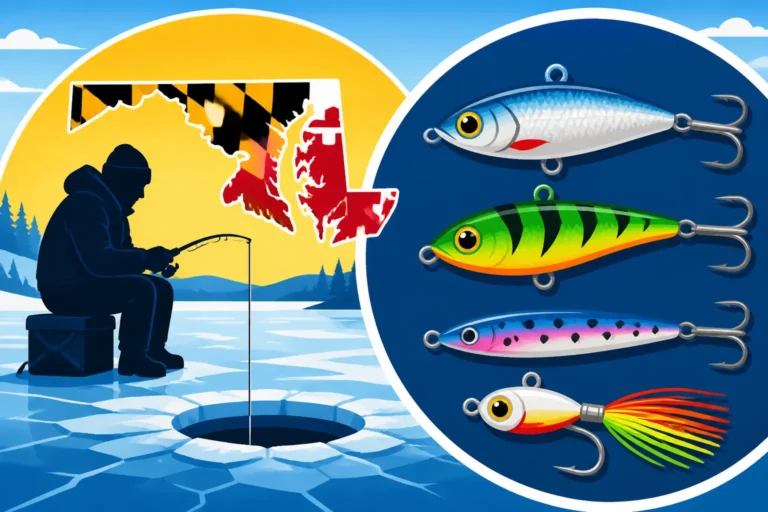
Techniques like slow jigging with large, soft plastic baits or metal jigs become incredibly effective. You're not looking for a violent rip; instead, think about a subtle lift and drop, allowing the bait to flutter or glide slowly back to the bottom. Let it sit there for a few seconds before the next gentle twitch. Sometimes, simply letting a jig "dead stick" near the bottom, with just the boat's drift providing motion, can be enough to trigger a strike from a hesitant fish. Pay close attention to your line, as strikes can be incredibly subtle – a slight tic, a feeling of extra weight, or even just your line going slack when it should be tightening. This slow, methodical approach is a cornerstone of Maryland Striped Bass Fishing Techniques in winter. For many anglers, purchasing reliable, heavy-duty soft plastics and jig heads, often found on platforms like Amazon, is a good first step.
Bait Choices and Scent
Because cold water striped bass are conserving energy and are less inclined to chase, natural bait often outperforms artificial lures, though both can be effective with the right presentation. Live bait, if available and healthy, is often irresistible to a lethargic striper. A lively spot or a large minnow struggling weakly on the bottom can be just the easy meal a rockfish is looking for.
If live bait isn't an option, cut bait, like pieces of fresh bunker or herring, soaked in natural oils and scents, can be very effective. The scent trail can draw in fish that might not be actively hunting visually. Rig your cut bait on a bottom rig or a fish-finder rig, allowing it to rest directly on the bottom where the fish are holding. For artificial lures, choosing soft plastics that can be impregnated with scent, or adding scent sprays, can give you an edge. The added olfactory appeal can be the subtle trigger needed to convert a look into a bite from a hesitant fish.
Targeting Specific Structures
Successful cold water fishing means knowing exactly where to drop your lines. Striped bass aren't going to be scattered across vast areas of the Bay; they'll be concentrated in specific, deep, and stable locations.
Focus your efforts on:
- Deep Channels: The main shipping channels and the deeper sections of major tributaries like the Potomac, Patuxent, and Choptank rivers are prime real estate. Look for depths of 30 feet or more.
- Bridge Pilings: The deep pilings of structures like the Chesapeake Bay Bridge offer complex underwater habitats and vertical structure that can hold fish. The turbulence around the pilings can also concentrate bait.
- Ledges and Drop-Offs: Anywhere the bottom contour changes significantly, creating a sudden drop in depth, can create an eddy or a sheltered area where fish will stack up. Use your depth finder to locate these subtle changes.
- Warm Water Discharges: While less common for the entire Bay, any industrial discharge that creates a localized pocket of slightly warmer water can be a magnet for fish, including stripers. These spots can offer a unique opportunity when the rest of the Bay is freezing.
Paying close attention to your fish finder and understanding how to read bottom contours is more critical than ever. You're not looking for a needle in a haystack; you're looking for the very specific hideouts where the fish are conserving energy.
Essential Gear and Safety for Winter Angling
Winter fishing for striped bass isn't just about different tactics; it's about being prepared for the elements and ensuring your safety on the water. The risks are significantly higher when air and water temperatures are low.
Dressing for Success on the Chesapeake
Hypothermia is a real and present danger when fishing in cold weather, especially on the water. Layering is your best friend. Start with a moisture-wicking base layer against your skin, add insulating middle layers like fleece or wool, and top it off with a waterproof and windproof outer shell. Don't forget extremities: a warm hat that covers your ears, insulated gloves or mittens (even fingerless options can help with dexterity), and insulated, waterproof boots are non-negotiable.
Many anglers find that specialized cold-weather fishing suits, sometimes referred to as "ice fishing suits" or "float suits," offer excellent warmth and an added layer of buoyancy in case of an accidental dip. Even without a dedicated suit, having spare layers in a dry bag is a smart move. Think about hand warmers for your pockets and warm beverages in a thermos. Being comfortable is not a luxury; it's a safety measure. For those looking for robust outer layers, exploring brands available on Amazon can provide options like waterproof bibs and jackets that are critical for comfort and safety. This preparation aligns with getting the Best Gear for Winter Striped Bass Fishing in Maryland.
Boat Safety and Cold Water Hazards
Boating in cold weather comes with amplified risks. First and foremost, always wear a properly fitted personal flotation device (PFD). Even strong swimmers can quickly become incapacitated in frigid water. Inform someone on shore of your float plan – where you're going, when you expect to return, and who is with you.
Check your boat's systems thoroughly before heading out. Ensure your battery is fully charged, your engine is running smoothly, and all safety equipment (flares, air horn, VHF radio, anchor) is in good working order. Carry a charged cell phone in a waterproof bag, but don't rely solely on it. The cold can drain batteries quickly. If you're running a smaller boat, be acutely aware of weather forecasts for wind and waves; rough conditions can quickly become dangerous in the cold. Even a small amount of spray can turn into ice on your deck, creating slippery hazards. Many anglers also keep an emergency blanket or two readily accessible.
Respecting the Resource: Catch and Release in Cold Water
Cold water is stressful for fish, and striped bass are no exception. Their already slow metabolism means that the fight to be caught, coupled with air exposure, can be much more taxing than in warmer months. If you are participating in the Fishing the Winter Catch and Release Striped Bass Season, proper handling techniques are paramount.
Minimize air exposure as much as possible. If you must take a photo, do it quickly and hold the fish horizontally, supporting its belly. Avoid dragging fish onto dry, cold boat decks or abrasive surfaces. Use de-hooking tools to remove hooks quickly and cleanly. If the fish is deeply hooked, consider cutting the line as close to the hook as possible rather than tearing tissue trying to remove it. When releasing, gently hold the fish upright in the water, allowing fresh, oxygenated water to flow over its gills until it regains its strength and swims away on its own. It might take longer for them to revive in cold water, so be patient. Every effort to ensure a healthy release contributes to the future of the Bay's striped bass population. Many anglers rely on specific nets and de-hooking tools, readily found on Amazon, to ensure minimal stress on the fish.
| Water Temperature Range | Striped Bass Activity Level | Preferred Location | Feeding Behavior | Recommended Tactics |
|---|---|---|---|---|
| 50-45°F (10-7°C) | Reduced, but still active | Deeper channels, ledges, structure | Sporadic, opportunistic | Slow jigging, live lining, casting deep diving lures |
| 44-40°F (7-4°C) | Very sluggish, lethargic | Deepest channels, thermal refuges | Minimal, extremely picky | Vertical jigging, dead sticking, bottom baits with scent |
| Below 40°F (<4°C) | Almost dormant | Deepest, most stable holes | Extremely rare | Patience is key; very slow, subtle presentations |
Conclusion
Fishing for striped bass in the cold waters of the Chesapeake Bay is a completely different ballgame than the warmer seasons. The rockfish's physiology forces them into a state of energy conservation, dictating their movements, feeding habits, and overall disposition. They seek the deepest, most stable thermal refuges, become incredibly picky eaters, and require an angler's extreme patience and refined techniques. It's a challenging endeavor, to be sure, but for those willing to brave the chill and adapt their approach, the reward of connecting with a resilient striped bass in the quiet beauty of a winter Bay morning is an experience unlike any other. Remember, it's not just about catching fish; it's about understanding and respecting the intricate relationship between the fish and its environment.
Disclaimer
This article is for general informational purposes only and does not constitute professional advice. Laws, prices and regulations vary by location and change over time. Consult a qualified professional for guidance on your specific situation.