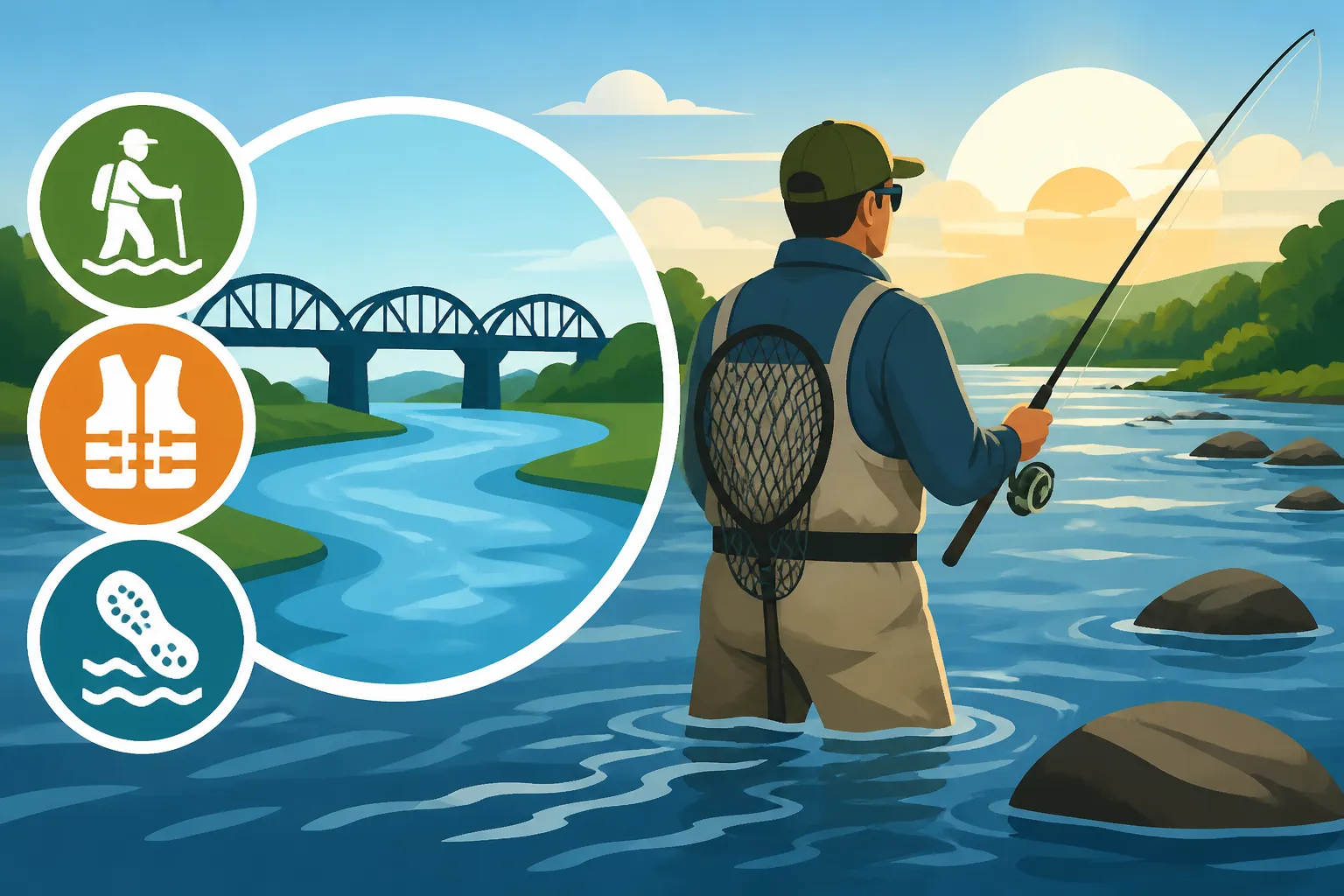
Wading the Susquehanna River Safely
There's nothing quite like the allure of the Susquehanna River for anglers – the promise of big smallmouth bass, hefty catfish, and the sheer challenge of its expansive waters. But let's be honest, those powerful currents and unpredictable depths can turn a peaceful fishing trip into a heart-stopping ordeal faster than you can say "rockfish." Wading the Susquehanna safely isn't just about good balance; it's about preparation, respect for the river's immense power, and knowing exactly what you're getting into. This guide is all about equipping you with the knowledge and practical steps to navigate those waters without incident, so you can focus on the fishing, not the fear.
Understanding the Susquehanna's Unique Challenges for Waders
The Susquehanna River, especially in Maryland, is a majestic waterway, but it demands immense respect from anyone planning to step foot in its currents. It’s not your average creek or pond; it’s a massive river system that can be incredibly unforgiving if you’re unprepared. Many anglers, myself included, have had moments where the river's power caught them off guard, leading to some hairy situations. Ignoring these unique challenges is the quickest way to find yourself in trouble.
Powerful Currents and Variable Depths
One of the first things you'll notice about the Susquehanna is its sheer volume of water. As the largest river in the Chesapeake Bay watershed, it carries an immense amount of water, which translates into powerful, relentless currents. These currents aren't uniform; they surge and swirl around obstructions, creating eddies, boil lines, and strong downstream pulls that can easily destabilize even an experienced wader. Imagine stepping into what seems like a calm stretch, only for a subtle shift in the bottom to place you directly in the path of a powerful channel you didn't even know existed. It's a humbling experience.
What makes it even more challenging are the variable depths. The riverbed is a constantly changing landscape of gravel bars, deep channels, and sudden drop-offs. A spot you confidently waded last week might be chest-deep today due to upstream rain or dam operations. It’s like walking on a treadmill where the floor keeps changing height and speed beneath you. This unpredictability means you can never assume what lies beneath the surface. Many anglers have recounted stories of taking one more step only to find themselves suddenly plunged into water over their waders, a quick trip downriver only prevented by a lucky grab or quick thinking. The river gives no warning, making careful, deliberate movement absolutely essential.
Submerged Hazards and Treacherous Bottoms
Beyond the currents and depths, the Susquehanna's bottom itself presents a gauntlet of hazards. It's often a mixture of slick, algae-covered rocks, loose gravel, and sometimes, large boulders that are deceptively unstable. Picture yourself wading along, concentrating on your footing, when suddenly your boot slips on a mossy rock that feels like greased ice. Even the best wading boots can struggle here. These submerged obstacles are often invisible, hidden by the murky water, waiting to trip you up or cause an ankle twist.
Then there's the debris. As a major river, the Susquehanna carries everything from fallen branches and logs to old tires, rebar, and even discarded fishing equipment. Some of these can be massive, acting as underwater dams that alter currents or present solid, unforgiving obstacles if you lose your balance. I've personally seen anglers get their feet wedged between rocks or stumble over unseen logs, narrowly avoiding a full dunking. This constant threat of hidden snags and unstable footing adds another layer of complexity to safe wading, making every single step a calculated risk. It's crucial to always be mindful that you're in a wild, untamed environment where the bottom shifts and hazards lurk.
Weather and Water Level Fluctuations
The Susquehanna River is intimately connected to the weather patterns across its vast watershed, which spans several states. This means that a heavy rain event hundreds of miles upstream in Pennsylvania can lead to significantly elevated water levels and increased flows in Maryland within hours or a day. What was a perfectly safe wading depth in the morning can become dangerously high and swift by afternoon. This phenomenon is particularly pronounced in a river of this size.
It's not just rain, either. Dam operations at the Conowingo Dam, further downstream, can also rapidly alter water levels, especially in the sections directly below it. Turbine releases can send massive surges of water downriver, creating immediate and extreme danger for anyone wading downstream. Anglers often make the mistake of looking at local weather conditions and assuming the river will behave accordingly, only to be caught off guard by changes dictated by events far away. This rapid fluctuation is arguably one of the most significant and often underestimated dangers of wading the Susquehanna, emphasizing the critical need to check real-time river data before and during your trip. Understanding How Rain Affects Fishing on Maryland Rivers is vital.
Essential Gear for Safe Susquehanna Wading
When you decide to tackle the Susquehanna on foot, your gear isn't just about comfort or convenience; it's about your safety and, at times, your survival. Skimping on the right equipment is a gamble no angler should take on a river this powerful. Think of your gear as your first line of defense against the river's challenges.
The Right Waders and Wading Boots
Let's start from the bottom up. Your waders and, more importantly, your wading boots are absolutely paramount. For the Susquehanna, you're going to want durable, well-fitting waders, preferably breathable ones for comfort during longer sessions, but neoprene can also work well in colder months. The key is durability; cheap waders won't stand up to the abrasion of rocks and snags. You can find a fantastic selection of reputable brands like Simms, Orvis, and Frogg Toggs on retailers like Amazon, offering a range of styles and price points.
However, the real MVP here is your wading boots. They need to provide exceptional ankle support and, critically, superior grip on slippery, uneven surfaces. This usually means heavy-duty rubber soles with deep lugs, or even better, felt soles. Felt soles historically offer the best grip on slick, algae-covered rocks, though some states have restrictions on them due to concerns about invasive species transfer (always check Maryland's current regulations). Many modern rubber-soled boots now incorporate advanced grip technologies, sometimes with carbide studs or spikes, which can be a game-changer. Don't cheap out here. Investing in a pair of sturdy, grippy wading boots will drastically reduce your risk of slipping and falling, making every step much more secure. Without them, you're essentially ice skating on wet rocks.
Wading Staffs and Personal Flotation Devices PFDs
If there are two pieces of gear that are non-negotiable for Susquehanna wading, it's a wading staff and a Personal Flotation Device (PFD). A wading staff is your third point of contact with the riverbed, acting as a probe to test depth and stability with every step. It’s an extension of your arm, feeling out slippery rocks, hidden drop-offs, and shifting gravel before your foot commits. Foldable wading staffs are incredibly convenient, collapsing neatly when not in use but deploying quickly when needed. Never, ever wade without one. It truly is the difference between catching yourself and taking an unexpected swim.
A PFD, or life vest, is another absolute must-have. Even if you're a strong swimmer, the powerful, cold currents of the Susquehanna can quickly overwhelm you, especially if you're weighed down by water-filled waders and heavy boots. Falling in with waders can be disorienting and dangerous, as the water pressure can make it difficult to get your feet under you or even swim effectively. A PFD keeps your head above water, conserves energy, and buys you precious time to recover or signal for help. There are various types, from bulky vests to low-profile, auto-inflating or manual-inflating models that are less cumbersome for active fishing. You can find excellent, Coast Guard-approved PFDs on Amazon from brands like Onyx and Mustang Survival. This isn't just a recommendation; it's a critical safety measure, just as important as knowing Kayak Fishing Safety Tips for Maryland's Chesapeake Bay.
Communication and Safety Accessories
Beyond the core wading gear, a few additional items can make a significant difference in your safety and comfort. First, always carry a fully charged cell phone in a waterproof case. This allows you to call for help if needed. Many cases are touch-sensitive, so you can still use your phone for checking river conditions or contacting family. Second, a whistle attached to your PFD is a simple yet effective way to signal for help, especially if you're separated from a fishing buddy or need to attract attention from a distance. Sound carries better than voice over flowing water.
A headlamp, even if you're planning to fish only during daylight hours, is a smart addition. Conditions can change, and you might find yourself needing to exit the river in fading light. A small, durable first-aid kit, waterproofed and easily accessible, is also wise for dealing with minor cuts, scrapes, or blisters that are common with outdoor activity. And finally, consider carrying a small, sharp knife. In the unlikely event you get tangled in line or debris, it could be a life-saver. Remember, these items are often readily available from outdoor retailers and even general marketplaces like Amazon, making it easy to stock up on your safety essentials.
Practical Wading Techniques and Best Practices
Stepping into the Susquehanna's currents requires more than just the right gear; it demands a strategic approach and a deep understanding of how to interact with the river itself. Experienced waders have learned these lessons, often through trial and error, and they are crucial for keeping you safe and upright.
Assessing Conditions Before and During Your Trip
Before you even leave the house, checking the river conditions is paramount. The U.S. Geological Survey (USGS) operates stream gauges that provide real-time data on water levels and flow rates for rivers like the Susquehanna. These gauges are your best friend. Look for trends: Is the water rising or falling? How quickly? Compare current levels to historical averages or levels you know to be safe for wading. If the river has seen significant rainfall upstream recently, or if the flow rate is unusually high, it’s best to err on the side of caution and reschedule. A river that’s too high or swift is a river not worth risking.
Once you’re on the water, continue to be vigilant. Observe the water clarity – very murky water can hide hazards even more effectively. Watch for debris floating downstream, which indicates strong currents and potential hazards. Pay attention to changes in current speed or water level while you’re fishing; these subtle shifts can be early warnings of more significant changes. The river is constantly communicating, and learning to read those signs is a vital skill. This continuous assessment is critical, much like knowing the Best Time of Year to Fish in Maryland for specific species.
The "Shuffle Step" and Reading the Water
The "shuffle step" is a fundamental technique for safe wading. Instead of lifting your feet high with each step, which can cause you to lose balance, keep your feet low, almost dragging them across the bottom. This allows you to feel out the riverbed for depth changes, slippery rocks, and obstructions before you commit your full weight. Your wading staff should be deployed in front of you, probing the bottom like a cane. Only move one foot at a time, maintaining three points of contact (two feet and the staff) with the riverbed at all times. This dramatically increases your stability.
Learning to "read the water" is an art form that comes with practice, but it's essential for identifying safer wading paths and productive fishing spots. Look for seams where faster and slower currents meet, often indicating changes in depth or structure. Areas of calmer water behind large rocks or in eddies often mean less current and potentially easier wading. Riffles and shallower sections where the water breaks might be wadeable, but always test them first. Avoid areas with strong, unbroken current flows, as these are the most dangerous. Being able to anticipate where the river might be less aggressive will save you from dangerous situations and help you find fish, similar to how expert kayak anglers read the water for Best Kayak Fishing Spots on the Eastern Shore.
Emergency Preparedness and What to Do If You Fall
Even with the best preparation and technique, falls can happen. Knowing what to do in an emergency can be the difference between a minor mishap and a serious incident. First and foremost, wear your PFD. If you do fall, try to immediately roll onto your back with your feet pointing downstream. This position allows you to float over obstacles rather than getting your feet wedged, and it protects your head and body from impact. Use your wading staff to help steer or to push off obstacles if possible. Don't fight the main current; try to angle yourself towards slower water or the nearest bank downstream.
If you’re wading with a buddy, agree on hand signals or whistle blasts for distress calls before you start. Always tell someone your float plan – where you’re going, when you expect to be back, and what to do if they don’t hear from you. Carry a rescue whistle and a waterproof phone in case you need to call for help. Being prepared for the worst-case scenario empowers you to act decisively and calmly should it occur. This level of readiness is crucial, mirroring the planning necessary for Cold-Weather Fishing Tips for Maryland's Chesapeake Bay, where conditions can also turn quickly.
Specific Susquehanna Wading Considerations
While general wading safety applies, the Susquehanna River has particular characteristics and access points that require specialized awareness. Ignoring these specifics can lead to unique dangers that you might not encounter elsewhere.
Wading Below the Conowingo Dam
Let's be blunt: wading directly below the Conowingo Dam is incredibly risky, and for many, downright ill-advised without an intimate understanding of the dam's operation. The dam’s hydroelectric turbines can release massive amounts of water without much warning, transforming shallow, wadeable areas into raging, impassable torrents in mere minutes. There have been numerous tragic incidents where anglers were caught off guard by these releases. While some experienced anglers do fish these areas, they do so with extreme caution, often with special permits, and always by meticulously checking the generation schedule, which is broadcast online and often via physical warnings. Even then, mechanical failures or unexpected changes can occur. For the vast majority of anglers, especially those new to the area, it is simply not worth the risk. A dedicated guide on Is It Safe to Wade Below the Conowingo Dam? delves deeper into this precise danger.
Best Access Points for Wading
Thankfully, not all sections of the Susquehanna are as treacherous as the immediate tailwaters of the Conowingo Dam. There are more accessible and safer areas for wading, particularly further upstream or in specific parks. Areas within the Susquehanna Flats, especially closer to Havre de Grace, offer vast expanses of shallower water, though strong currents still exist in deeper channels. Public access points like those mentioned in Havre de Grace Fishing Access Points or certain state parks along the river might offer more controlled and calmer sections suitable for wading.
When choosing an access point, look for areas with designated parking, clear trails to the river, and visible entry points into the water. Scout the area from shore first to get a lay of the land, noting potential hazards, current speeds, and likely wading routes. Local bait shops or outdoor stores are invaluable resources; they can often provide up-to-date information on river conditions and recommend safe wading spots. Don't just pull over on the side of the road and jump in; thoughtful reconnaissance can prevent a lot of trouble.
Seasonal Considerations for Wading
The season you choose to wade the Susquehanna can significantly impact safety and conditions. Spring, with its heavy rain and snowmelt runoff, often brings dangerously high and swift water levels. This is typically the riskiest time to wade, and many areas may be completely unfishable due to the sheer power of the currents. Water temperatures will also be dangerously cold, increasing the risk of hypothermia if you fall in.
Summer generally sees lower, more stable water levels, making it a more favorable time for wading. However, even in summer, sudden thunderstorms can cause rapid rises. Plus, the heat can make wearing a PFD feel uncomfortable, but it's still essential. Fall offers a great balance, with typically lower flows and comfortable air temperatures, though water temperatures will start to drop. As winter approaches, wading becomes extremely dangerous due to freezing water temperatures and the increased risk of hypothermia from prolonged exposure. Always dress in layers appropriate for the water temperature, not just the air temperature.
What to Do in a Wading Emergency
Despite all precautions, sometimes the river has other plans. Knowing how to react in an emergency is critical for your survival. Panicking is your worst enemy, so a clear head and decisive action are paramount.
The most common emergency for waders is losing their footing and being swept downstream. If this happens, your first instinct might be to stand up or fight against the current. Resist this urge. The water pressure against your waders will be immense, making it incredibly difficult, if not impossible, to regain your footing. Instead, immediately roll onto your back with your feet pointed downstream. This position allows you to float with the current, using your feet to fend off submerged rocks and obstacles. Think of yourself as a bumper, protecting your head and body from impact.
Keep your PFD inflated (or inflate it manually if you have an automatic one). This will keep your head above water and conserve your energy. While floating, look for opportunities to angle yourself towards slower water, an eddy, or the nearest bank downstream. Use your arms in a sculling motion to help steer. Don't waste energy trying to swim upstream or directly against a strong current. Once you reach calmer water or a safe bank, carefully assess your situation. Are you injured? Is your gear intact? Can you safely get out of the river? If you're with a buddy, they should immediately signal for help or go for assistance once you are out of immediate danger. Remember, the river is powerful, but knowing how to work with it, rather than against it, can save your life.
Essential Wading Safety Gear
Here’s a quick overview of the essential gear every Susquehanna River wader should consider bringing along.
| Gear Item | Purpose | Key Features/Considerations |
|---|---|---|
| Wading Boots | Traction and ankle support on slippery, uneven riverbeds. | Heavy-duty rubber or felt soles (check regulations), good ankle support, durable construction. |
| Waders | Keep you dry and warm. | Durable, breathable (for comfort), proper fit for mobility. |
| Wading Staff | Probe depths, test footing, provide a third point of contact for stability. | Foldable for easy transport, adjustable height, wrist lanyard to prevent loss. |
| Personal Flotation Device (PFD) | Keep you afloat if you fall, conserve energy. | USCG-approved, comfortable fit, manual or auto-inflating options. |
| Waterproof Phone Case | Protect phone, allow communication in emergencies. | IPX8 rated, clear screen for touch functionality, lanyard attachment. |
| Whistle | Signal for help over river noise. | Loud, pealess design (won't freeze), attached to PFD. |
| Headlamp | Navigation and visibility in low light or unexpected delays. | Waterproof, bright LED, comfortable head strap. |
| First-Aid Kit | Treat minor injuries (cuts, scrapes, blisters). | Small, waterproof container, basic supplies (band-aids, antiseptic wipes, pain relievers). |
| Knife | Cut tangled lines, release snagged gear, emergency use. | Sharp, easily accessible (clip to PFD or belt), corrosion-resistant. |
| Buddy System | Mutual assistance and accountability. | Essential for safety; never wade alone in dangerous conditions. |
Disclaimer
Fishing, wading, and all outdoor activities carry inherent risks. The information provided in this guide is for informational purposes only and is not a substitute for personal judgment, experience, or professional instruction. Always assess current conditions, follow local regulations, and prioritize your safety above all else. The author and publisher are not responsible for any accidents or injuries that may occur.