Best Time of Day to Catch Snakehead in Maryland
It can be incredibly frustrating to hit the water for a day of snakehead fishing in Maryland, only to find the highly invasive, aggressive fish completely uncooperative. Many anglers struggle with the timing, wondering if they’re just missing that crucial window when these elusive predators are most active. This comprehensive guide is here to shed light on the best times of day to catch snakehead in Maryland, helping you understand their daily patterns and maximize your chances of a successful outing.
Understanding Snakehead Behavior Throughout the Day
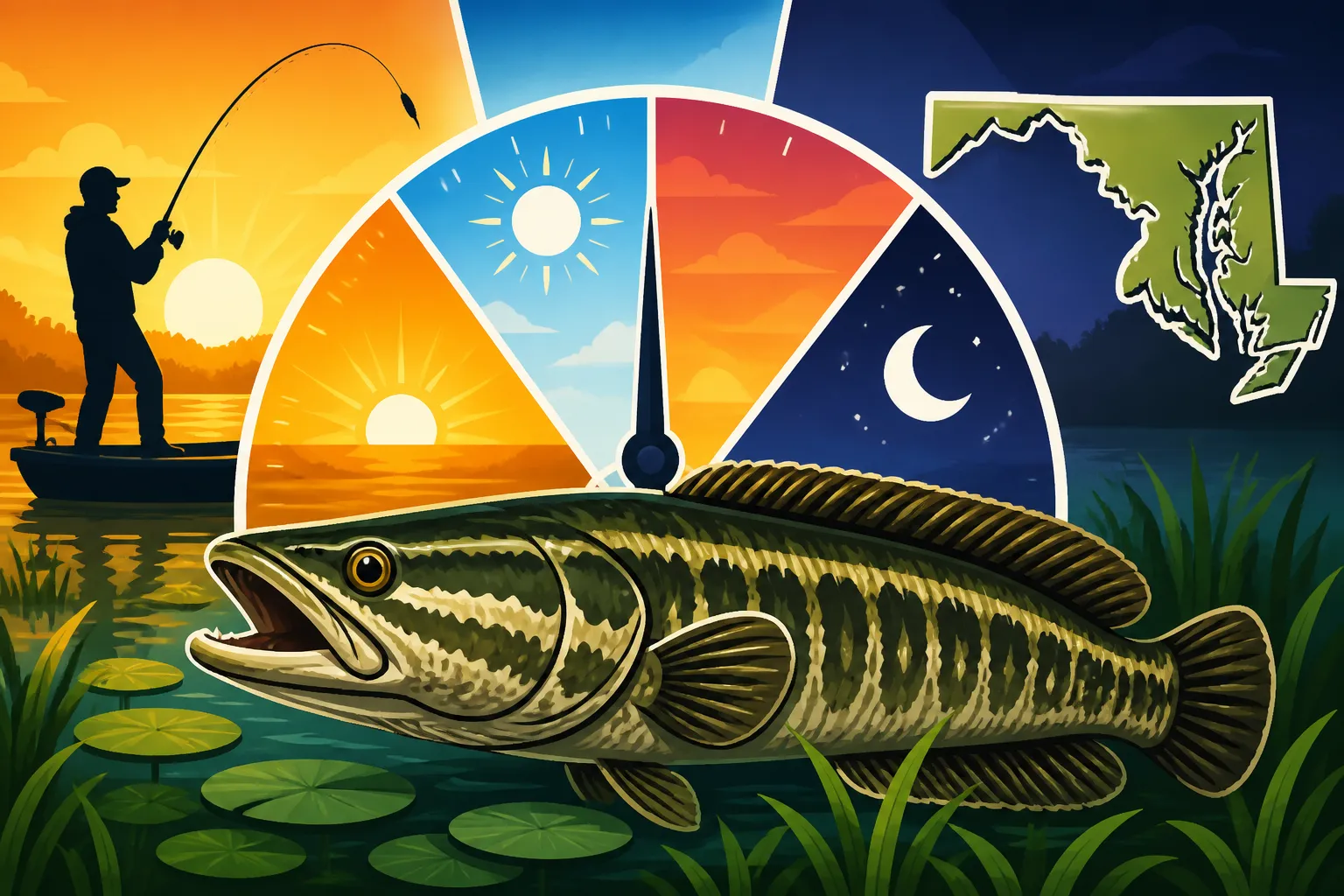
Snakeheads, with their reputation as ambush predators, often follow predictable daily patterns influenced by light, temperature, and their feeding instincts. While they can be caught at any time of day, certain windows offer significantly higher chances of success.
Early Morning: The Prime Hunt
Dawn breaks, and the world awakens, including the northern snakehead. This early morning period, typically from first light until an hour or two after sunrise, is arguably the most productive time to target these fish. The reasons are multifaceted and deeply rooted in their biology.
As the sun begins to creep over the horizon, water temperatures are usually at their coolest point after the night, especially during the warmer months. This drop in temperature often signals a period of increased comfort and activity for snakeheads. The low light conditions also provide a tactical advantage for these visual predators, allowing them to blend into the shadows and ambush unsuspecting prey more effectively. Baitfish, often dormant or scattered during the night, become more active and visible, presenting an easy target. During this time, you'll often find snakeheads cruising the edges of lily pads, grass beds, and other shallow cover, actively searching for a meal. This is when they are most likely to aggressively strike topwater presentations, mistaking them for frogs or mice crossing the surface. Many seasoned anglers will tell you that if you're going to throw a frog lure, early morning is your absolute best bet. This early push is a key insight when you're thinking about the "Best Time of Day to Catch Snakehead in Maryland".
Midday Slump and Adaptation
As the sun climbs higher and temperatures begin to rise, particularly in summer, snakehead activity often enters a noticeable lull. This "midday slump" can be frustrating for anglers who arrive late or stay out all day without adapting their tactics.
During the brightest and hottest parts of the day, snakeheads tend to retreat from open, shallow waters. They seek refuge in cooler, darker areas, often burying themselves deep within dense vegetation like hydrilla, lily pads, or beneath overhanging branches and docks. Think of it from their perspective: they’re not built for prolonged exposure to intense heat, and direct sunlight can be uncomfortable. Prey fish also become less active and seek similar cover, making active hunting less efficient for the snakehead. However, this doesn't mean they're impossible to catch. It just requires a different approach. Instead of broad casting, focus on pitching and flipping lures directly into heavy cover. Work your baits slower, almost teasing the fish out of its hideout. Sometimes, a slow-moving, weedless bait dropped right on their head can elicit a reaction strike, even if they aren't actively feeding. This adaptation to midday conditions is crucial for understanding where snakehead feed in shallow Maryland water. You might be surprised what you can pull out of the thickest mats if you’re patient and precise.
Late Afternoon and Evening Feeding Bursts
Just as the morning offers a prime window, the late afternoon and evening periods often present a resurgence of snakehead activity. As the sun begins its descent, air and water temperatures start to cool, mimicking the comfortable conditions of dawn.
The fading light once again gives snakeheads an advantage, allowing them to emerge from their midday retreats and resume active hunting. This can be an excellent time for anglers who missed the early morning bite or are looking for a second chance. The feeding patterns can be quite similar to the morning, with fish again patrolling the edges of cover and open water. Topwater action can pick back up, though sometimes with a slightly less explosive intensity than at dawn, depending on the specific water temperatures and ambient light. As dusk turns into full darkness, some dedicated anglers even pursue snakeheads at night. While not as commonly targeted in the dark as other species, snakeheads have been known to strike lures or live bait after sundown, especially during warm summer nights when their prey might be more active. However, night fishing for snakeheads requires specialized gear and an intimate knowledge of the water due to visibility challenges.
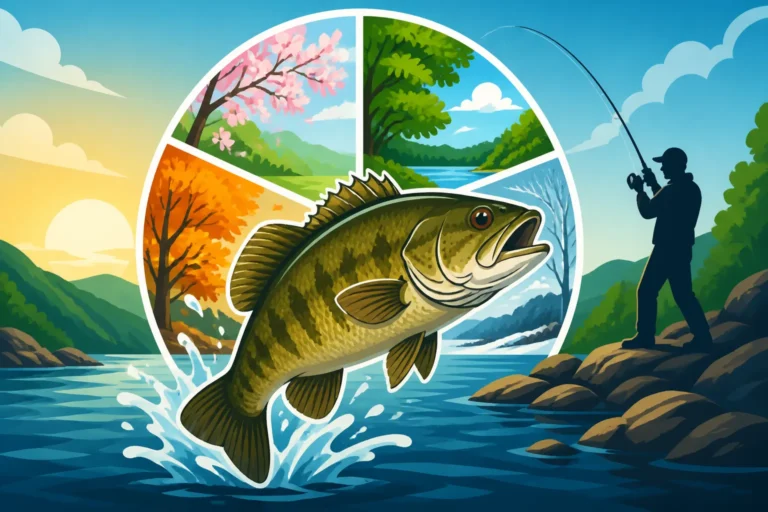
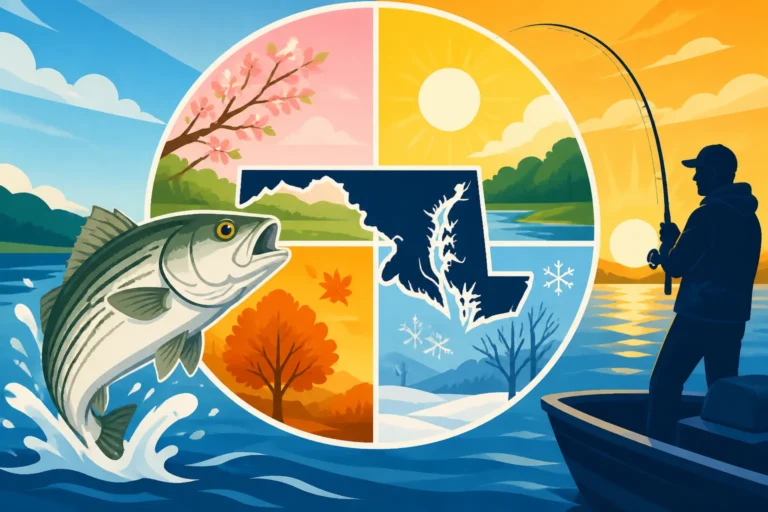
Seasonal Influences on Daily Snakehead Activity
While daily patterns are consistent, the intensity and specific timing of these windows are heavily dictated by the seasons. Maryland experiences distinct seasons, and snakeheads adjust their behavior accordingly.
Spring: Pre-Spawn and Spawning Frenzy
Spring is a time of awakening and increased activity for northern snakeheads in Maryland. As water temperatures begin to climb after the cold winter, these fish become highly active, first entering a pre-spawn phase and then moving into their spawning rituals.
During early spring, when water temperatures are typically in the 50s Fahrenheit, snakeheads are recovering from winter lethargy and beginning to feed aggressively to build energy for spawning. They can be found in shallower, sun-warmed bays and creek arms, where they absorb heat and forage for baitfish. In this pre-spawn stage, their daily feeding windows can be quite extended, often spanning much of the day as they seek out any available warmth. As temperatures rise into the 60s and 70s, the spawn begins. This is an incredibly active time, as pairs of snakeheads will guard their nests and fry. During the spawn, their territorial instincts are at an all-time high, making them incredibly aggressive towards anything perceived as a threat to their nest. While fishing directly on a nest isn't always sporting or effective, understanding that they are localized and defensive means that if you find one, there are likely others nearby. During this period, the "Best Time of Year to Fish in Maryland" for snakeheads truly includes the spring months, and their daily activity remains relatively high throughout much of the day, albeit with heightened aggression rather than pure feeding.
Summer: Heat and Shade Strategies
Maryland summers can be brutal, with high temperatures and humidity. These conditions profoundly impact snakehead behavior, often making them more challenging to catch during certain parts of the day.
In the heat of summer, snakeheads become masters of efficiency and thermal regulation. They will often concentrate in areas with abundant submerged vegetation, thick lily pads, or shady banks that offer relief from the intense sun. During midday, their activity levels drop significantly as they try to conserve energy and stay cool. This means that the early morning and late evening bites become even more critical during summer. Anglers must be on the water at dawn or target the dusk bite for the best action. If you brave the midday heat, you'll need to focus entirely on precision casting into the densest cover. A heavy flipping rod and robust braided line are essential for punching through matted vegetation to reach fish hunkered down below. While the feeding windows might be shorter, the intensity of the bite during these prime times can still be explosive. For insights into adapting your overall fishing strategy to the heat, check out our guide on "Summer Fishing Patterns on Maryland's Chesapeake Bay".
Fall: Feeding Before Winter
As autumn arrives in Maryland, bringing cooler air and water temperatures, snakeheads enter a crucial feeding phase known as the "fall turnover." This period is another excellent time to target them, often providing more consistent action than the dog days of summer.
In the fall, snakeheads begin to feed heavily, packing on reserves for the impending winter dormancy. This means their daily feeding windows often extend beyond the brief morning and evening bursts seen in summer. They become less sensitive to midday sun and may remain active for longer stretches. As baitfish begin to school up in preparation for winter, snakeheads will follow, often concentrating in specific areas where they can ambush large groups of prey. Look for them along drop-offs, channel edges, and points where baitfish funnel. While topwater lures can still be effective, especially on warmer fall days, subsurface baits like swim jigs and chatterbaits often become more productive as snakeheads start to hold slightly deeper. The cooler, stable temperatures of fall generally lead to more predictable and prolonged periods of daily activity, making it a favorite season for many snakehead anglers.
Winter: Slow and Steady
When winter truly sets in and water temperatures drop into the 40s or below, snakehead activity slows considerably. However, they don't completely shut down, and dedicated anglers can still find success, especially by adjusting their daily timing.
During winter, snakeheads become much more lethargic. Their metabolism slows, and they feed infrequently. Instead of actively hunting, they often relate to deeper channels, warmer springs, or muddy bottoms where temperatures are slightly more stable. The best time of day to target them in winter is typically during the warmest part of the day, often between late morning and mid-afternoon. On sunny days, snakeheads may move into shallower, dark-bottomed areas that warm up slightly. Your approach needs to be incredibly slow and patient. Finesse techniques and slow-moving, subtle baits are key. Think jigs fished extremely slowly, soft plastics on a shaky head, or even live bait presentations. It's a game of inches, not feet, and patience is paramount. While the bite might not be as aggressive, catching a snakehead in the dead of winter is a rewarding challenge. For general tips on cold-water angling, our "Cold-Weather Fishing Tips for Maryland's Chesapeake Bay" guide can offer broader advice applicable to various species.
Environmental Factors and How They Shift Daily Patterns
Beyond the seasons, various immediate environmental factors play a significant role in dictating when snakeheads are most active on any given day. Paying attention to these details can make a huge difference in your success.
The Impact of Tides and Water Flow
In the tidal rivers and brackish waters where snakeheads thrive, such as portions of the Potomac River and various Eastern Shore tributaries, the ebb and flow of tides are critical. They profoundly influence when and where snakeheads feed.
For many tidal species, including snakeheads, moving water often stimulates feeding. The incoming and outgoing tides can concentrate baitfish, wash food items out of cover, and create current breaks where predators can lie in wait. Generally, the periods around the peak of the incoming tide and the beginning of the outgoing tide are considered prime. During these times, the water movement is often strongest, pushing baitfish into predictable ambush points. Conversely, the slack tide periods – the brief moments of little to no current at the high or low tide transition – can sometimes see a dip in activity, as the water becomes still and bait disperses. However, some anglers find success on a slack high tide when fish might be pushed deeper into flooded cover. The key is to observe the specific body of water you're fishing. For instance, fishing the tidal Potomac near Washington will have different nuances than a small Eastern Shore creek. Understanding "How Tides Affect Fishing in Maryland's Chesapeake Bay" can provide a broader context, though snakeheads often prefer the shallower, calmer backwaters. Learning to read current seams, eddy lines, and the mouths of feeder creeks during different tidal stages is vital for consistently finding active snakeheads throughout the day.
Weather, Cloud Cover, and Barometric Pressure
The daily weather forecast is more than just a suggestion for what to wear; it's a blueprint for snakehead activity. Cloud cover, rain, and changes in barometric pressure all influence their feeding moods and patterns.
- Overcast Days: Unlike bright, sunny days that force snakeheads deep into cover during midday, overcast conditions often extend their active feeding windows. The diffused light makes them more comfortable in shallower water for longer periods, increasing the chances of topwater bites throughout the day.
- Rain: Light, steady rain can sometimes trigger an aggressive bite. The rain washes insects and nutrients into the water, and the disturbance on the surface can mask an angler's presence while making it easier for snakeheads to ambush prey. Heavy downpours, however, can muddy the water, disrupt feeding, and make fishing challenging.
- Barometric Pressure: A stable or slowly falling barometric pressure is often associated with active feeding. A rapidly dropping pressure, often preceding a major storm front, can also spur a feeding frenzy as fish sense changes and feed opportunistically. Conversely, a rapidly rising pressure after a cold front often results in a tough bite, with fish becoming sluggish and inactive. These "post-front" conditions can make catching any fish, let alone snakeheads, a real grind. For broader context on how weather influences fishing, consider how "How Rain Affects Fishing on Maryland Rivers" can impact your local snakehead spots.
Water Temperature: The Ultimate Regulator
Of all the environmental factors, water temperature is perhaps the most critical in dictating daily snakehead activity. It governs their metabolism, comfort levels, and the activity of their prey.
Snakeheads are freshwater fish, but they tolerate a wide range of temperatures. However, they have optimal feeding zones. As a general rule, they become most active when water temperatures are between 65°F and 80°F.
- Below 50°F: Activity is very low. They're sluggish and feed minimally. Targeting the warmest part of the day is crucial.
- 50°F – 60°F: Increased activity. They start moving into shallower, sun-warmed areas. Daily feeding windows extend.
- 60°F – 80°F: Prime activity and feeding. This is their comfort zone, and they will be actively hunting throughout the primary morning and evening windows, with less severe midday lulls on cloudy days.
- Above 80°F: Activity can decrease during the hottest parts of the day. They'll seek deep cover or thermoclines to stay cool, making early morning and late evening even more important.
Having a simple handheld water thermometer can be an invaluable tool to understand how temperature is influencing daily snakehead behavior and adjust your timing and location accordingly.
Gear and Techniques for Different Times of Day
Matching your gear and techniques to the specific time of day and prevailing conditions is paramount for snakehead fishing success. What works at dawn might be useless at high noon.
Topwater Lures for Low-Light Periods
When the sun is low on the horizon, either at dawn or dusk, topwater lures are often your most exciting and effective weapon. The reduced visibility makes it easier for snakeheads to ambush these surface presentations without being seen.
- Frogs: Weedless frog lures, like the popular SPRO Bronzeye Poppin' Frog or Livetarget frogs, are iconic for snakehead fishing. They can be worked slowly over dense lily pads, hydrilla mats, and emergent vegetation where snakeheads love to hide. The "walk-the-dog" retrieve or a simple twitch-and-pause mimic a frog or small rodent struggling on the surface. You can find a fantastic selection of these on Amazon. This is directly tied to "How to Catch Snakehead With Topwater Lures".
- Poppers: Poppers create a loud "bloop" or "pop" sound when retrieved, which can draw aggressive strikes from snakeheads that are reacting to sound and vibration in low light.
- Buzzbaits: For a more active presentation, buzzbaits can be reeled steadily across open water or just outside heavy cover. The churning blade creates a commotion that can attract fish from a distance. The key to success with topwater in low light is patience and strategic placement. Cast accurately to the edges of cover and be ready for an explosive strike!
Subsurface Baits for Midday and Deeper Water
As the day progresses and the sun intensifies, you'll need to shift your tactics to subsurface presentations, especially when targeting fish hunkered down in cover or deeper water.
- Swim Jigs and Soft Plastics: Weedless swim jigs, often paired with a grub or paddletail trailer, are excellent for working through sparse vegetation or along cover edges. For extremely dense cover, a heavy punching jig or a Texas-rigged soft plastic creature bait (like a Strike King Rage Bug) is necessary. These baits can be dropped directly into holes in the vegetation or slowly dragged along the bottom, probing for hidden snakeheads.
- Chatterbaits: Bladed jigs, commonly known as ChatterBaits (Z-Man ChatterBaits being a popular choice), produce a strong vibration and flash that can provoke reaction strikes from lethargic fish. They excel when fished along grass lines, over submerged stumps, or through open lanes in vegetation. The constant thumping action is a fantastic way to locate active fish when they're not committing to topwater. Many anglers swear by these for "Techniques for Catching Snakehead in Maryland".
- Spinnerbaits: While perhaps less common than jigs or chatterbaits for snakeheads, spinnerbaits can be effective in stained water or around woody cover, particularly during the transition periods of morning and evening, or on cloudy days during midday. Their flash and vibration can be irresistible.
Rods, Reels, and Lines for All-Day Snakehead Fishing
Snakehead fishing demands robust gear that can handle powerful fish and heavy cover. You're not going after panfish here; you're tackling a formidable predator.
- Rods: A heavy to extra-heavy power baitcasting rod, typically 7' to 7'6" in length, is ideal. This powerful backbone is crucial for wrenching large snakeheads out of thick vegetation and for making accurate pitches with heavy lures. A fast or extra-fast action tip allows for precise casting and quick hook sets. For example, a St. Croix Bass X rod might be a good option found easily on Amazon.
- Reels: A sturdy baitcasting reel with a gear ratio of 7.1:1 or higher is preferred for quick line retrieval and immediate hook sets. Look for reels with strong drag systems that can withstand the powerful runs of a hooked snakehead.
- Line: Braided line is non-negotiable for snakehead fishing. Its incredible strength, lack of stretch, and abrasion resistance are vital for cutting through vegetation and handling powerful fish. A minimum of 50-pound test braided line is recommended, often going up to 65 or even 80 pounds for punching heavy mats. A short leader of 30-50 pound fluorocarbon or monofilament can be added if the water is exceptionally clear, but many anglers go straight braid for maximum strength in heavy cover. This heavy setup is necessary given the "Maryland Snakehead Fishing Rules" which encourage aggressive removal of these invasive fish.
| Time of Day | Typical Activity Level | Conditions for Success | Recommended Lures/Techniques |
|---|---|---|---|
| Early Morning | High | Low light, cooler temperatures, active prey | Topwater frogs, poppers, buzzbaits |
| Midday | Low to Moderate | Bright sun, high temps, fish in heavy cover | Punching jigs, Texas-rigged soft plastics, ChatterBaits |
| Late Afternoon | Moderate to High | Fading light, cooling temps, renewed prey activity | Topwater frogs/poppers, swim jigs, spinnerbaits |
| Evening/Dusk | High | Low light, comfortable temps, active feeding | Topwater frogs, dark-colored spinnerbaits/jigs |
| Winter (Midday) | Low | Cold water, sunny, warmest part of the day | Slow-fished jigs, finesse plastics, live bait |
| Overcast Days | Extended High | Diffused light, comfortable temps all day | Topwater throughout, ChatterBaits, swim jigs |
| Rising Tide | High | Moving water, concentrated baitfish | Jigs, ChatterBaits, swim jigs along current breaks |
Remember, while these are general guidelines for the best time of day to catch snakehead in Maryland, persistence and adaptability are always your best tools. Pay attention to the specific conditions on the water, observe fish behavior, and don't be afraid to experiment with different baits and techniques until you crack the code for that particular day.
Disclaimer
Fishing regulations and species information can change. Always consult the latest Maryland Department of Natural Resources (DNR) rules and guidelines before heading out on the water. This article is for informational purposes only and should not be considered legal advice.