Fishing Rocky Gorge Reservoir
Navigating the waters of central Maryland for a good fishing spot can sometimes feel like a treasure hunt, especially when you want something a bit different from the usual Chesapeake Bay hustle. Many of us are looking for serene, productive freshwater havens that aren't too far from home. If you're tired of crowded piers or long drives, then Rocky Gorge Reservoir, an often-overlooked gem, might just be your next favorite destination. This comprehensive guide will walk you through everything you need to know about fishing Rocky Gorge, ensuring your next trip is both successful and enjoyable.
Understanding Rocky Gorge Reservoir: A Central Maryland Gem
Rocky Gorge Reservoir, also known by some as Brighton Dam, is more than just a body of water; it's a vital resource and a fantastic angling opportunity in central Maryland. Nestled between Montgomery and Howard counties, this reservoir plays a critical role as a drinking water supply for millions, which, as we'll see, influences some of the unique regulations you need to know. But beyond its utility, it offers a peaceful, scenic backdrop for a day of fishing, a welcome escape from the daily grind.
A Brief History and Geography
Rocky Gorge Reservoir was created by the construction of the Brighton Dam on the Patuxent River. It's one of two reservoirs, along with Triadelphia Reservoir (formed by the T. Howard Duckett Dam), that supply drinking water to parts of Montgomery and Prince George's counties, managed by the Washington Suburban Sanitary Commission (WSSC Water). Because of this crucial function, the reservoir maintains a certain level of protection and specific access rules, which contribute to its relatively pristine environment.
The reservoir itself is quite large, offering expansive open waters, numerous coves, and varying depths, making it ideal for a diverse fishery. Its shores are largely undeveloped and wooded, providing beautiful scenery and a sense of wilderness, even though it's conveniently located near major population centers. The Patuxent River and Hawlings River are its primary feeders, bringing in nutrients and creating fertile grounds for fish. The deeper sections and submerged timber offer excellent structure for many species, while shallower coves warm up quickly in spring, drawing in active fish.
Key Fish Species to Target
Rocky Gorge is a genuinely diverse freshwater fishery, catering to anglers targeting a variety of popular species. You'll find plenty of action here, whether you're after a hard-fighting game fish or a tasty panfish for dinner.
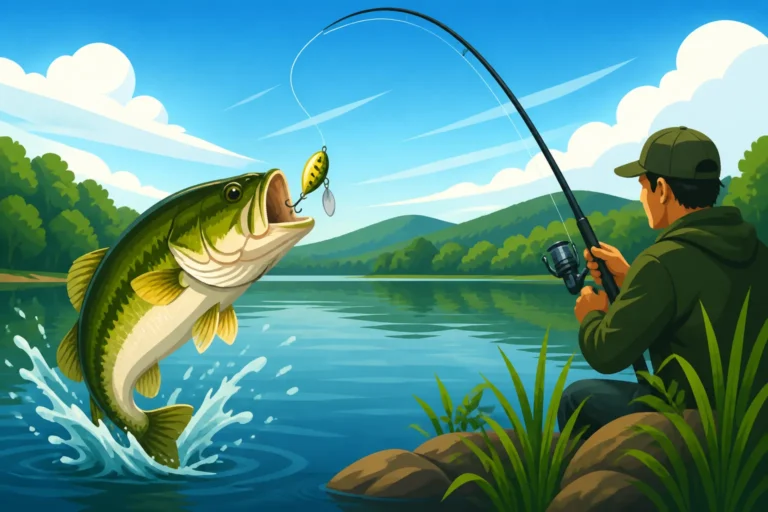
- Largemouth Bass: These are arguably the most popular target at Rocky Gorge. The reservoir's abundant cover, submerged timber, and varying depths create ideal habitats for largemouth. Anglers regularly pull out healthy bass, and trophy-sized fish are definitely present. They are often found around fallen trees, weed beds, and along drop-offs. If you're passionate about bass fishing, Rocky Gorge offers fantastic opportunities. For more on these popular fighters, check out our guide on Largemouth Bass Fishing in Maryland.
- Smallmouth Bass: While not as prolific as largemouth, smallmouth bass are also present, particularly in the clearer, rockier areas, often closer to the dam or in areas with current from the Patuxent River. They offer a different kind of fight, often more acrobatic and hard-hitting.
- Hybrid Striped Bass: This is a truly exciting species to target in Rocky Gorge. These hard-fighting fish are a cross between striped bass and white bass, known for their powerful runs. WSSC Water has a stocking program for these hybrids, ensuring a good population. They often school up and can provide fast action, especially when located.
- Panfish: Rocky Gorge is a paradise for panfish enthusiasts. You'll find healthy populations of:
- Crappie: Both black and white crappie are common, often schooling around submerged timber and brush piles. They provide excellent table fare and are a blast to catch, especially in spring and fall.
- Bluegill & Sunfish: Abundant throughout the reservoir, these feisty little fish are perfect for beginners or anyone looking for consistent action. They can be found near shorelines, docks, and any available cover. For a deeper dive into these popular species, our guide on Maryland Panfish: Crappie, Perch and Sunfish offers invaluable insights.
- Yellow Perch: While more commonly associated with the Bay tributaries, yellow perch are also present in Rocky Gorge, offering another panfish option, particularly in cooler months.
- Catfish: Channel catfish and brown bullheads are present and can grow to impressive sizes. They are bottom dwellers and offer a strong fight, often being targeted with different bait and techniques. They are a great target for those looking to fish into the evening or at night, as they become more active after dark.
Access Points and Restrictions
This is where Rocky Gorge differs significantly from many other public fishing spots. Due to its status as a drinking water reservoir, access is carefully managed by WSSC Water.
- WSSC Watershed Use Permit: This is crucial. In addition to a valid Maryland Fishing License Guide for 2026, you must obtain a WSSC Watershed Use Permit. This permit allows you to access the designated areas for fishing, boating, and hiking. You can purchase these online through the WSSC website or at select vendors. Failing to have this permit can result in fines, so don't overlook it!
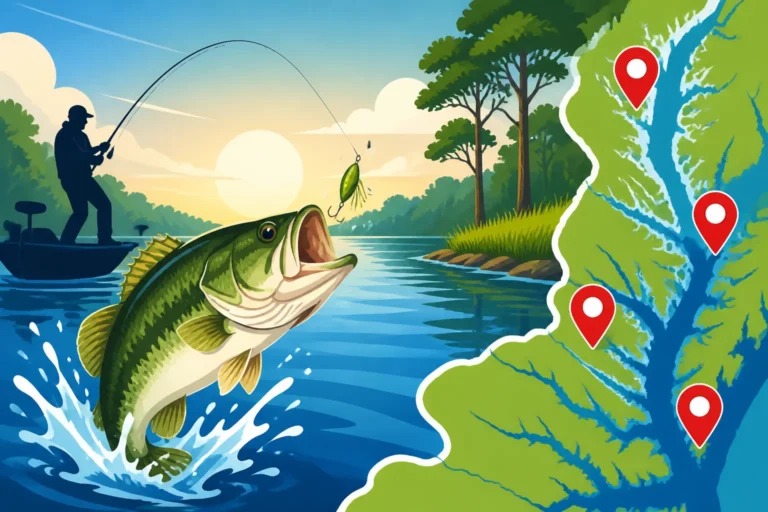
- Boat Ramps: There are several designated boat ramps for Rocky Gorge (Brighton Dam) and Triadelphia Reservoir. For Rocky Gorge, a popular access point is the Supplee Lane Boat Ramp in Laurel. For Triadelphia, you'll find ramps at Triadelphia Lake Road and Greenbridge Road. It's essential to use only these authorized ramps.
- Electric Motors Only: A key regulation for all boating on Rocky Gorge is that only electric motors are permitted. This means no gasoline-powered outboard motors are allowed, helping to maintain water quality. This rule makes kayaks, canoes, and small jon boats with electric trolling motors incredibly popular. It also contributes to the peaceful atmosphere, as you won't hear the roar of powerful engines. If you're planning on using a boat, make sure it's set up for electric propulsion.
- Shoreline Access: Shoreline access for fishing is limited and restricted to designated areas, usually around the boat ramps or specific public access points. Most of the reservoir's perimeter is private property or restricted watershed land. Always pay attention to signage and respect property boundaries.
Essential Gear and Techniques for Rocky Gorge
Fishing Rocky Gorge, like any unique body of water, benefits from tailored gear and techniques. Adapting your approach to the reservoir's specific features and regulations will significantly increase your chances of a successful outing.
Best Baits and Lures for Local Species
Matching your bait or lure to the species you're targeting and the current conditions is paramount.
- For Largemouth and Smallmouth Bass:
- Soft Plastics: These are incredibly versatile. Stick worms, senkos, creature baits (like crawfish imitations), and various plastic worms rigged Texas-style or wacky-style are highly effective. Green pumpkin, black and blue, and natural shad colors are always good choices. Jigging a soft plastic grub or tube bait around submerged structures can also yield results.
- Crankbaits and Spinnerbaits: Shallow-diving crankbaits work well along weed lines and points, especially in spring and fall. Spinnerbaits with willow leaf or Colorado blades are excellent for covering water and triggering反応s from aggressive bass.
- Topwater Lures: During low light conditions (dawn, dusk) and overcast days, topwater poppers, frogs (especially over matted vegetation), and walking baits can provide exhilarating strikes.
- For Hybrid Striped Bass:
- Jigs and Scented Soft Plastics: Trolling or casting chartreuse or white bucktail jigs, or jigging spoons, can be very effective, particularly when hybrids are schooling. Soft plastics resembling baitfish (shad or shiners) on a jig head also work wonders.
- Live Bait: If legal and available, live shiners or herring can be irresistible to hybrids, often fished under a bobber or free-lined.
- For Panfish (Crappie, Bluegill, Yellow Perch):
- Small Jigs and Spinners: Tiny tube jigs, marabou jigs, or hair jigs in white, black, or chartreuse are perfect for crappie. Small inline spinners (like Rooster Tails or Mepps) attract bluegill and yellow perch.
- Live Bait: A classic for a reason! Worms (nightcrawlers, red wigglers) under a bobber are always effective for bluegill and perch. Small minnows or crappie nibblers are deadly for crappie, especially when they're schooling.
- For Catfish:
- Cut Bait: Pieces of oily fish (like shad or herring) are excellent.
- Chicken Livers: A time-tested catfish bait, particularly effective for channel cats.
- Stink Baits: Pre-made dough balls or stink baits designed for catfish can also work. Fish these on the bottom with a Carolina rig.
Effective Fishing Techniques by Season
Understanding how fish behave throughout the year will help you adapt your strategy. Our guide on the Best Time of Year to Fish in Maryland offers a broader perspective, but here’s how it applies to Rocky Gorge:
- Spring (March-May): This is prime time! As water temperatures rise, fish become incredibly active.
- Bass: Largemouth will move into shallower coves and creek arms for pre-spawn feeding. Target areas with new weed growth or submerged wood. Smallmouth will also become active in transition areas.
- Crappie: Look for crappie moving into shallower brush piles, fallen trees, and docks to spawn. Small jigs and minnows are highly effective.
- Hybrids: Can be found schooling and chasing bait in open water or along prominent points.
- Summer (June-August): As temperatures soar, fish often move deeper to find cooler water and oxygen.
- Bass: Early mornings and late evenings are best for topwater action. During the day, target deeper structure like points, ledges, and submerged timber with Texas-rigged worms, deep-diving crankbaits, or jigs.
- Panfish: Will often be deeper, but can still be caught around shady cover or deep docks with live bait.
- Hybrids: Continue to chase bait in open water, often found near thermoclines. Look for schooling activity on your fish finder.
- Fall (September-November): Fish are aggressively feeding to bulk up for winter, making this another excellent season.
- Bass: Move back to shallower depths, especially along rocky banks and points, actively chasing baitfish. Spinnerbaits, crankbaits, and swimbaits are very productive.
- Crappie: School up again, often found in deeper brush piles or along channel edges.
- Hybrids: Can be very active, chasing baitfish on the surface, making for exciting topwater or jigging opportunities.
- Winter (December-February): Fishing slows down, but dedicated anglers can still find success.
- Bass: Move to deep, vertical structure, often suspended over humps or along channel breaks. Slow presentations with jigs or blade baits are key.
- Panfish: Will be deep and sluggish; vertical jigging with tiny spoons or jigs can tempt them.
- Hybrids: Can be found in deep holes, sometimes schooling, requiring a vertical jigging approach.
Navigating the Reservoir: Boats and Kayaks
The "electric motors only" rule significantly shapes how you approach boating on Rocky Gorge.
- Kayaks and Canoes: These are arguably the kings of Rocky Gorge. Their silent approach allows you to sneak up on wary fish, and their shallow draft lets you access tighter coves and brushy areas that larger boats can't reach. They're also easy to launch from the designated ramps. If you're new to this, exploring Kayak Fishing Techniques for Maryland Waters could be incredibly helpful.
- Jon Boats and Small Skiffs: Equipped with a reliable electric trolling motor and a good battery, these boats are also very effective. They offer more space for gear and stability, which can be a plus, especially if you're fishing with a partner.
- Depth Finders/Fish Finders: Regardless of your vessel type, a good depth finder is an invaluable tool on Rocky Gorge. The reservoir has significant underwater structure, including old roadbeds, submerged timber, and varying depths. A fish finder will help you locate these features, identify baitfish schools, and pinpoint where game fish might be holding, especially during the deeper summer and winter months.
Regulations, Permits, and Conservation Efforts
Fishing Rocky Gorge requires a bit more than just tossing a line in the water; it means understanding and respecting the rules set by both the Maryland Department of Natural Resources (DNR) and WSSC Water. These regulations are in place to protect the fishery and, most importantly, the public drinking water supply.
Maryland Fishing License and WSSC Permits
As previously mentioned, these are non-negotiable for anyone planning to fish or boat on Rocky Gorge.
- Maryland Nontidal Fishing License: You will need a valid Maryland freshwater (nontidal) fishing license. This is standard for all freshwater bodies in the state. If you primarily fish the Chesapeake Bay, make sure your license covers nontidal waters as well, or you might need a separate endorsement or license type. Understanding the nuances between a Maryland Nontidal vs Tidal Fishing License, Explained can save you a headache. You can easily purchase your license online or at many bait and tackle shops. For a step-by-step guide, check out How to Buy a Maryland Fishing License.
- WSSC Watershed Use Permit: This additional permit is absolutely critical for access to WSSC-managed reservoirs like Rocky Gorge. It's a separate fee that supports the management and conservation efforts of the watershed. You can typically purchase annual permits, which are very cost-effective for regular visitors, or shorter-term permits if you're just visiting for a day or a weekend. Always carry both your Maryland fishing license and your WSSC permit with you while on the reservoir. WSSC staff and local authorities regularly patrol and check for these permits.
Size and Creel Limits for Rocky Gorge
For most species in Rocky Gorge, the statewide Maryland fishing size and creel limits apply. However, it's always smart to double-check the latest WSSC Water regulations brochure or website, as there could be specific local rules or temporary changes for certain species.
Here's a general overview of common limits, but always verify before you go:
| Species | Minimum Size Limit (Generally) | Daily Creel Limit (Generally) | Notes |
|---|---|---|---|
| Largemouth/Smallmouth Bass | 12-15 inches (varies by water) | 5 | Often a slot limit in some areas; check specific DNR rules. Catch and release encouraged for larger fish. |
| Hybrid Striped Bass | 15 inches | 2 | |
| Crappie | None | 15 | |
| Yellow Perch | None | 10 | |
| Bluegill/Sunfish | None | None (or generous) | Check local DNR guide for specific waterbody exceptions. |
| Channel Catfish | None | None (or generous) |
Please note: This table provides general guidelines. Fishing regulations can change, and specific rules for Rocky Gorge might differ slightly. Always consult the current Maryland DNR fishing guide and WSSC Water regulations before your trip.
For a comprehensive look at general regulations, refer to our guide on Maryland Fishing Size and Catch Limits by Species. Specifically for bass, you might find our article on Maryland Largemouth Bass Size Limit by Water helpful. Conservation-minded anglers often practice catch and release, especially for larger bass and hybrids, to help maintain a healthy fishery.
Conservation and Responsible Angling
Because Rocky Gorge is a public drinking water source, responsible angling and conservation practices are not just good habits—they're absolutely essential.
- Leave No Trace: Pack out everything you pack in. This includes all trash, fishing line, bait containers, and any other litter. Even biodegradable materials can impact water quality.
- Respect Wildlife: Observe wildlife from a distance and avoid disturbing nesting areas or sensitive habitats.
- Proper Fish Handling: If you plan to release fish, handle them gently. Minimize their time out of water, use wet hands, and revive them properly before release. This ensures a higher survival rate for the fish you put back.
- Report Violations: If you witness any illegal activities, such as pollution, unauthorized access, or poaching, report it to WSSC Water or the Maryland Natural Resources Police. Protecting this valuable resource is everyone's responsibility.
- Keep it Clean: Avoid using harsh chemicals, disposing of waste fuel, or anything that could contaminate the water. The health of the reservoir directly impacts the drinking water supply.
Planning Your Trip to Rocky Gorge
A successful fishing trip to Rocky Gorge Reservoir involves more than just knowing where the fish are; it's about preparation, timing, and enjoying the unique environment this special place offers.
Best Times to Visit and Local Considerations
Choosing the right time to visit can significantly impact your experience.
- Seasonal Peaks: As discussed, spring and fall generally offer the most active fishing for a wide variety of species. The milder weather also makes for a more comfortable day on the water. Summer mornings and evenings can be productive, but the midday heat can be challenging for both anglers and fish. Winter fishing is slower but can yield big fish for those who brave the cold.
- Weekday vs. Weekend: Like most popular spots, Rocky Gorge can get busy on weekends, especially during peak seasons. If you prefer solitude and less crowded ramps, a weekday trip is usually your best bet.
- WSSC Announcements: Before heading out, always check the WSSC Water website for any special announcements, closures, or temporary rule changes. There might be maintenance work, water level fluctuations, or other issues that could affect access or fishing conditions.
- Local Amenities: While Rocky Gorge itself is fairly undeveloped, there are bait and tackle shops, convenience stores, and restaurants in nearby towns like Laurel, Burtonsville, and Olney. Plan to pick up your bait, tackle, and provisions before you arrive at the reservoir.
Tips for a Successful Day on the Water
Even with the best intentions, a lack of preparation can ruin a fishing trip. Here are some pointers to ensure your day is smooth and enjoyable:
- Pack Smart: Bring plenty of water and snacks, especially on warmer days. Sunscreen, a hat, and sunglasses are essential. Dress in layers, as conditions can change quickly on the water. Don't forget bug spray, especially during warmer months near wooded areas.
- Know Your Access: Have a clear plan for which boat ramp you'll use and how to get there. GPS is helpful, but a physical map or screenshots can be a lifesaver if cell service is spotty.
- Battery Power: If using an electric trolling motor, ensure your battery (or batteries) are fully charged and in good working condition. Consider bringing a spare if you plan for a full day of extensive motoring.
- Safety First: Always wear a life vest, especially if you're in a kayak or canoe. Let someone know where you're going and when you expect to return. Be aware of weather forecasts and be prepared to get off the water if storms roll in.
- Observe and Adapt: Pay attention to your surroundings. Are there baitfish jumping? Are birds diving? Look for subtle signs of fish activity. Don't be afraid to change your lure, bait, or fishing location if what you're doing isn't working. Fishing is often about experimenting and adapting to the conditions.
- Leave No Trace: We can't stress this enough. Treat Rocky Gorge with the respect it deserves as a pristine natural resource and a drinking water supply.
Making the Most of Your Rocky Gorge Experience
Rocky Gorge Reservoir offers a unique and rewarding fishing experience that stands apart from other Maryland fishing destinations. It's a place where the tranquility of nature meets the challenge of a diverse, healthy fishery.
Unique Opportunities for Anglers
What makes Rocky Gorge truly special is its blend of accessibility and serenity. Being an electric-only reservoir means less noise and boat traffic, fostering a more peaceful environment that often translates to less pressured fish. This offers a distinct advantage for anglers who prefer a quieter outing and enjoy the challenge of a more stealthy approach, particularly for bass and crappie. The reservoir's significant size, combined with its many coves and intricate bottom structure, means there's always a new spot to explore, offering a sense of discovery on every trip. The chance to hook into a hard-fighting hybrid striped bass or a trophy largemouth, all while surrounded by undeveloped woodlands, is a genuine treat. It’s a wonderful alternative to the often-busier waters of the Maryland Chesapeake Bay Sport Fishing License Explained areas.
Resources for Continued Learning
Even the most seasoned anglers benefit from ongoing learning and local insights. To stay current with regulations and maximize your success:
- WSSC Water and Maryland DNR Websites: These are your primary sources for official rules, stocking reports, and any emergency closures. Bookmark them!
- Local Bait and Tackle Shops: These are invaluable hubs of local knowledge. Shop owners and staff can provide up-to-the-minute reports on what's biting, where, and with what bait. Places like Angler's Sport Center (Annapolis) or Bass Pro Shops (Hanover) might not be right next to the reservoir, but they often have staff with extensive knowledge of central Maryland waters.
- Online Fishing Forums and Social Media Groups: Search for Maryland-specific fishing groups or forums. Many anglers are happy to share tips, recent successes, and even challenges they're facing on local waters. This is a great way to learn from the community and connect with fellow enthusiasts.
- Guided Trips: While specific Rocky Gorge guides might be limited due to the electric-only rule, many skilled local guides who specialize in freshwater fishing can teach you techniques that are highly transferable to the reservoir. Platforms like FishingBooker, while often associated with saltwater charters, can also connect you with freshwater guides across Maryland, including those on other reservoirs or rivers, providing insights that can be adapted to Rocky Gorge. Learning from an expert can dramatically shorten your learning curve and introduce you to new tactics.
By embracing these resources and appreciating Rocky Gorge for its unique qualities, you'll not only have more successful fishing trips but also deepen your connection to this beautiful and important Maryland waterway.
Disclaimer
Fishing regulations and conditions in Maryland can change frequently. While this guide aims to provide accurate and up-to-date information, it is your responsibility to consult the latest official regulations from the Maryland Department of Natural Resources (DNR) and WSSC Water before any fishing trip. Always prioritize safety and practice responsible angling.