Fishing Little Seneca Lake
There’s nothing quite like the anticipation of a bend in your rod, especially when you’re out on a beautiful, tranquil lake in Maryland. But let's be real, figuring out where to go, what to target, and how to actually catch something can feel overwhelming, especially if you’re new to a particular body of water. That's why we're diving deep into Little Seneca Lake, a gem nestled within Montgomery County, to give you all the insights you need to make your next fishing trip a successful one.
Unveiling the Charms of Little Seneca Lake for Anglers
Little Seneca Lake, a stunning 505-acre reservoir tucked away within Black Hill Regional Park, is far more than just a pretty face. It's a vibrant ecosystem that offers diverse fishing opportunities for anglers of all skill levels, from those just starting their journey to seasoned veterans seeking a challenge. However, like any good fishing spot, it has its quirks and secrets that can make or break your day on the water. Many people arrive expecting instant action, only to be puzzled when the bites don't come easily. This often comes down to not understanding the lake's unique structure, its resident fish species, and the best times and methods to approach them. This guide aims to demystify these aspects, helping you feel more confident and prepared the next time you launch your boat or cast from the shore.
A Closer Look at the Lake’s Habitat
Little Seneca Lake isn't just a big bowl of water; it’s a dynamic environment shaped by its surrounding landscape and the Seneca Creek watershed. The lake was formed by damming Seneca Creek, which still feeds into it, bringing nutrients and creating varied depths and currents. What makes this particular lake so interesting are the submerged timber and standing trees that pepper its waters. These structures, remnants of the forest that once stood there, create fantastic cover and ambush points for predatory fish. Imagine dense underwater forests where bass and crappie can hide, waiting for an unsuspecting meal to swim by. This means anglers need to be prepared to navigate these submerged hazards, but also to recognize them as prime fishing real estate.
Beyond the timber, you'll find various coves, points, and gradual slopes that offer different fishing scenarios depending on the season and time of day. Some areas feature lily pads and other aquatic vegetation, particularly in the shallower coves, which provide additional cover and insect life, attracting baitfish and the larger predators that feed on them. Understanding these distinct habitat types is crucial for selecting the right presentation and increasing your chances of a bite. For instance, a shallow, weedy cove might be perfect for topwater lures in the morning, while a deep drop-off near standing timber could hold bigger fish later in the day when they retreat to cooler, darker waters.
Key Fish Species Calling Little Seneca Lake Home
When you cast your line into Little Seneca Lake, you're entering a diverse aquatic world. The lake is primarily renowned for its impressive population of largemouth bass, drawing anglers from all over the region. These feisty green fish thrive in the lake's structure-rich environment, offering exciting battles. Many local tournaments are held here specifically targeting these bass, a testament to their healthy numbers and respectable sizes. Beyond bass, you'll find an abundance of black crappie and various sunfish, including bluegill, which are perfect targets for a relaxed afternoon with the family or for honing your panfish techniques.
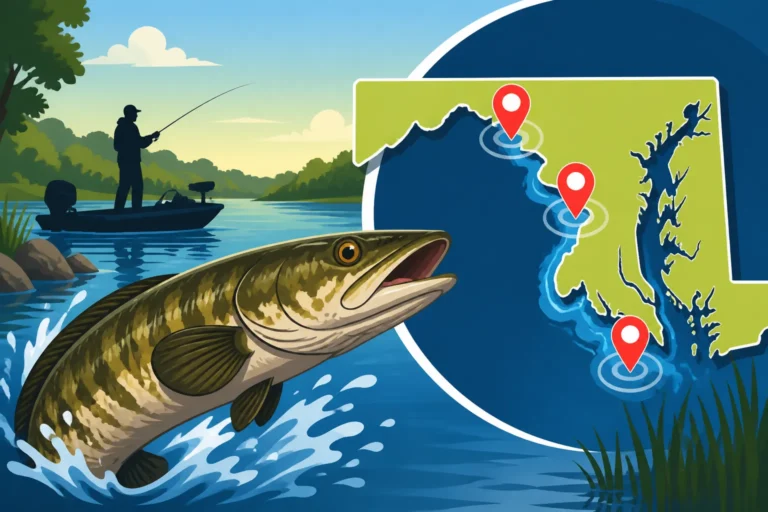
However, Little Seneca Lake truly stands out for one particular, elusive species: the tiger muskie. These hybrid muskellunge are regularly stocked by the Maryland Department of Natural Resources (DNR) and represent a unique trophy opportunity. Catching one of these toothy giants is a badge of honor for any angler. While less common, channel catfish are also present, often found in deeper areas or near the creek channel, providing another fun challenge for those who enjoy bottom fishing. Occasionally, anglers also report northern pike, adding another layer of excitement to the lake's piscatorial lineup. Each species has its own preferences for habitat, bait, and technique, making Little Seneca a fascinating and ever-changing fishing destination.
Mastering Techniques for Little Seneca Lake's Favorite Catches
Fishing Little Seneca Lake effectively requires a bit of strategy and understanding of the preferred methods for its resident fish. It's not just about throwing a line in and hoping for the best; it's about matching your approach to the species you're targeting and the conditions of the lake on any given day. Many anglers get frustrated because they use a "one-size-fits-all" approach, when in reality, varying your tactics is key to unlocking the lake's potential. Let's break down some proven techniques for the most popular species you'll encounter here.
Landing Largemouth Bass
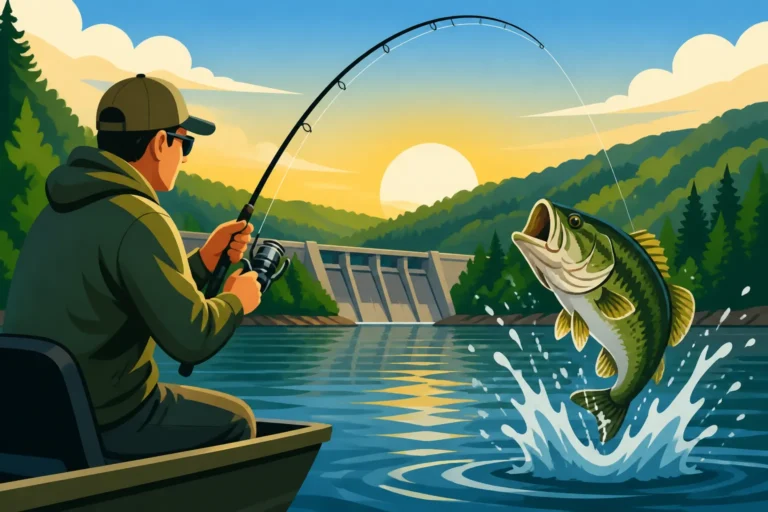
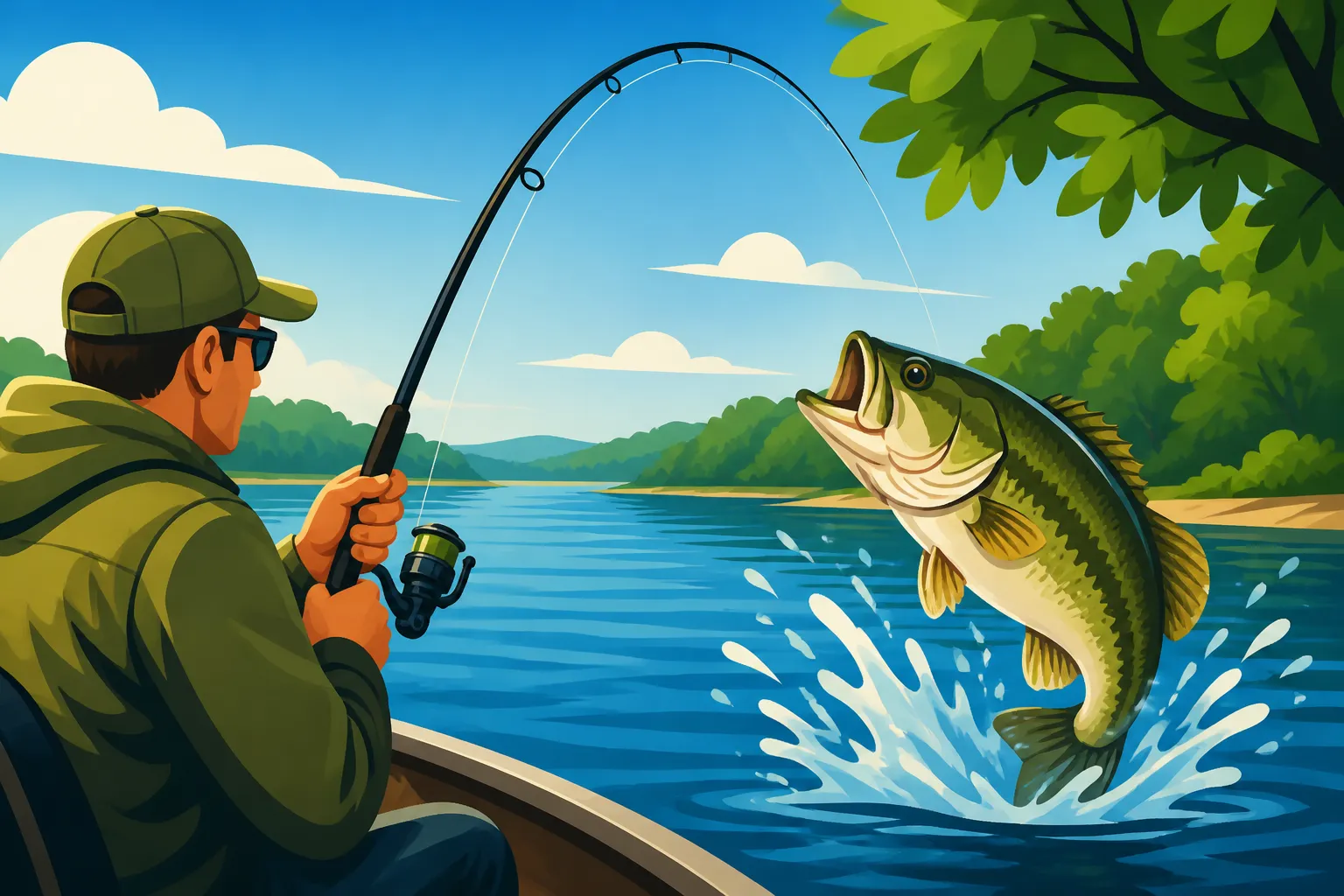
Largemouth bass are the undisputed kings of Little Seneca Lake. They love structure, and Little Seneca has no shortage of it. When targeting largemouth, focus on areas with submerged timber, standing trees, weed lines, and lily pads. Early mornings and late evenings are prime times, especially during warmer months, when bass often move into shallower water to feed. During these low-light periods, topwater lures like frogs, poppers, and walking baits can be incredibly effective, mimicking prey struggling on the surface. Casting these lures right over or next to lily pads and retrieving them with a walk-the-dog or stop-and-go action can provoke explosive strikes.
As the sun gets higher and temperatures rise, bass tend to retreat to deeper, cooler waters and denser cover. This is when presentations like Texas-rigged worms, creature baits, or jigs shine. Flipping and pitching these baits into heavy cover, such as the submerged tree lines or dense brush along the shore, allows you to get your lure directly into their living rooms. Work them slowly, paying close attention to any subtle taps or changes in line tension. Crankbaits that dive to different depths can also be productive when covering water along channel edges or points, especially those with rock piles or submerged stumps. Always remember to check the current Maryland Fishing Size and Catch Limits by Species to ensure you're compliant with regulations.
Pursuing Panfish and Crappie
For a more relaxed day or when fishing with kids, targeting panfish and crappie at Little Seneca Lake offers consistent action and a lot of fun. Bluegill and other sunfish are abundant and can be found almost anywhere there’s a bit of cover. Simple tactics often work best for these smaller, but no less enjoyable, catches. A small hook (size 8-12) baited with a piece of nightcrawler, a mealworm, or even corn, suspended under a bobber, is a classic and effective method. Cast near docks, fallen trees, or lily pad edges. The slightest bobber twitch usually signals a bite, making it an exciting experience for beginners.
Crappie, on the other hand, are often found schooling around submerged timber, brush piles, and bridge pilings, particularly during cooler months or deeper in the water column during summer. They love vertical structure. Minnows, either live or artificial, are a crappie's weakness. Jigging small jigs (1/16 to 1/8 ounce) tipped with soft plastic bodies or minnows directly over known crappie habitat can be incredibly productive. Look for schools on your fish finder, or simply drift slowly while jigging at various depths until you find where they're holding. During the spring spawn, crappie will move into shallower coves and can be caught more easily from shore or with lighter tackle. Don't forget, a Maryland Fishing License Guide for 2026 is a must for all anglers over 16.
The Thrill of the Tiger Muskie
Ah, the tiger muskie – the apex predator of Little Seneca Lake and a true challenge for even the most experienced angler. These fish are not only powerful but notoriously finicky. Targeting them requires patience, heavy tackle, and specialized lures. They often lurk around dense cover, sharp drop-offs, or along weed lines, waiting to ambush prey. Large spinnerbaits, bucktails, jerkbaits, and swimbaits are popular choices. These lures are designed to mimic large baitfish like gizzard shad or smaller bass, which form a significant part of a muskie's diet.
Presentation is key. Cast your chosen lure to likely holding areas and retrieve it with an erratic, stop-and-go motion to trigger a strike. It's also vital to perform a "figure-eight" at the end of your retrieve right next to the boat, as muskie often follow a lure right to the boat before deciding to strike. Use a heavy-duty rod, a strong reel, and a wire leader to prevent their razor-sharp teeth from cutting your line. Remember, muskie fishing is often about making hundreds of casts for one bite, but that one bite is usually unforgettable. If you’re looking to find a local expert to increase your chances, platforms like FishingBooker can help you connect with guides who specialize in pursuing these magnificent creatures.
Navigating Little Seneca Lake: Access, Regulations, and Tips
Successfully fishing Little Seneca Lake isn't just about what you throw in the water; it's also about understanding how to get there, what rules to follow, and a few insider tips to enhance your overall experience. The lake, being part of Black Hill Regional Park, has specific access points and regulations that anglers need to be aware of. Misunderstanding these details can lead to frustration or, worse, penalties.
Getting On and Around the Water
Accessing Little Seneca Lake is relatively straightforward thanks to its location within Black Hill Regional Park. The park offers several points for anglers, whether you prefer a boat, a kayak, or simply fishing from shore. The main boat ramp is located off West Old Baltimore Road and provides ample parking. It's important to note that only electric motors are permitted on Little Seneca Lake, making it a peaceful haven for silent propulsion and ideal for kayak fishing. This regulation helps maintain the serene environment and prevents excessive disturbance to fish and wildlife. For those interested in this quiet approach, exploring Kayak Fishing Techniques for Maryland Waters could be very beneficial.
For kayakers and canoeists, there are several convenient launch points in addition to the main ramp, often allowing for quicker access to specific coves or shallower areas. Shore anglers also have plenty of options, with numerous designated fishing piers and miles of shoreline accessible from various trails within Black Hill Regional Park. Popular shore fishing spots include areas around the main boat ramp, near the dam, and along the paved trails that follow the lake's edges. Always be mindful of park rules and other users, ensuring you leave no trace behind. If you're planning a trip and need a guide for the day, FishingBooker lists several experienced local guides who can help navigate the lake and find the best spots.
Essential Regulations and Permitting
Fishing in Little Seneca Lake, like all waters in Maryland, requires adherence to state-specific regulations. Every angler 16 years of age and older must possess a valid Maryland fishing license. This includes both residents and non-residents. You can easily purchase your license online through the Maryland Department of Natural Resources (DNR) website or at various retail locations. It's always a good idea to keep a copy of your license on your person, either physical or digital, as enforcement officers do patrol the lake. Remember to also check if Do Kids Need a Fishing License in Maryland? applies to your younger fishing companions.
Beyond the general license, specific regulations apply to different species, particularly the prized tiger muskie. While general state limits apply to bass, crappie, and panfish, tiger muskie often have strict size and creel limits to protect the population. Currently, the regulation for tiger muskie in Maryland is often a minimum size of 36 inches with a creel limit of one fish per day. However, regulations can and do change, so it is absolutely critical to consult the most current Maryland DNR Fishing Guide or their website before each trip. This will ensure you are fishing legally and responsibly.
| Species | Minimum Size (Inches) | Daily Creel Limit | Special Notes |
|---|---|---|---|
| Largemouth Bass | 12 (most waters) | 5 | Check specific county/lake rules; catch & release encouraged. |
| Black Crappie | 9 | 15 | |
| Bluegill/Sunfish | None | None | Excellent for family fishing. |
| Channel Catfish | None | None | Great for eating, often found in deeper water. |
| Tiger Muskie | 36 | 1 | Electric motors only. Seasonal regulations may apply, check DNR. |
Note: These are general Maryland regulations. Always verify the most current regulations directly from the Maryland DNR website or official fishing guide for Little Seneca Lake, as rules can change.
Insider Tips for a Great Experience
To truly make the most of your Little Seneca Lake fishing adventure, consider these additional tips. First, arrive early, especially on weekends, to secure good parking and launch access. The park can get busy, especially during peak season. Second, be patient with the tiger muskie. They are a tough catch, and a single strike can make your entire trip. Don't get discouraged if they aren't biting; focus on the consistent action offered by bass and panfish in the meantime. Many anglers will spend entire days targeting muskie without success, which is why it's called "the fish of a thousand casts."
Third, respect the "electric motors only" rule. This creates a peaceful environment beneficial to both anglers and wildlife. Fourth, pack plenty of water, snacks, and sunscreen. Even on cloudy days, UV rays can be intense. Lastly, consider the weather. Strong winds can make fishing challenging on a 505-acre lake, especially in smaller craft like kayaks. Check the forecast before you head out. Whether you’re a local or an Maryland Fishing License for Out-of-State College Students looking for a weekend getaway, following these tips will help you have a more enjoyable and productive outing.
Disclaimer
The information provided in this guide is for general informational purposes only and is subject to change. Fishing regulations, license requirements, and local rules can be updated by governing authorities at any time. Always consult the official Maryland Department of Natural Resources (DNR) website or their current printed fishing guide before embarking on any fishing trip to ensure compliance with all applicable laws and safety guidelines. FishingBooker is mentioned as a third-party service for finding fishing guides and is not affiliated with the Maryland DNR.