Best Trout Streams in Western Maryland
There's nothing quite like the crisp air of Western Maryland, the sound of rushing water, and the thrilling tug on your line when a beautiful trout takes the bait. But if you've ever tried to plan a trout fishing trip out here, you know it can feel overwhelming. With so many streams, different regulations, and varied conditions, it’s hard to know where to even begin. This guide is designed to cut through that confusion, giving you the inside scoop on the best trout streams in Western Maryland so you can spend less time researching and more time casting.
Top Trout Streams You Need to Explore
Western Maryland is a hidden gem for trout anglers, offering a diverse array of waters from feisty freestone rivers to pristine, wild brook trout havens. Whether you’re a seasoned fly-fisher or just looking for a peaceful day with a spinning rod, there’s a stream waiting for you.
The Savage River: A Fly Fisherman's Paradise
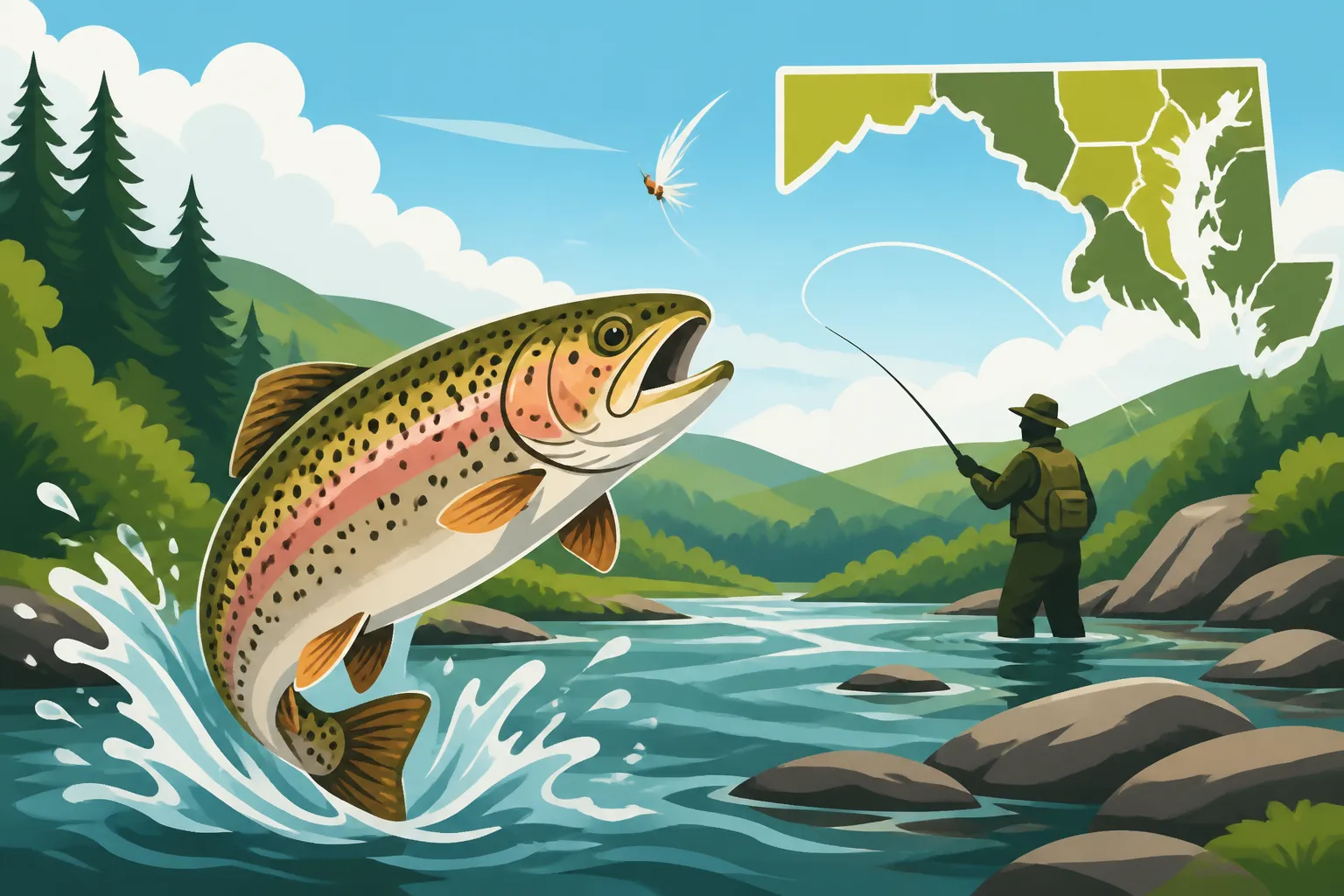
When serious trout anglers talk about Western Maryland, the Savage River almost always comes up first. This is truly a world-class trout fishery, known for its challenging currents and abundant populations of wild brown and rainbow trout. It flows through a beautiful, rugged gorge, making for incredibly scenic fishing, though access can be a bit tricky in some spots. The river is primarily a catch-and-release, fly-fishing-only section below the Savage River Dam, running for about five miles. This means you'll find healthy, mature fish that have seen a few flies in their day, making them excellent sport. The cold, clear releases from the dam ensure consistent water temperatures, even in the height of summer, which is crucial for trout survival and activity.
Fishing here demands precision and a good understanding of entomology. You'll want to match the hatch, but nymphing and streamer fishing can be incredibly effective when no surface activity is present. Popular access points include the parking area near the dam, and several pull-offs along the winding road that parallels the river. Remember to adhere to the Barbless Hook Rules on Maryland Trout Streams and other specific regulations for this trophy section, which are strictly enforced to protect this precious resource. This river is not for the faint of heart or the absolute beginner, but the rewards—in the form of stunning fish and unforgettable experiences—are immense.
Youghiogheny River: Big Water, Big Opportunities
The Youghiogheny, or "Yough" as locals call it, offers a different kind of trout fishing experience compared to the Savage. This is a much larger river, particularly the sections that flow through Swallow Falls State Park and onward. While parts of the Youghiogheny are known for whitewater rafting, other stretches offer fantastic fishing for a mix of stocked and wild trout. The upper sections, especially those near the headwaters in Garrett County, can hold native brook trout, while the main stem is regularly stocked with rainbow and brown trout. One of the most popular and accessible areas for trout fishing is the section around Friendsville. Here, the river offers a mix of riffles, runs, and deeper pools, providing diverse habitat.
You can fish the Yough with spinning gear or a fly rod, making it a bit more versatile for different angling styles. During stocking season, which typically includes spring and fall, the fishing can be quite productive, especially for freshly stocked fish. Beyond the immediate post-stocking frenzy, the river holds a good population of holdover trout that grow larger and are more challenging to catch. Look for seams where faster currents meet slower water, and probe deeper pools and undercut banks. Remember that the river flow can change dramatically based on upstream dam releases, so it's always a good idea to check local conditions before heading out. Anglers exploring this river might also find interest in the overall Fishing the Youghiogheny River guide for broader context.
Casselman River: A Hidden Gem for Wild Trout
Often overshadowed by its more famous neighbors, the Casselman River, particularly its upper stretches and tributaries, is a fantastic spot for those seeking a more solitary and wild trout experience. This river, while also stocked in some accessible areas, truly shines in its ability to support wild brown and brook trout populations further upstream, away from the typical put-and-take crowds. The scenery along the Casselman is quintessential Western Maryland, with rolling farmlands transitioning into forested banks. Its character changes quite a bit along its course; some sections are wider and slower, while others are narrow and feature classic riffle-pool dynamics.
Access can involve a bit of walking or exploring some lesser-known public lands, but for those willing to put in the effort, the reward is often a beautiful wild brown trout. These fish are typically smaller than the stocked variety but fight hard and are incredibly rewarding to catch. Fly fishing with smaller nymphs, dry flies, and even some small streamers can be very effective here. The Casselman offers a chance to connect with nature and truly hunt for fish in a serene environment. Be mindful of private property when exploring the Casselman; always check your maps and respect landowner rights. This river provides an excellent opportunity to experience the quiet beauty of a Western Maryland trout stream without the hustle and bustle.
Navigating Western Maryland's Diverse Trout Waters
Maryland's Department of Natural Resources (DNR) manages its trout fisheries through various classifications, each with its own set of rules and angling experiences. Understanding these categories is key to a successful and legal day on the water.
Put-and-Take Stocked Waters: Instant Action
For many anglers, especially families or those new to trout fishing, Put-and-Take (P&T) waters are the perfect starting point. These streams and lakes are heavily stocked with hatchery-raised rainbow, brown, and sometimes golden rainbow trout, often multiple times during the spring and fall seasons. The idea is simple: the fish are put in, and anglers can take them out, up to the daily creel limit. This often leads to fast action, especially right after a stocking event. The DNR does an incredible job with its stocking program, publishing schedules and even live maps of where and when fish are being released.
Popular P&T locations in Western Maryland include sections of the North Branch Potomac River, Meadow Mountain Run, and some smaller impoundments like Deep Creek Lake's tributaries. The regulations are generally straightforward, allowing for bait, lures, and flies. This is a fantastic way to introduce kids to fishing, as success rates can be high. Just be prepared for crowds, especially on weekends following a stocking. For more details on these areas, checking the official DNR guide on Maryland Put-and-Take Trout Waters, What That Means is highly recommended. The goal here is enjoyment and harvesting a delicious meal, so don't be shy about keeping your legal limit!
Delayed Harvest and Catch-and-Release Zones: Skill and Conservation
For those seeking more of a challenge and focusing on the sport of angling, Western Maryland also boasts several Delayed Harvest (DH) and Catch-and-Release (C&R) trout management areas. These zones are designed to provide high-quality fishing experiences where trout can grow larger and become more wary, offering a true test of skill.
- Delayed Harvest (DH) Waters: These streams are stocked with trout in the spring and fall, but during specific periods (typically October 1st to June 15th), they are managed under a catch-and-release, artificial lures and flies only regulation. This allows fish to remain in the stream and grow, providing excellent fishing throughout the cooler months. After June 15th, the regulations typically revert to standard put-and-take rules, allowing anglers to keep fish. The Savage River's special trout management area, as mentioned earlier, is a prime example of a year-round catch-and-release area within this framework, though many other streams follow the seasonal DH pattern. The upper Gunpowder Falls (though not in Western MD, it operates similarly) is another prime example often discussed in the context of Maryland Delayed Harvest Trout Waters Explained.
- Catch-and-Release (C&R) Waters: These areas, like specific sections of the Savage River, maintain year-round catch-and-release rules, often limited to artificial lures and flies, and frequently require barbless hooks. The emphasis here is entirely on the fishing experience and the health of the fish population. These waters are where you'll find larger, more educated trout that require finesse and careful presentation.
Fishing these waters demands a different approach. You'll need lighter tackle, keen observation, and a good understanding of trout behavior. The reward, however, is the chance to hook truly impressive fish and contribute to their ongoing survival. Always double-check the specific regulations for the section of stream you plan to fish, as rules can vary even within the same river system. You can often find detailed information on the Maryland Fishing License Guide for 2026 which also details trout stamp requirements.
Native Brook Trout Streams: A Delicate Balance
The ultimate prize for many trout purists in Western Maryland is finding and catching a native brook trout. These beautiful, small, brightly colored fish are Maryland's only native trout species, and they thrive in the coldest, cleanest, and most oxygenated headwater streams and tributaries, typically at higher elevations. These streams are often small, overgrown, and require bushwhacking to access, offering a truly wild and adventurous fishing experience. Think tiny mountain trickles and runs rather than wide rivers.
Because brook trout populations are sensitive to habitat degradation and warm water, many of these streams are managed under strict catch-and-release, artificial lures and flies only regulations, if fishing is permitted at all. Anglers often use ultralight spinning gear with small spinners or fly rods with light lines and small dry flies or nymphs. The fish may be small, often only 6-10 inches, but their vibrant colors and the pristine environment they inhabit make them an incredibly special catch. Exploring these wild places also means being incredibly respectful of the delicate ecosystem. You can find more about these elusive fish in posts like Are Brook Trout Native to Western Maryland? and Where Do Wild Brook Trout Survive in Maryland?.
Essential Tips for Trout Success in the Mountains
Trout fishing in Western Maryland isn't just about picking a spot; it's about understanding the environment and coming prepared. The mountain streams present unique challenges and rewards that differ from larger, more open waters.
Gear Up Right: What You'll Need
Choosing the right gear can make all the difference between a frustrating day and a fantastic one. For fly anglers targeting the Savage or Yough, a 4-weight or 5-weight rod, 7'6" to 9' long, is a versatile choice. You'll want a floating line, appropriate leaders, and tippets (usually 4x to 6x, depending on conditions and fish spookiness). A good selection of flies is crucial:
- Dry Flies: Caddis, Adams, Blue-winged Olives, Terrestrials (ants, beetles, hoppers)
- Nymphs: Pheasant Tail, Hare's Ear, Prince Nymph, Squirmy Wormy, Woolly Buggers (smaller sizes)
- Streamers: Black or Olive Woolly Buggers, Sculpin patterns
For spin fishermen, an ultralight or light action spinning rod (5'6" to 6'6") paired with a small reel spooled with 4-6 lb test monofilament or fluorocarbon is ideal. Your lure box should contain:
- Spinners: Panther Martins, Mepps Aglias, Rooster Tails (in various sizes and colors like gold, silver, black, chartreuse)
- Small Spoons: Kastmasters, Little Cleos
- Jigs: Small marabou jigs or Gulp! Trout Baits
- PowerBait or Worms: Always effective in stocked waters.
Beyond rod and reel, don't forget essentials like waders (chest waders are often necessary for navigating larger streams), sturdy wading boots, a net, polarized sunglasses (crucial for spotting fish and structure), nippers, forceps, and a fishing vest or pack to carry your gear. A good pair of wading boots with felt or rubber soles will provide much-needed traction on slippery rocks.
Reading the Water and Seasonal Strategies
Trout are creatures of habit and prefer specific water conditions. Learning to "read the water" is perhaps the most important skill for a successful trout angler. Look for:
- Riffles: Shallow, turbulent areas where water flows over rocks. Trout often hold at the head or tail of riffles, waiting for food.
- Runs: Deeper, faster-moving sections. Fish can be found along the edges or behind current breaks.
- Pools: Slower, deeper areas often found after a riffle or run. Trout frequently hide in the deepest parts or under submerged structure.
- Undercut Banks & Logjams: Prime hiding spots, offering shelter from current and predators.
Your strategy will also need to adapt to the season:
- Spring: Post-stocking frenzy in P&T waters. DH and C&R waters offer excellent nymphing and streamer fishing as flows are typically higher and water temperatures are ideal. Early spring can see good midge and early caddis hatches.
- Summer: As water temperatures rise, trout become more lethargic in many streams. Focus on the coldest sections, often near springs or dam releases like the Savage. Early morning and late evening are prime times. Terrestrial patterns can be very effective for fly anglers.
- Fall: A favorite season for many! Water temperatures cool, and trout become more active. Fall stocking refreshes P&T waters, and DH waters are often stocked again, becoming C&R only. Streamers and larger nymphs can produce big fish as they feed heavily before winter. Browns are often aggressive due to spawning activity. The Maryland Trout Season, Month by Month guide offers a deeper dive into these seasonal patterns.
- Winter: Fishing can be slow but rewarding. Focus on deeper, slower pools where trout conserve energy. Small nymphs and midges fished slowly are often the ticket. Ice fishing for trout is also an option on some impoundments.
Finding Local Expertise and Guides
While this guide gives you a solid foundation, nothing beats local knowledge. Fly shops like the Savage River Outfitters (near the Savage River) or Allegheny Adventures in Western Maryland are invaluable resources. They can provide up-to-the-minute conditions, hatch information, and recommend specific flies or lures that are currently working. Many also offer guided trips, which can significantly shorten your learning curve on unfamiliar waters.
If you're looking to really maximize your time or learn advanced techniques, consider hiring a local guide. A good guide can take you to the best spots, teach you how to read the water, and help you refine your casting or presentation. Platforms like FishingBooker are excellent for finding reputable, licensed guides who specialize in trout fishing in Western Maryland. They list guides who know the Savage River, the Yough, and other local hotspots inside and out, ensuring you have a productive and enjoyable trip. Booking through a service like this means you can read reviews, compare prices, and find a guide that matches your skill level and fishing goals, whether you're a beginner or an experienced angler seeking a trophy.
Planning Your Western Maryland Trout Adventure
A successful trout trip involves more than just casting a line. Thoughtful planning, respecting the environment, and understanding local nuances will ensure a smooth and enjoyable experience.
Access Points and Lodging Considerations
Western Maryland is known for its rugged beauty, which sometimes means access to prime fishing spots requires a bit of effort. For the Savage River, the main access road off Route 135 (New Germany Road) leads to several parking areas near the dam and along the river. For the Youghiogheny, access is good around Friendsville and through state parks like Swallow Falls. The Casselman has various access points, but some of the best wild trout fishing might require a longer walk through public lands, so a good topographical map or a GPS app is your friend.
When it comes to lodging, you have options ranging from rustic cabins in state parks (like New Germany State Park or Swallow Falls State Park) to charming bed-and-breakfasts in towns like Grantsville, Friendsville, or Oakland. For those looking for more amenities, Deep Creek Lake offers a variety of vacation rentals, which can serve as a great base camp for exploring the surrounding trout streams. If you’re planning a trip during peak season (spring and fall), it’s always wise to book accommodations well in advance, especially if you're looking for something specific or traveling with a larger group. You can often find great deals on cabins or house rentals through sites like FishingBooker which also has options for lodging near popular fishing destinations, making it a one-stop shop for your fishing and accommodation needs.
Here's a quick comparison of some key Western Maryland trout streams:
| Stream Name | Primary Trout Species | Water Type | Key Regulations (Common) | Best For | Notable Access Points |
|---|---|---|---|---|---|
| Savage River | Brown, Rainbow (Wild/Holdover) | Cold-water Tailwater | Fly-Fishing Only, C&R, Barbless | Experienced Fly Fishers | Savage River Dam area, local pull-offs |
| Youghiogheny River | Rainbow, Brown (Stocked/Wild) | Medium-Large Freestone | Mixed (P&T, some Wild) | All Skill Levels | Friendsville, Swallow Falls SP |
| Casselman River | Brown, Brook (Stocked/Wild) | Small-Medium Freestone | Mixed (P&T, some Wild) | Wild Trout Seekers, Solitude | Various rural bridges, state lands |
| North Branch Potomac | Rainbow, Brown (Stocked) | Medium-Large Freestone | Put-and-Take | Beginners, Families | Kitzmiller, Luke, Westernport |
Respecting the Resource and Local Etiquette
Trout fisheries, especially those sustaining wild populations, are fragile ecosystems. Practicing ethical angling is paramount.
- Leave No Trace: Pack out everything you pack in, and perhaps even pick up any trash you find. Preserve the pristine nature of these streams.
- Handle Fish with Care: If practicing catch-and-release, minimize the time fish are out of the water. Use wet hands when handling fish, and support their body weight. Consider using a rubberized net to protect their slime coat. For more on proper release, check Maryland Catch and Release Rules During Closed Seasons which offers valuable insights into ethical angling.
- Know the Regulations: Regulations can change annually. Always consult the current Maryland DNR Fishing Guide or website before heading out. A valid Maryland Fishing License Guide for 2026 and a trout stamp are required for most trout fishing.
- Be Mindful of Others: These streams can get popular, especially during peak seasons. Give other anglers plenty of space, and be courteous on the water.
By following these guidelines, you're not only ensuring a positive experience for yourself but also helping to preserve Western Maryland's incredible trout fishing for generations to come.
Disclaimer
Please note that fishing regulations, stocking schedules, and local conditions can change. Always consult the Maryland Department of Natural Resources (DNR) official website or local authorities for the most up-to-date information before planning your fishing trip. This guide is for informational purposes only and does not replace official regulations.