Fishing Assawoman Bay Near Ocean City
Trying to figure out where to cast your line in the bustling Ocean City area without getting overwhelmed can feel like a real puzzle. Many anglers head straight for the ocean or the main inlet, but often overlook a true gem. This guide is dedicated to unlocking the fantastic fishing opportunities hidden within Assawoman Bay, offering you a comprehensive look at the species, spots, and strategies to make your next trip a successful and memorable one.
Understanding Assawoman Bay's Unique Fishing Environment
Assawoman Bay, nestled right behind Ocean City, Maryland, offers a completely different fishing experience than the turbulent Atlantic or even the busy Ocean City Inlet. It’s a shallow, brackish body of water, meaning it’s a mix of fresh and saltwater, creating a unique ecosystem that supports a wide variety of fish species. This bay isn't just a scenic backdrop; it's a vibrant fishery with distinct characteristics that seasoned anglers and beginners alike can appreciate.
The Dynamics of a Shallow, Brackish Bay
What makes Assawoman Bay so special is its relative shallowness and the way it connects to the ocean. Unlike deeper, open waters, the bay is greatly influenced by tidal changes, temperature fluctuations, and the influx of freshwater from smaller creeks and runoff. These factors create diverse habitats, from vast seagrass beds that serve as nurseries and feeding grounds to deeper channels carved by currents. Understanding these dynamics is crucial for pinpointing where fish will be holding.
For example, on a hot summer day, fish might seek cooler, deeper pockets or areas with good current flow that brings in oxygenated water. Conversely, during cooler seasons, they might gravitate towards the deeper channels where water temperatures are more stable. The bay's bottom composition also varies, from soft mud and sand to shell hash, each attracting different types of forage and, consequently, different fish. This ecological diversity means that if one spot isn't producing, another, just a short distance away, might be teeming with life.
Tidal Influence and Water Movement
Tides play an enormous role in Assawoman Bay fishing, perhaps even more so than in deeper, more open water. The bay experiences two high and two low tides each day, and the movement of this water through the various channels, inlets, and around structures can dictate feeding patterns. As the tide comes in, it often brings in baitfish and crustaceans from the ocean, pushing them into the bay's shallower areas. This creates prime feeding opportunities along channel edges, points, and grass beds.
Conversely, a falling tide can draw fish out of the shallower areas, concentrating them in deeper channels or around bridges and culverts where water is funneled. Learning how to read the tides and predict where fish will position themselves can be the difference between a slow day and a banner day. It's not just about when the tide changes, but how it moves water through specific areas. Many local anglers will tell you that the start of an incoming tide or the end of an outgoing tide can be particularly productive as fish ambush bait being moved by the current. If you want to dive deeper into how this works, checking out resources on How Tides Affect Fishing in Maryland's Chesapeake Bay can give you some valuable insights applicable here too.
Prime Species to Target in Assawoman Bay
Assawoman Bay is a fantastic place to target a variety of species throughout the year, each with its own preferred habitat and feeding habits. Knowing what fish are most likely to be biting and when to target them will significantly increase your chances of success.
Flounder: The Bay's Flatfish Favorite
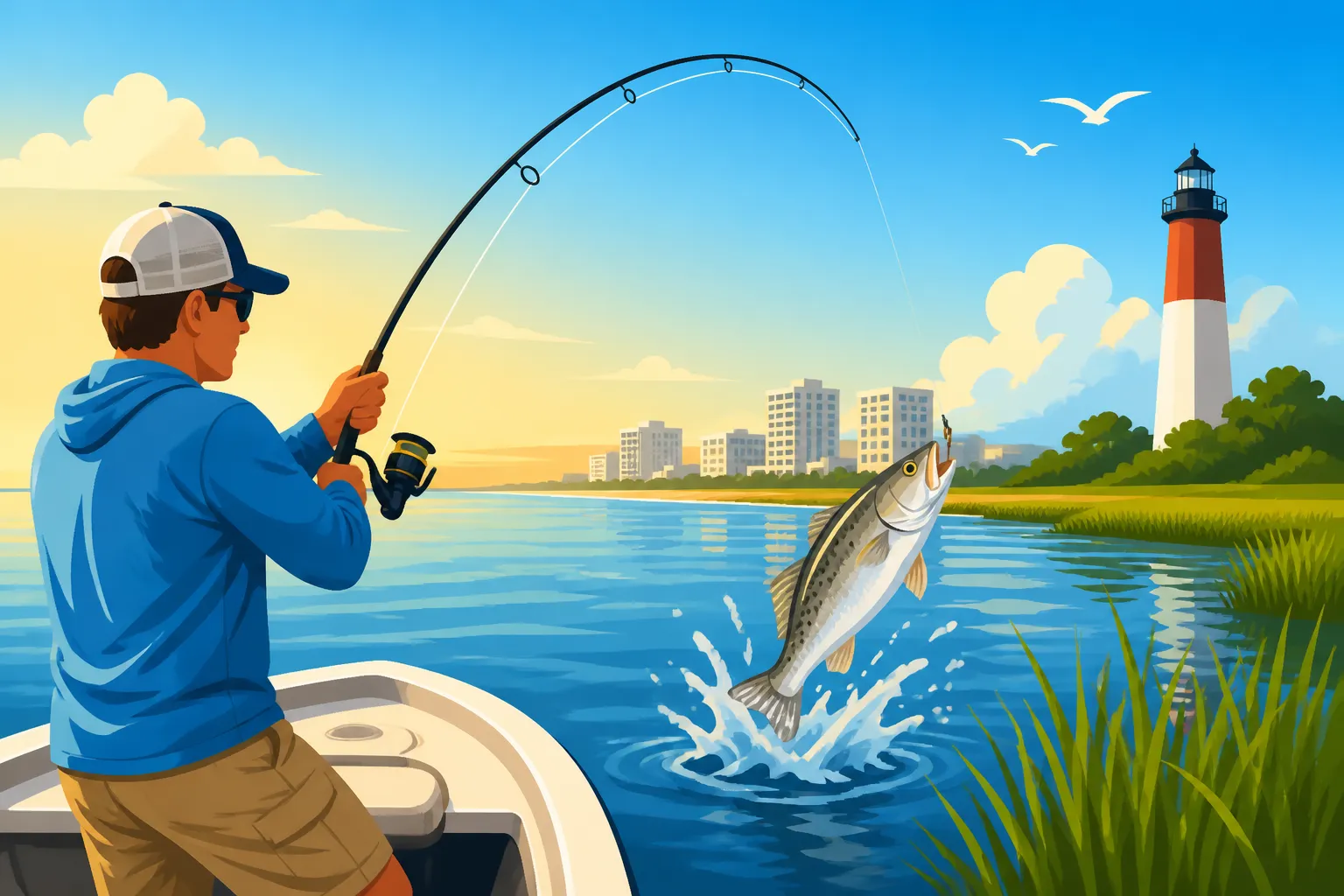
Flounder are arguably the most popular target in Assawoman Bay, and for good reason—they're delicious and offer a fun challenge! They love to ambush bait from the sandy or muddy bottom, often found near channels, inlets, docks, and bridge pilings. The warmer months, generally from late spring through early fall, are prime time for flounder.
When fishing for flounder, patience is key. They're not always aggressive biters. You'll often feel a subtle tap or a slight increase in weight before they commit. Effective techniques involve drifting baits or slowly jigging them along the bottom. Many anglers find success using live minnows, strip baits of squid or cut bait (like the belly strip of a spot or croaker), or Gulp! artificial baits. For more detailed tips, consider reading about Techniques for Catching Flounder in Maryland's Back Bays and Best Bait for Flounder in Ocean City. Remember to always keep an eye on the Maryland Flounder Size Limit to ensure your catch is legal.
Striped Bass and Bluefish: Fast-Paced Action
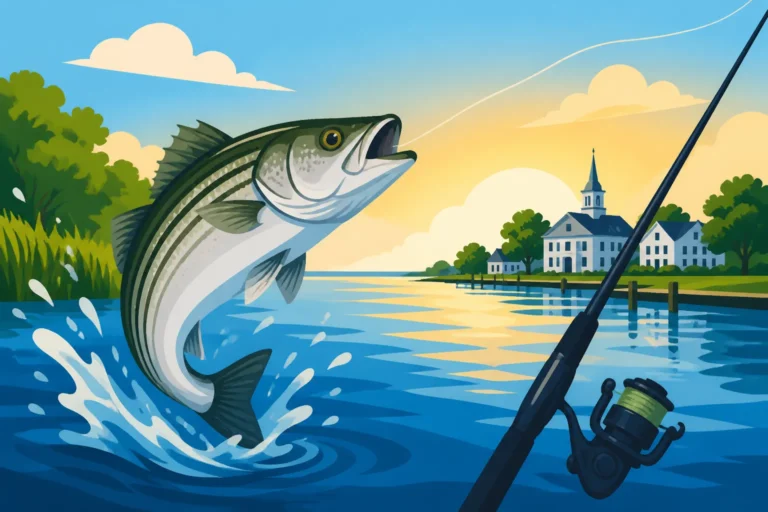
While you might associate striped bass (rockfish) with the larger Chesapeake Bay, their smaller cousins, and sometimes even larger fish, make their way into Assawoman Bay, especially during migratory periods in spring and fall. These fish are predatory and will often hit artificial lures with aggressive strikes. Bluefish, known for their sharp teeth and fierce fight, are also frequent visitors during the warmer months, often traveling in schools and creating explosive surface action.
For striped bass, casting bucktails, soft plastics on jig heads, or topwater lures around structure like bridge pilings, jetties, and channel edges can be very effective. Early morning and late evening are often the best times. Bluefish are less particular and will often hit nearly anything flashy or fast-moving. Spoons, Gotcha plugs, and cut bait are all good choices. They can be found cruising channel edges or busting baitfish on the surface. While Assawoman Bay doesn't have the same strict Maryland Striped Bass Season and Rockfish Rules as the main bay, it's always wise to consult the latest DNR regulations for specific catch limits and seasons in coastal bays. Similarly, familiarize yourself with the Maryland Bluefish Daily Limit before you head out.
Perch, Croaker, and Spot: Consistent Catches
For more consistent action, especially for beginners or families fishing with kids, target white perch, croaker, and spot. These panfish are abundant in Assawoman Bay and are usually willing biters, making for a fun and productive day. White perch are found throughout the bay, often congregating around docks, piers, and oyster beds. Croaker and spot are warm-water species that move into the bay during the summer and early fall, favoring sandy or muddy bottoms.
Bottom fishing rigs with bloodworms, fish bites, or small pieces of shrimp are deadly for all three. Small jigs tipped with bait also work well for white perch. These species don't typically grow to massive sizes, but they provide excellent table fare and are incredibly fun on light tackle. Always check the Maryland White Perch Daily Limit before your trip. For those looking for local expertise, a quick search on a platform like FishingBooker can connect you with guides specializing in these inshore species. They often know the exact tidal patterns and bait presentations that guarantee success.
Finding Your Perfect Spot: Access and Structure
Assawoman Bay offers a variety of fishing opportunities, whether you prefer fishing from shore, a pier, a kayak, or a boat. Each method provides unique advantages and access to different types of fishing grounds.
Piers and Shoreline Access
For those without a boat, Assawoman Bay still offers plenty of options. There are numerous public piers and shoreline access points where you can cast a line. The 125th Street Pier in North Ocean City, for example, is a popular spot that extends into the bay, providing access to deeper water and structure. Other public access points along the bay-side parks and bulkheads can also be productive. Remember, when fishing from a pier, it's a good idea to bring a net with a long handle to safely land your catch.
One common question is whether you need a license to fish from these spots. Generally, most piers and public shorelines in Maryland require a valid state fishing license. You can find more details in our guide on Do You Need a License to Fish From a Maryland Pier?. The fishing can be surprisingly good from shore, especially during feeding windows like dawn and dusk, or when baitfish are pushed against the shore by current or predators.
Kayak and Small Boat Exploits
For anglers with kayaks, canoes, or small boats, Assawoman Bay truly shines. Its relatively shallow nature and sheltered waters (compared to the ocean) make it ideal for exploring. You can easily access the extensive grass flats, wadeable areas, and numerous small feeder creeks that hold fish. Kayak fishing allows for stealthy approaches to shallow-water predators like striped bass and snakehead (though snakehead are less common here, they can occasionally be found in the freshest reaches).
There are several public boat ramps scattered around Ocean City and the surrounding areas that provide access to Assawoman Bay. Popular spots include the ramp at the 142nd Street and Bayside boat ramp or various marina launches. These allow you to launch and explore the vastness of the bay. Using a depth finder can help locate channels and drops-offs, which are key areas for flounder and striped bass. If you're new to kayak fishing, our guide on Kayak Fishing Techniques for Maryland Waters can provide some helpful starting points.
Navigating the Channels and Structure
The bay floor isn't uniform; it's crisscrossed with deeper channels and peppered with various types of structure that attract fish. The main navigation channels are excellent places to drift for flounder or troll for striped bass. Bridge pilings, like those under the Route 90 Bridge, are natural fish magnets, providing cover and current breaks. Docks, jetties, and artificial reefs (sometimes created with oyster shell deposits or other materials) also hold a lot of baitfish and, consequently, game fish.
When fishing around structure, presentation is key. You want to place your bait or lure as close as possible without getting snagged. For instance, when jigging for striped bass around bridge pilings, casting upstream and letting your lure drift naturally downcurrent into the strike zone can be very effective. Don't be afraid to move around until you find where the fish are holding, as their locations can change with the tides and time of day.
Effective Techniques and Bait Choices for Assawoman Bay
Successful fishing in Assawoman Bay often comes down to matching your technique and bait to the target species and prevailing conditions. While some general principles apply, a nuanced approach will yield the best results.
Bottom Fishing Rigs: Simple and Effective
For many of the bay's bottom dwellers like flounder, croaker, and spot, a simple bottom rig is hard to beat. This usually consists of a sinker at the bottom, with one or two baited hooks on short leaders extending above it. A classic "hi-lo" rig is very popular, allowing you to present two baits at different depths. The weight of the sinker should be chosen based on the current—heavy enough to hold bottom but light enough to feel bites.
Common Bottom Rig Setup:
| Component | Description | Primary Target Species |
|---|---|---|
| Main Line | 10-20 lb mono or braid | All species |
| Sinker | Pyramid or bank sinker (1-4 oz, depending on current) | Flounder, Croaker, Spot, Perch |
| Leader Material | 15-30 lb fluorocarbon (less visible) | All species |
| Hooks | #1 to 2/0 Kahle or Octopus hooks (size depends on bait) | Flounder, Croaker, Spot, Perch |
| Baits | Live minnows, squid strips, Gulp! artificials, bloodworms, shrimp | Flounder, Croaker, Spot, Perch, Bluefish |
| Optional | Small spinner blades or beads above hooks for added attraction | Flounder, Perch |
When fishing these rigs, cast them out, let them settle to the bottom, and then slowly reel in any slack. Wait for a bite, and give the fish a moment to take the bait before setting the hook. This technique is especially good around channel edges, drop-offs, and sandy flats.
Drifting and Jigging for Flounder
Flounder fishing often benefits from covering ground, which makes drifting a highly effective method. From a boat or kayak, you can use the current or a slow troll with an electric motor to move across promising areas while presenting your bait. A typical flounder rig for drifting might include a Snelled hook with a bucktail or Gulp! grub, fished with enough weight to stay near the bottom. The goal is to keep your bait moving slowly, mimicking a swimming baitfish or crustacean.
Jigging is another productive technique, especially when you've located a concentration of fish or are targeting structure. Use bucktails, soft plastics, or metal jigs bounced along the bottom. The key is to impart action to your lure, making it look alive. Vary your retrieve speed and jigging motion until you find what the flounder are responding to. Sometimes a sharp pop, other times a subtle drag, is all it takes.
Artificial Lures for Aggressive Species
For striped bass and bluefish, artificial lures can be incredibly exciting. Topwater lures, such as poppers and walk-the-dog baits, are thrilling when fish are feeding on the surface during low light conditions. The explosive strikes are unforgettable! Subsurface lures like soft plastics (e.g., Z-Man, Bass Assassin) rigged on jig heads, bucktails, or swimming plugs are excellent for targeting fish holding deeper or around structure.
When choosing colors, white, chartreuse, and pink are often reliable choices in the murky waters of Assawoman Bay. Experiment with different sizes and profiles to see what the fish are keying in on. The best time to target these species with artificials is often during the "golden hours" of dawn and dusk, or on overcast days when light penetration is lower. You can find many local experts who specialize in these techniques, and platforms like FishingBooker can help you find a skilled guide to learn the ropes.
Live Bait: The Universal Temptation
Never underestimate the power of live bait. For many species in Assawoman Bay, a lively baitfish is irresistible. Live minnows (like grass minnows or peanut bunker, if available) are phenomenal for flounder and smaller striped bass. Spot and croaker, when caught, can also be excellent live bait for larger striped bass and even bluefish.
When using live bait, hook it carefully to allow it maximum movement. For minnows, through the lips or just behind the dorsal fin works well. For larger baits, consider a circle hook to reduce gut hooking. Drifting live bait near channel edges, bridge pilings, or over grass beds can be incredibly effective. Remember to keep your live bait healthy in a well-aerated bait bucket. For anglers interested in Maryland Fishing License Age Requirements, be aware that even if kids fish for free, anyone over 16 needs a license, so ensure your whole party is covered.
Disclaimer
Fishing regulations can change frequently. Always consult the latest Maryland Department of Natural Resources (DNR) rules and regulations before heading out. This guide is for informational purposes only and does not supersede official regulations.