Best Kayak Fishing Spots on the Eastern Shore
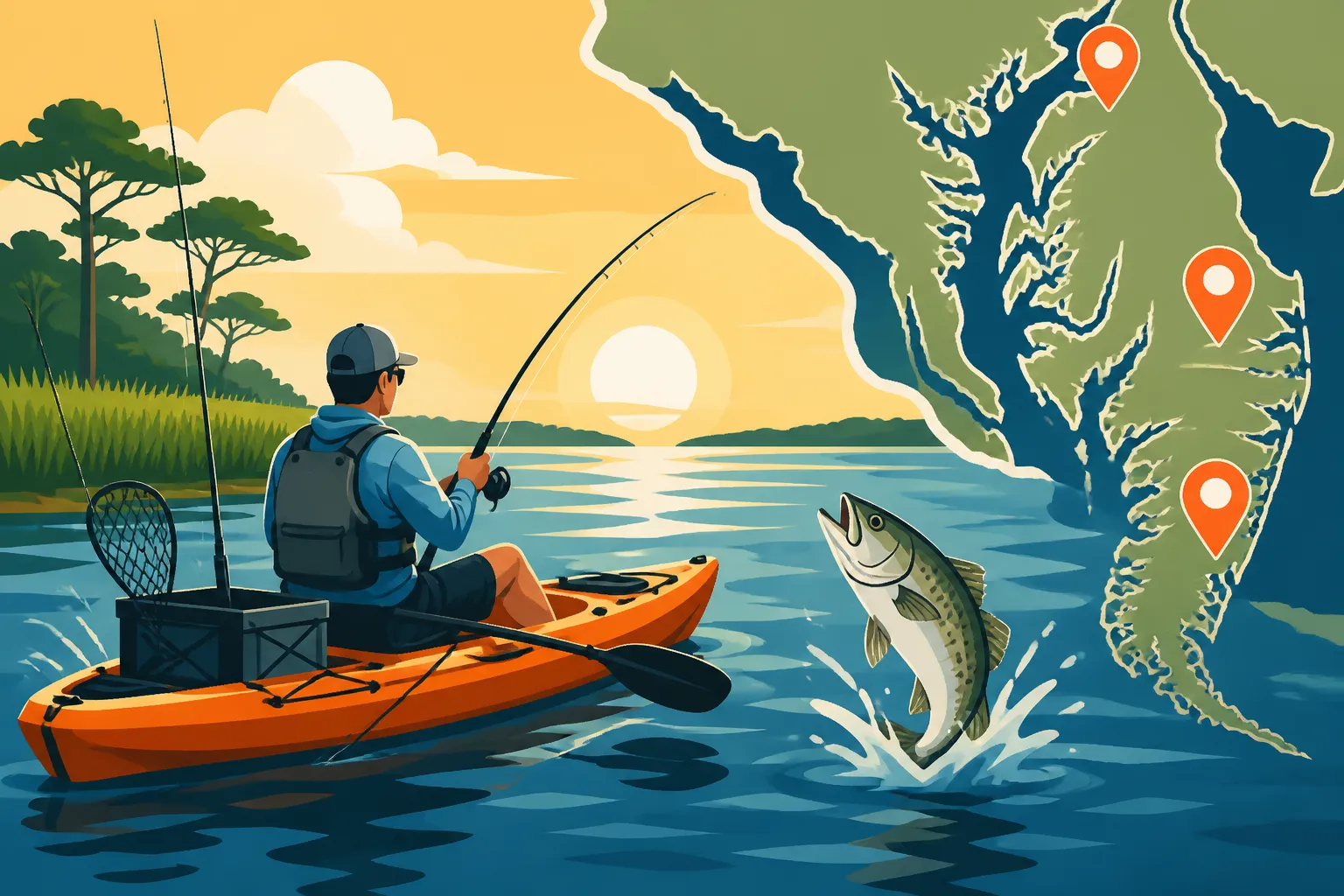
The tranquility of gliding across glass-smooth water, the gentle dip of your paddle, and the thrill of a fish striking just feet from you – kayak fishing offers an unparalleled connection to nature and the pursuit of your favorite species. But let's be real, figuring out where to launch your kayak on Maryland's sprawling Eastern Shore can feel like a puzzle. With countless creeks, rivers, and bayside marshes, finding those prime, accessible spots that offer rewarding fishing can be a challenge. This guide will cut through the guesswork, sharing some of the best kayak fishing spots on the Eastern Shore, alongside crucial tips to make your outing safe and successful.
Why Kayak Fishing on Maryland's Eastern Shore is a Game-Changer
Maryland's Eastern Shore is a paddler's paradise, and it offers some truly unique advantages for kayak anglers. Unlike bigger boats that are confined to deeper channels and larger ramps, your kayak can slip into skinny waters, navigate tight marsh grass, and explore secluded coves where the fish feel safe. This isn't just about catching more fish; it's about experiencing the wild side of the Chesapeake Bay and its tributaries in a way few other anglers can.
Accessing Undisturbed Waters
One of the biggest frustrations for many anglers is the constant boat traffic, especially during peak season. Powerboats, jet skis, and larger fishing vessels can churn up the water, spook fish, and make for a less-than-peaceful experience. With a kayak, you can often bypass these heavily trafficked areas entirely. Think about those hidden creeks emptying into the Chesapeake Bay or the intricate network of marshlands where a bass boat simply can't go. These are often untouched havens, teeming with fish that rarely see a lure. This stealthy approach, combined with the quiet glide of a kayak, means you can get right into the action without disturbing your quarry. It’s like having a secret key to parts of the ecosystem others only dream of.
Versatility for Diverse Species
The Eastern Shore's diverse habitats mean a wide array of fish species are within reach of a kayak angler. From the freshwater blackwater rivers to the brackish tidal creeks and open bay waters, you can target everything from aggressive snakeheads and largemouth bass to hard-fighting striped bass (rockfish), speckled trout, and tasty white perch. Your kayak allows you to transition between these different environments more easily than you might think. Want to chase a largemouth in the morning? You can do that. Feel like trying for a rockfish in the afternoon? A short paddle can often get you there. This versatility is a huge draw for anglers who love to mix it up and explore new challenges. Plus, being low to the water gives you a unique perspective, making sight-fishing for cruising reds or bass an exciting possibility.
Top Kayak Fishing Spots on the Eastern Shore
When it comes to picking a spot, the Eastern Shore has an embarrassment of riches. We're talking about winding rivers, expansive sounds, and countless tidal creeks that are just begging to be explored by kayak. Each offers something a little different, catering to various fishing styles and target species.
The Choptank River System
The Choptank River is one of Maryland's most iconic waterways, and for good reason. It’s a tidal river that offers a fantastic mix of freshwater and saltwater species, making it a prime location for kayak anglers. Launch points are relatively plentiful, ranging from public boat ramps to smaller, more discreet access points.
Exploring the Choptank's Tributaries and Creeks
While the main stem of the Choptank can get busy with larger boats, the real magic for kayakers lies in its numerous tributaries and smaller creeks. Places like Hunting Creek, Tuckahoe Creek (in its lower tidal sections), and other unnamed marshy guts offer sheltered paddling and incredible fishing opportunities. You'll find yourself surrounded by towering marsh grass, with plenty of ambush points for fish. These areas are fantastic for targeting Fishing the Choptank River. Early spring and fall are excellent for striped bass and white perch, especially when they move into shallower waters. During the summer, these creeks hold plenty of white perch, bluegill, and even some largemouth bass further upstream where the water freshens. Remember to pay close attention to the tides; fishing during a moving tide, especially the incoming or outgoing tide around structure, can be incredibly productive.
Targeting Striped Bass and White Perch
For striped bass, focus on submerged structure like oyster beds, channel edges, and points of land where currents create eddies. Jigging soft plastics or casting shallow-diving crankbaits can be very effective. As for white perch, they are abundant in the Choptank and are a blast to catch on light tackle. Look for them around docks, fallen trees, and rocky bottoms. Small spinnerbaits, bottom rigs with bloodworms, or even tiny jigs tipped with Gulp! are usually irresistible to them. The Choptank is also excellent for crabbing, so consider a combo trip with a small handline or collapsible trap. For specific regulations, always check the Maryland Striped Bass Season and Rockfish Rules and Maryland Daily Bag Limits by Species.
The Pocomoke River
If you're looking for something truly unique, the Pocomoke River is your destination. Known as Maryland's "blackwater river," its dark, tannin-stained waters wind through cypress swamps, creating an almost primordial fishing experience. This river is a hotspot for an aggressive invasive species, the northern snakehead, and also holds an impressive population of largemouth bass.
Navigating the Blackwater Wilderness
The Pocomoke is ideally suited for kayaks due to its narrow stretches and numerous cypress knees that can make navigation challenging for larger boats. Launch from places like Pocomoke City or Snow Hill for easy access. As you paddle, you'll feel completely immersed in nature, often seeing ospreys, bald eagles, and even river otters. The key to fishing the Pocomoke is to focus on structure: lily pads, fallen trees, cypress knees, and undercut banks are all prime holding areas for fish. Topwater lures like frogs and buzzbaits are particularly exciting for snakeheads and largemouth bass, especially in the early mornings or late evenings. For more details on this unique fishing experience, check out Fishing the Pocomoke River and Cypress Swamp.
Hunting for Snakeheads and Largemouth Bass
Northern snakeheads are aggressive predators that love to ambush prey from heavy cover. When targeting them, cast weedless frogs or swim jigs into dense lily pads and submerged vegetation. Be prepared for a powerful fight! Largemouth bass will often be found in similar locations, especially around the edges of the cypress trees and submerged logs. Spinnerbaits, Texas-rigged worms, and shallow crankbaits are go-to baits for the bass. The Pocomoke also offers good fishing for crappie and various panfish, which can provide plenty of action if the bass and snakeheads are being shy. Remember, when you catch a snakehead, it's illegal to release it, so be prepared to dispatch it responsibly. Check Maryland Snakehead Fishing Rules for all the details.
Tangier Sound and Nearby Marsh Systems
For a more open-water kayak experience with a focus on saltwater species, the vast Tangier Sound and its intricate marsh systems are a phenomenal choice. Located on the lower Eastern Shore, these waters offer superb fishing for speckled trout, red drum, flounder, and even larger striped bass when conditions are right.
Exploring the Marshy Backwaters
While the main sound can be choppy on windy days, the countless marsh creeks, guts, and small bays that feed into it provide excellent protection and endless fishing grounds for kayakers. Launch from areas like Crisfield or Deal Island to access these productive waters. The key here is to fish the edges of the marsh grass, oyster bars, and any deeper pockets or channels. The tide plays a crucial role, as fish will move in and out of the marshes with the water. A good tide chart is your best friend here. These areas are particularly productive in late spring, summer, and fall. If you're looking for a guided trip in this specific habitat, places like Crisfield often have local guides who use kayaks or small skiffs. For further exploration, consider Fishing Tangier and Smith Island Waters.
Speckled Trout, Red Drum, and Flounder Opportunities
Speckled trout (often called "specs") are a highly prized catch in Tangier Sound. Look for them around grass beds, oyster reefs, and creek mouths. Soft plastic paddle tails on light jig heads, topwater lures in low light, and suspending twitch baits are all very effective. Red drum, especially "puppy drum" (smaller ones), will also cruise these same marsh edges. They'll readily take soft plastics, cut bait, or even a popping cork with a Gulp! shrimp. Flounder can be caught by drifting along channel edges or sandy bottoms with a bottom rig baited with live minnows, squid, or Gulp! Swimming Mullet. The vastness of these waters means that if one spot isn't producing, you can easily paddle to the next promising marsh point or creek mouth.
The Chester River
The Chester River is another fantastic tidal river on Maryland's Eastern Shore, offering similar opportunities to the Choptank but with its own unique charm. It's known for its healthy populations of white perch, striped bass, and excellent crabbing.
Discovering Hidden Coves and Channels
Kayakers can explore the Chester River by launching from towns like Chestertown or publicly accessible ramps further downriver. Like the Choptank, the main river can have boat traffic, so focusing your efforts on the quieter coves, feeder creeks, and shallower flats is where a kayak shines. Look for areas with submerged grass beds, oyster reefs, and docks. These structures provide cover and feeding grounds for a variety of species. During the spring, the upper reaches of the river and its tributaries are excellent for the white perch run. You can find detailed information about this area in Fishing the Chester River.
Catching Abundant White Perch and Striped Bass
White perch are abundant throughout the Chester River. You can catch them almost anywhere there's structure, using small jigs, spinners, or a simple bottom rig with bloodworms or grass shrimp. They are great fun on light tackle and make for excellent table fare. Striped bass will cruise the channel edges, points, and around docks, especially during spring and fall. Trolling small crankbaits or bucktails behind your kayak, or casting soft plastics, can yield good results. Don't overlook the potential for catfish in the deeper, muddier sections of the river, especially blue catfish, which are an invasive species Maryland wants anglers to remove.
Essential Gear and Safety Tips for Eastern Shore Kayak Anglers
Kayak fishing, while incredibly rewarding, comes with its own set of challenges and safety considerations, especially on the larger tidal waters of the Eastern Shore. Being prepared is not just about catching fish; it's about getting home safely.
Must-Have Kayak Fishing Equipment
Beyond your kayak and paddle, a few key items will significantly improve your experience and safety. First and foremost, a properly fitted Personal Flotation Device (PFD) is non-negotiable – and wear it! It doesn't help if it's stowed away. For navigation, a good chart plotter or a reliable fishing app on your phone (like Navionics or Fishbrain) is crucial, especially in featureless marsh areas. Carry a whistle or air horn to alert other boats. A bright flag on a pole will make you more visible to powerboaters, who often aren't looking for small, low-profile craft.
A small anchor (grapple or drag chain style) is invaluable for holding your position in current or wind. Rod holders, a small cooler for drinks and your catch, and a tackle box with a variety of lures and baits suited to your target species are also essential. Consider a fish finder for locating structure and fish, and a landing net is a must-have for safely handling fish, especially toothy ones like snakeheads or larger striped bass. If you're planning to target species like blue catfish or snakehead, a pair of fish grippers can save your hands.
| Item Category | Essential Items | Description & Importance |
|---|---|---|
| Safety First | PFD (Life Vest), Whistle/Air Horn, Visibility Flag | Non-negotiable for safety; makes you audible and visible to other boaters. |
| Navigation | Waterproof Map/Chartplotter/GPS App, Compass | Crucial for navigating complex creeks and avoiding getting lost, especially in marshes. |
| Anchoring | Small Grapple or Drag Chain Anchor, Anchor Trolley | Holds your position in current or wind, essential for effective fishing. |
| Fishing Gear | Rod Holders, Landing Net, Fish Grippers, Pliers | Keeps rods secure, aids in safely landing and handling fish, protects hands. |
| Comfort/Storage | Dry Bag, Small Cooler, Hydration System, Sun Protection (hat, sunscreen) | Keeps electronics and valuables dry, stores snacks/drinks/catch, prevents dehydration and sunburn. |
| Emergency | First Aid Kit, Headlamp/Flashlight, Knife, Basic Repair Kit | Addresses minor injuries, provides light for low-light conditions, cuts line/cordage, fixes minor issues. |
Prioritizing Safety on Tidal Waters
The Eastern Shore's tidal waters, particularly the larger rivers and sounds, can change quickly. Always check the weather forecast before you go and be aware of wind advisories. Strong winds can create dangerous chop, making paddling difficult and potentially capsizing a kayak. Tidal currents can also be deceptively strong, especially in narrower channels or during large tidal swings. Plan your trips around the tides: use the current to your advantage on your way out and back.
Tell someone where you're going and when you expect to return. This "float plan" is a simple but critical safety measure. Carry a fully charged cell phone in a waterproof case, but don't rely on it as your sole communication device – consider a VHF radio if you're venturing further out into open water. Finally, understand your limitations. Don't paddle further than you can comfortably paddle back, especially if conditions worsen. If you're new to kayak fishing on these waters, consider a guided trip with a local expert, many of whom are listed on platforms like FishingBooker, to learn the ropes. For more general safety advice, review Kayak Fishing Safety Tips for Maryland's Chesapeake Bay.
Best Practices for a Successful Eastern Shore Kayak Fishing Trip
Beyond the gear and the specific spots, how you approach your trip can make a huge difference in your enjoyment and success. Kayak fishing is an immersive experience, and a thoughtful approach will pay dividends.
Understanding Tides and Weather Patterns
On the Eastern Shore, ignoring the tide is like fishing with one hand tied behind your back. Tidal movement is the engine that drives fish activity in these brackish and saltwater environments. Incoming tides often bring in cleaner, cooler water and baitfish, while outgoing tides can concentrate fish around structure as water drains from the shallows. Aim to fish the periods of active tide change – usually an hour or two before and after the high or low slack tide.
Weather also plays a massive role. Post-front conditions with clear skies and high pressure can make fish lethargic. Overcast days, light rain, or stable low-pressure systems often lead to more active feeding. Wind direction and speed are critical for kayakers; a strong wind against the tide can create very choppy, uncomfortable, and unsafe conditions. Always consult local marine forecasts, not just general weather. For more detailed information on this topic, check out How Tides Affect Fishing in Maryland's Chesapeake Bay.
Respecting the Environment and Regulations
One of the great joys of kayak fishing is the direct connection to nature. It's our responsibility to keep these beautiful waters pristine. Practice "Leave No Trace" principles: pack out everything you pack in, and ideally, pick up any trash you find. Be mindful of wildlife, giving birds, nesting areas, and other animals plenty of space.
Familiarize yourself with all Maryland fishing regulations. This includes size and creel limits for specific species, closed seasons, and any gear restrictions. For example, some areas might have barbless hook requirements or specific rules for invasive species. Don't forget that most fishing in Maryland requires a license. You can find comprehensive information on obtaining one in Maryland Fishing License Guide for 2026. When booking a guide, a platform like FishingBooker can connect you with licensed captains who are well-versed in local regulations, ensuring your trip is compliant and ethical. They can also advise on species-specific rules for blue catfish and snakehead, as Maryland encourages their harvest due to their invasive nature.
Planning Your Excursion
A little planning goes a long way. Before you even launch, research your chosen spot. Look at satellite maps to identify potential launch points, marsh edges, channels, and any visible structure. Check recent fishing reports for what's biting and what baits are working. Pack appropriately for the weather, bringing layers, rain gear, and plenty of water and snacks.
Consider the duration of your trip. If you're paddling a significant distance, factor in extra time and energy. It's easy to get carried away when the fish are biting! For beginners, starting with shorter trips in calm, protected waters is always recommended. As you gain confidence and experience, you can gradually venture into more expansive or challenging areas. Remember, the goal is to enjoy the process, not just the catch. The peaceful paddle, the wildlife sightings, and the sheer immersion in Maryland's natural beauty are just as much a part of the kayak fishing experience as reeling in a trophy fish.
Conclusion
Maryland's Eastern Shore is a treasure trove for kayak anglers, offering an incredible diversity of waters and species that can be accessed from the intimate perspective of a paddle craft. From the historic waters of the Choptank River and the cypress-lined wilderness of the Pocomoke, to the expansive marsh systems of Tangier Sound and the productive Chester River, there's a perfect spot waiting for every kayaker. By understanding the unique advantages of kayak fishing, equipping yourself properly, prioritizing safety, and respecting the environment, you're not just going on a fishing trip—you're embarking on an adventure that connects you deeply with the natural beauty and vibrant fisheries of Maryland. So, pack your gear, check the tides, and get ready to paddle into some of the best fishing experiences the Eastern Shore has to offer.
Disclaimer
Please note that fishing regulations, seasons, and access points can change. Always consult the latest official Maryland Department of Natural Resources (DNR) publications and local advisories before planning your fishing trip to ensure compliance and safety. This guide is for informational purposes only and does not constitute professional advice.