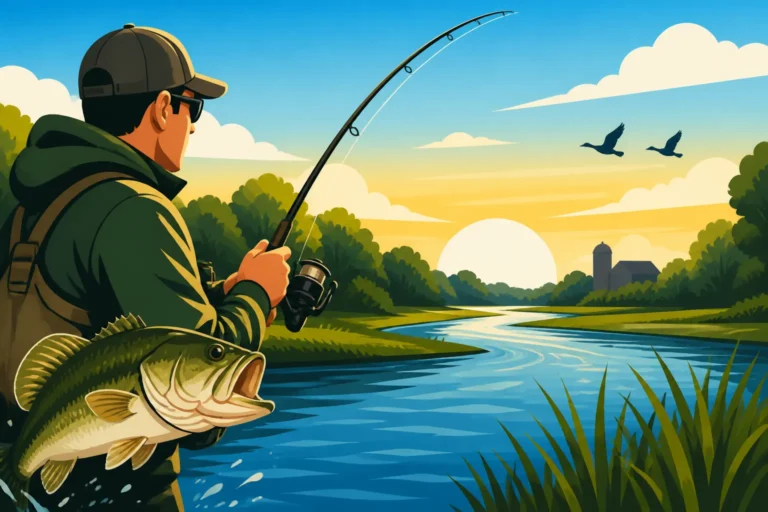
Fishing Liberty Reservoir for Trout
Fishing reservoirs can often feel like trying to unlock a secret code, especially when you're after something as specific and often elusive as trout in a massive body of water like Liberty Reservoir. It's not like the easily accessible put-and-take streams, and the sheer size, coupled with unique regulations, can leave many anglers scratching their heads. This guide is designed to demystify trout fishing at Liberty Reservoir, providing you with practical insights and strategies to increase your chances of a successful and rewarding day on the water.
The Unique Challenge and Allure of Liberty Reservoir Trout Fishing
Liberty Reservoir, a vital drinking water source for Baltimore and surrounding counties, offers a distinct fishing experience that sets it apart from many other Maryland waters. Its designation as a primary water supply dictates many of the regulations that anglers encounter, but it also helps preserve its pristine conditions and healthy fish populations, including a thriving trout fishery.
Cold Water Fishery Dynamics
Unlike many other reservoirs in Maryland, Liberty maintains a significant cold-water fishery, particularly for trout. This isn't your typical warm-water bass pond. The deep, clear waters of Liberty Reservoir provide excellent habitat for species like rainbow and brown trout, which are regularly stocked by the Maryland Department of Natural Resources (DNR). These fish thrive in the cooler, well-oxygenated depths, especially as surface temperatures rise in the warmer months. Understanding this cold-water dynamic is crucial for success. Trout will often seek out cooler thermal refuges, especially near deep ledges, submerged creek channels, or spring areas, making those structures key targets for anglers.
Historically, the reservoir has been stocked with trout for decades, ensuring a consistent population for anglers to pursue. The DNR's stocking programs are essential to maintaining this fishery, as natural reproduction for trout in a reservoir environment is often limited. These stocked fish, however, adapt quickly to their new environment, becoming feisty and challenging to catch, offering a genuine angling thrill.
Navigating the "No Wading, No Gas Motors" Rules
One of the most significant initial frustrations for many anglers visiting Liberty Reservoir for the first time is encountering its strict regulations, particularly the "no wading" and "no gasoline motors" rules. These rules are in place precisely because it's a drinking water supply. Wading could stir up sediment or introduce contaminants, while gasoline motors pose an obvious pollution risk. This means anglers must adapt their approach.
Shore fishing is a popular option, but even then, access is limited to designated areas. For those with boats, only electric trolling motors are permitted, requiring careful planning for battery life and range, especially on such a large body of water. This necessitates a strategic approach to finding and targeting fish, often focusing on areas within range of electric motors or easily accessible from shore. While it might seem restrictive, these rules are vital for protecting the water quality and, in turn, preserving the excellent fishing it offers.
Navigating Liberty Reservoir: Access, Regulations, and Permits
Fishing Liberty Reservoir requires more than just a Maryland Fishing License Guide for 2026; it also demands a keen understanding of its specific regulations and permits. This isn't a free-for-all public lake; it's a managed resource with rules designed to protect the drinking water supply for millions.
Essential Permits and Licensing
Before you even think about casting a line, you need to ensure you're properly licensed and permitted. Beyond the standard state fishing license, fishing at Liberty Reservoir requires a special watershed permit issued by Baltimore City's Department of Public Works (DPW). This permit is separate from your state fishing license and is non-negotiable for accessing the reservoir's waters or shorelines. You can typically obtain this permit from designated vendors around the reservoir or directly from the DPW office. It's a small fee but a critical step, as enforcement officers regularly patrol the area.
If you plan on boat fishing, you'll also need a separate boat permit issued by the DPW. This permit is required for any vessel, whether it's a kayak, canoe, or an electric-motor-powered boat. This system helps manage the number of boats on the water and ensures compliance with critical safety and environmental regulations. Always check the Baltimore City DPW website or local tackle shops for the most current information on where and how to acquire these permits, as requirements can occasionally change. Combining permits for different activities, like a Maryland Crabbing and Fishing Combination License, isn't applicable here; Liberty Reservoir has its own distinct set of rules.
Designated Access Points and Boat Ramps
Due to its role as a drinking water source, public access to Liberty Reservoir is strictly controlled. You can't just pull over and fish anywhere. Anglers must use designated access points, which typically include specific shore fishing areas and public boat ramps. Key access points include the Nicodemus Road boat ramp, the Liberty Dam area (often a popular spot for shore anglers), and various shoreline access points near bridges or park areas.
For boaters, Nicodemus Road is one of the primary launch points. Remember, only boats with electric motors are allowed, and you'll need that Baltimore City DPW boat permit displayed. Wading into the reservoir is strictly prohibited, even in shallow areas, so any fishing from the water must be done from an approved vessel. This makes understanding the layout of the reservoir and planning your boat launch and retrieval essential. It's not uncommon for anglers new to Liberty Reservoir to find themselves confused by the specific access rules, highlighting the importance of reading the Maryland's DNR Fishing and Boating Guide, Explained and the DPW's specific reservoir rules before your trip.
| Access Point | Type of Access | Primary Use | Restrictions | Notes |
|---|---|---|---|---|
| Nicodemus Road Boat Ramp | Boat Launch | Electric motor boats, kayaks, canoes | Baltimore City DPW Boat Permit required; no gas motors; no wading | Good for reaching deeper sections of the reservoir |
| Liberty Dam Area | Shore Fishing, Dam Overlook | Bank Fishing, Scenic Views | Limited parking, specific fishing zones; no wading | Popular for early morning/late evening fishing |
| Oakland Road Area | Shore Fishing | Bank Fishing | Limited parking, designated trails | Offers diverse shoreline structure |
| Deer Park Road | Shore Fishing | Bank Fishing | Limited access points | Often less crowded, remote feel |
Seasonal Strategies for Liberty Reservoir Trout
Trout fishing at Liberty Reservoir is a year-round possibility, but your success will heavily depend on adapting your tactics to the changing seasons. What works in spring might be completely ineffective in the heat of summer or the chill of winter.
Spring Stocking and Early Season Action
Spring is arguably one of the most exciting times to fish for trout in Liberty Reservoir, primarily due to the Maryland DNR's consistent stocking efforts. These fresh infusions of rainbow and brown trout create fantastic opportunities for anglers. After a long winter, the fish are often aggressive and willing to bite as they acclimate to their new environment and forage for food. For specific information on when to expect new fish, you can check the Maryland Trout Season, Month by Month and follow DNR stocking reports.
During this time, newly stocked trout tend to remain relatively close to stocking points before dispersing throughout the reservoir. They're often found in shallower areas where water temperatures are beginning to warm slightly, or near points and coves where baitfish might be congregating. Shore anglers can have excellent success during this period, especially using power baits, worms, or small spinners and spoons. Boat anglers can target these areas, drifting or slowly trolling, covering water to find active schools. The key is to be present shortly after stocking if possible, or at least within a few weeks, as the fish become more wary over time.
Summer Deep Water Tactics
As Maryland summer temperatures soar, surface waters in Liberty Reservoir warm considerably, pushing trout into deeper, cooler, and more oxygenated sections of the lake. This is when the reservoir truly becomes a challenge and a fantastic testing ground for deep-water techniques. Trout will often be found suspended in the water column or hugging the bottom in 20 to 40 feet of water, often near the old creek beds, deep ledges, or submerged structure.
This season demands boat fishing, as shore access rarely reaches these depths. Anglers equipped with fishfinders will have a significant advantage in locating these thermal refuges and finding schools of fish. Downriggers, lead-core line, or simply heavy jigging spoons and drop-shot rigs are effective for getting your baits into the strike zone. Trolling small spoons, crankbaits, or even live bait (where permitted) at these depths can be highly productive. Focus your efforts during the cooler parts of the day – early morning or late evening – when trout might occasionally venture shallower to feed. This deep-water pursuit is a different game entirely, requiring patience and the right gear. Many anglers look to FishingBooker for guides when exploring deep-water tactics in other Maryland fisheries, although direct guided trips on Liberty are not available, their resources can help understand gear.
Fall and Winter Opportunities
Fall brings a renewed burst of activity for trout in Liberty Reservoir. As ambient temperatures drop, the entire water column begins to cool and "turn over," leading to more uniform temperatures and increased oxygen levels throughout the reservoir. This allows trout to spread out and become more active in shallower depths again, making them more accessible to both shore and boat anglers. The fish are often feeding heavily in preparation for winter, offering aggressive strikes.
During autumn, trout can be found cruising points, coves, and transition areas. Both artificial lures, like Kastmasters, inline spinners, and Rapalas, and natural baits, such as nightcrawlers or power bait, can be very effective. As winter sets in, fishing slows down, but dedicated anglers can still find success. The coldest months might see trout congregated in even deeper sections, but they can still be caught by slowing down presentations considerably and focusing on subtle bites. Ice fishing is generally not permitted or advised on Liberty Reservoir due to its primary use as a drinking water source and safety concerns, unlike some other Maryland lakes where Ice Fishing in Maryland is a common practice.
Effective Techniques and Gear for Liberty Reservoir Trout
Successfully catching trout in Liberty Reservoir often comes down to matching your technique and gear to the specific conditions of the day and the season. It’s a versatile fishery that demands a flexible approach.
Essential Baits and Lures
For trout at Liberty, a diverse tackle box is your best friend. For those newly stocked fish, or when fish are more active in cooler water, traditional baits often perform exceptionally well.
- Power Bait: Always a top contender, especially the brightly colored dough baits or nuggets. Chartreuse, rainbow, and orange are perennial favorites. Rigged on a small treble hook with a sliding egg sinker, allowing the bait to float off the bottom, is a classic presentation.
- Worms: Live nightcrawlers or mealworms are irresistible to trout. They can be fished similarly to Power Bait or drifted naturally under a bobber or float.
- Corn: Believe it or not, canned kernel corn can be a surprisingly effective bait for trout, particularly recently stocked fish.
- Small Spinners: Brands like Mepps, Rooster Tail, and Panther Martin in sizes #0 to #2 are deadly. They imitate small baitfish or insects and are excellent for casting from shore or trolling slowly from a boat. Silver, gold, and brass blades with colorful dressings are popular choices.
- Spoons: Casting spoons like the Kastmaster or Little Cleo are versatile, offering good casting distance and a tempting wobble. They can be retrieved steadily or jigged vertically in deeper water.
- Small Crankbaits: Shallow-diving crankbaits or suspending jerkbaits in natural baitfish patterns can entice larger, more aggressive trout.
- Jigs: Small marabou jigs or soft plastic swimbaits on light jig heads can be effective when trout are keying in on smaller forage.
Remember to consider line strength; light monofilament or fluorocarbon (4-6 lb test) will generally get more bites, as trout in clear waters can be line-shy.
Shore Fishing Strategies
Shore fishing at Liberty Reservoir, while restricted to designated areas, can be incredibly rewarding, especially during the spring and fall. The key is to maximize your casting range and cover water effectively.
- Fan Casting: From a fixed position, cast your lure or bait in a fan-like pattern, covering as much water as possible. This increases your chances of intersecting with actively feeding trout.
- Bottom Rigs: For bait fishing, a simple slip-sinker rig allows your bait to float just off the bottom, which is often where trout are cruising. Ensure your leader is long enough to let the bait move naturally.
- Light Tackle: Use light to medium-light spinning rods (6-7 feet) with matching reels spooled with 4-8 lb test line. This setup provides good casting distance and sensitivity for detecting subtle bites.
- Target Structure: Even from shore, look for submerged structure, drop-offs, or points that extend into the water. Trout will often hold near these features. Fishing near the dam area or major bridge crossings often offers access to deeper water close to shore.
Electric Boat and Kayak Fishing Tactics
For boaters, having an electric motor and a fishfinder opens up a whole new world of possibilities on Liberty Reservoir. This allows you to explore vast areas and precisely target deep-water structure.
- Trolling: This is a highly effective method for covering water and finding active trout. Use light trolling rods and lead-core line or small planner boards to get your lures (spoons, crankbaits) down to the desired depths. Vary your speed and lure choices until you find what the fish are responding to.
- Jigging: Once you've located schools of trout on your fishfinder, vertical jigging with spoons or heavy jigs can be deadly. Drop your lure directly onto the fish and impart a jigging action, varying the intensity and cadence until you get a strike. This is particularly effective in summer when fish are concentrated in deep thermoclines.
- Drifting with Bait: Let the wind or your trolling motor slowly drift your boat over promising areas while deploying live bait or Power Bait rigs. This natural presentation can often fool wary trout.
- Sonar Importance: A good fishfinder is indispensable for boat fishing. It helps you identify deep-water structure, locate schools of baitfish (which trout will follow), and mark individual trout. Paying attention to temperature readings on your sonar can also help you find the optimal depth for trout, which often relates to the What Water Temperature Triggers the White Perch Spawn phenomenon, though for trout, it's about comfort zones rather than spawning.
Whether you're casting from a scenic bank or navigating the expansive waters in an electric boat, the thrill of catching a feisty trout from Liberty Reservoir is a truly rewarding experience. And if you're ever looking to expand your horizons and explore guided trips on other Maryland waters, platforms like FishingBooker can offer a wide selection of charters and guides to help you find success in diverse fisheries, from the Chesapeake Bay to mountain streams.
Respecting the Resource and Enhancing Your Catch
Fishing at Liberty Reservoir isn't just about catching fish; it's about being a responsible steward of a vital natural resource. Following regulations and practicing good angling ethics ensures that this beautiful fishery remains vibrant for generations to come.
Understanding Catch and Release Versus Retention
While Liberty Reservoir is known for its put-and-take trout fishery, meaning many stocked trout are intended for harvest, anglers should always be mindful of current regulations on size and creel limits. These can vary by species and time of year. For instance, sometimes there are specific limits for rainbow trout versus brown trout. It's always a good idea to consult the most recent Maryland DNR regulations booklet or website before heading out.
Some anglers also choose to practice catch and release, especially for larger, wilder-looking fish, to help sustain the population. If you do practice catch and release, ensure you handle fish with wet hands, minimize their time out of water, and use appropriate de-hooking tools. While generally not a requirement for most of Liberty Reservoir, it's worth noting that some designated trout streams in Maryland have Barbless Hook Rules on Maryland Trout Streams to minimize harm to fish. Always be clear on which rules apply to your specific location.
Protecting the Water Supply
The most critical aspect of fishing Liberty Reservoir is remembering its primary purpose: drinking water. This is why the specific rules regarding wading, motor use, and waste disposal are so stringent. Pack out everything you pack in, including fishing line, bait containers, and any other trash. Do not discard fish remains or bait directly into the reservoir. Avoid using chemicals or anything that could contaminate the water.
This mindful approach extends beyond the fishing itself. When preparing your gear, avoid introducing foreign substances. If you're coming from another body of water, ensure your boat and gear are clean to prevent the spread of invasive species. Understanding and respecting these rules not only keeps you compliant with the law but actively contributes to the health of the reservoir and its fishery. This commitment ensures that Liberty Reservoir remains a fantastic place to fish for trout and a safe source of drinking water for the community.
Disclaimer
Always verify current regulations with the Maryland Department of Natural Resources (DNR) and the Baltimore City Department of Public Works (DPW) before fishing at Liberty Reservoir, as rules and conditions can change.