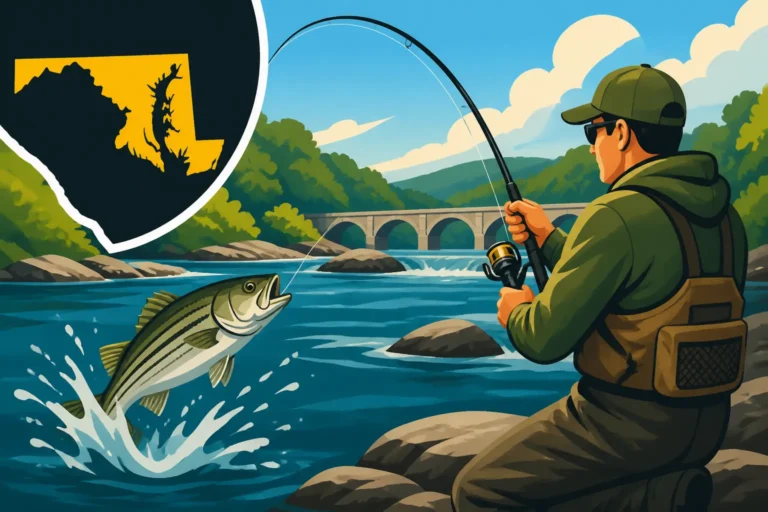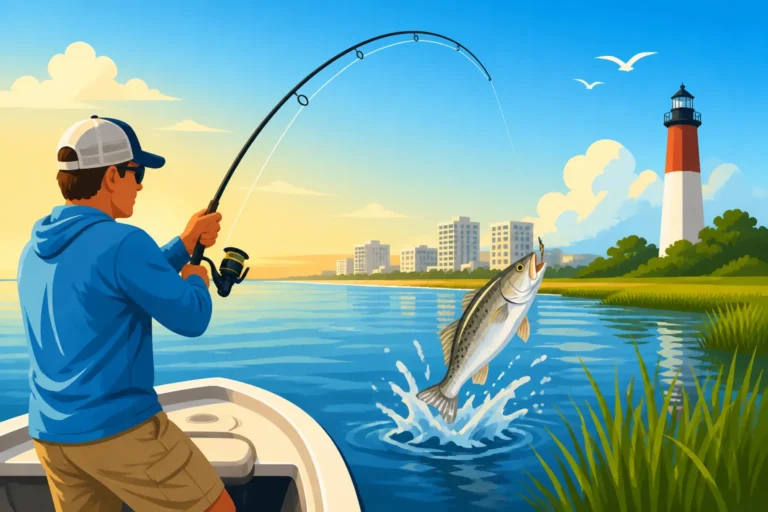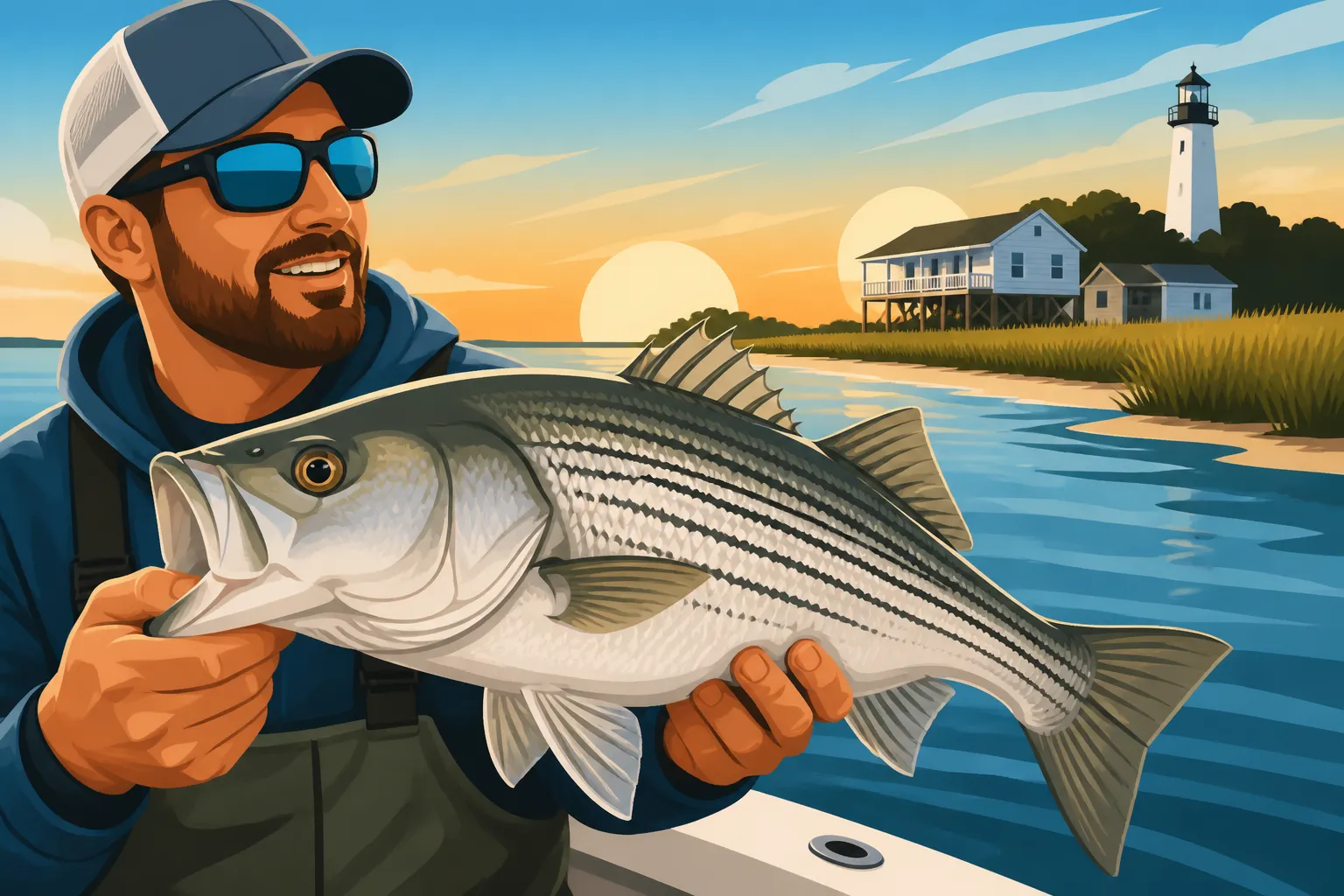
Fishing Smith Island for Rockfish
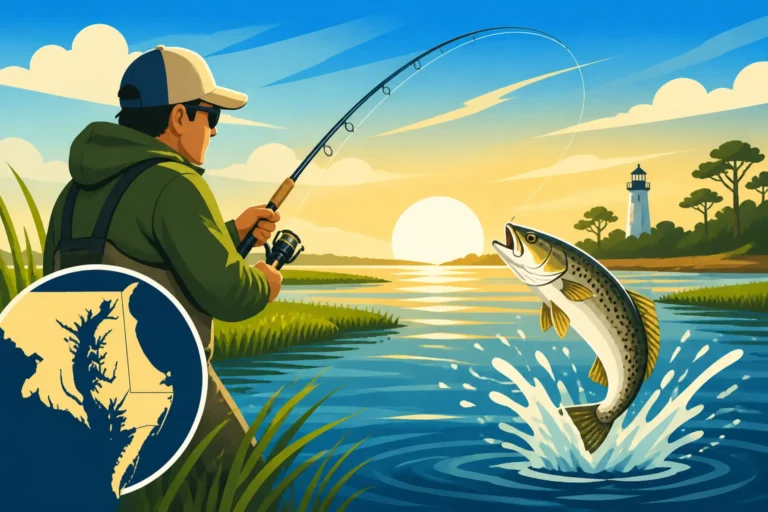
Finding those truly special, secluded fishing spots in the vastness of the Chesapeake Bay can feel like a daunting task, often leaving anglers wondering where to go for a genuine chance at some quality fish without the usual crowds. If you've been dreaming of an authentic Maryland fishing experience away from the hustle and bustle, focusing on the productive waters around Smith Island for rockfish (striped bass) is an excellent choice. This guide is all about navigating those unique waters, understanding the best times, and employing effective techniques to help you hook into some fantastic striped bass around Maryland's iconic Smith Island.
Why Smith Island Offers a Unique Rockfish Experience
Smith Island isn't just a dot on the map; it's a living, breathing part of Maryland's maritime heritage, and its surrounding waters are a treasure trove for anglers, especially those targeting striped bass. The remoteness and the unique ecosystem here contribute to a fishing experience unlike many other parts of the Chesapeake Bay.
The Untouched Estuarine Environment
One of the biggest draws of Smith Island is its relatively untouched estuarine environment. Unlike more developed areas of the Bay, the waters around Smith Island boast extensive marshlands, shallow flats, and intricate creek systems that serve as prime habitat for baitfish, which in turn attract hungry rockfish. These shallow, nutrient-rich areas provide excellent nurseries for various species, creating a vibrant food chain.
You'll find countless hidden guts and channels weaving through the marsh grass, offering ambush points for striped bass to feed on baitfish moving with the tides. This complex network of waterways means you're not just fishing open water; you're often exploring intricate, structure-rich environments that require a bit more local knowledge but offer huge rewards. It's a stark contrast to some of the more industrialized ports and provides a real sense of wildness that can be hard to find these days.
Less Pressure, More Fish
Because Smith Island is more isolated and primarily accessible by boat or ferry, it generally experiences less fishing pressure compared to mainland hot spots. This isn't to say it's completely deserted, but you're less likely to be shoulder-to-shoulder with other boats, which can make a significant difference in a productive fishing day. This lower pressure can translate into more willing fish and a more serene angling experience.
The local watermen and residents understand the delicate balance of their ecosystem, and while they're keen on sustainable harvesting, the recreational pressure is simply lower. This allows the fish to follow their natural patterns with less disruption, giving you a better chance to encounter active schools of striped bass. If you're tired of fighting for a spot at popular piers or crowded trolling lanes, Smith Island provides a refreshing alternative.
Best Times and Tides for Rockfish at Smith Island
Timing is everything when it comes to rockfish, and the unique tidal flows and seasonal patterns around Smith Island demand careful consideration. Knowing when to go and how the tides influence fish behavior can dramatically improve your chances of success.
Seasonal Opportunities for Striped Bass
Maryland's striped bass season has specific dates and regulations, but generally, the most productive times to target rockfish around Smith Island are during the spring and fall migrations.
- Spring (April-May): As the waters warm, striped bass move into the shallows and rivers to spawn. After spawning, they'll often linger in the lower Bay, feeding heavily before heading offshore. The areas around Smith Island can be excellent during this post-spawn period when fish are actively recovering and feeding. You'll want to pay close attention to the specific Maryland Striped Bass Season and Rockfish Rules as these can change annually, particularly concerning spawning river closures.
- Summer (June-August): Fishing can be tougher in the heat of summer. While some resident fish remain, many larger striped bass will move to cooler, deeper waters or out of the Bay entirely. However, early mornings and late evenings can still yield results, particularly in deeper channels or around structures where cooler water might persist. Remember, there's often an August Rockfish Closure in Maryland for conservation purposes, so always double-check current regulations.
- Fall (September-December): This is often considered prime time for rockfish in the Chesapeake Bay. As water temperatures cool, baitfish begin to congregate and migrate, and striped bass follow suit, feeding aggressively to build up fat reserves for winter. The fall migration can bring large schools of fish into the Smith Island area, offering fantastic opportunities for anglers. For a broader perspective on optimal fishing, consider reading about the Best Time of Year to Fish the Chesapeake Bay.
Reading the Tides Around Smith Island
The tides play an absolutely crucial role in fishing the shallow, marshy waters around Smith Island. Unlike larger, deeper parts of the Bay where tide might be less critical for certain species, here it dictates bait movement and fish activity.
- Moving Water is Key: Whether it's an incoming or outgoing tide, moving water is almost always better than slack tide. The current stirs up nutrients, disorients baitfish, and creates ambush points for predatory rockfish. Focus your efforts during the strongest parts of the tidal flow.
- Incoming Tide: An incoming tide often pushes baitfish into the marsh creeks and shallow flats, drawing striped bass with them. Fishing the mouths of these creeks or along the edges of the flats as the tide rises can be highly productive.
- Outgoing Tide: As the tide falls, baitfish are flushed out of the marsh systems and into larger channels or deeper holes, creating a feeding frenzy for rockfish. Target choke points, channel edges, and deeper drop-offs where baitfish might be concentrated. For a more in-depth look, explore How Tides Affect Fishing in Maryland's Chesapeake Bay.
Here's a quick reference for general seasonal expectations:
| Season | Typical Rockfish Behavior | Best Tidal Conditions | Primary Target Areas |
|---|---|---|---|
| Spring | Post-spawn feeding, moving out of spawning rivers | Strong incoming/outgoing | Creek mouths, shallow flats |
| Summer | Resident fish in deeper pockets, early/late feeding | Early/late moving tides | Deeper channels, shaded areas |
| Fall | Migratory feeding blitz, aggressive chasing of bait | Strong incoming/outgoing | Channel edges, points, oyster beds |
| Winter | Fish move to deeper, warmer holes (less active for Smith Island) | Slack/slow moving | Seldom targeted at Smith Island |
Top Techniques and Baits for Smith Island Rockfish
Successfully targeting rockfish around Smith Island means adapting your techniques to the environment and the fish's behavior. From traditional methods to more modern approaches, having a diverse toolkit will serve you well.
Lure and Bait Selection
The type of bait or lure you choose should reflect the prevalent forage in the area and the water conditions.
- Soft Plastics and Jigs: Jigging with soft plastics is incredibly effective, especially when targeting fish holding near structure or in deeper channels. Paddle tails, grub tails, and soft jerk baits in white, chartreuse, or pearl colors, rigged on jig heads ranging from 1/2 to 2 ounces (depending on depth and current), are excellent choices. Work them along drop-offs, oyster reefs, and channel edges. These mimic many of the common baitfish like silversides and peanut bunker.
- Spoons and Hard Baits: Metal spoons are great for casting long distances to schooling fish or trolling. Silver or gold spoons that flash and wobble are irresistible to aggressive striped bass. Lipless crankbaits or shallow-diving crankbaits can also be very effective when fished over shallow flats or along marsh edges, particularly during periods of active feeding.
- Live Bait: If local regulations allow and bait is readily available, live lining spot, peanut bunker, or menhaden can be deadly for larger striped bass. This often involves finding schools of baitfish first, catching them, and then presenting them in areas where rockfish are known to congregate. Just be sure to check the Maryland Fishing Size and Catch Limits by Species for any bait-related restrictions.
- Cut Bait: For bottom fishing in deeper channels, cut bait like bunker or eel can attract larger, more sluggish rockfish. This is particularly effective during slower periods or when fish are holding tight to the bottom.
Effective Fishing Strategies
Given the diverse environment of Smith Island, a range of strategies can be employed.
- Trolling the Channels: Trolling is a classic Chesapeake Bay technique and can be very effective in the larger channels surrounding Smith Island. Use tandem rigs with surgical hoses, bucktails, or spoons behind planers or inline weights to get your lures down to the desired depth. Vary your speed until you find what triggers bites. For a deeper dive into methods, check out Maryland Striped Bass Fishing Techniques.
- Casting the Flats and Marsh Edges: When the tide is high, don't overlook the shallow flats and marsh edges. Cast soft plastics or topwater lures (during low light conditions) into these areas. Striped bass often push baitfish against the marsh grass, making them easy targets. This type of fishing can be incredibly exciting as you'll often see the strikes.
- Jigging Structure: The Bay bottom around Smith Island is littered with oyster beds, shell bottom, and various submerged structures. Use your sonar to identify these features and then position your boat to jig them. Vertical jigging soft plastics or metal jigs can entice rockfish hiding within these structures. Focus on areas where you see baitfish congregating or where there are sharp depth changes.
- Anchoring and Chumming: While not always necessary, chumming can draw fish to your boat, especially in deeper channels. However, always check local regulations regarding chumming for striped bass, as rules can vary. If permitted, a consistent chum slick with cut bait can bring fish right to you, making it easier to present live or cut baits.
Navigating Smith Island: Access and Considerations
Smith Island's charm lies in its remote nature, but that also means planning is paramount. Understanding how to access the island and what to expect logistically is key to a successful and enjoyable fishing trip.
Getting to Smith Island
Smith Island is only accessible by boat. Most anglers will either have their own vessel or charter one for the trip.
- Private Boat Access: If you're bringing your own boat, you'll likely launch from mainland Maryland ports such as Crisfield, Deal Island, or even further north in the Chesapeake Bay. Crisfield offers multiple marinas and public ramps. From these points, it's a significant but scenic boat ride across the Tangier Sound to reach the Smith Island archipelago. Be sure your boat is capable of handling Bay conditions, as weather can change quickly. It's always a good idea to file a float plan and ensure you have all necessary safety equipment.
- Chartering a Boat: For those without a boat, or who prefer local expertise, booking a fishing charter is an excellent option. Charter captains based out of Crisfield or other lower Bay towns are intimately familiar with Smith Island's waters and the nuances of rockfish behavior there. They provide all the gear and guidance, making it a hassle-free way to experience the fishing. Platforms like FishingBooker can help you find reputable charters operating in the Crisfield area that specialize in trips to Smith Island. When considering this option, read up on Maryland Chesapeake Bay Fishing Charters, What to Expect so you know what questions to ask.
- Ferry Service (for non-fishing visits): While there are passenger ferries to Smith Island from Crisfield, these are primarily for visiting the communities and not typically used for fishing excursions unless you're planning to stay on the island and fish from shore (which is very limited) or with a local guide.
Essential Gear and Supplies
Being prepared for a day (or longer) on the water around Smith Island means having the right gear and provisions.
- Fishing Rods and Tackle: Bring a variety of rods suitable for jigging, casting, and possibly trolling. Medium-heavy spinning or baitcasting setups are versatile. Ensure your tackle box is stocked with a good selection of soft plastics, jig heads, spoons, and any natural baits you plan to use. Don't forget pliers, line cutters, and a net.
- Safety Equipment: Life jackets for everyone on board are non-negotiable. A VHF radio, flares, a first-aid kit, and a working anchor with sufficient rode are also crucial, especially given the remote nature of the area.
- Navigation and Communication: GPS is invaluable for navigating the intricate channels and avoiding shallow areas. A reliable chartplotter, whether on your boat or a portable device, will be your best friend. Cellular service can be spotty, so don't rely solely on your phone for navigation or emergencies.
- Personal Comfort: Sunscreen, hats, polarized sunglasses, and appropriate clothing for changing weather conditions are a must. Bring plenty of water and snacks, as amenities are limited once you're out on the water. A good cooler for drinks and your catch is also essential. For more general advice, consider what to pack by reading What to Bring on a Maryland Fishing Charter.
Respecting the Local Environment and Culture
Smith Island is not just a fishing destination; it's home to a unique, tight-knit community with a distinct way of life.
- Leave No Trace: Practice responsible angling by packing out everything you pack in. Dispose of all trash properly. Avoid disturbing the sensitive marsh ecosystems.
- Observe Regulations: Always adhere to all Maryland fishing regulations, including size limits, creel limits, and season dates. The Maryland Fishing License Guide for 2026 is your starting point, and remember that Do You Need a License for a Maryland Fishing Charter if you're with a captain. The health of the rockfish population depends on everyone's cooperation.
- Respect Private Property: While the waters are public, much of the shoreline and land on Smith Island is private. Be mindful of where you anchor or step ashore.
- Support Local: If you do visit the island, consider supporting local businesses, whether it's for a meal, a souvenir, or a stay. The communities on Smith Island thrive on visitors who appreciate their heritage.
Fishing for rockfish around Smith Island offers an unparalleled adventure for those willing to venture off the beaten path. Its pristine waters, diverse habitats, and unique charm make it a truly memorable destination in the Maryland fishing landscape. To maximize your chances, consider connecting with a local expert through services like FishingBooker to ensure you're in the right hands for navigating these special waters.
Disclaimer
Fishing regulations, seasons, and licensing requirements can change. Always consult the latest Maryland Department of Natural Resources (DNR) guidelines and laws before heading out to fish. The information provided here is for general guidance and informational purposes only.