Fishing the Patapsco River
For anglers venturing out into Maryland, the Patapsco River can seem like a bit of a mystery. It's a waterway of stark contrasts, flowing from tranquil, rocky freshwater streams high in the piedmont down to a bustling tidal estuary that empties into the Chesapeake Bay right at the heart of Baltimore. This incredible diversity often leaves fishermen scratching their heads, wondering what to expect, what gear to bring, and where to even begin. This guide aims to demystify fishing the Patapsco, breaking down its unique characteristics, the rich variety of species it holds, and the best ways to tackle its waters, whether you're a seasoned local or just visiting.
Understanding the Patapsco River's Diverse Waters
The Patapsco River isn't just one type of fishing experience; it's several rolled into one, changing dramatically as it makes its journey from its headwaters to the Chesapeake Bay. Understanding this transition is key to a successful outing.
The Tidal Patapsco: Estuary to the Inner Harbor
Imagine a river that starts fresh and pure, but as it nears its end, it embraces the salty kiss of the Chesapeake Bay, becoming a sprawling, complex estuary. That's the tidal Patapsco, stretching from the fall line, roughly around Elkridge, all the way through Baltimore's iconic Inner Harbor and into the bay. This section is influenced heavily by the tides, which bring in a whole host of brackish and saltwater species, creating dynamic fishing opportunities. The water here is often murky, especially after heavy rains, but don't let that deter you; it’s teeming with life.
This lower Patapsco is a vibrant ecosystem where freshwater and saltwater species intermingle. You might be targeting a classic estuarine species like striped bass or white perch, while simultaneously encountering invasive blue catfish that have made themselves quite at home. The bottom here varies from soft mud to rocky ledges, providing diverse habitats. Industrial structures, bridge pilings, and submerged debris in areas like the Inner Harbor and the lower Patapsco offer excellent ambush points for predatory fish. During peak seasons, particularly in spring and fall, the fishing here can be absolutely phenomenal. It's truly a unique blend of urban fishing opportunities set against a backdrop of historic waterfronts and bustling port activity.
The Nontidal Patapsco: Headwaters and Reservoirs
As you move upstream, away from the tidal influence and the salty embrace of the bay, the Patapsco transforms into a completely different animal. The nontidal sections are predominantly freshwater, characterized by rocky bottom streams, riffles, pools, and forested banks. This is where you'll find a more traditional river fishing experience, with smaller watercraft like kayaks or even wading being the preferred methods of access. Further upstream, the river is impounded, forming significant reservoirs like Liberty Reservoir and Prettyboy Reservoir, which are crucial drinking water sources for Baltimore and offer fantastic lake-style fishing.
The upper Patapsco, particularly around Patapsco Valley State Park, is a picturesque escape where you can find healthy populations of smallmouth bass, various panfish, and even stocked trout in certain designated areas. The reservoirs, on the other hand, provide deep, cold waters ideal for largemouth bass, crappie, and a surprising number of other species. Fishing in these upstream areas requires a different approach than the tidal zones, focusing more on current seams, fallen timber, and rocky structures. The water clarity is generally much better here, making visual fishing and presentation more critical. Anyone looking for a quiet day away from the urban hustle will find solace and great fishing in these upper stretches.
Key Fish Species You'll Encounter in the Patapsco
The incredible diversity of the Patapsco River means a wide array of fish species call its waters home. Depending on whether you're in the tidal or nontidal sections, your target species will vary considerably.
Freshwater Catches: Bass, Panfish, and Trout
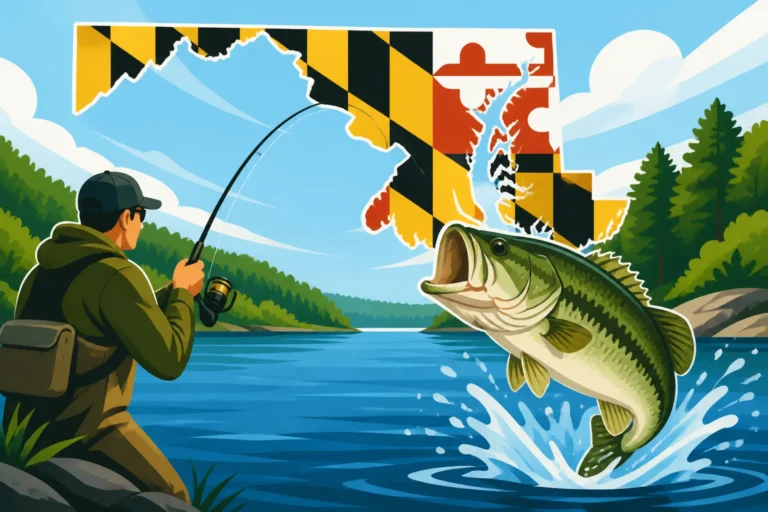
In the cooler, cleaner waters of the nontidal Patapsco and its reservoirs, anglers can expect excellent freshwater action. Largemouth bass thrive in the deeper, warmer reservoir waters, often hiding around submerged structures like fallen trees and weed beds. They're a favorite target for many, offering powerful fights. Smallmouth bass, known for their aggressive strikes and acrobatic leaps, are more common in the rocky, flowing sections of the upper river, particularly where there's good current. You can often find them lurking behind boulders or in deeper pools.
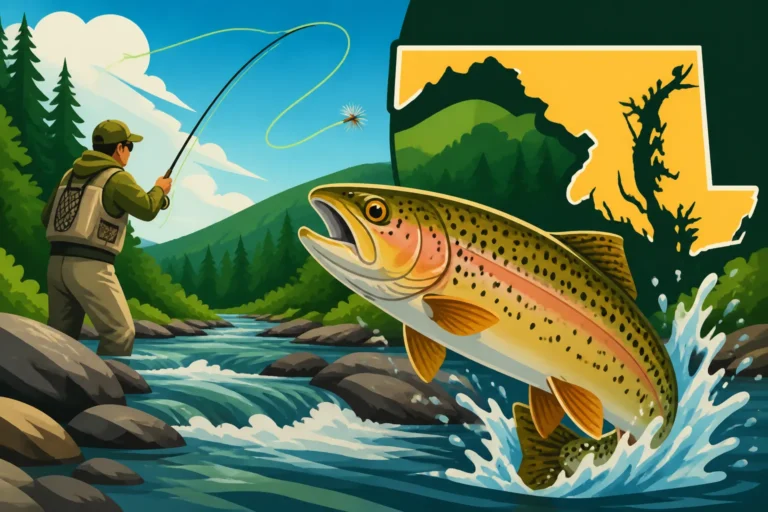
Panfish, such as bluegill, crappie, and yellow perch, are abundant throughout the nontidal stretches and offer fantastic light tackle fun, especially for families and beginners. Crappie are particularly popular in the reservoirs, often schooling around brush piles and docks. And for those seeking a chillier pursuit, certain sections of the Patapsco, primarily within Patapsco Valley State Park, are regularly stocked with rainbow and brown trout. These waters often fall under special regulations, like Maryland's put-and-take trout areas, offering a unique opportunity to catch these beautiful cold-water fish. Remember that you'll need a Maryland Nontidal vs Tidal Fishing License, Explained depending on where you cast your line.
Brackish & Saltwater Targets: Perch, Stripers, and Invasives
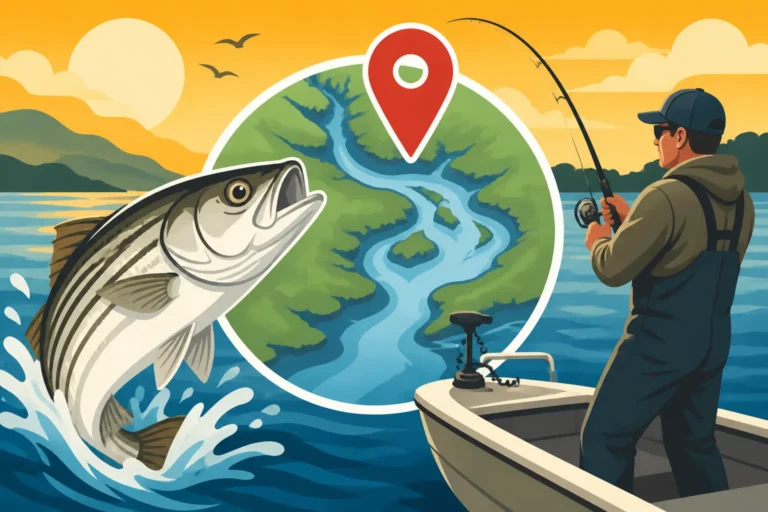
Moving downstream into the tidal Patapsco, the species mix changes dramatically. The undisputed king here is the striped bass, affectionately known as "rockfish" by Marylanders. These hard-fighting fish migrate through the Patapsco estuary, especially during their spring and fall runs, offering exciting opportunities for anglers using everything from live bait to artificial lures. You'll want to brush up on the Maryland Striped Bass Season and Rockfish Rules before heading out, as regulations can change. White perch are another ubiquitous and popular target in the tidal Patapsco. These feisty panfish are plentiful and can be caught almost year-round, providing consistent action, especially during their spring spawning runs up the smaller tributaries.
However, the tidal Patapsco is also home to some less-welcome but equally abundant residents: invasive species. Blue catfish have proliferated throughout the Chesapeake Bay system, and the Patapsco is no exception. These giant catfish offer incredible fighting power and are excellent table fare, with no creel limits to encourage their removal. Northern snakehead, another invasive species, are also present, especially in the shallower, weedy areas. Catching these requires specific techniques, but they too provide a thrilling fight and are delicious. Understanding Maryland Invasive Fish Rules: Blue Catfish and Snakehead is important, as releasing live snakehead is prohibited. The dynamic nature of this estuary means you might start your day jigging for stripers and end it bottom fishing for blue cats, making every trip an adventure.
Best Fishing Spots and Access Points Along the Patapsco
One of the challenges of fishing the Patapsco River is simply knowing where to go, given its length and varying character. Luckily, there are numerous spots, both well-known and hidden gems, that offer excellent access.
Popular Shoreline and Pier Access
For those without a boat, the Patapsco still offers plenty of opportunities for shore-bound anglers. In the tidal zones, Fort Armistead Park in Baltimore provides excellent pier and shoreline access with views of the Patapsco River and good chances for white perch and striped bass. The Canton Waterfront Park, while primarily recreational, also has spots along the promenade where you can cast a line into the Inner Harbor, often yielding perch and small stripers. For a more rugged experience, explore the various access points within Patapsco Valley State Park. Here, you can wade or cast from the bank into the nontidal river for smallmouth bass and trout. Popular spots include the Avalon Area, Daniels, and Hollofield. Always check park regulations for specific fishing zones and rules.
Remember that fishing from piers or shorelines in Maryland often falls under specific licensing requirements, but it's generally more accessible than boat fishing. If you're planning a trip, consider using platforms like FishingBooker to scope out local spots and even see what guides are operating in the area, offering a local's insight into prime shoreline locations. Sometimes, the best advice comes from someone who fishes these waters daily.
Boat and Kayak Launch Options
For anglers who prefer to explore more water, the Patapsco offers several excellent boat and kayak launch points. In the tidal section, launch ramps like the one at Fort Smallwood Park in Pasadena provide direct access to the lower Patapsco and the Chesapeake Bay. This is a prime spot for launching boats targeting striped bass, white perch, and even blue catfish in the deeper channels. Kayakers can also launch from here to explore the calmer coves and shoreline areas. For more urban tidal access, the Baltimore City Department of Recreation and Parks sometimes offers access points, though these can be more geared towards smaller craft or hand-launching.
Upstream, in the nontidal sections, access points within Patapsco Valley State Park, such as the Thistle area or Daniels, are fantastic for launching kayaks, canoes, or even small johnboats for fishing the river's flows. The reservoirs – Liberty and Prettyboy – have their own designated public boat ramps, but they often have restrictions on motor size (electric motors are typically allowed, but gas motors might be limited or prohibited to protect drinking water quality). For a hassle-free experience with launching, or simply to get an idea of the best spots to access the water, a quick search on a platform like FishingBooker can help you find guides or even rental options for kayaks or small boats tailored to the Patapsco's unique waters. This river truly shines when you can cover more ground.
Effective Techniques and Essential Gear for Patapsco Fishing
Given the Patapsco River's diverse environments, a flexible approach to techniques and a well-rounded tackle box are essential. What works in a tranquil freshwater stream won't necessarily cut it in the busy, tidal Inner Harbor.
Lures, Baits, and Rigs for Different Species
For the freshwater stretches of the Patapsco, particularly for bass, standard artificial lures like spinnerbaits, crankbaits, and soft plastic worms fished Texas-rigged or Carolina-rigged are highly effective. Smallmouth bass in the river sections often respond well to tubes, grubs, and small jigs bounced along the bottom. For trout in the stocked areas, traditional baits like PowerBait, corn, or small worms, along with small spinners and flies, are often productive. Panfish, being less discerning, will readily hit tiny jigs, worm pieces, or mealworms under a bobber.
In the tidal Patapsco, the game changes. For striped bass, jigging with soft plastic paddletails or bucktails is a classic and very effective method, especially around bridge pilings and channel edges. Trolling with spoons or livelining spot or eels can also produce larger fish. White perch are suckers for bottom rigs tipped with bloodworms, grass shrimp, or small pieces of fish, especially when fished near structure. For the invasive blue catfish, cut bait (like pieces of gizzard shad or perch) fished on a circle hook near the bottom is incredibly effective, particularly in deeper holes and channels. And for snakehead, topwater frogs or weedless soft plastics cast into dense vegetation are the go-to techniques. It's a good idea to carry a variety of options, as you never know what you'll encounter. You might also find it helpful to consult a Maryland Fishing License Guide for 2026 to ensure you're compliant across all species and water types.
Seasonal Considerations and Fishing Strategies
The Patapsco River truly fishes differently with the seasons, and understanding these shifts will dramatically improve your success.
Spring: This is prime time across most of the Patapsco. The white perch make their spawning runs up the tidal tributaries, offering fast and furious action. Striped bass also become very active as they migrate into the bay and its tributaries for their spawning ritual. In the nontidal sections, trout stocking begins, and bass become more active as water temperatures rise. Early spring for largemouth often means targeting shallow, warming coves. The best time for chasing these various species can often be found by checking a Best Time of Year to Fish in Maryland guide.
Summer: As temperatures soar, fishing in the tidal Patapsco can get tougher during the day, with many species moving to deeper, cooler water or becoming more active during dawn, dusk, or even night. However, blue catfish fishing remains strong throughout the summer, as these robust fish tolerate warmer water well. In the nontidal reservoirs, bass can be found in deeper thermoclines or feeding in low-light conditions. The upper river's smallmouth bass remain active but may require earlier starts to avoid the midday heat. Kayak anglers often find summer a great time to explore the river's quieter reaches.
Fall: Much like spring, fall brings another surge of activity. The striped bass begin their migration out of the bay, often staging in the lower Patapsco, where they feed aggressively. White perch fishing also picks back up as they school up before winter. In the nontidal areas, bass often go on a feeding frenzy to fatten up, and trout can be stocked again, providing excellent opportunities.
Winter: While challenging, winter fishing on the Patapsco can still be rewarding. Deep Creek Lake might offer ice fishing, but the Patapsco itself usually doesn't freeze sufficiently for safe ice fishing. Instead, focus on deep holes and channels in the tidal Patapsco for sluggish striped bass and plenty of blue catfish. In the nontidal sections, fishing slows considerably, but hearty anglers can still find success targeting deep-holding bass or the occasional holdover trout. Having the right gear, including appropriate clothing and perhaps even a fish finder if you're boating, is crucial during these colder months. Platforms like FishingBooker can help you find guides who specialize in winter fishing on the Patapsco, offering tips and trips when others might be packing it in.
| Section of Patapsco | Primary Water Type | Common Species | Best Techniques | License Required |
|---|---|---|---|---|
| Tidal Patapsco | Brackish/Saltwater | Striped Bass, White Perch, Blue Catfish, Northern Snakehead | Jigging, Trolling, Bottom Fishing, Live-Lining, Topwater (for Snakehead) | Maryland Bay & Coastal Sport Fishing License |
| Nontidal Patapsco (River) | Freshwater | Smallmouth Bass, Trout, Panfish (Bluegill, Crappie) | Wading, Spinning, Fly Fishing, Small Lures | Maryland Nontidal Fishing License |
| Nontidal Patapsco (Reservoirs) | Freshwater | Largemouth Bass, Crappie, Yellow Perch, Walleye | Jigging, Trolling (electric motor), Soft Plastics, Live Bait | Maryland Nontidal Fishing License |
Remember that whether you're targeting striped bass in the lower tidal sections or trout in the upper nontidal streams, familiarizing yourself with Maryland Fishing Size and Catch Limits by Species is absolutely crucial for responsible and legal angling. The Patapsco River truly offers something for everyone, provided you come prepared for its remarkable diversity.
Disclaimer
Please be aware that fishing regulations in Maryland, including those for the Patapsco River, can change. Always consult the latest Maryland Department of Natural Resources (DNR) fishing guide or website before heading out to ensure you are up-to-date on all licensing requirements, seasons, size limits, and creel limits. This guide is for informational purposes only and does not supersede official regulations.