Fishing the Ocean City Inlet From Shore
For many anglers, the thought of fishing the vibrant waters of Ocean City, Maryland, conjures images of expensive charters or private boats. But that couldn't be further from the truth for those seeking the thrill of the catch right from solid ground. Navigating the currents, structure, and species that call the Ocean City Inlet home can feel intimidating, but this comprehensive guide will demystify shore fishing, empowering you to cast your line with confidence and success.
Understanding the Ocean City Inlet: A Shore Angler's Paradise
The Ocean City Inlet is a dynamic stretch of water, acting as the main artery connecting the vast expanse of the Atlantic Ocean with Maryland's sprawling back bays. This constant flow of water, coupled with a diverse underwater landscape and man-made structures, creates an incredibly rich fishing environment right at your fingertips.
What Makes the Inlet So Productive?
The secret to the Inlet's productivity lies in its unique combination of strong currents, diverse structure, and abundant baitfish. As tides push and pull between the ocean and the bay, they carry nutrients and baitfish, creating a natural feeding funnel for larger predatory species. Think of it like a buffet line for fish! The currents concentrate bait, making it easier for game fish to ambush their prey. This also means you need to be mindful of the current when choosing your gear and presentation; lighter tackle might get swept away, while heavier weights can hold bottom effectively. Furthermore, the varying depths, rocky jetties, and sandy bottom areas provide perfect ambush points and hiding spots. The mix of saltwater coming in from the ocean and brackish water from the bay also attracts a wider variety of species than you might find in purely freshwater or offshore environments.
The deep channels carved out by the constant tidal flow serve as highways for fish migrating in and out of the bay. These channels often hold cooler, more oxygenated water, which can be a draw for fish during warmer months. During the spring and fall migrations, particularly for species like striped bass, the Inlet becomes a major transit point, offering phenomenal opportunities for shore anglers who know where and when to cast. The sheer volume of water moving also means there's a continuous supply of food, from small baitfish like silversides and mullet to crustaceans like shrimp and crabs, keeping the entire ecosystem bustling.
Key Shoreline Access Points
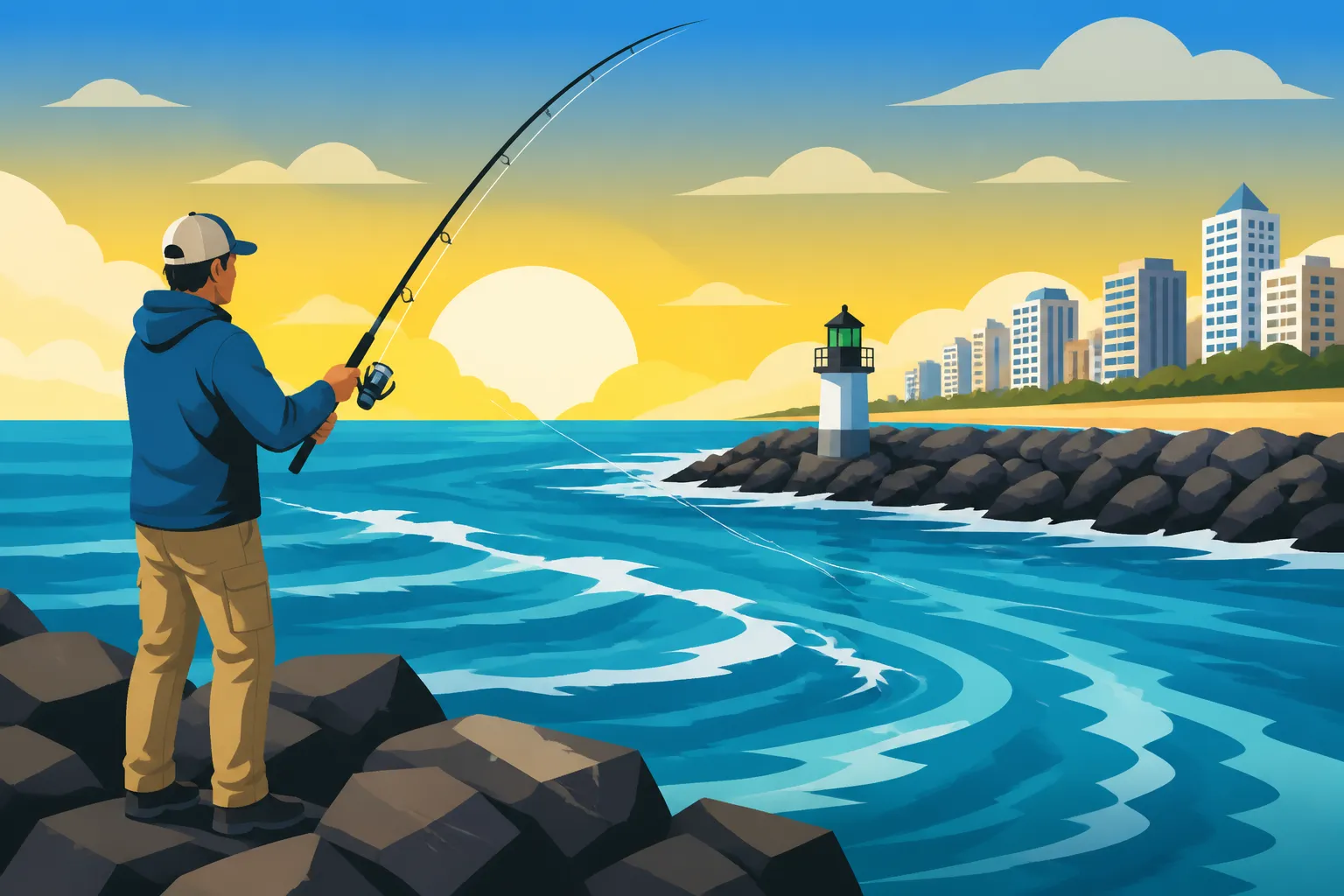
Ocean City's Inlet offers several fantastic spots for shore anglers, each with its own charm and challenges. The most prominent are the jetties, particularly the South Jetty. This massive rock structure extends far into the inlet and is a renowned hotspot for a variety of species. Anglers here can cast into the deep channel, along the jetty rocks, or into the calmer waters on the bayside. Be prepared for uneven footing and consider wearing sturdy, non-slip footwear. Fishing the jetties requires a bit of agility and caution, but the rewards can be significant. It’s not uncommon to see anglers reeling in a variety of species from these very rocks.
Another popular access point is the bulkhead along the downtown area, stretching from the end of the boardwalk towards the Coast Guard station. This paved area offers easy access and a comfortable fishing experience, making it great for families or those who prefer stable ground. You can cast into the channel or closer to the structure, often finding success with bottom rigs. Further into the bay, beyond the official inlet, areas around the Route 50 bridge and the Ocean City Fishing Pier also provide opportunities, though the currents might be less intense than directly in the inlet. These areas are excellent for targeting fish moving between the back bays and the main channel. Keep in mind that some piers, like the Ocean City Fishing Pier, typically charge a fee, but often provide an exemption from needing a separate state fishing license. If you're wondering about wider access points, our guide on Fishing Ocean City's Inlet and Jetties offers more specific details.
Essential Gear and Techniques for Inlet Success
Having the right tackle and knowing how to use it are paramount when fishing the fast-moving, structure-rich environment of the Ocean City Inlet. It’s not about having the most expensive gear, but rather the most appropriate.
Rods, Reels, and Line for Shore Casting
When fishing from shore in the Inlet, you'll want a rod and reel combo that can handle casting heavier weights and fighting strong fish in current. A medium-heavy to heavy action spinning rod, typically between 7 to 10 feet in length, is ideal. This length provides the leverage needed for long casts and helps manage line over jetty rocks or around boat traffic. A sturdy spinning reel in the 4000 to 6000 size range, capable of holding 200-300 yards of line, is a good choice. Look for reels with a smooth drag system, as you’ll need it when a big striped bass or bluefish decides to run.
For line, braided line is a popular choice for its strength-to-diameter ratio and lack of stretch, which provides excellent sensitivity. A 20 to 40-pound test braided line is a good starting point. You’ll want to tie on a 2-3 foot fluorocarbon leader of 30 to 50-pound test. Fluorocarbon is less visible in the water and more abrasion-resistant, which is crucial around sharp rocks and the teeth of certain fish species. If you're just starting, a solid 8-foot medium-heavy rod paired with a 5000-series reel spooled with 30lb braid and a 40lb fluoro leader is a versatile setup that will cover most of your inlet fishing needs. Understanding your line capacity and drag settings is essential; a quick turn of the drag knob can be the difference between landing a trophy and losing your entire setup.
Baits and Lures That Get Bites
The Ocean City Inlet is a smorgasbord, and fish here aren't too picky, but some baits and lures definitely outperform others. For natural bait, bloodworms are a universal favorite, excellent for croaker, spot, white perch, and even flounder. Cut bait, like strips of fresh bunker (menhaden), mullet, or even squid, are irresistible to bluefish, striped bass, and a variety of bottom feeders. Live bait, particularly peanut bunker, spot, or small mullet, can be absolutely deadly for trophy striped bass and flounder. However, live bait requires special care to keep it fresh and lively, often necessitating a bait bucket with an aerator.
When it comes to artificials, jigs are king. Bucktail jigs in various weights (from 1/2 oz to 3 oz, depending on current) tipped with a soft plastic grub or a strip of Gulp! often entice flounder, bluefish, and rockfish. Metal spoons and casting lures mimic baitfish and are fantastic for bluefish blitzes. Soft plastics, like paddle tails or swim shads rigged on jig heads, are versatile and can catch almost anything that swims. For those targeting flounder, our guide on Best Bait for Flounder in Ocean City provides even more detailed suggestions. Remember to match the hatch – observe what baitfish are present in the water and try to imitate them with your lures.
Rigging Strategies for Different Species
Successful shore fishing in the Inlet often comes down to employing the right rig for the right conditions and target species. For bottom fishing, a simple two-hook Paternoster (or 'top-and-bottom') rig with a pyramid sinker at the bottom is highly effective for spot, croaker, and even smaller flounder. The weight of the sinker will depend entirely on the current; you’ll need enough to hold your bait in place without it rolling. Another popular bottom rig is the fish-finder rig, which allows the line to pass freely through the sinker, providing less resistance when a fish picks up the bait. This rig is excellent for larger species like striped bass and bluefish when using cut bait.
When targeting flounder, a basic flounder rig with a Sinker Slide, a swivel, a leader, and a Kahle or J-hook is often preferred. You can tip this with a minnow, Gulp! swimming mullet, or a strip of squid. Drifting this rig slowly along the bottom, often by casting it out and letting the current move it, is a classic flounder technique. For active fish like bluefish or striped bass feeding on the surface or mid-water, a simple jig head with a soft plastic or a spoon cast and retrieved quickly can be incredibly effective. Consider a popping cork rig if you see fish breaking the surface in calmer areas, as the popping sound can attract attention. Experimentation is key; sometimes a subtle presentation works, other times a flashy, aggressive retrieve is what's needed.
Targeting Common Species in the Ocean City Inlet
The beauty of fishing the Ocean City Inlet from shore is the sheer diversity of fish you can encounter. From powerful game fish to delicious panfish, there's always something to keep you on your toes.
Flounder, Bluefish, and Rockfish
These three species are arguably the most sought-after by shore anglers in the Inlet. Flounder, with their delicious white meat, are plentiful, especially during the warmer months. They tend to hug the bottom, often in sandy or muddy areas adjacent to structure. Drifting a Gulp! shrimp or a live minnow on a flounder rig is a prime tactic. Look for them in areas where the current creates eddies or along drop-offs. If you’re serious about flounder, our guide on Techniques for Catching Flounder in Maryland's Back Bays delves deeper into strategies. Keep an eye on the ever-changing Maryland Flounder Size Limit to ensure you're compliant.
Bluefish are known for their aggressive strikes and powerful fights. They are often found patrolling the channels and ripping through bait schools. Metal casting spoons, topwater plugs, and cut bait are all effective for these toothy predators. When bluefish are in a feeding frenzy, they can bite almost anything, so be prepared for explosive action! Be sure to use a heavier leader or wire leader to prevent bite-offs from their razor-sharp teeth. Striped bass, or rockfish as they’re known locally, are a prized catch. While the biggest "trophy" rockfish often come from offshore, healthy slot-limit fish are caught regularly from the Inlet. Live-lining spot or peanut bunker is a highly effective method, as is casting and retrieving large soft plastics or bucktail jigs. Targeting them around structure, especially during periods of strong current, can be very rewarding. Always be aware of the Maryland Striped Bass Season and Rockfish Rules as they can change.
Smaller Panfish and Bottom Dwellers
Beyond the big three, the Inlet teems with smaller, often overlooked species that provide consistent action and make for excellent table fare. Croaker and spot are abundant, particularly in the summer and fall. These panfish are easily caught on small pieces of bloodworm or squid fished on a bottom rig. They offer fast-paced action, making them perfect for kids or beginner anglers. They don't put up a huge fight, but they’re incredibly fun to catch in numbers.
Tautog, or "tog" as they're affectionately called, are bottom-dwelling fish with a penchant for rocky structure. They are notorious for their strong bite and stubborn fight. Green crabs, fiddler crabs, or even pieces of clam are top baits for tog. You’ll need to fish directly in and around the jetty rocks, often with a small, stout hook and heavy leader to pull them out before they can wedge themselves into crevices. Understanding the Maryland Tautog Season Dates is critical, as they have specific open periods. Black sea bass are another delicious species caught in the Inlet, especially around deeper structure or the jetty tips. Small jigs tipped with Gulp! or pieces of clam or squid are effective. Check out the Maryland Black Sea Bass Season and Limit for current regulations. There's truly something for every angler in the Ocean City Inlet!
Navigating Tides, Regulations, and Safety
Successful and responsible shore fishing in the Ocean City Inlet hinges on understanding the environmental factors, legal requirements, and essential safety practices. A little preparation goes a long way.
Fishing with the Tides
Tides are the lifeblood of the Inlet's fishing activity. The best time to fish is almost always during a moving tide – either incoming or outgoing. Slack tide, the period of minimal water movement between tides, tends to be less productive as fish are less active and baitfish disperse. An incoming tide often brings in cooler, cleaner ocean water and fresh bait, making fish more active. An outgoing tide, conversely, flushes baitfish and nutrients from the back bays into the ocean, creating a feeding frenzy as bait gets swept past hungry predators staged in the Inlet.
Understanding the tidal charts for Ocean City is crucial. You can find these online or at local bait and tackle shops. Aim to fish for at least two hours before and after the peak of high or low tide. This is when the current is strongest, signaling prime feeding times. However, strong currents also mean you'll need heavier sinkers or jigs to get your bait down and keep it in the strike zone. If you’re unfamiliar with predicting patterns, local bait shops are a fantastic resource. Many experienced anglers also consult resources like FishingBooker to understand local patterns, although you’ll typically be looking at charter reports for insights on what’s biting and how the tides are affecting it.
Important Regulations and Permits
Before you cast a line, ensure you're legally permitted to fish. Generally, anyone 16 years or older needs a Maryland fishing license. For shore fishing in the Ocean City Inlet, you’ll typically need a Maryland Fishing License Guide for 2026 that covers tidal waters. Some specific locations, like certain private piers, might cover your license requirements with their entry fee, but it's always best to confirm. If you're only fishing for non-finfish species like crabs, different rules may apply.
Beyond the license, it’s vital to be familiar with the myriad of regulations specific to Maryland. This includes minimum size limits, daily creel (bag) limits, and seasonal closures for various species. For example, Maryland Daily Bag Limits by Species are strictly enforced, and there are specific slot limits for striped bass that change periodically. Invasive species like northern snakehead and blue catfish have different rules – often encouraging harvest with no size or creel limits due to their destructive impact on native ecosystems. Always consult the latest Maryland Department of Natural Resources (DNR) fishing guide or website, as regulations can change frequently. Ignorance of the law is not an excuse for violations, and penalties can be steep.
Safety Considerations for Inlet Fishing
Fishing from the shore in the Ocean City Inlet can be incredibly rewarding, but it's not without its risks. The jetties, while productive, can be extremely slippery, especially when wet from waves or rain, or covered in algae. Always wear sturdy, non-slip footwear with good ankle support. Wading boots or old sneakers with aggressive treads are far better than flip-flops. Never turn your back on the ocean, as rogue waves can easily knock you off your feet.
Strong currents are another major safety concern, particularly for anyone considering wading. Even if you think you’re in shallow water, a powerful current can quickly sweep you off your feet. It's generally advisable to avoid wading in the main channel of the Inlet due to the intensity of the currents and boat traffic. Pay attention to boat traffic, especially during busy seasons. Anglers casting from the jetties should be mindful of passing vessels and ensure their lines are clear. If you’re fishing alone, let someone know where you’re going and when you expect to return. Always carry a fully charged phone, a first-aid kit, and enough water, especially during hot summer days. Local knowledge, often gleaned from conversations with bait shop owners or even experienced anglers on FishingBooker, emphasizes these safety precautions. Remember, safety should always be your top priority, ensuring a fun and memorable fishing trip.
| Species | Best Time to Target (Shore) | Common Baits/Lures | Recommended Rig | Notes |
|---|---|---|---|---|
| Flounder | Spring, Summer, Early Fall | Minnows, Squid, Gulp! | Flounder Rig, Fish-Finder | Target sandy bottoms, structure edges. |
| Bluefish | Summer, Fall | Cut Bait (Bunker), Spoons | Fish-Finder, Casting Lure | Aggressive; use wire leader for teeth. |
| Striped Bass | Spring, Fall | Live Spot, Soft Plastics | Fish-Finder, Jig Head | Best around strong currents, structure. |
| Croaker / Spot | Summer, Early Fall | Bloodworms, Small Squid | Top-and-Bottom Rig | Great for kids, consistent action. |
| Tautog | Fall, Winter, Early Spring | Fiddler/Green Crabs, Clams | Tog Jig, Bottom Rig | Hard fighters; fish close to rocks. |
| Black Sea Bass | Summer, Fall | Squid, Clam, Gulp! | Bottom Rig, Jig | Target deeper structure. |
Disclaimer
Fishing regulations, seasons, and limits in Maryland are subject to change. Always consult the latest Maryland Department of Natural Resources (DNR) official publications before heading out to fish. The information provided in this guide is for general informational purposes only and should not be considered legal advice.