Can You Fish Near the Conowingo Dam Without a Boat?
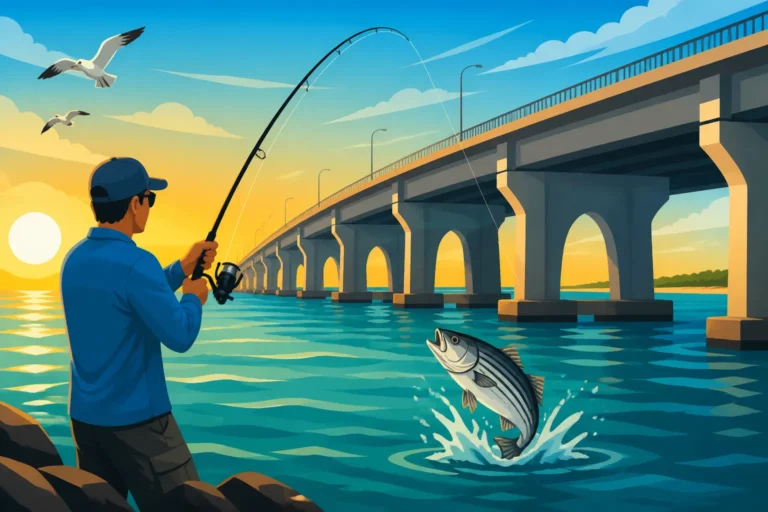
It's a common dilemma, isn't it? You hear about the incredible fishing opportunities around the Conowingo Dam – the massive blue catfish, the aggressive striped bass, the seasonal runs of perch – but then you realize you don't have a boat. The Susquehanna River here is powerful, and it can feel like if you're not on the water, you're out of luck. However, don't despair! While challenging, fishing near the Conowingo Dam without a boat is absolutely possible, and this guide will walk you through the prime spots, necessary gear, and critical safety considerations to make your land-based angling adventure a success.
Understanding Conowingo's Unique Dynamics for Shore Anglers
Fishing near the Conowingo Dam is unlike many other freshwater experiences in Maryland. This isn't your quiet, placid pond. It's a powerhouse, literally, and its operations dictate much of the fishing experience. Ignoring these dynamics can lead to frustration, or worse, danger. Many anglers, myself included, have shown up full of hope only to find the water conditions completely different from what they expected.
The Impact of Dam Generation and Water Flow
The Conowingo Dam is a hydroelectric facility, meaning it generates electricity by releasing water. These releases can drastically change water levels and current strength in a matter of minutes. Imagine setting up your gear on a calm bank, only for the water to rise several feet and the current to become a raging torrent shortly after. It happens, and it's a huge factor for anyone fishing from shore.
When the dam is actively generating, the water below surges, creating strong currents that can pull your bait and tackle away, make casting difficult, and even become dangerous. Conversely, when the dam is not generating, the water can become quite low, exposing mud flats and making some areas inaccessible. Keeping an eye on the generation schedule is paramount. Exelon, the dam operator, usually provides real-time generation schedules or predictions, which can be a lifesaver for planning your trip. A little research into "Fishing Below the Conowingo Dam" will quickly reveal just how critical it is to know the dam's schedule. This constant fluctuation also means that the fish behavior changes dramatically – they'll seek different holding patterns and feeding lanes depending on the flow.
Navigating Public Access Points and Restrictions
While the immediate area around the dam is mostly private property or restricted, there are designated public access points specifically for anglers. These spots have been established over the years to allow land-based fishing, but they come with their own rules and unique characteristics. You can't just pull over anywhere and expect to cast a line, especially due to the intense currents and submerged hazards.
One of the most well-known spots is Fisherman's Park, which provides a concrete area below the dam. Other spots might include areas further downstream along the riverbanks or near the mouths of tributaries that feed into the Susquehanna. However, it’s vital to understand that the sheer power of the water released from the dam means that certain areas are always off-limits for safety reasons. You'll often see signage, ropes, or even barriers preventing access to truly dangerous zones. Always respect these boundaries, as wardens actively patrol the area to ensure angler safety and compliance. When considering the question, "Can You Fish Near the Conowingo Dam Without a Boat?", these designated access points are your answer, but they require careful attention to safety guidelines.
Prime Shoreline Fishing Spots Near Conowingo Dam
So, where can you actually wet a line from shore around this iconic structure? There are a few key locations that offer viable options, each with its own advantages and challenges. Remember, the best spot often depends on the current dam generation schedule and what species you're targeting.
Fisherman's Park: Right Below the Dam
Fisherman's Park is probably the most famous, or infamous, spot for shore anglers at Conowingo. It's located directly below the dam on the Cecil County side and offers a large, relatively flat concrete apron that extends into the river. This area is specifically designed for public access, and you'll often find a good crowd of anglers here, especially during peak seasons.
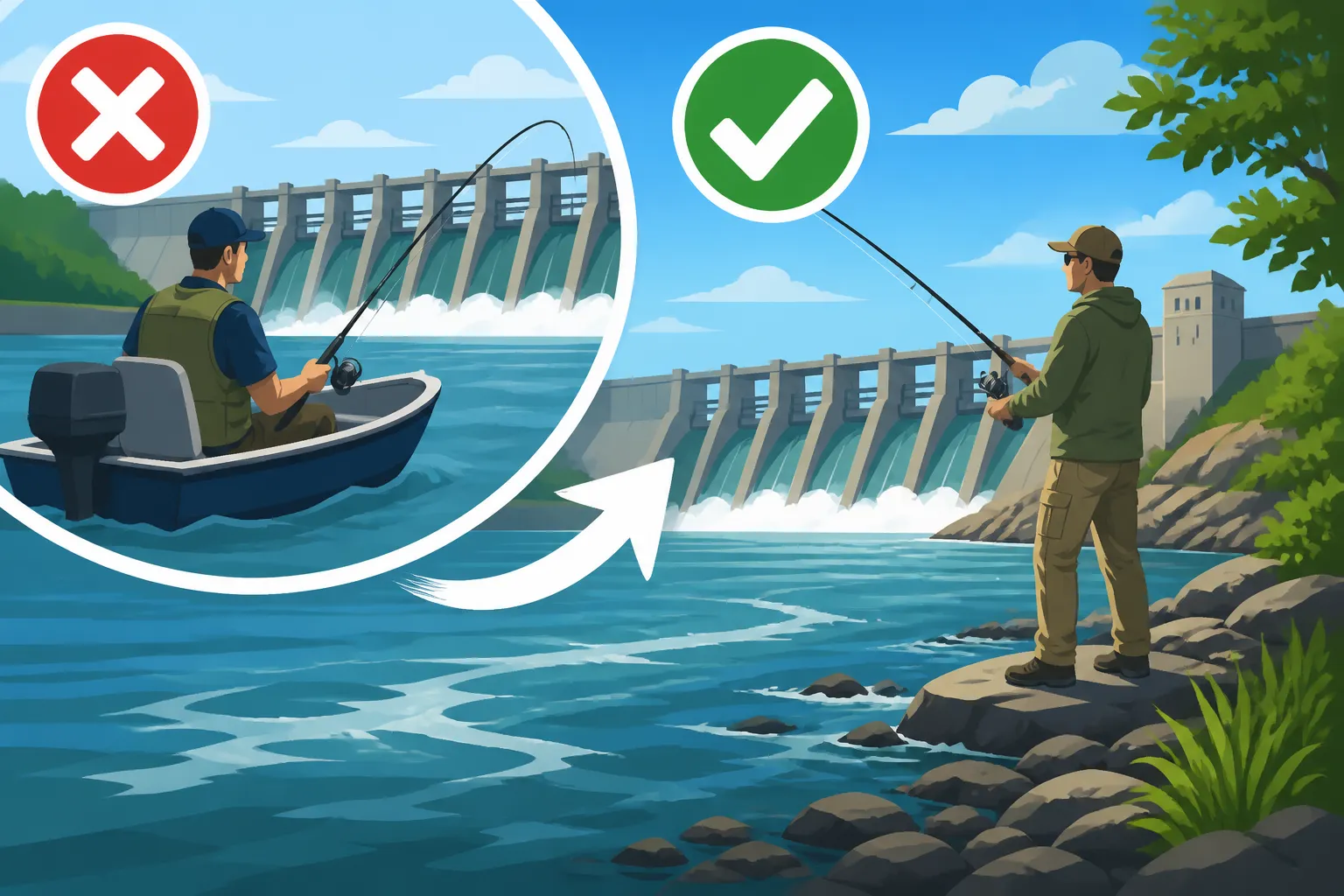
The major advantage of Fisherman's Park is its proximity to the dam. This is where fish often congregate, especially migratory species like striped bass during their runs, or large populations of blue catfish looking for easy meals washed down from the spillways. However, this also means you're directly exposed to the dam's powerful currents. When the dam is generating, the water here can be incredibly swift, making it difficult to hold bottom with your bait. Heavy weights are a must. There are safety lines strung across the concrete – never go beyond them. The footing can be slippery due to algae and debris, so good waterproof boots with traction are essential. While you won't need a boat here, you'll still contend with the full force of the river.
Octoraro Creek and Surrounding Tributaries
Just a short distance downstream from the dam, Octoraro Creek flows into the Susquehanna River on the west bank. Tributaries like Octoraro Creek offer a different fishing experience for the land-based angler. These areas tend to have calmer water, especially when the main river is running high and fast from dam releases. The mouth of Octoraro Creek can be a fantastic holding area for fish seeking refuge from the main current or looking for different food sources.
Anglers can often find good opportunities for various species here, including largemouth bass, panfish, and even some of the invasive species like blue catfish and snakeheads that have made their home in the Susquehanna system. Shore access along the creek banks can be a bit more rugged, often involving dirt paths or rocky terrain, but the calmer waters can make for a more relaxed fishing experience compared to the intense action directly below the dam. It's a great spot to try if the main river is too turbulent.
Susquehanna River Banks Downstream
Venturing further downstream from the immediate dam area opens up more possibilities for shore fishing along the Susquehanna River's banks. While these areas might not offer the "hot spot" reputation of directly below the dam, they can provide excellent, often less crowded, fishing for a variety of species. Public access points can be found in various parks or designated river access areas further down.
These downstream banks allow anglers to spread out and target different types of cover and structure. Look for areas with fallen trees, rocky outcrops, or deeper bends in the river. You might find spots where the current is still strong but more manageable, or areas with calmer eddies where fish might be ambushing prey. Species like smallmouth bass, largemouth bass, various catfish species, and even white perch can be found in these sections. This is also where you might get a taste of "Fishing the Susquehanna Flats in Maryland," albeit from the bank rather than a boat.
Essential Gear and Techniques for Land-Based Conowingo Fishing
Fishing from the shore at Conowingo requires a specific approach and gear. It's not your average pond fishing trip. The currents, the species, and the terrain all demand a bit more preparation and specialized equipment.
Rods, Reels, and Line for Current and Big Fish
Given the strong currents and the potential for hooking into sizable fish like blue catfish or large striped bass, your standard light tackle might not cut it. You'll want to gear up for battle.
- Rods: Opt for medium-heavy to heavy-action spinning or baitcasting rods, typically 7 to 9 feet in length. The longer rod provides better casting distance to reach deeper channels and helps control fish in the current. A stout backbone is crucial for battling strong fish.
- Reels: Pair your rod with a robust spinning reel (size 4000-6000) or a heavy-duty baitcasting reel capable of holding a good amount of heavy line. A smooth drag system is non-negotiable; you'll need it when a big fish makes a run in the fast current.
- Line: Spool up with 30-50 lb braided line for your main line. Braid offers superior strength-to-diameter ratio, no stretch for better feel, and excellent abrasion resistance against rocks and debris. Add a 20-40 lb monofilament or fluorocarbon leader, a few feet long, to provide some shock absorption and make your presentation more natural.
Baits and Lures for Conowingo Species
The diverse fishery below the dam means you'll want a versatile bait and lure selection. Blue catfish are prevalent, but bass, perch, and even striped bass are common catches.
- Natural Baits: For the ever-present blue catfish, cut bait is king. Freshly cut gizzard shad, perch, or bluegill are incredibly effective. Chicken livers, nightcrawlers, and shrimp can also produce. If you're targeting white perch, small pieces of bloodworm or grass shrimp work wonders. Remember that Maryland Blue Catfish are an invasive giant, and there's no limit on them, so feel free to keep what you catch.
- Artificial Lures: When targeting striped bass or smallmouth bass, jigs with soft plastic trailers (like paddle tails or swim shads) in white, chartreuse, or natural baitfish colors are excellent. Heavy bucktail jigs (1/2 oz to 2 oz, depending on current) can also be very productive. For snakeheads, topwater frogs or weedless soft plastics fished near submerged vegetation in calmer areas like Octoraro Creek can be exciting. While not always the primary target from shore, you might pick up some smaller rockfish on these lures, too. If you're struggling to choose, sometimes browsing through a site like FishingBooker can give you an idea of what local guides are using for specific species.
Safety First: Navigating Dangerous Conditions
This cannot be stressed enough: safety at Conowingo is paramount. The powerful, fluctuating water is no joke, and anglers have been swept away.
- Life Vest: Always wear a PFD (Personal Flotation Device), especially when fishing close to the water's edge or during dam releases. Even experienced anglers can lose their footing on slippery rocks.
- Footwear: Invest in sturdy, waterproof wading boots or shoes with excellent grip. The rocks and concrete can be incredibly slick.
- Stay Alert: Pay close attention to dam release warnings. Signs, horns, and flashing lights indicate water levels are about to change. Always have an escape route planned. Never turn your back on the water when the dam is generating.
- Don't Wade: Unless you are absolutely certain of the conditions and have appropriate experience and gear, avoid wading. The currents can be deceptively strong, and drop-offs are sudden. When in doubt, always refer to warnings about "Is It Safe to Wade Below the Conowingo Dam?" or general guidelines on "Wading the Susquehanna River Safely."
- Buddy System: If possible, fish with a friend. In an emergency, having another person there can make all the difference.
Local Fishing Regulations Near Conowingo Dam
Beyond the general state rules, fishing near the Conowingo Dam often has very specific local regulations regarding specific species or seasons. The Susquehanna River is a critical spawning ground for many fish, including striped bass, so closures and specific rules apply.
Key Regulations to Be Aware Of:
| Regulation Aspect | Description |
|---|---|
| Fishing License | All anglers 16 years and older need a valid Maryland fishing license. This includes both tidal (Chesapeake Bay & tributaries) and nontidal (freshwater) components depending on where you're fishing along the river. You can check the details in the Maryland Fishing License Guide for 2026. |
| Trout Stamp | While not typically a primary trout fishery, if you venture into specific designated trout waters nearby, a Maryland Trout Stamp is required. |
| Striped Bass (Rockfish) | Strict seasons, size limits (slot limits), and creel limits apply. These can change yearly, so always consult the latest DNR guide. The Susquehanna River is often subject to spawning closures in spring. |
| Invasive Species | For species like blue catfish and northern snakehead, Maryland DNR strongly encourages anglers to harvest them, with no size or creel limits in most areas. It is illegal to release a live snakehead. Learn more in "Maryland Invasive Fish Rules: Blue Catfish and Snakehead." |
| Catch and Release | Even if you're practicing catch and release, you still need a license. Some areas might have specific catch and release only rules for certain species during particular seasons. |
Always consult the latest Maryland Department of Natural Resources (DNR) Fishing and Boating Guide before your trip. Regulations can change frequently, and staying informed is your responsibility. You can find out "Where to Buy a Maryland Fishing License in Person" or check for online options.
Maximizing Your Shore Fishing Success
Fishing without a boat at Conowingo is definitely a unique challenge, but with the right preparation and mindset, it can be incredibly rewarding. It’s about more than just casting a line; it’s about understanding the environment and adapting your strategy.
Timing Your Trip
Timing is everything at Conowingo. Beyond just checking the dam's generation schedule, consider the time of year and even the time of day.
- Spring: This is prime time for migratory fish like striped bass making their spawning runs. However, be mindful of specific closures in spawning rivers. It's also a great time for white perch runs in the tributaries.
- Summer: The heat can make fishing challenging, but early mornings and late evenings can still produce. Catfish are generally active throughout the summer.
- Fall: Another excellent season, as fish become more active, feeding heavily before winter. Striped bass can be found, along with good catfish action.
- Winter: If conditions permit, cold-weather fishing can yield some trophy blue catfish, which remain active year-round. However, access can be limited due to ice or harsh weather.
Generally, the best fishing often occurs when the dam is generating a moderate amount of water, creating current but not an overpowering torrent. This moves baitfish and positions game fish in predictable ambush points. For more detailed seasonal insights, check out the "Best Time of Year to Fish in Maryland."
Reading the Water and Adjusting Your Approach
Since you don't have the luxury of moving around quickly in a boat, you need to be adept at reading the water from your fixed position.
- Current Seams: Look for areas where fast water meets slower water. These "seams" are prime ambush points for predatory fish.
- Eddies: These are calmer pockets of water behind obstacles (rocks, points) where fish can rest and wait for food to be swept by.
- Structure: Even from shore, look for visible structure like large rocks, fallen trees, or sudden depth changes. These provide cover and holding areas for fish.
- Baitfish Activity: Keep an eye out for signs of baitfish, like nervous schools jumping at the surface. Where there's bait, there are usually bigger fish.
Don't be afraid to change your bait, lure, or presentation if what you're doing isn't working. Sometimes a subtle change in weight to get your bait closer to the bottom, or a different color jig, can make all the difference. While FishingBooker is great for finding boat charters, observing reports from local guides on what's biting can also inform your shore-based strategies. It can provide clues about which specific baits or techniques are currently effective in the general area.
Preparing for Your Trip
A successful shore fishing trip to Conowingo involves more than just rods and reels.
- Pack Smart: Bring plenty of water and snacks. There aren't many amenities directly at Fisherman's Park. Sunscreen, a hat, and polarized sunglasses are essential.
- Cooler: If you plan to keep your catch, especially blue catfish, a cooler with ice is a must. Remember, there's no limit on these invasive species, so you can fill it up!
- Net/Grippers: A long-handled net or fish grippers are highly recommended for safely landing larger fish in strong currents without putting yourself at risk.
- Trash Bag: Always pack out what you pack in, and if you see any trash, consider picking it up. Keeping these valuable fishing spots clean ensures they remain open and enjoyable for everyone.
- Inform Others: Let someone know where you're going and when you expect to return, especially if you're fishing alone in a more remote area.
Even if you're not planning to book a guided trip, keeping an eye on sites like FishingBooker can sometimes provide useful ancillary information, such as general fishing pressure in the area or even tips from guides on best practices, which can indirectly help your shore fishing plans.
Ultimately, fishing near the Conowingo Dam without a boat is an experience that demands respect for the river's power and adherence to safety. But for those willing to prepare and adapt, the rewards can be truly spectacular, offering a unique opportunity to tangle with some of Maryland's biggest and hardest-fighting fish from solid ground.
Disclaimer
Please note that fishing regulations and conditions can change rapidly. Always consult the official Maryland Department of Natural Resources (DNR) website for the most current rules and safety advisories before embarking on any fishing trip. This guide is for informational purposes only and does not supersede official regulations. Fishing at the Conowingo Dam can be hazardous; proceed with extreme caution and at your own risk.