Fishing Access Points Along the Susquehanna Flats
Finding that perfect spot to launch your boat, cast from shore, or slide your kayak into the legendary waters of the Susquehanna Flats can feel like a secret handshake sometimes. It’s frustrating when you're itching to get on the water, but you’re unsure where to go, what amenities are available, or if you even have legal access. This guide is here to unravel the mystery, providing you with a detailed look at the most reliable and angler-friendly access points to the Susquehanna Flats, ensuring your next fishing trip is off to a smooth start.
Understanding the Susquehanna Flats: A Prime Fishing Destination
The Susquehanna Flats, located at the very northern tip of the Chesapeake Bay where the mighty Susquehanna River meets the brackish waters, are a true gem for Maryland anglers. This vast expanse of shallow, fertile water is renowned for its diverse fishery and breathtaking natural beauty. It's a place where freshwater species mingle with saltwater fish, creating a unique and exciting fishing environment. Understanding what makes the Flats so special is the first step to appreciating its many access points.
The Allure of the Flats: Why Anglers Flock Here
What really draws anglers to the Susquehanna Flats, often in droves, especially during peak seasons? It’s a combination of factors. First, the ecological richness of the area is unparalleled. The constant flow of nutrients from the Susquehanna River creates a vibrant ecosystem that supports an abundant forage base, attracting a wide variety of game fish. The shallow depths and extensive submerged aquatic vegetation (SAV) beds provide ideal habitat, offering both food and cover for fish. This rich environment means there’s usually something biting, whether you’re a seasoned pro or just starting out.
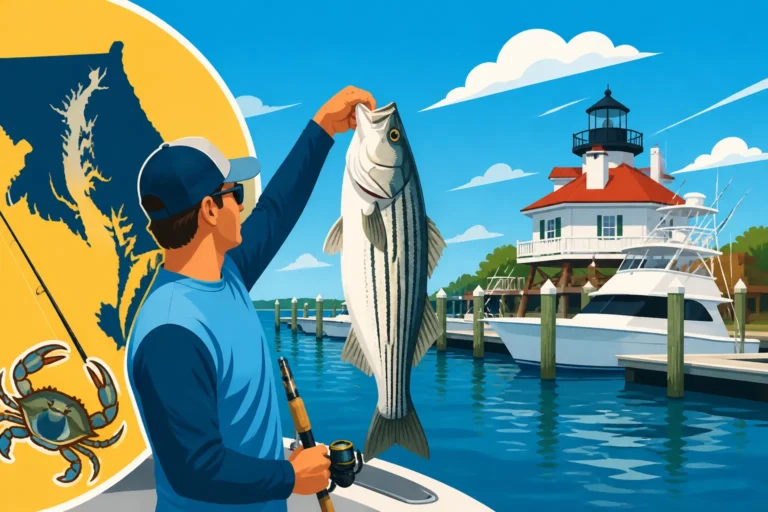
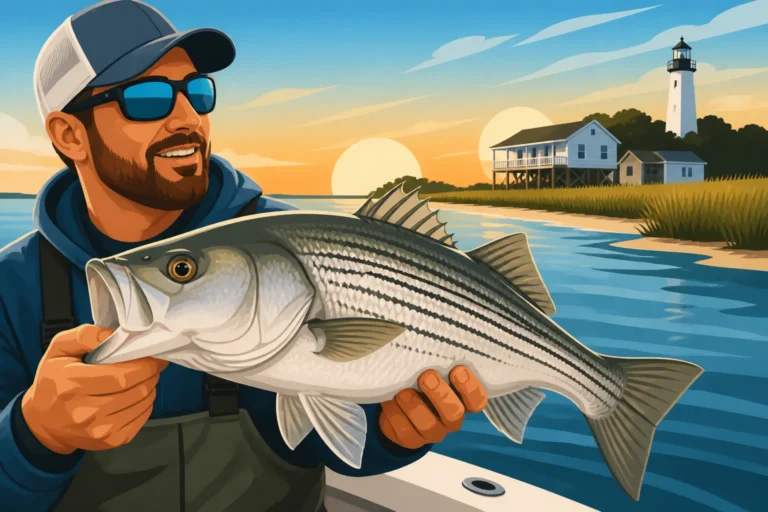
Secondly, the Flats are famous for their world-class striped bass fishery, particularly during the spring trophy season and the fall run. Anglers from all over the mid-Atlantic descend upon the area, eager to hook into a "rockfish" that can push into the true trophy class. But it's not just striped bass; the area also holds robust populations of other desirable species, making it a versatile destination. The sense of adventure, the challenge of navigating the shallow waters, and the potential for a truly memorable catch keep anglers coming back year after year. It's a place that, once experienced, tends to get under your skin.
Key Species to Target in the Flats
While striped bass often steal the spotlight, the Susquehanna Flats are home to an impressive array of fish species that offer year-round angling opportunities. Knowing what fish are typically present and when can help you plan your trip and choose the right access point. In the spring, after the ice melts, you'll find an explosion of activity. Yellow perch and white perch make their spawning runs up the Susquehanna River and its tributaries, offering incredible light tackle action. These are fantastic fish for families and beginners, and they put up a surprisingly good fight on ultralight gear.
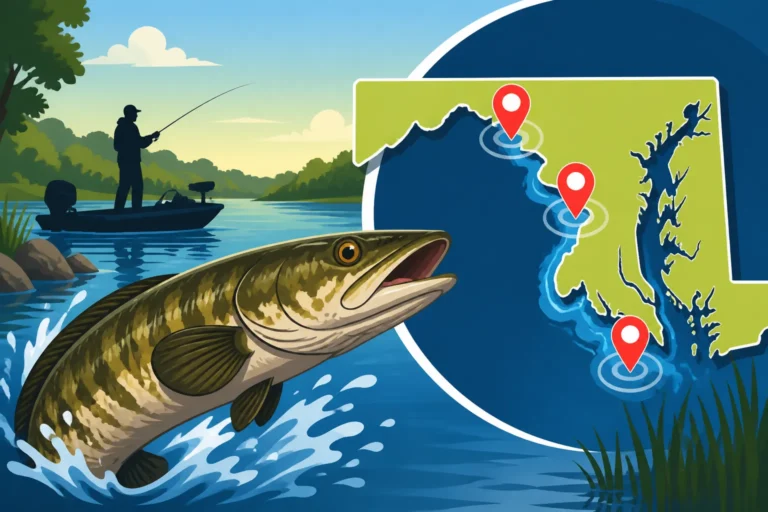
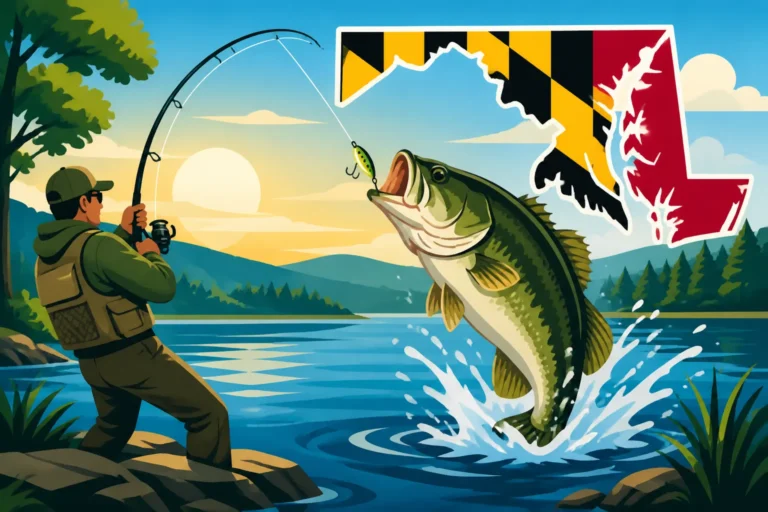
As spring progresses into summer, the Flats become a hotspot for largemouth bass, particularly around the abundant grass beds. These feisty freshwater giants offer thrilling topwater action, especially in the early morning and late evening. Additionally, invasive species like blue catfish and northern snakehead thrive in these waters. While many anglers target these species for sport, catching and removing them is also a vital conservation effort, as these non-native fish can significantly impact the native ecosystem. You can learn more about Maryland Invasive Fish Rules: Blue Catfish and Snakehead to understand how to properly handle these species. Fall brings another surge of striped bass activity, often with large schools of fish chasing baitfish, making for exhilarating fishing days.
Primary Boat Launch Access Points to the Susquehanna Flats
For many anglers, especially those targeting striped bass or wanting to explore the deeper sections and vast grass beds, launching a boat is the preferred method of accessing the Susquehanna Flats. Fortunately, the region offers several excellent public and private boat ramps that cater to a variety of vessels, from small jon boats to larger center consoles. Each ramp has its own set of characteristics, so understanding your options is key to a smooth launch and retrieve.
Havre de Grace Public Boat Ramps
Havre de Grace, affectionately known as "The Decoy Capital of the World," sits right at the mouth of the Susquehanna River, offering some of the most direct access to the Flats. The city maintains several public boat ramps that are popular with anglers. The City Yacht Basin (Hutchins Memorial Park) and the Jean Roberts Memorial Park Boat Ramp are two of the most well-known. These ramps are generally well-maintained, feature ample parking, and provide easy access to the Upper Chesapeake Bay and the Flats. You'll often find a bustling atmosphere here, particularly on weekend mornings during peak fishing seasons. It’s a great place to launch if you plan on targeting fish in the immediate vicinity of the river mouth or venturing further into the grass beds.
However, be prepared for crowds, especially during major events or the spring trophy striped bass season. Parking can fill up quickly, so arriving early is always a good strategy. The ramps are suitable for most trailerable boats, but always check the water depth at the end of the ramp if you have a larger vessel, especially during extreme low tides. These locations also offer amenities like restrooms and nearby fuel, making them convenient jumping-off points for a full day on the water. Many local fishing charters also operate out of Havre de Grace, which you can often find through platforms like FishingBooker, offering another way to experience the Flats if you don't have your own boat.
North East River and Elk River Launches
Just a short drive from Havre de Grace, the North East River and Elk River also provide crucial access points to the Susquehanna Flats. These rivers, which feed into the upper Chesapeake Bay just south of the Susquehanna, offer a slightly different launch experience. The North East Community Park Boat Ramp in North East, Maryland, is a fantastic option. It’s typically less crowded than the Havre de Grace ramps and provides excellent access to the North East River itself, which is a productive fishery, as well as the Flats proper. The ramp is well-designed, offering multiple lanes and ample parking for trailers.
Similarly, the Town of Elkton Landing provides access to the Elk River, another excellent entry point. Both the North East and Elk rivers offer diverse fishing opportunities, including bass, perch, and occasionally striped bass, even before you hit the main Flats. Launching from these rivers can sometimes offer a more sheltered ride to the Flats on windy days, as you're a bit more protected from the wider Bay. These locations are particularly convenient for anglers coming from northern Maryland or Delaware. Remember to always check current regulations for these tidal rivers, as they sometimes have specific rules regarding certain species or fishing areas.
Marinas Offering Public Access and Services
Beyond the public boat ramps, several private marinas in the Havre de Grace, North East, and Elkton areas offer public access for a fee, along with a host of services that can enhance your fishing trip. These marinas often provide cleaner facilities, easier launching and retrieving with dock assistance, and essential amenities like fuel, bait and tackle shops, and even dining options. While there's a cost involved, the convenience and added services can be well worth it, especially for those with larger boats or who prefer a more streamlined experience.
Examples include Tidewater Marina in Havre de Grace or various smaller marinas along the North East and Elk rivers. Many of these establishments are fully equipped to handle overnight docking, offer maintenance services, and serve as hubs for the local angling community. Before heading out, it's always a good idea to call ahead to confirm launch fees, availability, and specific services. Some marinas might also have specific hours of operation or limitations on boat size. If you're looking to book a guided trip, many of these full-service marinas are where local guides and charter captains, often found on platforms like FishingBooker, dock their vessels, providing a convenient meeting point for your excursion.
Shoreline and Kayak Access Options for the Flats
While the Susquehanna Flats are largely known as a boater's paradise, that doesn't mean shore anglers and kayakers are left out. With a bit of planning and knowledge, those without large motorboats can also enjoy the incredible fishing the Flats have to offer. However, direct access to the heart of the Flats from shore can be challenging due to the shallow, marshy nature of much of the shoreline. This makes understanding strategic access points even more critical.
Public Parks and Piers for Shore Anglers
For those who prefer to keep their feet on solid ground, there are several public parks and piers that offer excellent opportunities to fish the edges of the Susquehanna Flats and the lower Susquehanna River. Millard Tydings Memorial Park in Havre de Grace is a fantastic option, boasting a long fishing pier that extends into the Susquehanna River. From this pier, anglers can target a variety of species, including striped bass, white perch, yellow perch, catfish, and even the occasional snakehead. It's a family-friendly spot with restrooms, playgrounds, and picnic areas, making it ideal for a day out with the whole family. The pier also offers great views of the Bay and the historic Havre de Grace lighthouse.
Another great spot is Conowingo Dam's fishing platforms, located just a few miles upstream from the Flats. While technically not on the Flats themselves, these platforms provide unparalleled access to the powerful currents of the Susquehanna River, especially for targeting striped bass, perch, and catfish. However, fishing here comes with specific rules and safety considerations due to the dam's operation, so always heed warnings and posted regulations. You might also find smaller, localized access points in parks along the North East and Elk rivers that offer bank fishing, though these may require some exploration to find the best spots. Remember that for most public piers and shorelines, you'll still need a valid Maryland Fishing License Guide for 2026 to avoid any issues.
Kayak and Small Craft Launch Spots
Kayaks and other small paddlecraft are arguably the best way for non-motorized anglers to experience the true essence of the Susquehanna Flats. Their shallow draft allows access to areas that larger boats can't reach, opening up secluded grass beds and marshy coves where fish often hide. Many of the public boat ramps in Havre de Grace, North East, and Elkton, such as the Jean Roberts Memorial Park Boat Ramp, are perfectly suitable for launching kayaks, often with dedicated hand-carry launch areas or easy access from the main ramps.
Beyond the formal ramps, you'll find various informal put-in spots. These often include small pull-offs along roads that lead to the water's edge, or designated kayak launch points within state parks like Susquehanna State Park. While these informal spots might not have amenities, they offer a quick and quiet way to get on the water and into prime fishing territory. However, always exercise caution when using informal access points; check for private property signs, ensure safe parking, and assess the launch conditions. Kayak fishing in these tidal waters requires an understanding of the currents and weather patterns, as conditions can change rapidly. For more specific advice, consider checking out articles on Kayak Fishing Techniques for Maryland Waters.
Considerations for Wading and Shoreline Fishing
Wading the Susquehanna Flats can be an incredibly rewarding experience, especially during cooler months or when targeting specific species like snakehead or largemouth bass in the grass beds. However, it requires careful consideration. The bottom composition can vary from firm sand to soft, mucky mud, and hidden snags are always a possibility. Good wading boots or sturdy waders are essential. Accessing wadeable areas typically involves finding public shoreline parks or informal pull-offs, but always be mindful of private property boundaries.
Shoreline fishing, distinct from wading, often involves casting from a stable bank or pier. As mentioned, the piers at Havre de Grace and the Conowingo Dam platforms are prime examples. For general shoreline fishing, look for areas where deeper water is accessible from the bank, such as creek mouths or points. The extensive marshlands around the Flats mean that many areas are simply too soft or dense with vegetation for comfortable or safe shore access. Always prioritize safety, especially with changing tides and currents. It's also worth noting that many species migrate through these areas, so checking local fishing reports for specific timings, such as the Best Time to Fish the Susquehanna Flats for Striped Bass, can significantly improve your chances from shore or kayak.
Navigating Regulations and Maximizing Your Trip
Fishing the Susquehanna Flats is a privilege that comes with responsibilities, especially concerning regulations and conservation. Maryland's fisheries management is dynamic, with rules often changing to protect fish populations. Staying informed about these regulations and preparing thoroughly for your trip will ensure a legal, safe, and ultimately more enjoyable experience.
Important Regulations Specific to the Susquehanna Flats
The Susquehanna Flats, being a critical spawning and nursery ground, often have specific regulations that differ from other parts of the Chesapeake Bay. This is particularly true for striped bass. During certain times of the year, particularly in the spring, sections of the Flats and the lower Susquehanna River might be closed to striped bass fishing entirely, or specific gear restrictions might be in place. It's crucial to consult the latest Maryland Department of Natural Resources (DNR) fishing guide or website before every trip. You can often find this comprehensive information in the Maryland's DNR Fishing and Boating Guide, Explained.
Beyond striped bass, there are typically size and creel limits for other popular species like white perch, yellow perch, and largemouth bass. For invasive species like blue catfish and snakehead, the rules often encourage removal, with no minimum size or creel limits. Understanding Maryland Striped Bass Season and Rockfish Rules is paramount, especially if you plan to target this iconic species. Don't forget that a valid Maryland fishing license is almost always required, covering either tidal or nontidal waters, depending on your exact fishing location within the Flats. Confusion between the two is common, so understanding the Maryland Nontidal vs Tidal Fishing License, Explained distinction is vital.
| Access Point | Location (City/Town) | Type of Access | Primary Vessel Type | Key Amenities | Notes |
|---|---|---|---|---|---|
| City Yacht Basin / Hutchins Park | Havre de Grace | Public Boat Ramp | Motorboats, Kayaks | Parking, Restrooms, Docks, Nearby shops | Very popular, can be crowded. Direct access to river mouth & Flats. |
| Jean Roberts Memorial Park | Havre de Grace | Public Boat Ramp | Motorboats, Kayaks | Parking, Restrooms, Docks | Good alternative to Hutchins, also popular. |
| Millard Tydings Memorial Park Pier | Havre de Grace | Public Pier | Shore/Pier Fishing | Parking, Restrooms, Playground | Excellent for family fishing, various species. |
| North East Community Park | North East | Public Boat Ramp | Motorboats, Kayaks | Parking, Restrooms, Multiple lanes | Less crowded than Havre de Grace, access to North East River & Flats. |
| Town of Elkton Landing | Elkton | Public Boat Ramp | Motorboats, Kayaks | Parking, Restrooms | Access to Elk River & Flats, convenient for northern visitors. |
| Conowingo Dam Fishing Platforms | Conowingo | Public Platforms | Shore Fishing | Parking, Restrooms | Upstream of Flats, strong currents, specific dam-related rules. |
| Susquehanna State Park | Havre de Grace area | Park Access | Kayaks, Shore, Wading | Parking, Trails, Restrooms (some areas) | Offers diverse access, some informal kayak launches, hiking. |
Planning Your Trip: Tides, Seasons, and Local Knowledge
Maximizing your fishing success on the Susquehanna Flats goes beyond just finding a launch point; it involves understanding the dynamics of the water. Tides play a crucial role, especially in the shallower areas of the Flats. Incoming and outgoing tides can concentrate baitfish and predatory species in specific areas, making them prime targets. A good tide chart for the upper Chesapeake Bay is an indispensable tool. Wind direction and strength are also critical factors, as strong winds can make navigating the shallow Flats rough and unpleasant, even dangerous for smaller boats or kayaks.
Beyond daily conditions, knowing the best time of year to target specific species is key. The spring is legendary for striped bass and perch runs, while summer offers excellent largemouth bass and snakehead action. Fall brings another surge of striped bass as they begin their migration. Consulting local bait and tackle shops is an invaluable source of real-time information. They can tell you what's biting, what baits and lures are working, and any recent regulation changes. Many of these shops also offer gear specific to the Flats. You might also consider hiring a local guide, especially if it's your first time. They have years of accumulated knowledge, often found by searching for charters on sites like FishingBooker, and can put you on fish safely and efficiently, saving you valuable time and frustration.
Disclaimer
Please note that fishing regulations in Maryland, especially for sensitive areas like the Susquehanna Flats, are subject to change. Always consult the official Maryland Department of Natural Resources (DNR) website or the current Maryland Fishing and Boating Guide before embarking on any fishing trip to ensure compliance with the latest rules, including licensing, seasons, and catch limits. This guide is for informational purposes only and should not replace official sources.