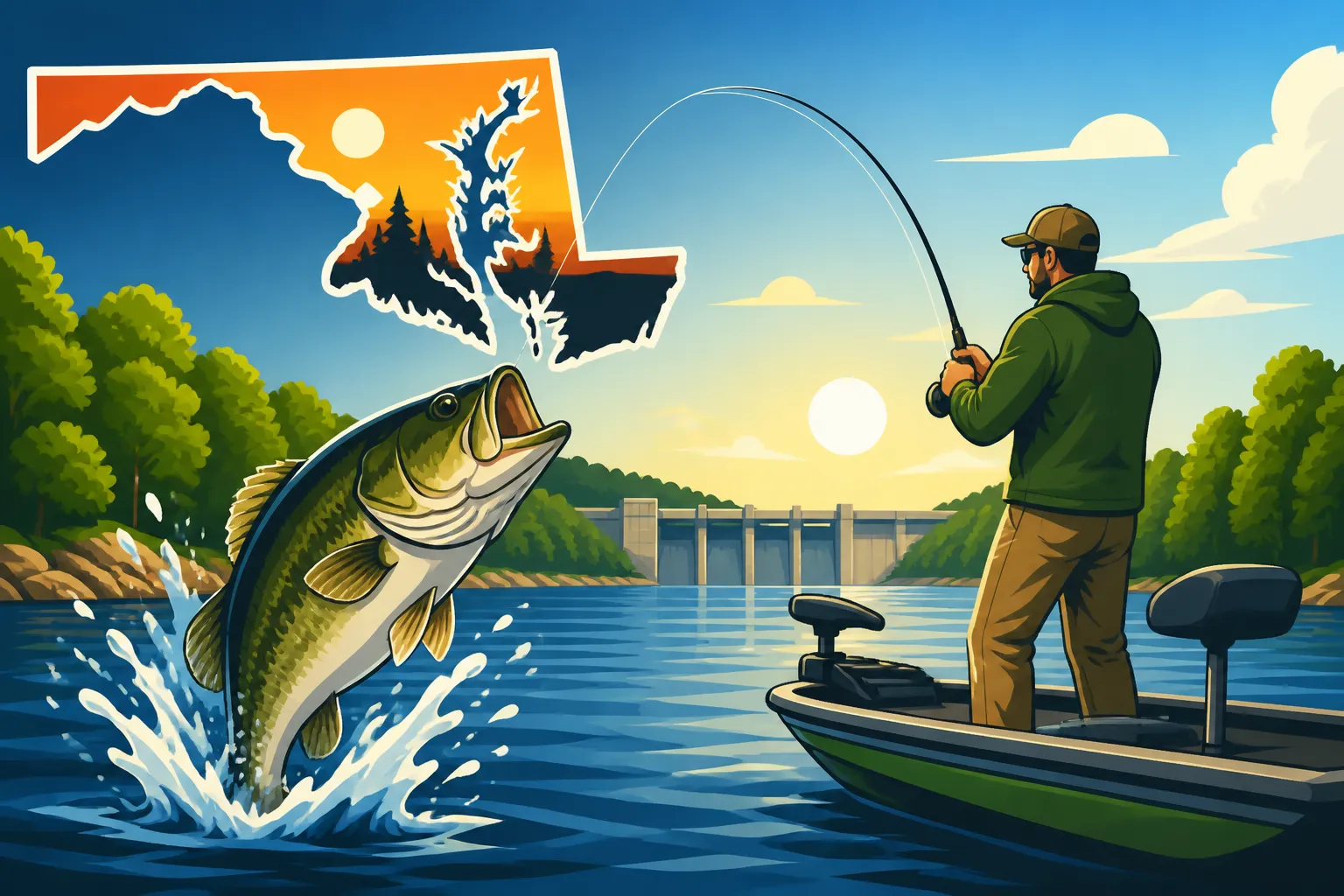
Fishing Liberty Reservoir
The vast, shimmering expanse of Liberty Reservoir often calls to Maryland anglers seeking a tranquil freshwater escape, but the sheer size and unique regulations can make it feel like an intimidating puzzle. Many folks arrive eager to wet a line, only to be unsure where to park, what type of boat they can use, or which fish they should even be targeting. This guide is here to untangle those complexities, offering a practical roadmap for anyone looking to unlock the fantastic fishing opportunities hidden within Liberty Reservoir's pristine waters.
Understanding Liberty Reservoir's Unique Character
Liberty Reservoir isn't just another lake; it's a vital drinking water supply for Baltimore City and surrounding counties, which means it operates under a specific set of rules designed to protect water quality. This distinction profoundly shapes the fishing experience, creating a peaceful, low-impact environment that many anglers cherish. Stretching across portions of Carroll and Baltimore counties, this massive body of water boasts impressive depths and a complex underwater topography that holds a diverse array of fish.
Reservoir Overview and Restrictions
Liberty Reservoir was formed in 1954 by impounding the North Branch Patapsco River, and it covers an expansive area of over 9,200 acres with nearly 80 miles of shoreline when full. Its depths can plunge over 150 feet in some areas, providing ideal habitat for deep-dwelling species. However, due to its function as a drinking water source, there are significant restrictions on its use. Swimming, wading, and camping are strictly prohibited. Perhaps the most impactful rule for anglers is the limitation on boat motors: only electric motors are allowed for propulsion. Gasoline motors are permitted on the boat but can only be used for launching and retrieving, not for running on the water. This "no wake" environment means a quiet, uncrowded experience, free from the roar of high-speed boat traffic that can plague other large lakes.
Access to the reservoir is managed by Baltimore City's Department of Public Works (DPW) and requires a special permit for boating. These permits are usually issued annually and stipulate that only boats under 16 feet in length are allowed, further contributing to the calm atmosphere. This limited access, while an extra step, truly helps maintain the reservoir's serene quality and ensures that anglers can enjoy a more secluded fishing trip. Without these rules, the ecological balance and the very purpose of the reservoir would be compromised.
The Ecology of Liberty Reservoir
The ecological health of Liberty Reservoir is exceptional, largely due to its protected status. Its deep, clear waters are highly oxygenated, supporting a robust ecosystem. The reservoir is fed by several tributaries, including the North Branch Patapsco River, Beaver Run, and Morgan Run, which bring in nutrients and provide spawning grounds for certain species. This constant influx of fresh water, combined with varied bottom structures like submerged timber, rock piles, old roadbeds, and vast open water, creates a dynamic environment.
The forage base in Liberty is rich, featuring abundant populations of baitfish like alewife and various panfish, which provide a consistent food source for predatory species. This strong food chain is why fish in Liberty often grow to impressive sizes and are known for their health and fighting spirit. The lack of heavy recreational pressure also means less disturbance to the fish and their habitats, allowing them to thrive. Understanding this rich ecology helps anglers identify where fish might congregate at different times of the year, whether they're looking for Largemouth Bass Fishing in Maryland or hoping to tangle with a powerful Northern Pike.
Prime Species and Seasonal Opportunities at Liberty Reservoir
Liberty Reservoir is a treasure trove for freshwater anglers, offering a diverse palette of fish species that appeal to all skill levels. From hard-fighting bass to elusive walleye and giant pike, there's always something exciting to target, provided you know when and where to look.
Chasing Bass and Walleye
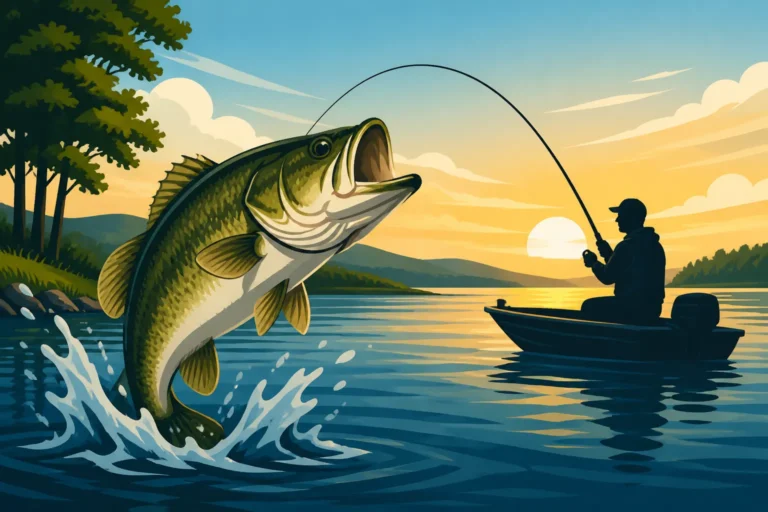
For many anglers, the pursuit of bass is a driving force, and Liberty Reservoir does not disappoint. Both Largemouth Bass and Smallmouth Bass thrive here, often reaching impressive sizes.
- Largemouth Bass typically prefer the shallower, more protected coves, areas with submerged timber, and along the extensive shoreline where cover is abundant. Spring and fall are prime seasons for largemouth. In spring, they move into the shallower, warmer waters for spawning, making them more accessible to anglers. As summer progresses, they retreat to deeper cover during the heat of the day, often moving into shallows again during dawn and dusk. Fall sees them aggressively feeding as they prepare for winter, often schooling up on baitfish.
- Smallmouth Bass, on the other hand, gravitate towards rocky points, ledges, and deeper, cooler water. You'll often find them lurking around structural elements in the main lake basin or along riprap near bridges. Similar to largemouth, spring and fall offer excellent opportunities, with smallmouth particularly active around rocky areas as water temperatures change. During summer, they stay deep, often suspended over structure.
Walleye are another highly prized species in Liberty Reservoir, known for their delectable fillets and challenging bite. These elusive fish prefer deep, clear water and are most active during low-light conditions, such as dawn, dusk, and nighttime. The late fall and winter months are often considered the best time to target walleye at Liberty, especially when they congregate around deep points, humps, and the old river channel. They will also move shallower to spawn in early spring, often near rocky areas or tributary mouths. Anglers often find success by focusing on the lower end of the reservoir, where the deepest water is, though they can be found throughout. It’s a different game than chasing Walleye Fishing at Deep Creek Lake, Maryland, but just as rewarding.
Panfish and Pike Prowess
Beyond the big gamefish, Liberty Reservoir offers fantastic opportunities for panfish, making it a great destination for families or those looking for consistent action.
- Crappie are abundant, with both black and white crappie populations present. They congregate around submerged brush piles, standing timber, and bridge pilings. Spring and fall are excellent times to catch crappie, especially when they move into shallower water to spawn or feed aggressively. During summer, they suspend in deeper water over structure.
- Yellow Perch are another popular panfish, especially in late winter and early spring when they make their spawning runs up the tributaries. Throughout the year, they can be found in various depths, often schooling over softer bottoms or around weed lines. They are fun to catch and make for excellent table fare.
- Northern Pike are the true apex predators of Liberty Reservoir, offering an exciting challenge for dedicated anglers. These toothy giants prefer cooler water and are often found lurking in areas with extensive weed beds or around deep-water structure, waiting to ambush prey. They are most active during the cooler months of spring and fall, but can be caught year-round. Targeting pike requires specialized gear and patience, but the reward of landing a trophy-sized fish is well worth the effort. They are a stark contrast to the invasive species like Maryland Blue Catfish, an Invasive Giant, as pike are a natural part of this freshwater ecosystem.
To give you a clearer picture of when to aim for your favorite species, here's a quick overview:
| Species | Prime Season | Key Locations | Preferred Bait/Lures |
|---|---|---|---|
| Largemouth Bass | Spring, Fall | Coves, submerged timber, weed lines, shore | Spinnerbaits, crankbaits, jigs, plastic worms |
| Smallmouth Bass | Spring, Fall | Rocky points, ledges, main lake structure | Jerkbaits, tubes, drop-shots, small crankbaits |
| Walleye | Late Fall, Winter, Early Spring | Deep points, humps, old river channel, tributary mouths | Jigging spoons, blade baits, live minnows, deep diving crankbaits |
| Crappie | Spring, Fall | Brush piles, timber, bridge pilings | Small jigs, minnows, tiny crankbaits |
| Yellow Perch | Late Winter, Early Spring | Tributary mouths, softer bottoms, weed lines | Small minnows, worms, tiny jigs, spoons |
| Northern Pike | Spring, Fall, Winter | Weed beds, deep structure, cold water | Large spoons, spinnerbaits, crankbaits, live baitfish |
Knowing the peak times for each species can significantly increase your chances of a successful outing, aligning your trip with the Best Time of Year to Fish in Maryland for your chosen quarry.
Essential Techniques and Tackle for Liberty Reservoir
Fishing a large, deep, electric-only reservoir like Liberty requires a thoughtful approach to techniques and tackle. You won't be speeding across the lake, so efficiency, quiet presentation, and understanding the fish's habits are paramount.
Boat-Based Strategies
For anglers with access to a boat, the possibilities for exploring Liberty Reservoir open up considerably. Because gas motors cannot be used for propulsion, electric trolling motors become your best friend. A powerful, long-lasting battery system is crucial for covering significant distances.
- Trolling is an effective method, especially for species like walleye and pike, which often suspend in open water or along contours. Using a quiet electric motor, you can slowly pull crankbaits, spoons, or live bait rigs at precise depths. A good fish finder with side-imaging or down-imaging capabilities is invaluable here, helping you identify submerged structure, baitfish schools, and even individual fish arches without disturbing the water with a loud engine. Look for old roadbeds, creek channels, and humps that top out in the 20-30 foot range.
- Jigging is highly productive for bass, crappie, and walleye when you've located schools or structure. Whether it's vertical jigging over deep humps for walleye, casting jigs to submerged timber for largemouth, or working small crappie jigs around brush piles, the stealth of an electric motor allows for repeated passes and precise lure placement. Drop-shot rigs are also extremely effective for bass holding tight to structure in deeper water.
- Live bait fishing is often the most consistent producer, especially for less aggressive fish or in challenging conditions. Live minnows, shiners, or even small panfish (where legal as bait) can be fished on slip bobber rigs over structure, or on bottom rigs for species like walleye and catfish. Anchoring quietly on a productive point or humps and setting out several live bait rigs can lead to excellent results.
Remember, the "no wake" rule means you'll spend more time quietly moving or drifting, which is often exactly what you want for spooky fish in clear water. Consider a quality deep-cycle battery and a backup, along with a reliable battery charger, to ensure you don't get stranded far from the ramp.
Shoreline and Kayak Tactics
While boat access provides the most flexibility, Liberty Reservoir offers decent opportunities for shoreline anglers, particularly near the designated public access points. However, the steep banks and deep drop-offs in many areas can make traditional bank fishing challenging.
- Shoreline Fishing: Focus on areas near the boat ramps or bridges like Nicodemus Bridge, where public access is permitted. Casting jigs, spinnerbaits, and soft plastics can yield bass and pickerel. For panfish, a simple bobber and worm setup is often all you need. The key is to find spots where the bank isn't too overgrown and allows for a decent backcast, or where there's a quick drop-off accessible from shore. Patience is key, as covering a lot of ground from shore is difficult.
- Kayak and Canoe Fishing: This is arguably the sweet spot for many Liberty anglers, balancing mobility with the reservoir's electric-only rule. Kayaks and canoes allow you to access many areas that are difficult for larger boats or impossible from shore. Their stealth is a huge advantage in the clear, quiet waters. Anglers can paddle into secluded coves, slowly work the shoreline, or drift over deeper structure. Equipping your kayak with a small fish finder and a reliable electric trolling motor (many kayaks now have motor mounts) can turn it into a highly efficient fishing machine. Just be sure to adhere to all vessel requirements and permit rules. Learning Kayak Fishing Techniques for Maryland Waters will definitely pay off here.
Bait and Lure Selections
Choosing the right bait and lures is paramount for consistent success at Liberty. The clear water often means fish can be particular, so subtle presentations can be more effective.
- For Bass (Largemouth & Smallmouth):
- Spring/Fall: Crankbaits (diving to match depth), spinnerbaits (chartreuse, white), bladed jigs, lipless crankbaits, and soft plastic jerkbaits.
- Summer/Deep: Drop-shot rigs with small worms or creature baits, shaky head jigs, Ned rigs, deep-diving crankbaits, and Carolina rigs. Look for natural colors like green pumpkin, watermelon, and browns.
- For Walleye:
- Jigging: Jigging spoons (silver, gold), blade baits (chrome), and lead-head jigs tipped with a minnow or soft plastic grub.
- Trolling: Deep-diving crankbaits (silver/blue, firetiger), especially those with a tight wobble.
- Live Bait: Large live minnows (shiners or creek chubs) fished on a slip bobber or a plain hook with a split shot are often irresistible.
- For Crappie & Perch:
- Small tube jigs, tiny curly-tail grubs, and hair jigs in white, chartreuse, or black.
- Live minnows or small worms under a bobber are always effective, especially for beginners.
- For Northern Pike:
- Large spoons (silver, five of diamonds), inline spinners, big spinnerbaits, and heavy-duty crankbaits.
- Large soft plastic swimbaits, jerkbaits, and even large live bait (where legal and appropriate) are excellent choices for trophy pike. Be sure to use a steel leader to prevent bite-offs from their razor-sharp teeth.
Always be prepared to adjust your tactics based on water conditions, time of day, and fish activity. Sometimes the most simple approach works best, while other days require a highly technical presentation.
Navigating Access and Regulations for a Successful Trip
Getting onto Liberty Reservoir isn't as simple as launching at any public ramp, and understanding the specific rules is critical to avoid fines or a wasted trip. As a primary drinking water source, its protection comes first.
Permit Requirements and Launch Ramps
The most important thing to know before heading out on Liberty Reservoir is that all boats, kayaks, and canoes require a special Watershed Use Permit issued by Baltimore City's Department of Public Works (DPW). This permit is separate from your standard state fishing license, which you'll also need. These permits are typically issued annually and can be acquired online or through designated vendors. They often sell out, so it's wise to plan ahead and secure yours well in advance, especially before the prime spring fishing season.
There are several official public access points and boat ramps around Liberty Reservoir. These include:
- Liberty Reservoir Public Access Area: Often referred to as "the main ramp," this is a popular spot with concrete ramps suitable for trailer boats. It's located off Liberty Road.
- Nicodemus Bridge: This area provides access for smaller boats and kayaks, with informal launch areas. It's a popular spot for shore anglers too, as the bridge provides structure and deeper water access.
- Oakland Road: Another public access point, often used by kayak and canoe anglers due to less formal ramp conditions.
It's crucial to only launch from designated areas and to always have your DPW permit clearly displayed on your vessel as required. Parking is also restricted to designated lots. Attempting to launch or access the reservoir from private property or undesignated areas can lead to trespassing charges and fines. This meticulous approach to access helps maintain the pristine nature of the reservoir.
Navigating Maryland's Rules and Restrictions
Beyond the DPW permit, anglers must adhere to all state-mandated Maryland Fishing Size and Catch Limits by Species and regulations. It's important to consult the current Maryland DNR Fishing and Boating Guide, as rules can change seasonally or annually.
Key regulations to keep in mind include:
- Fishing License: A valid Maryland Nontidal Fishing License is required for all anglers 16 years of age and older. This is separate from the DPW boat permit. You can learn more about this by checking out the Maryland Nontidal vs Tidal Fishing License, Explained guide.
- Motor Restrictions: As mentioned, only electric motors are allowed for propulsion on Liberty Reservoir. Gasoline engines may be on the boat but cannot be used for power while on the water. This means no planing or high-speed travel, reinforcing the peaceful environment.
- Boat Size: Generally, boats must be under 16 feet in length, though always double-check the latest DPW regulations for exact specifications.
- Safety Gear: All standard Maryland boating safety regulations apply, including carrying personal flotation devices (PFDs) for everyone on board, a sound-producing device, a fire extinguisher if required for your vessel type, and proper navigation lights for low-light conditions.
- Harvest Limits: Species-specific size and creel limits are strictly enforced. For example, bass often have minimum size limits and daily creel limits. Walleye and pike also have specific regulations that must be followed. Make sure you know these before you go, especially if you plan to keep any fish for dinner.
- Invasive Species: While Liberty Reservoir is largely free of some of the more prevalent invasive species in other Maryland waters, always practice "Clean, Drain, Dry" to prevent the introduction of undesirable plants or organisms. This means cleaning your boat, trailer, and gear, draining all water, and allowing everything to thoroughly dry before moving to another body of water.
Failing to adhere to these rules can result in significant fines and penalties. The Maryland DNR and Baltimore City DPW police regularly patrol the reservoir, ensuring compliance with all regulations to protect this vital resource.
Maximizing Your Liberty Reservoir Experience
A successful trip to Liberty Reservoir goes beyond just catching fish; it's about enjoying the tranquility, respecting the environment, and being prepared for a unique fishing challenge.
Planning Your Day and What to Bring
Careful planning can make all the difference for a smooth and enjoyable outing on Liberty Reservoir. Given the size of the water and the restrictions on motor use, efficiency is key.
- Battery Power: If boating, ensure your electric trolling motor batteries are fully charged and consider bringing a spare or two. A long day covering water with an electric motor can drain them quickly.
- Navigation: While paper maps are always a good idea, a GPS unit or a fishing app on your phone with detailed lake contours can be incredibly helpful for navigating the reservoir's complex underwater structure. Remember, cell service can be spotty in some areas.
- Weather Awareness: Check the weather forecast meticulously. Liberty Reservoir is large and exposed, and winds can pick up quickly, making paddling or using an electric motor challenging. Dress in layers, bring rain gear, and always have adequate sun protection. Remember, there are very few places to take shelter on the water.
- Hydration and Snacks: Pack plenty of water and food. With no concessions on the reservoir itself, you'll need to bring everything you need for the day.
- Safety Gear: Beyond the mandatory PFDs, consider a whistle or air horn, a first-aid kit, a paddle (even for motorized boats), and a anchor. Since gasoline motors can't be used for propulsion, a dead battery on your electric motor could leave you paddling a long way back to the ramp. A fully charged phone with emergency contacts is also smart.
- Trash Bags: Pack out everything you pack in. Leaving trash is not only disrespectful but also a serious offense in a drinking water reservoir.
Think about the time of year you're going. Best Time of Year to Fish in Maryland discusses general seasonality, but remember Liberty's deep water can hold fish in different patterns than shallower lakes. For example, during hot summer months, bass might go deeper than you'd expect.
Finding Local Expertise
While Liberty Reservoir doesn't host a large commercial charter fleet due to its boat restrictions, there are often independent local guides who specialize in its unique waters. These guides typically operate smaller boats or guide from kayaks and have an intimate knowledge of the reservoir's seasonal patterns, honey holes, and specific regulations. A local guide can dramatically shorten the learning curve, especially for a body of water as complex as Liberty.
You might find these guides through local bait and tackle shops in communities surrounding the reservoir, such as Eldersburg or Sykesville. They are also often active in local fishing clubs or online forums dedicated to Maryland fishing. If you're new to fishing big reservoirs or just looking to connect with a local expert for a guided trip, resources like local bait shops or online platforms could be helpful. While Liberty itself might not have a dedicated charter fleet due to its unique rules, if you're exploring other Maryland waters, platforms like FishingBooker can be an excellent way to find experienced captains for a more specialized experience on the Chesapeake Bay or a different freshwater lake.
And speaking of planning, sometimes getting local knowledge is key. While official charter boats are rare on Liberty due to restrictions, independent guides might offer their services. If you're also considering trips on larger, more open waters after tackling Liberty, online platforms like FishingBooker are fantastic for researching and booking a charter that suits your needs, whether it's for rockfish in the Bay or bass in other lakes. For instance, after a peaceful day on Liberty, you might feel ready to explore the exciting possibilities of Fishing Maryland's Chesapeake Bay, A Complete Guide.
Finally, if your Liberty trip sparks a wider interest in Maryland fishing, consider exploring diverse waters. From the Bay to the Western Maryland mountains, you can find a huge variety of fishing. Websites like FishingBooker can help you sort through options and book a memorable outing with experienced captains in other regions. It's a great tool to explore options beyond the specific confines of Liberty Reservoir, should you wish to broaden your angling adventures in Maryland.
Disclaimer
Please note that fishing regulations, permit requirements, and access rules for Liberty Reservoir and other Maryland waters can change. It is always the angler's responsibility to consult the latest official Maryland Department of Natural Resources (DNR) and Baltimore City Department of Public Works (DPW) publications before planning any fishing trip. This guide is for informational purposes only and should not be considered a substitute for official legal guidelines.