Fishing the Upper Chesapeake Bay
The Upper Chesapeake Bay, a vast and often challenging expanse of water, can feel overwhelming for even seasoned anglers trying to pinpoint the best fishing locations and tactics. From the mighty Susquehanna River's influx of freshwater to the broad, brackish stretches near Havre de Grace and Elkton, understanding where to cast your line and what to expect is crucial for a successful trip. This guide will walk you through the nuances of fishing the Upper Chesapeake Bay, helping you demystify its waters and maximize your chances of a great catch.
Understanding the Upper Chesapeake Bay's Unique Characteristics
The Upper Chesapeake Bay isn't just one type of water; it's a dynamic mosaic where freshwater meets saltwater, creating unique habitats that support a diverse range of fish. This transition zone presents both challenges and incredible opportunities for anglers. Ignoring these distinct characteristics is like trying to fish a mountain stream with a deep-sea rig – it just won't work!
Freshwater Influence and River Systems
At its very northernmost point, the Upper Bay is fed primarily by the Susquehanna River, one of the largest rivers on the East Coast. This massive influx of freshwater significantly impacts the salinity, current, and fish species present, especially around areas like the Conowingo Dam and the Susquehanna Flats. Here, you'll find conditions that mimic large rivers and reservoirs, attracting species that thrive in less saline environments. The strong currents below the dam, for instance, create prime ambush points for predatory fish, but they also require specific angling techniques and safety precautions. Further downstream, rivers like the Elk, Bohemia, and Northeast Rivers also contribute significant freshwater, though they begin to blend more with the bay's brackish environment.
The constant flow from these rivers brings nutrients and forage, but also dictates water clarity and temperature, which can change rapidly with rainfall or seasonal shifts. Understanding the river's pulse is key. For instance, after a heavy rain, the water might become muddy, pushing fish to deeper, clearer pockets or prompting them to feed more aggressively as new food sources wash into the system. This variable environment means you can't just rely on general bay knowledge; you need to understand the riverine dynamics at play.
Brackish Water Zones and Their Ecosystems
As you move south from the Susquehanna Flats towards areas like Pooles Island and the mouth of the Patapsco River, the bay's waters gradually become more brackish, meaning a mix of fresh and salt water. This transition zone is incredibly fertile and supports a blend of freshwater and saltwater species, often leading to surprising catches. Here, traditional saltwater species like Striped Bass (rockfish) mingle with estuarine residents and even some freshwater fish that tolerate a bit of salt.
The brackish nature means that fish behavior is influenced by both river flow and tidal cycles, making fishing conditions incredibly complex but also highly rewarding for those who crack the code. For example, a falling tide might concentrate baitfish, leading to frenzied feeding by predators, while a rising tide might push fish into shallower areas to forage. The habitat here is characterized by a mix of submerged aquatic vegetation (SAV), oyster reefs, and various depths, providing excellent cover and feeding grounds. You might encounter an array of species, from White Perch schooling over oyster beds to larger Striped Bass lurking around channel edges.
Prime Fishing Spots in the Upper Bay
When you're looking to fish the Upper Chesapeake Bay, knowing the local hotspots can make all the difference. These areas aren't just names on a map; they are diverse ecosystems with their own unique draws and challenges, each promising a different kind of angling adventure.
The Legendary Susquehanna Flats
Few places in the Chesapeake Bay carry as much mystique and angling reputation as the Susquehanna Flats. Located just south of the Conowingo Dam, this expansive, relatively shallow area is where the Susquehanna River truly meets the bay. It's a vast floodplain covered with submerged aquatic vegetation (SAV) – think of it as an underwater prairie. These grass beds are an absolute haven for baitfish, crustaceans, and insects, making them a prime feeding ground for predatory species.
The Flats are famous, almost legendary, for their incredible spring Striped Bass fishery, especially during the trophy season when anglers target massive migratory rockfish. But it’s not just about the big ones; the Flats also hold impressive populations of Largemouth Bass, especially in the shallower, less brackish areas, and even Northern Snakehead in certain pockets. Fishing the Susquehanna Flats in Maryland requires an understanding of water depth, tide, and grass lines. Anglers often employ techniques like casting swimbaits, jerkbaits, or topwater lures over the grass beds, or live-lining baitfish during certain times of the year. Due to its popularity, fishing pressure can be high, so understanding the movements of fish and finding less-pressured pockets is key. You can learn more about fishing this incredible area in our detailed guide, "Fishing the Susquehanna Flats in Maryland."
The Conowingo Dam Tailrace
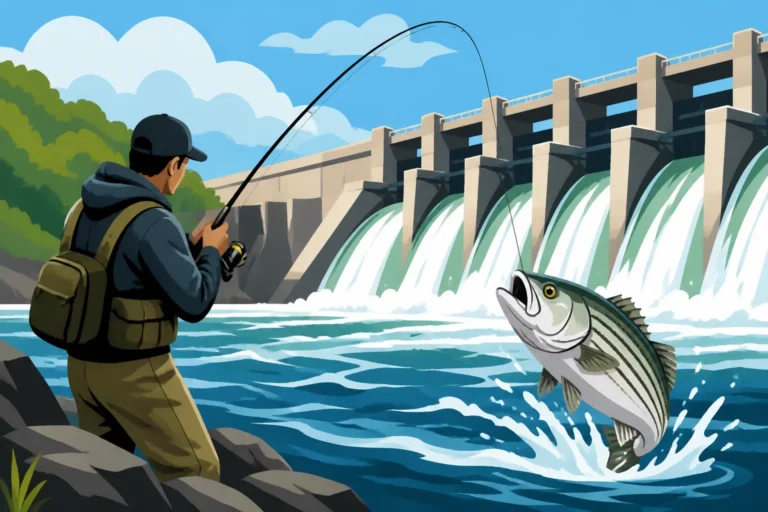
Just upstream from the Susquehanna Flats lies the formidable Conowingo Dam, and the waters immediately below it – known as the tailrace – are a unique fishing environment. The dam’s operation, particularly when gates are opened to release water, creates powerful currents and churns up baitfish, concentrating them and, by extension, the predatory fish that feed on them. This area is a magnet for Striped Bass, especially during their spawning runs, and also hosts large populations of Channel Catfish and Flathead Catfish, which thrive in the turbulent, oxygen-rich waters.
Fishing here can be intense and physically demanding due to the strong currents. Heavy jigging spoons, bucktails, and live or cut bait are common choices. Safety is paramount near the dam; always be aware of water release schedules and boat traffic. The fish here are often aggressive, making for some exciting battles, but understanding how the dam's generation schedule affects the bite is critical. Many anglers rely on specific timing windows when the gates are open, creating predictable feeding frenzies. It's truly a high-reward, high-effort spot.
The Elk, Bohemia, and Northeast Rivers
These three rivers, often referred to as the "North East Rivers," feed into the Upper Bay from its eastern side and offer a slightly different fishing experience than the main stem of the Susquehanna. While still freshwater-dominated, they exhibit more tidal influence as you move closer to their mouths. These rivers are prime destinations for Largemouth Bass, especially in their upper reaches where dense cover and calmer waters prevail. Anglers often find success flipping jigs, Texas-rigging soft plastics, or throwing spinnerbaits around docks, fallen trees, and lily pads.
As you venture downstream, towards the confluence with the bay, White Perch become increasingly abundant, particularly during their spring spawning runs. These are fantastic light tackle fish, offering consistent action and delicious table fare. You'll also find Channel Catfish and, increasingly, Northern Snakehead in these river systems. The diverse habitats, from shallow grassy flats to deeper channels and creek mouths, provide year-round fishing opportunities. A great resource for those looking for broader information on navigating the Bay's regulations is the "Maryland Nontidal vs Tidal Fishing License, Explained" article.
Target Fish Species and Seasons in the Upper Bay
The Upper Chesapeake Bay is a true melting pot of fish species, offering something for every angler, no matter their preference. However, knowing what to target and when to target them is the secret sauce to a successful outing. The seasonal shifts in the bay dramatically change which fish are abundant and where you can find them.
Striped Bass Rockfish
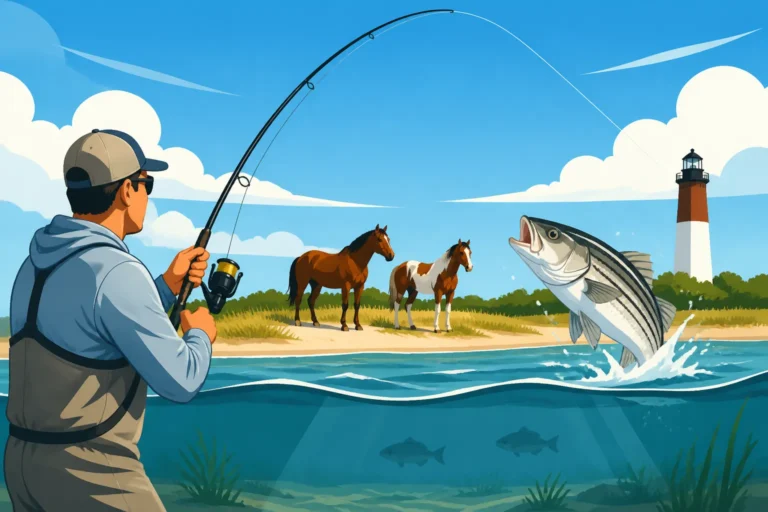
The Striped Bass, or rockfish as they are affectionately known in Maryland, are undoubtedly the star of the show in the Upper Bay. Their presence dictates much of the fishing calendar and draws anglers from all over. The spring season is particularly famous for the "trophy" rockfish run, where large migratory fish move into the bay to spawn. During this time, the Susquehanna Flats and the main channel of the Upper Bay become hotspots for targeting these impressive fish. Many anglers use large swimbaits, bucktails, or even live spot or bunker if regulations allow.
As the water warms into summer, the larger fish often move south or seek deeper, cooler waters, but plenty of resident rockfish remain. These smaller to mid-sized fish can be found around structure like bridge pilings, channel edges, and submerged humps. Jigging, trolling, and chumming become effective methods. The fall offers another fantastic opportunity, as Striped Bass school up to feed aggressively before migrating out of the bay for winter. Understanding "Maryland Striped Bass Season and Rockfish Rules" is absolutely critical, as regulations on size, creel limits, and specific seasons can change frequently to protect the population.
White Perch: Abundant and Fun
If you're looking for consistent action and a delicious meal, White Perch are your go-to fish in the Upper Bay. These feisty panfish are incredibly abundant throughout the brackish waters and into the fresher river systems. They are particularly active during their spring spawning runs, when they move far up into the feeder creeks and rivers, offering incredible light tackle action from shore or boat.
Throughout the warmer months, White Perch can be found in schools over oyster reefs, around docks, bridge pilings, and channel edges. They are not particularly picky eaters, readily taking small spinners, jigs tipped with grass shrimp or bloodworms, or even just a piece of seasoned clam on a bottom rig. They make excellent table fare, and their aggressive bite ensures that even novice anglers can enjoy a productive day on the water. For anyone wanting to know when to find these prolific fish, our article on "Best Month to Catch White Perch in Maryland" offers great insights.
Blue Catfish and Northern Snakehead: Invasive but Exciting Targets
The Upper Bay, especially the Susquehanna River and its tributaries, has become a stronghold for two highly invasive but incredibly exciting game fish: the Blue Catfish and the Northern Snakehead. While these species pose a threat to native ecosystems, anglers are encouraged to target and harvest them without limit, offering a unique opportunity for both sport and conservation. You can find detailed information on these species and their regulations in our "Maryland Invasive Fish Rules: Blue Catfish and Snakehead" article.
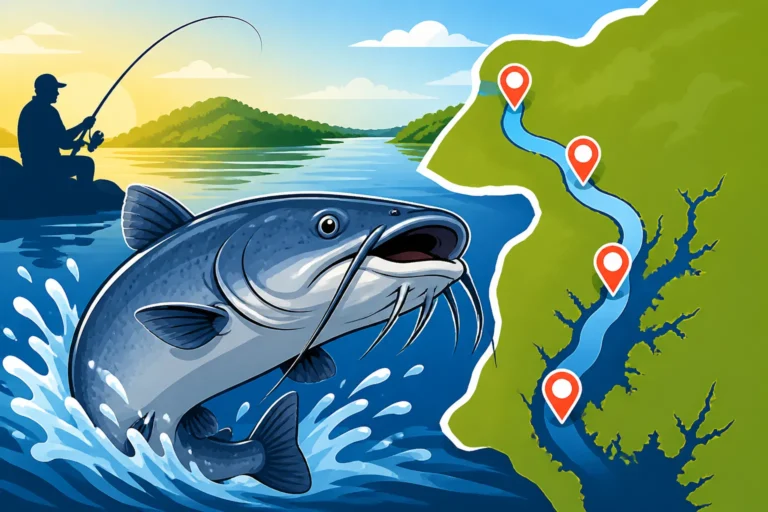
Blue Catfish are powerful, fast-growing fish that can reach immense sizes. They thrive in the deeper, current-rich sections of the Susquehanna and its surrounding rivers. Bottom fishing with fresh cut bait (like shad, herring, or perch) is the most effective method. These fish fight hard and are excellent eating.
Northern Snakehead, on the other hand, are ambush predators that prefer shallow, weedy areas. They are common in the sluggish backwaters of the Elk, Bohemia, and Northeast Rivers, as well as parts of the Susquehanna Flats. Targeting them with topwater frogs, weedless soft plastics, or chatterbaits can lead to explosive strikes and intense battles. Anglers are legally required to humanely dispatch any snakehead caught, and they also offer superb table fare. Both these species provide year-round fishing opportunities, though their activity peaks in warmer months.
Other Notable Species
While rockfish, perch, catfish, and snakehead often steal the spotlight, the Upper Chesapeake Bay is home to many other species worth targeting. In the fresher sections of the Susquehanna and its feeder rivers, you can find healthy populations of Largemouth Bass. Smallmouth Bass are also present in the upper nontidal stretches of the Susquehanna. Yellow Perch make strong runs up the rivers in early spring, providing another great light tackle option. During certain times of the year, you might also encounter Channel Catfish, Crappie, and various panfish like Bluegill and Pumpkinseed Sunfish. For a broader look at species, check out "Maryland Panfish: Crappie, Perch and Sunfish."
Essential Gear and Techniques for Upper Bay Fishing
Navigating the diverse waters of the Upper Chesapeake Bay means you'll need a versatile approach to your gear and techniques. What works wonders on the Susquehanna Flats might be useless in the deeper channels, and vice-versa. Having the right tools for the job isn't just about comfort; it's about being prepared for the dynamic conditions and various species you'll encounter.
Rods, Reels, and Line Choices
Given the range of species and conditions, a multi-rod approach is often best. For Striped Bass, especially the larger ones, you'll want medium-heavy to heavy action rods in the 7 to 8-foot range, paired with robust spinning reels (size 4000-6000) or baitcasting reels capable of handling 20-40 lb braided line. This setup provides the power needed to cast heavier lures and battle strong fish in current. For leader material, 30-50 lb fluorocarbon is usually a good choice for its abrasion resistance and low visibility.
For White Perch and smaller game fish, light to medium-light action spinning rods (6 to 7 feet) with smaller reels (size 1000-2500) spooled with 6-10 lb braided line or monofilament are ideal. This lighter setup enhances the fighting experience and allows for more delicate presentations. A 10-20 lb fluorocarbon leader is usually sufficient here. For targeting Blue Catfish, especially the giants that patrol the Susquehanna, heavy-action catfish rods with sturdy baitcasting reels spooled with 50-80 lb braided line are a must. These fish demand serious stopping power.
Bait and Lure Strategies
The Upper Bay offers a smorgasbord of bait and lure options, and knowing when to deploy each can dramatically improve your success.
Live and Cut Bait:
- Live Spot or Alewife: For Striped Bass, especially during live-lining season, live spot are a top choice. Alewife, if legal and available, also work wonders. Rig them on a circle hook with just enough weight to keep them in the strike zone.
- Bloodworms and Grass Shrimp: These are irresistible to White Perch, particularly during their spawning runs. Small pieces fished on a bottom rig or a high-low rig will almost guarantee a bite.
- Cut Bait (Shad, Herring, Perch): The absolute king for Blue Catfish. Fresh cut sections of oily fish are potent attractants. Fish them on a heavy bottom rig with a strong circle hook.
- Eels: Another traditional bait for large Striped Bass, especially at night around bridge pilings.
Artificial Lures:
- Jigs and Soft Plastics: From large paddle tail swimbaits for Striped Bass to small grub jigs for White Perch, soft plastics are incredibly versatile. Colors like chartreuse, white, and pearl are often effective. Jigging around structure or channel edges is a proven tactic.
- Topwater Lures: Essential for Northern Snakehead in weedy areas (frogs, poppers) and exciting for Striped Bass during surface feeds (poppers, walk-the-dog lures).
- Crankbaits and Jerkbaits: Excellent for Largemouth Bass in the river systems, especially around woody cover and docks.
- Spoons and Blade Baits: Great for jigging deeper water for Striped Bass or even for casting long distances into feeding frenzies. Heavy jigging spoons are also effective below the Conowingo Dam.
- Bucktails: A classic for Striped Bass, often tipped with a soft plastic trailer or a piece of pork rind. They can be trolled, cast, or jigged.
Seasonal Tactics
Your fishing techniques must adapt to the seasons in the Upper Bay:
- Spring: Focus on spawning runs. For Striped Bass, this means trophy fishing with large baits or lures. For White Perch, moving into creeks with small jigs and bait. This is also prime time for Yellow Perch.
- Summer: Look for cooler, deeper water for Striped Bass, or target them at dawn/dusk. White Perch are active around structure. Snakehead and Blue Catfish are highly active in the warmer months.
- Fall: Another peak season for Striped Bass as they fatten up for winter migration. Trolling, jigging, and live-lining can all be effective. White Perch remain active.
- Winter: Fishing slows, but dedicated anglers can still find Striped Bass in deeper channels or target large Blue Catfish. Ice fishing is even possible on some of the shallower, less brackish impoundments if conditions allow. Many anglers also enjoy "Winter Fishing for White Perch in Maryland."
Don't forget that many anglers find success hiring local guides, particularly through platforms like FishingBooker, who can provide immediate insights into current conditions and the most effective tactics for a given day. These local experts have their finger on the pulse of the bay and can drastically shorten your learning curve.
Navigating Regulations and Best Practices
Fishing the Upper Chesapeake Bay isn't just about knowing where the fish are; it's also about respecting the resource and understanding the rules. Maryland has specific regulations designed to protect fish populations and ensure sustainable angling for future generations. Ignoring these rules can lead to hefty fines and penalties, not to mention harming the ecosystem.
Understanding License Requirements
The very first step for any angler in Maryland is securing the correct fishing license. The Upper Chesapeake Bay is a mix of tidal and nontidal waters, and your license requirements can vary based on where exactly you are fishing. Generally, if you're fishing in the mainstem of the bay or tidal portions of its tributaries (which includes most of the Upper Bay below the Conowingo Dam), you'll need a Maryland Bay & Coastal Sport Fishing License. If you're venturing into the truly freshwater, nontidal sections of the Susquehanna or its tributaries, you might need a Nontidal Fishing License. Often, a Consolidated Sport Fishing License will cover both.
It's crucial to understand these distinctions. For example, if you plan to fish the Susquehanna Flats and then drive a bit north to fish directly below the Conowingo Dam (which is typically considered nontidal for licensing purposes but has specific bay regulations for Striped Bass), you'll need to ensure your license covers both. Kids often have different requirements too, so it's worth checking "Do Kids Need a Fishing License in Maryland?" before heading out with the family. Always carry your license with you and be prepared to present it to a natural resources police officer. For a full breakdown, check out the "Maryland Fishing License Guide for 2026."
Catch Limits, Size Restrictions, and Seasons
Maryland's fishing regulations are designed to manage fish populations, particularly for species like Striped Bass, which face significant pressure. These rules dictate minimum and maximum size limits (often referred to as "slot limits"), daily creel (catch) limits, and specific open and closed seasons. These regulations can change year-to-year, and sometimes even mid-season, so always consult the latest Maryland Department of Natural Resources (DNR) fishing guide or website before you go.
For instance, the "Maryland Striped Bass Season and Rockfish Rules" article highlights how critical it is to know the current slot limits and harvest seasons for rockfish, as these are frequently adjusted. Similarly, species like Flounder and Black Sea Bass (further down the bay, but still relevant if you travel) have specific size and possession limits. For invasive species like Blue Catfish and Northern Snakehead, there are generally no size or creel limits, and anglers are strongly encouraged to harvest them. It's not uncommon for anglers who are new to the area to inadvertently violate these rules, which can lead to significant penalties. Double-checking before you cast a line is always the safest bet.
| Species | Typical Upper Bay Season (General) | Common Size/Creel Rules (Always Check DNR) | Best Practices for Upper Bay |
|---|---|---|---|
| Striped Bass | Spring, Summer, Fall | Varies greatly by season & zone | Catch & release carefully, know slot limits, avoid August targeting. |
| White Perch | Year-round, peaks Spring/Fall | Generous, often no size limit | Great for kids, use light tackle, keep what you'll eat. |
| Blue Catfish | Year-round, peaks Warm Months | No limit, encouraged to harvest | Target with cut bait, dispatch humanely, remove from ecosystem. |
| Northern Snakehead | Spring-Fall, peaks Warm Months | No limit, mandatory dispatch | Target aggressively, use topwater, do NOT release live fish. |
| Largemouth Bass | Spring-Fall | Varies by waterbody | Primarily catch & release, target structure, avoid bedding fish. |
Note: The size and creel limits listed above are general guidelines and are subject to change. Always consult the official Maryland DNR regulations before fishing.
Conservation and Ethical Angling
Beyond just following the rules, practicing ethical angling is vital for the health of the Upper Bay. This includes proper catch and release techniques for fish you don't intend to keep, minimizing stress on the fish. Use appropriate tackle, handle fish gently, and release them quickly. For species like Striped Bass, consider using circle hooks when bait fishing to reduce gut-hooking.
Reducing your impact on the environment is also part of ethical angling. Pack out all your trash, avoid disturbing sensitive habitats like submerged grass beds, and be mindful of other boaters and anglers. The Upper Bay is a shared resource, and responsible behavior ensures that everyone can enjoy its bounty for years to come. If you're looking for professional help navigating the waters ethically and legally, many excellent charter captains listed on FishingBooker are well-versed in conservation practices and local regulations.
Planning Your Upper Bay Fishing Trip
A successful fishing trip to the Upper Chesapeake Bay goes beyond just having the right gear and knowing the regulations. It involves careful planning, from choosing the right time to finding comfortable lodging and understanding potential local challenges. Thinking ahead can turn a potentially frustrating outing into a memorable adventure.
Best Times to Visit
The "Best Time of Year to Fish in Maryland" largely depends on what species you're hoping to target. For the Upper Bay specifically:
- Spring (April-May): This is prime time for trophy Striped Bass as they enter the bay to spawn. White Perch also make their prolific spawning runs up the rivers. The weather can be variable, so pack layers.
- Early Summer (June-July): Excellent for White Perch, Largemouth Bass, and increasing activity for Blue Catfish and Northern Snakehead. Striped Bass fishing can be good, but often means targeting resident fish or finding deeper, cooler waters.
- Late Summer (August): This can be a challenging month due to heat and often specific closures for Striped Bass. However, Blue Catfish, Northern Snakehead, and White Perch remain active.
- Fall (September-November): A fantastic time for Striped Bass as they aggressively feed before winter. Many consider this the second-best rockfish season. White Perch fishing also remains strong.
- Winter (December-March): Fishing slows, but dedicated anglers can find Striped Bass in deeper holes or target large Blue Catfish. Ice fishing is occasionally possible on some smaller, shallower impoundments near the Upper Bay if ice conditions are safe.
Always check local weather forecasts and tidal charts, as these factors significantly influence fish behavior and safety on the water.
Access Points and Boat Ramps
The Upper Chesapeake Bay offers numerous public and private access points for anglers. If you're launching a boat, finding the right ramp is crucial.
- North East/Havre de Grace Area: Boat ramps in North East, Port Deposit, and Havre de Grace provide excellent access to the Susquehanna Flats, the Conowingo Dam tailrace, and the North East River. These can get busy during peak seasons, so plan accordingly.
- Elkton/Bohemia River Area: Ramps along the Elk River and Bohemia River offer access to these productive tributaries for bass, perch, and snakehead.
- Baltimore Area: While slightly south of the "Upper Bay" as some define it, ramps in the Baltimore Harbor area (e.g., Dundalk, Canton) provide access to the Patapsco River and the Middle River, which offer good fishing for Striped Bass and White Perch.
For shore anglers, public piers and parks like those in Havre de Grace or near the mouths of the North East Rivers can provide good opportunities, especially for White Perch and Catfish. Some of these piers may even exempt you from requiring a state fishing license, but always verify. Our article, "Do You Need a License to Fish From a Maryland Pier?", has more information on that.
Charters, Guides, and Local Expertise
For those unfamiliar with the Upper Bay, hiring a local fishing guide or charter captain can be an invaluable investment. These professionals possess intimate knowledge of the area, current fishing patterns, and the best techniques for the day. They often provide all the necessary gear, bait, and even handle fish cleaning, allowing you to simply enjoy the experience. This is especially useful for targeting specific species like trophy Striped Bass or elusive Northern Snakehead. Many reputable captains operating out of Havre de Grace, North East, or other Upper Bay ports can be found and booked through services like FishingBooker.
A good guide can save you hours of trial and error, getting you directly to the fish and teaching you techniques specific to the Upper Bay. They also ensure you're fishing legally and safely, which is a massive peace of mind. Whether you're a seasoned angler looking to learn a new area or a complete beginner, a guided trip is often the fastest way to success and a deeper understanding of this complex fishery. Our "Maryland Chesapeake Bay Fishing Charters, What to Expect" guide can help you choose the right experience.
Disclaimer
Please remember that fishing regulations, including license requirements, catch limits, and seasons, can change. Always consult the latest official Maryland Department of Natural Resources (DNR) regulations before heading out on your fishing trip. The information provided in this guide is for general informational purposes only and should not be considered legal advice or a substitute for official DNR publications. Stay safe, respect the environment, and enjoy your time on the water.