Maryland Fisheries Complaint and Poaching Hotline
It's incredibly frustrating, isn't it? You're out on the water, enjoying a peaceful day of fishing in Maryland, doing everything by the book, and then you witness someone blatantly breaking the rules. Whether it's keeping undersized fish, fishing in a closed area, or just generally disrespecting our precious natural resources, seeing a violation can leave you feeling powerless and angry. This guide is here to empower you, breaking down exactly how you can report fishing violations in Maryland and why your vigilance is so important for protecting our beloved waterways for generations to come.
Understanding Fishing Violations in Maryland
When we talk about "fishing violations," it's not always about some grand, elaborate poaching scheme. Sometimes, it's seemingly small acts that, when multiplied by hundreds or thousands of anglers, can cause significant harm to fish populations and their habitats. Understanding what constitutes a violation is the first step in being a responsible steward of Maryland's natural resources.
What Constitutes a Fishing Violation?
Fishing violations encompass a wide range of activities that go against the regulations set forth by the Maryland Department of Natural Resources (DNR). The rules are there for a reason: to manage fish stocks, protect spawning grounds, and ensure fair access for everyone. One common violation involves fishing without the proper license. Many people mistakenly believe they don't need a license for certain types of fishing, or they simply forget to renew. Remember, generally, if you're over the age of 16 and fishing in Maryland waters, you need a license, whether it's for freshwater or tidal areas. You can find detailed information in our Maryland Fishing License Guide for 2026.
Beyond licensing, most violations revolve around the "what, where, and when" of fishing. This includes not adhering to specific size and catch limits, such as keeping a striped bass that's too small or exceeding the daily creel limit for white perch. These limits are crucial for allowing fish to reach reproductive age and maintain healthy populations, so understanding Maryland Fishing Size and Catch Limits by Species is non-negotiable. Then there are closed seasons, like specific periods when certain species, such as rockfish (striped bass), cannot be harvested to protect their spawning activities, as outlined in the Maryland Striped Bass Season and Rockfish Rules. Ignoring these closures can severely impact future fish stocks.
Furthermore, illegal fishing methods, such as using prohibited gear, can also be serious violations. For instance, some areas may have restrictions on nets or certain types of bait. Even unintentional harm, such as not properly disposing of fishing line or litter, can be considered a violation due to its environmental impact. It's also vital to be aware of regulations regarding invasive species like blue catfish and snakehead. While the DNR encourages harvesting these, there are still rules about their possession and transport, which are critical to preventing their further spread, so always check Maryland Invasive Fish Rules: Blue Catfish and Snakehead to stay informed.
The Impact of Poaching on Maryland's Fisheries
The term "poaching" often conjures images of large-scale illegal fishing operations, but it also applies to individuals who knowingly break fishing laws for personal gain, even on a smaller scale. The impact of such activities extends far beyond a single fish or a single angler's illegal catch. It directly threatens the sustainability of Maryland's diverse fish populations. When fish are taken out of season, in excess of limits, or are undersized, it can deplete breeding stocks, leading to fewer fish in the future for everyone.
Economically, poaching harms the legitimate fishing industry, including commercial watermen and charter boat operators, who rely on healthy fish stocks and fair competition. It also impacts local bait and tackle shops, restaurants, and tourism that benefit from a thriving angling community. When fish populations decline due to illegal activities, it can ripple through the entire economy of coastal and waterside communities. It's not just about the fish; it's about people's livelihoods and the vibrant culture surrounding fishing in Maryland.
Ethically, poaching undermines the principles of conservation and responsible resource management that most anglers strive to uphold. It erodes trust among the fishing community and disrespects the collective effort to preserve these resources. Every angler has a role to play in protecting our natural heritage, and reporting violations is a critical part of that responsibility. Ignoring violations allows a few bad actors to exploit resources at the expense of everyone else, making your vigilance an act of community preservation.
How to Report a Fishing Violation in Maryland
Witnessing a violation can be disheartening, but the good news is that you have a powerful tool at your disposal: the Maryland Natural Resources Police (NRP). They are the dedicated law enforcement agency responsible for protecting Maryland's natural resources, and they rely heavily on tips from concerned citizens like you.
The Maryland Natural Resources Police (NRP) Hotline
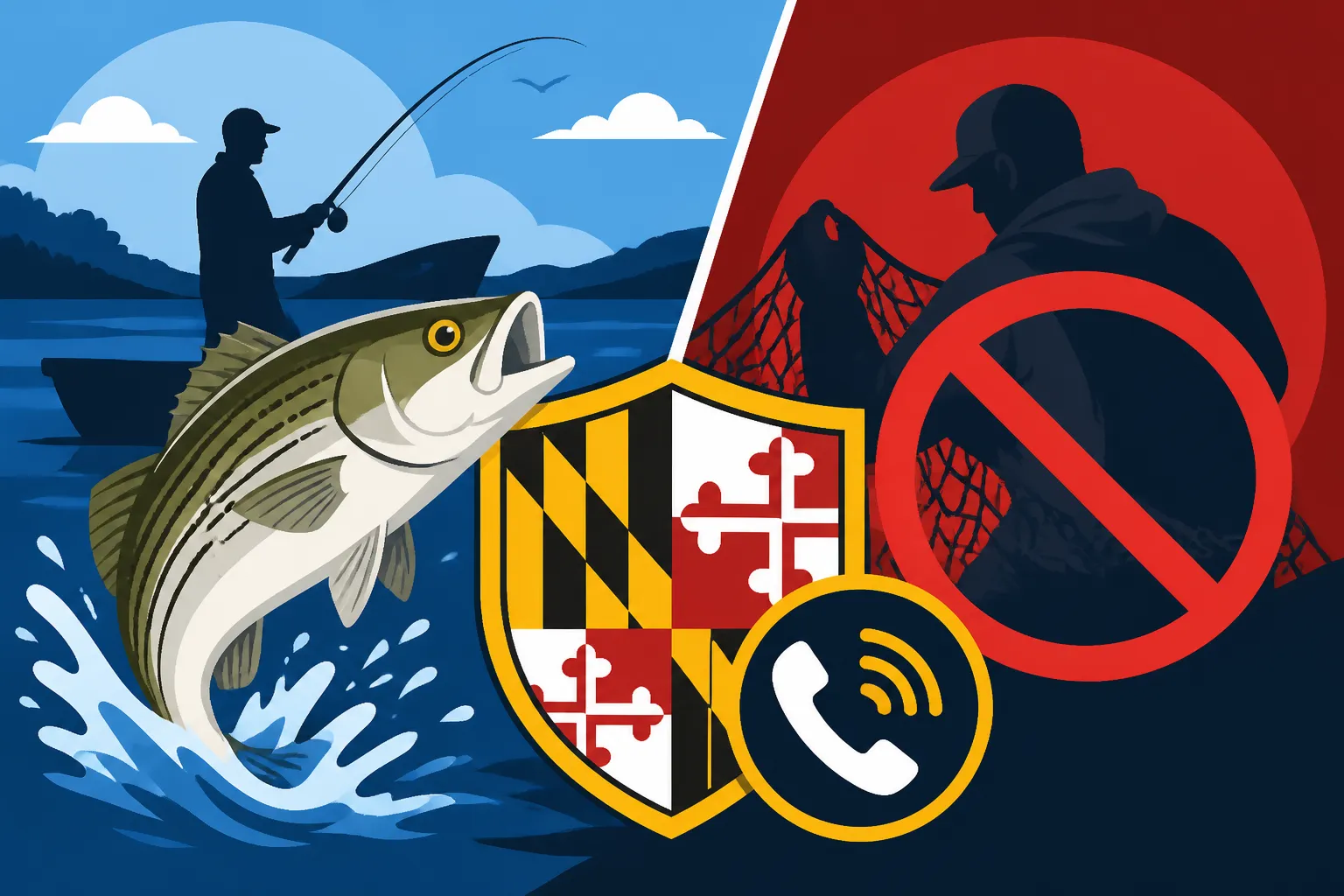
If you witness a fishing violation in Maryland, the most direct and effective way to report it is by contacting the Maryland Natural Resources Police (NRP). They have a dedicated hotline that is staffed 24 hours a day, 7 days a week. The number you need to remember is 1-800-628-9944. This hotline is your direct line to officers who can respond to active violations or investigate reported incidents.
When you call, try to remain calm and provide as much detail as possible. NRP officers are trained to handle these calls and will guide you through the information they need. It's vital to report the incident as quickly as possible, especially if it's an ongoing violation, as this increases the chances of officers interdicting the activity. Even if the perpetrators are gone, reporting the incident still provides valuable intelligence that can help NRP track patterns and prevent future violations. Your call is confidential, so don't hesitate to reach out.
Other Reporting Methods
While the 24/7 hotline is your best bet for immediate concerns, there are other ways to report violations, particularly for non-emergency situations or to submit information after the fact. The Maryland Department of Natural Resources (DNR) website offers online reporting forms where you can detail incidents. These forms are useful for providing extensive written accounts, uploading photos or videos if you have them, and reporting issues that aren't time-sensitive. You might find links to these forms within the extensive resources available in the Maryland's DNR Fishing and Boating Guide, Explained.
Another increasingly popular method is using mobile applications. The Maryland DNR often has apps available (check your app store, like on an Amazon device, for the latest version) that allow for direct reporting from your smartphone. These apps can sometimes automatically capture your location, which is incredibly helpful for officers responding to a scene. You might also have the option to contact your local NRP office directly during business hours, especially if you have a non-urgent question or want to discuss a recurring issue in a specific area. However, always default to the hotline for active violations.
What Information to Gather Before Reporting
The more information you can provide to the NRP, the better their chances of responding effectively and pursuing an investigation. Before you make that call, take a moment to collect yourself and recall these crucial details:
- Specific Location: This is paramount. Pinpoint the exact location of the violation as accurately as possible. Was it on a particular bridge, near a certain boat ramp, by a unique landmark, or at a specific GPS coordinate? Naming a major body of water, like "the Chesapeake Bay" or "the Potomac River," is a start, but try to be much more precise, like "near the Route 50 bridge pilings" or "in the cove just south of Sandy Point State Park."
- Time and Date: When did you observe the violation? Was it ongoing, or did it just happen? The freshness of the information is critical for active responses.
- Description of Individuals: How many people were involved? What were they wearing? Any distinguishing features (hair color, build, approximate age)? While you should never put yourself in danger to get this information, safe observations can be immensely helpful.
- Vessel or Vehicle Description: If a boat or vehicle was involved, note its type, color, make, model, and any identifying numbers like a boat registration number (MD number) or vehicle license plate. Even unique decals or damage can be useful.
- Type of Violation: Clearly state what you saw. Were they keeping undersized fish? Exceeding a limit? Fishing in a closed area? Using illegal gear? Be specific. For instance, "they were keeping multiple striped bass that looked smaller than 19 inches," rather than just "they were fishing illegally."
- Species Involved: If you can identify the fish species being caught or illegally harvested, that's incredibly helpful. For example, knowing if it was striped bass, blue catfish, or trout helps the NRP understand which specific regulations were violated.
- Your Contact Information (Optional but Recommended): While you can report anonymously, providing your name and a phone number allows officers to follow up with you for more details if needed. Your information will be kept confidential.
Having this information ready makes your call to the hotline much more efficient and gives the NRP the best possible chance to act. You might even consider carrying a small, waterproof notebook to jot down details if you're frequently out on the water. Many anglers keep such items in their tackle boxes, often purchased through retailers like Amazon, for just such situations.
What Happens After You File a Complaint?
Once you've made that call to the Maryland Natural Resources Police hotline or submitted an online report, you might wonder what happens next. It's important to understand that law enforcement investigations can take time, but every report contributes to a larger effort.
The Investigation Process
When the NRP receives a complaint, especially for an active violation, their priority is to dispatch an officer to the location as quickly and safely as possible. Depending on the distance, the nature of the violation, and officer availability, response times can vary. For less immediate concerns, such as a report of illegal activity that happened hours or days ago, officers will log the information and may use it to increase patrols in that area or initiate an investigation based on the details provided.
The investigation process often involves officers observing the reported activity, gathering evidence, and if appropriate, confronting the individuals involved. This could include checking licenses, inspecting catches for size and creel limits, and verifying gear. Sometimes, an investigation might lead to a larger case involving multiple violations or individuals. Your report, even if it doesn't result in an immediate arrest, can be a crucial piece of intelligence that helps build a broader picture of illegal activity, leading to successful enforcement actions down the line. Remember, the NRP works tirelessly to protect Maryland's resources, and your assistance is invaluable to their efforts.
Potential Outcomes and Penalties
If a violation is confirmed, the individuals involved can face a range of consequences. The penalties for fishing violations in Maryland vary significantly depending on the severity of the offense, whether it's a first-time or repeat offense, and the species involved. Minor infractions, like forgetting to display a license or having a single undersized fish, might result in a warning or a relatively small fine. However, more serious violations, such as intentionally exceeding catch limits, fishing in closed spawning areas, or commercial poaching, can lead to substantial fines, often hundreds or even thousands of dollars. It's a sobering reminder that there are significant Maryland Fishing License Penalties for Violations.
Beyond monetary fines, offenders can face other repercussions. This could include the forfeiture of their catch, fishing gear, or even the vessel used in the commission of the crime. Repeat offenders or those involved in egregious violations may also face suspension or revocation of their fishing privileges, meaning they could lose the right to fish in Maryland waters for a period, or even permanently. For those caught without a license, the penalties can be steep, as detailed in What Happens If You Fish in Maryland Without a License?. These penalties are designed not just to punish but to deter future illegal activity, sending a clear message that Maryland takes its natural resource protection seriously.
Here's a quick overview of potential outcomes for different types of fishing violations:
| Violation Type | Initial Penalty (Typical) | Additional Penalties (Possible) |
|---|---|---|
| Fishing Without Proper License | Fine, up to $250 | Suspension of fishing privileges, confiscation of gear |
| Exceeding Creel/Size Limits | Fine (per fish), up to $1,000 | Forfeiture of catch, suspension of privileges, gear confiscation |
| Fishing During Closed Season/Area | Fine, up to $1,000+ | Suspension of privileges, gear/vessel confiscation, jail time (severe) |
| Using Prohibited Gear | Fine, up to $1,000+ | Forfeiture of gear, suspension of privileges |
| Commercial Poaching (Severe) | Felony charges, $25,000+ | Jail time, permanent revocation of licenses, extensive forfeiture |
| Illegal Possession of Invasive Species | Fine, up to $500 | Forfeiture of catch, mandatory reporting/disposal rules |
It's important to note that these are general guidelines, and actual penalties can vary based on specific circumstances and judicial discretion.
Why Your Report Matters
Every single time you pick up a rod and reel in Maryland, you're not just participating in a sport or a hobby; you're becoming part of a larger ecosystem, a community of anglers who share a passion for the water. Your active role in reporting violations is paramount to preserving this experience for everyone.
Protecting Maryland's Natural Resources for Everyone
Maryland's diverse aquatic environments, from the vast Chesapeake Bay to serene mountain streams, are treasures that belong to all of us. They provide not only recreational opportunities but also vital ecological services and economic benefits. When someone breaks fishing laws, they are essentially stealing from this shared resource, diminishing its value for every other angler, boater, crabber, and even those who simply enjoy the beauty of our waterways.
Your report, no matter how small the perceived violation, helps the Natural Resources Police monitor trends, allocate resources effectively, and enforce the laws that protect these sensitive ecosystems. For example, stringent rules like Maryland's New Striped Bass Rules for 2026 are put in place to ensure the species' recovery and health; ignoring them can quickly undo years of conservation efforts. Similarly, controlling the spread of invasive species like blue catfish and snakehead is a community-wide effort, where following Maryland Blue Catfish Possession Rules and Maryland Snakehead Fishing Rules makes a real difference. Each report contributes to a healthier, more sustainable future for Maryland fishing, ensuring that future generations can enjoy the same opportunities we do today.
Community Vigilance and Responsible Angling
Think of your local waterways as a community park. If you saw someone vandalizing the park or stealing from it, you'd likely say something or call the authorities. Fishing violations are no different. They are acts against our shared natural park. By reporting what you see, you become a proactive guardian of these resources. This isn't about being a "snitch"; it's about being a responsible member of the angling community and advocating for the rules that protect our shared passion.
Responsible angling means not only following the rules yourself but also helping to ensure others do too. It fosters a culture of respect for the environment and for the regulations designed to sustain it. Your willingness to report violations sends a clear message that illegal activity will not be tolerated. It reinforces the idea that we, as anglers, are custodians of these resources, and our vigilance is a powerful tool in ensuring their longevity. So, next time you see something that just doesn't sit right on the water, don't hesitate. Make the call.
Disclaimer
The information provided in this guide is for general informational purposes only and does not constitute legal advice. Fishing regulations in Maryland can change frequently. Always consult the official Maryland Department of Natural Resources (DNR) website or their current fishing guide for the most up-to-date and accurate regulations before engaging in any fishing activities.