Maryland Rules for Keeping Snakehead Fish
There’s nothing quite like the thrill of a hard fight on the end of your line, but sometimes that thrill comes with a twist: you’ve landed a northern snakehead. Suddenly, the usual catch-and-release dilemma is replaced by a whole new set of rules, and let’s be honest, it can be downright confusing and a little overwhelming. This guide is here to clear up all the mystery, walking you through Maryland’s specific regulations for keeping snakehead fish, why they’re in place, and what you absolutely need to know to stay compliant while doing your part for the ecosystem.
Understanding the Northern Snakehead in Maryland Waters
Before we dive into the rules, it’s really helpful to understand what a northern snakehead is and why Maryland has such strict regulations concerning them. This isn't just another fish in the pond; it's an invasive species that poses a significant threat to our cherished native aquatic life.
What Makes a Northern Snakehead So Different?
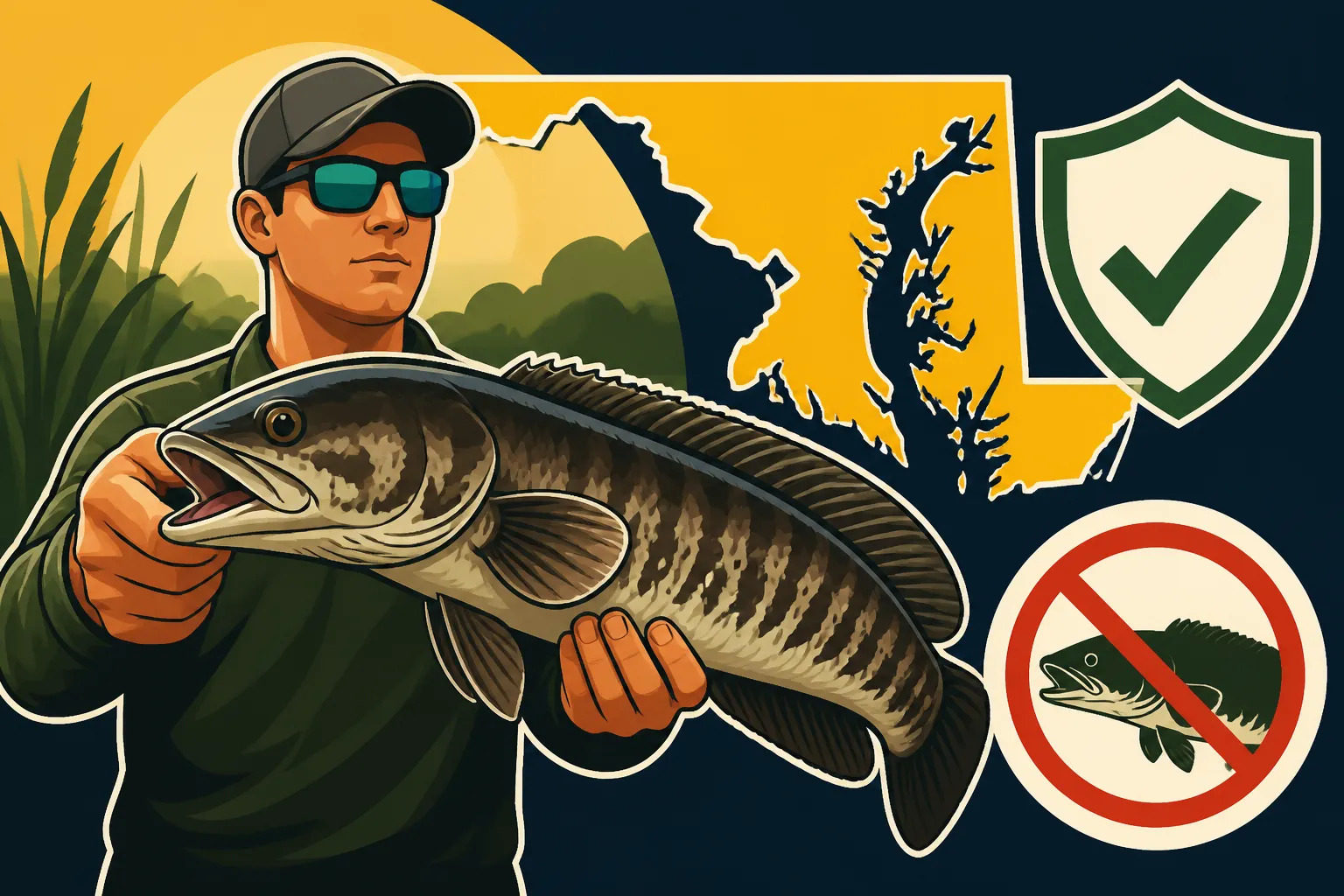
The northern snakehead (scientific name: Channa argus) is a fascinating, yet problematic, fish. Originally native to parts of Asia, these fish have found their way into various U.S. waterways, including Maryland’s intricate network of rivers and the Chesapeake Bay watershed. They’re easily identifiable by their long, cylindrical bodies, distinctive snake-like head, and mottled brown coloration. What truly sets them apart is their ability to breathe air using a primitive lung-like organ, allowing them to survive for extended periods out of water and even "walk" short distances over land to find new bodies of water. This unique adaptation is a huge part of why they spread so rapidly and are such a concern.
They’re also incredibly aggressive predators. Their diet consists of pretty much anything they can fit in their mouth – native fish like bass, perch, and crappie, as well as frogs, crayfish, and small mammals. Imagine a vacuum cleaner in fish form, and you’re pretty close. This voracious appetite and adaptable nature are what make them a legitimate ecological threat. If you’re unsure how to identify one, we have a helpful guide on How to Identify a Northern Snakehead in Maryland.
Why They're a Problem for Maryland's Ecosystems
The issue with northern snakeheads isn't just their aggressive feeding habits; it's their ability to outcompete and displace native species that have been here for centuries. Our local fish populations, like our beloved striped bass or the various species of panfish that populate our freshwater lakes and rivers, are not equipped to handle such a dominant new predator. Snakeheads mature quickly, reproduce prolifically, and have no natural predators in Maryland waters that can keep their numbers in check.
Their presence disrupts the delicate balance of the food web, potentially leading to declines in native fish populations. This has far-reaching consequences, affecting everything from recreational fishing opportunities to the overall health of the Chesapeake Bay ecosystem. That’s why, when you catch one, it’s not just a fishing moment; it's an act of environmental stewardship. This invasive nature is shared by other species, and you can learn more about them in our article on Maryland Invasive Fish Rules: Blue Catfish and Snakehead.
The Core Mandate: Maryland's "Kill on Sight" Rule for Snakeheads
This is where the rules get serious, and understandably so. Because of the significant threat northern snakeheads pose, Maryland has a very clear, non-negotiable policy: if you catch a northern snakehead, you must not release it alive. This isn't a suggestion; it's a legal requirement.
What "Kill on Sight" Truly Means
The term "kill on sight" might sound harsh, but it's a direct reflection of the urgency and severity of the snakehead problem. It means that as soon as you positively identify a northern snakehead on your line, you are legally obligated to dispatch it immediately and humanely. There’s no catch-and-release option here, no posing for a quick photo and tossing it back. The goal is to ensure that the fish cannot return to the water to continue breeding and preying on native species.
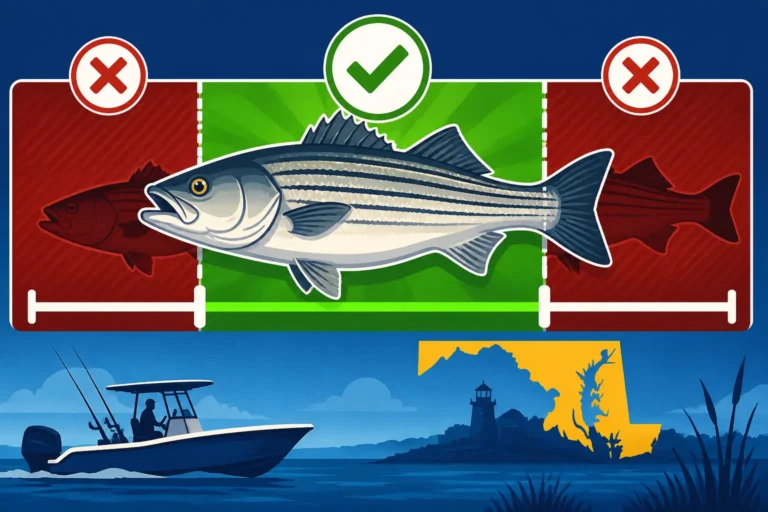
This directive stands in stark contrast to how we treat most native game fish in Maryland, where catch-and-release is often encouraged, especially for species like striped bass during certain seasons or when they fall outside a legal slot limit. For snakeheads, the opposite is true: every caught snakehead is a fish that needs to be removed from the ecosystem permanently. This crucial distinction is why understanding Why Snakehead Can't Be Released in Maryland is so important.
The Reasoning Behind the Strict Policy
The scientific and ecological reasoning behind the kill-on-sight policy is sound. Research by the Maryland Department of Natural Resources (DNR) and other agencies has shown that these fish are incredibly resilient. Even a seemingly dead snakehead, if merely stunned or injured, might revive once back in the water. Their unique ability to breathe air means they don't drown like most fish, making them particularly difficult to truly kill without decisive action.
By requiring immediate, humane dispatch, the DNR aims to prevent any chance of re-release, accidental or intentional. It's a proactive measure to curb their spread and protect the state’s invaluable aquatic biodiversity. Every angler who adheres to this rule is directly contributing to the conservation efforts of Maryland's native fish populations.
Practical Steps for Anglers: Handling, Dispatch, and Transporting Your Catch
So, you’ve hooked a snakehead. Now what? Knowing the rules is one thing, but knowing the practical steps to follow is another. It's crucial to handle these fish safely and effectively, not just for compliance but for your own well-being.
Safely Handling a Northern Snakehead
Snakeheads have a mouthful of sharp, needle-like teeth, and they can be incredibly strong and slippery when flopping around. Your first priority should always be safety.
- Use Tools: Avoid putting your hands directly into their mouths or gills. Always keep a sturdy pair of fishing pliers, a fish gripper (like those readily available on Amazon), or even a heavy-duty glove handy.
- Control the Fish: Once you’ve landed it, try to pin it down with your foot (if on land) or net it firmly. A good net with a deep bag can help contain its powerful thrashing.
- Beware the Thrash: Even after being seemingly subdued, snakeheads can unexpectedly convulse. Be prepared for this, especially during the dispatch process.
Humane and Effective Dispatch Methods
The goal is immediate and humane dispatch. This means ending its life quickly and with minimal suffering. Here are the most common and effective methods recommended by experts:
- Decapitation: This is arguably the most definitive method. Using a sharp, heavy knife or hatchet, remove the head swiftly. This severs the spinal cord and ensures immediate death.
- Spinal Severing: If decapitation isn't feasible, a swift, forceful blow to the head with a blunt object (like a specialized fish bonker or a sturdy club) followed by severing the spinal cord just behind the head with a knife can be effective.
- Brain Spike/Crushing: A sharp, pointed tool (like an ice pick or a dedicated fish spike) inserted directly into the brain can cause immediate death. Alternatively, a heavy blow to the top of the head with a blunt object can crush the brain.
The key here is decisiveness. A half-hearted attempt might only injure the fish, prolonging its suffering and potentially allowing it to escape or revive. Always be prepared with the right tools before you even cast your line in snakehead territory. If you’re looking for more advice on how to target and handle these fish, check out our guide on Techniques for Catching Snakehead in Maryland.
Transporting Your Catch Legally
Once the snakehead is dispatched, you are then free to transport it. The critical distinction here is that you cannot transport a live snakehead. Transporting a dead one, however, is not only legal but encouraged.
- Keep it Dead: Ensure the fish is clearly deceased before placing it in your cooler or bag. Some anglers even make an additional cut through the gills or gut the fish immediately to ensure it can't possibly revive.
- Cooler is Key: When preparing to take your catch home, a quality cooler, perhaps one from reputable brands you might find on Amazon, is essential to keep your fish fresh and prevent spoilage. These fish are delicious, and keeping them in prime condition is worth the effort.
- No Live Wells: Never place a live snakehead in a live well, even if you intend to kill it later. The moment it’s caught, it must be dispatched.
There is no specific daily limit for keeping dead northern snakeheads, as the DNR wants anglers to remove as many as possible. This is a crucial difference from other species, as outlined in Maryland Blue Catfish Possession Rules, which also pertain to an invasive species.
The Serious Consequences of Non-Compliance and Broader Implications
Ignoring these regulations isn’t just a minor oversight; it carries significant legal penalties and contributes to a worsening ecological problem. Maryland takes the threat of invasive species very seriously, and for good reason.
Penalties for Violating Snakehead Rules
The Maryland Natural Resources Police (NRP) actively enforces these regulations. Releasing a live northern snakehead back into the water, or attempting to transport a live one, can result in substantial fines. While specific amounts can vary depending on the severity and context of the violation, penalties for fishing violations in Maryland generally start in the hundreds of dollars and can escalate significantly, sometimes including court appearances and seizure of equipment. It’s important to remember that these aren't just minor infractions; they are violations of environmental law. Our article on Fine for Transporting a Live Snakehead in Maryland delves deeper into the specifics of these penalties. You can also refer to Maryland Fishing License Penalties for Violations for a broader understanding of fines for other fishing-related infractions.
Your Role in Protecting Maryland's Native Fish
Every angler is a steward of Maryland's natural resources. By understanding and adhering to the snakehead regulations, you play a direct and vital role in protecting our native fish populations and the health of the Chesapeake Bay ecosystem. It’s a collective effort, and your actions on the water have a real impact.
Consider this table, which highlights the stark differences in how Maryland manages invasive species versus native game fish:
| Feature | Northern Snakehead (Invasive) | Striped Bass (Native Game Fish) |
|---|---|---|
| Release Policy | Must NOT be released alive; kill on sight. | Catch and release permitted and often encouraged outside seasons/slots. |
| Live Transport | Illegal, regardless of destination. | Generally legal for live bait, or for immediate transport home/dock if legal size and within limits. |
| Possession Limit | No daily limit (removal is encouraged). | Strict daily bag limits apply (e.g., 1 or 2 per person). |
| Size Limit | No minimum/maximum size. | Strict slot limits and minimum/maximum sizes apply. |
| Conservation Goal | Eradication/control to protect native species. | Sustainable harvest and population management for future generations. |
It's clear that the rules are designed to aggressively combat the snakehead population. For those who enjoy the culinary aspect, remember that northern snakehead is known for its firm, white, flaky meat, similar to cod or snapper. For those who enjoy preparing their own fish, having a sharp, dedicated filleting knife – many excellent options are available on Amazon – makes the job much easier, turning a problematic catch into a delicious meal. This also motivates anglers to keep them, helping the DNR's efforts. If you're wondering, Are Snakehead Good to Eat?, the answer is a resounding yes!
For more detailed information on what actions to take when you encounter this fish, our guide What to Do If You Catch a Snakehead in Maryland provides step-by-step advice. Anglers fishing in the Potomac River, where snakeheads are particularly prevalent alongside blue catfish (another invasive species), should pay close attention to all invasive species rules. For example, knowing the nuances of Fishing the Potomac for Blue Catfish can help you understand the broader invasive species context.
By understanding these regulations and acting responsibly, you’re not just avoiding a fine; you’re actively contributing to the health and future of Maryland’s beautiful and diverse aquatic environments. Thank you for doing your part!
Disclaimer
The information provided in this guide is for informational purposes only and is subject to change. While we strive to provide accurate and up-to-date information, fishing regulations can be complex and are frequently updated by the Maryland Department of Natural Resources (DNR). It is always the angler's responsibility to consult the most current Maryland DNR fishing regulations before heading out on the water.