Why Does Maryland Have No Size Limit on Blue Catfish?
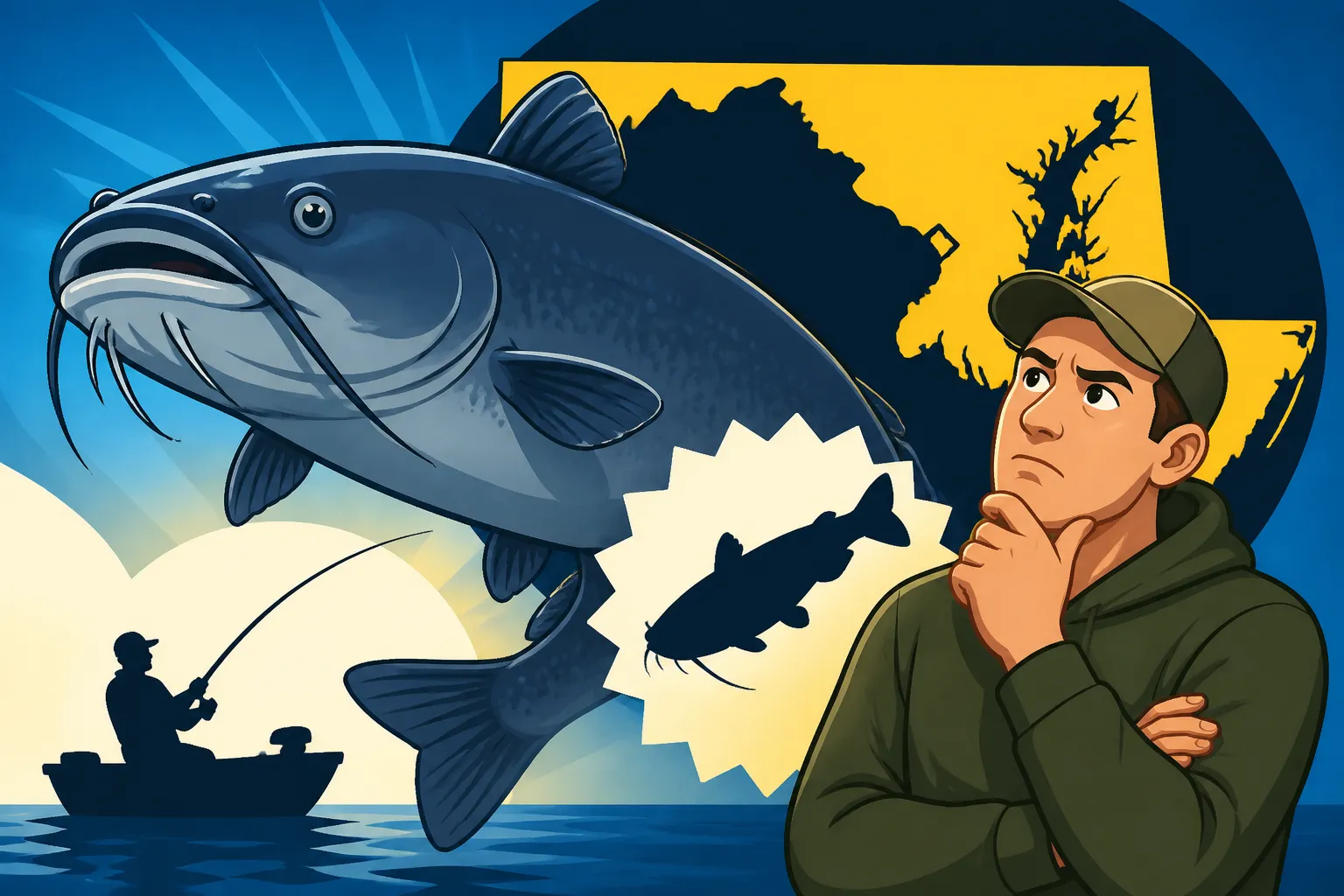
It's a common scene in Maryland: you're out on the water, perhaps targeting rockfish or perch, and then boom – a huge blue catfish takes your bait. You reel it in, marvel at its size, and then might wonder, "Wait, is there even a size limit on these?" Many anglers are used to strict regulations for native species, so the idea of no size or creel limit on a fish can feel a bit counter-intuitive. This guide is here to explain exactly why Maryland has taken such an aggressive stance against blue catfish and how you, as an angler, play a crucial role in managing this invasive species.
Understanding the Blue Catfish Problem in Maryland
For most desirable fish species in Maryland, like striped bass or even our beloved white perch, there are carefully crafted regulations regarding size, creel limits, and seasons. These rules are put in place to ensure the sustainability of the population, allowing fish to reproduce and grow, and protecting the ecosystem. So, when you hear there's no size limit on blue catfish, it’s not an oversight; it’s a deliberate, strategic move by the Maryland Department of Natural Resources (DNR) to combat a serious ecological threat.
The Invasive Nature of Blue Catfish
Blue catfish (Ictalurus furcatus) are not native to Maryland's waters. They were introduced to Virginia rivers, specifically the James, Rappahannock, and York rivers, in the 1970s and 1980s as a new recreational fishing opportunity. Unfortunately, like many non-native species, they thrived a little too well and began to spread rapidly beyond their intended range. These fish are incredibly adaptable, capable of tolerating a wide range of salinities, meaning they can live in everything from freshwater rivers to the brackish waters of the Chesapeake Bay and its tributaries. Their impressive growth rate and voracious appetite have allowed them to establish dominant populations in many of Maryland's major river systems, including the Potomac, Nanticoke, and Choptank Rivers.
What makes them such a problem? These fish are opportunistic omnivores, meaning they'll eat just about anything they can fit in their mouths. This includes native species like white perch, yellow perch, river herring, shad, and even juvenile striped bass – all fish that are vital to the Chesapeake Bay ecosystem and the livelihoods of both recreational and commercial fishermen. Their sheer numbers and rapid spread pose a significant threat, outcompeting native fish for food and habitat, and ultimately disrupting the delicate balance of the Bay. You can learn more about how serious this issue is by checking out our piece on Maryland Invasive Fish Rules: Blue Catfish and Snakehead.
Maryland's Aggressive Management Strategy
Given the severe ecological threat posed by blue catfish, the Maryland DNR has implemented a comprehensive and aggressive management strategy. The core of this strategy is to encourage the maximum possible harvest of blue catfish, with the ultimate goal of population control. This is where the "no size limit" and "no creel limit" come into play. It's not about giving anglers a break; it's about deputizing every fisherman as an active participant in environmental conservation.
The DNR wants every blue catfish caught to be removed from the water. This means whether you catch a tiny foot-long catfish or a monstrous 50-pounder, you are encouraged to keep it. There’s no need to measure it, no need to worry if you’ve caught too many – every single one helps reduce the pressure on native species. This policy is a clear indicator of the urgency Maryland places on mitigating the blue catfish invasion. This contrasts sharply with the careful management of other species, like the Maryland Striped Bass Season and Rockfish Rules, where limits are crucial for sustainability.
What No Size Limit Means for Anglers
The absence of a size limit and creel limit for blue catfish fundamentally changes the fishing experience for this species. It's a call to action, transforming a casual fishing trip into an opportunity for impactful conservation. This policy isn't just about removing fish; it's about creating a positive incentive for anglers to target them.
Encouraging Maximum Harvest
The primary purpose of having no size or creel limit is to maximize the removal of blue catfish from Maryland's waterways. The DNR recognizes that recreational and commercial anglers are on the front lines of this battle. By eliminating restrictions, they remove any barrier that might deter someone from keeping a blue catfish. Imagine reeling in a dozen blue cats; if there were limits, you might stop fishing for them once you hit your quota. With no limits, you're free to keep reeling them in all day long, making a real dent in their population.
This approach has led to some pretty exciting opportunities. For instance, tournaments often focus on blue catfish, sometimes even offering prizes for the most fish caught or the largest cumulative weight. This kind of competitive spirit, combined with the clear directive to remove fish, creates a powerful incentive. Many anglers now specifically target these giants, knowing that every fish kept is a win for the Bay's native populations. The ease of harvest, combined with the fact that they often bite readily, makes them an accessible target for both seasoned anglers and those just starting out. Our guide on Maryland Blue Catfish Possession Rules offers more context on this open harvest policy.
Safety and Consumption of Blue Catfish
With such a strong emphasis on harvesting blue catfish, a natural question arises: are they safe to eat? Generally, yes, blue catfish from Maryland waters are considered safe and quite delicious. They have firm, white, flaky meat with a mild flavor, making them excellent table fare. Many restaurants in Maryland and beyond have even started featuring blue catfish on their menus as a sustainable and tasty option.
However, like with any fish, it's always wise to be aware of consumption advisories, especially for larger, older fish that may accumulate more contaminants over time. The Maryland Department of the Environment (MDE) issues advisories for various fish species and locations based on regular testing. While blue catfish are generally low in contaminants compared to some other species higher up the food chain, it's always a good practice to check the latest MDE advisories, particularly if you're fishing in specific industrial areas or plan to consume large quantities of very large fish. For most recreational anglers, keeping blue catfish for the dinner table is a fantastic way to both enjoy your catch and contribute to ecological balance. You can dive deeper into this topic with Are Blue Catfish Good to Eat From Maryland Rivers?.
Here's a quick comparison of harvest regulations for blue catfish versus a native species like white perch:
| Species | Size Limit | Creel (Daily Bag) Limit | Reason for Regulation |
|---|---|---|---|
| Blue Catfish | None (Any size) | None (Unlimited) | Invasive species; goal is maximum removal to protect ecosystem. |
| White Perch | None | 25 per person | Native species; managed for sustainable recreational harvest. |
| Striped Bass | Varies (Slot Limit) | 1-2 per person (Seasonal) | Native species; highly managed for population health and recovery. |
Note: Regulations are subject to change. Always check the latest Maryland DNR Fishing and Boating Guide for current rules.
Practical Ways Anglers Can Help
Beyond simply keeping every blue catfish you catch, there are specific actions and techniques that can make your efforts even more effective in aiding Maryland's conservation goals. Your participation is a vital part of the solution.
Targeting Blue Catfish Effectively
If you're serious about helping, targeting blue catfish specifically can be very rewarding. These fish are not shy and can grow to impressive sizes, making for exciting battles. They are often found in deeper channels, holes, and along the bottoms of major rivers and their tributaries. Good spots to start include the tidal Potomac River, particularly downstream of Washington D.C., the Choptank River, and the Nanticoke River. These rivers are teeming with them, and you can catch them from boats, piers, or even from shore in many locations.
When it comes to bait, blue catfish aren't particularly picky. Cut bait is king. Pieces of oily fish like herring, shad, or even smaller bluegill or white perch (if legally harvested) are excellent choices. Chicken liver, shrimp, and even hot dogs can also be effective. For gear, a medium-heavy to heavy rod with a baitcasting or spinning reel spooled with strong monofilament or braided line (20-50 lb test) will handle most blue catfish you encounter. A simple bottom rig with a 2-4 ounce sinker and a stout circle hook (sizes 5/0 to 8/0) works wonders. Set your rod in a holder, relax, and wait for that rod tip to bend! For more detailed advice, check out our guide on How to Catch Blue Catfish in the Potomac River. Many anglers find a good cooler, like those found on Amazon, essential for storing their catch throughout the day.
Responsible Handling and What to Do with Your Catch
Once you've caught a blue catfish, the most important rule is: do not release it alive. This is critical to the management strategy. If you're not planning to keep it, it should be humanely dispatched and properly disposed of, though keeping them for consumption is highly encouraged. Releasing them simply allows them to continue their destructive impact on the ecosystem. You can learn more about this by reading Why Maryland Wants Anglers to Kill Invasive Fish.
For those who are keeping them, you have a few options:
- Eat Them: As mentioned, they are delicious! Fillet them and enjoy them fresh, fried, baked, or grilled. You can even find specialized fillet knives on Amazon that make quick work of these fish.
- Donate Them: In some areas, there might be programs or local food banks that accept blue catfish donations. This is a great way to ensure the fish doesn't go to waste and helps feed those in need.
- Process for Bait: While you can use smaller blue catfish as cut bait for larger ones, remember the goal is removal. Don't use them as bait for species you plan to release.
Always remember to handle your catch responsibly. A quality cooler, readily available on Amazon or at local sporting goods stores, will keep your fillets fresh on the boat and on the way home.
The Broader Implications of the "No Limit" Policy
Maryland's decision to remove size and creel limits on blue catfish is a testament to the severity of the invasive species problem. It highlights a critical shift in fisheries management when dealing with non-native threats, moving from conservation-focused regulation to aggressive eradication efforts.
Protecting Native Fish Populations and Ecosystem Health
The core motivation behind the unlimited harvest policy is the protection of Maryland's native fish species and the overall health of the Chesapeake Bay ecosystem. Blue catfish compete directly with valuable native fish like striped bass (our state fish), white perch, and various species of shad and herring for food. They also prey directly on these species, especially their eggs and juveniles. If left unchecked, blue catfish populations could severely diminish or even wipe out local populations of native fish, leading to an impoverished ecosystem and devastating economic consequences for commercial and recreational fishing industries.
By encouraging anglers to remove as many blue catfish as possible, Maryland is actively working to reduce this invasive pressure. This helps to create more food and better survival rates for native fish, allowing them to thrive and maintain their crucial roles in the Bay's complex food web. This proactive management contrasts sharply with the delicate balancing act required for managing species like striped bass, where every regulation, from minimum size to Maryland Rockfish Slot Limit Explained, is designed to maintain a sustainable population.
Economic Impact and Commercial Opportunities
Beyond ecological concerns, blue catfish also pose a significant economic threat. Commercial watermen, who depend on native species for their livelihoods, have seen their catches impacted by the blue catfish explosion. However, the "no limit" policy also opens up new economic opportunities. Commercial fishermen are now permitted, and indeed encouraged, to target blue catfish without restrictions. This has led to the development of a burgeoning commercial fishery for blue catfish, with fish being sold to processors, restaurants, and markets both locally and even exported.
This commercial harvest not only helps reduce the population but also provides a new revenue stream for watermen who might otherwise be struggling due to declining native fish stocks or stricter regulations on other species. Processors are investing in infrastructure to handle the volume, and restaurants are educating consumers about the quality and sustainability of blue catfish as a food source. This shift demonstrates how an ecological problem can, with strategic management, be transformed into an economic opportunity that benefits the community while simultaneously addressing environmental concerns. A sturdy cooler, perhaps from Amazon, is a common tool for both commercial and recreational anglers in this effort.
What Lies Ahead for Blue Catfish in Maryland
The fight against invasive blue catfish is a long-term endeavor, but Maryland is committed to sustained efforts through angler participation, scientific research, and ongoing policy adjustments.
Long-Term Management Goals
Maryland's long-term goal isn't necessarily to completely eradicate blue catfish – that's often an unrealistic expectation for established invasive species. Instead, the focus is on population control and suppression. The aim is to reduce blue catfish numbers to a level where their impact on native species and the ecosystem is minimized. This involves a multi-pronged approach:
- Continued Angler Engagement: Keeping recreational anglers informed and motivated to harvest blue catfish.
- Commercial Fishery Development: Supporting and expanding the commercial harvest to remove large quantities of fish.
- Habitat Restoration: Ensuring native fish have healthy habitats to recover and thrive once blue catfish pressure is reduced.
- Public Awareness: Educating the public about the issue and the importance of not moving or releasing live invasive fish.
The success of this strategy hinges on the collective effort of everyone who cares about Maryland's waters.
Ongoing Research and Monitoring
The Maryland DNR and other scientific institutions continuously monitor blue catfish populations, their spread, and their impact on native species. This involves:
- Population Assessments: Tracking abundance, size distribution, and reproductive success of blue catfish in different river systems.
- Diet Studies: Analyzing stomach contents to understand what they are eating and which native species are most at risk.
- Movement Tracking: Using tagging studies to understand how blue catfish move between different water bodies and salinity levels.
- Environmental Impact Studies: Assessing the broader ecological consequences of the invasion on water quality, benthic communities, and food webs.
This ongoing research is crucial for adapting management strategies as conditions change and for understanding the effectiveness of current policies, including the "no size limit" rule. It allows the state to make informed decisions and fine-tune efforts to protect our precious natural resources. So, the next time you're out fishing and hook into a blue cat, remember, you're not just catching a fish – you're helping preserve the future of Maryland's diverse aquatic ecosystems. Don't forget to pack a sturdy cooler, easily found on Amazon, to bring your contribution to dinner.
Disclaimer
Please remember that fishing regulations, including those related to invasive species like blue catfish, can change. While this guide provides the most current information available, it is always your responsibility to consult the official Maryland Department of Natural Resources (DNR) website or their most recent Fishing and Boating Guide before heading out on the water. Following outdated regulations can lead to penalties.