Maryland Fishing License Options Compared for Occasional Anglers
Trying to figure out which Maryland fishing license you need when you only hit the water a few times a year can feel like navigating a maze blindfolded. You don't want to overspend on an annual license if you'll barely use it, but you definitely don't want to get caught without the proper paperwork, risking fines that could ruin your peaceful day on the water. This comprehensive guide is here to untangle all the options, helping occasional anglers like you pick the perfect, most cost-effective license for your Maryland fishing adventures.
Understanding the Basic Maryland Fishing License Types
Before you even think about hitting those beautiful Maryland waters, whether it's the vast Chesapeake Bay or a quiet Western Maryland stream, you need to understand the fundamental distinctions in the state's licensing system. It’s not just one size fits all, and knowing these basics will save you a headache (and potentially a fine) down the line.
Tidal vs. Nontidal Waters: Why It Matters
One of the biggest distinctions that trips up many occasional anglers is the difference between tidal and nontidal waters. Essentially, Maryland divides its fishing regulations based on whether the water is influenced by the ocean's tides. This distinction isn't just bureaucratic; it reflects different ecosystems, fish species, and management strategies.
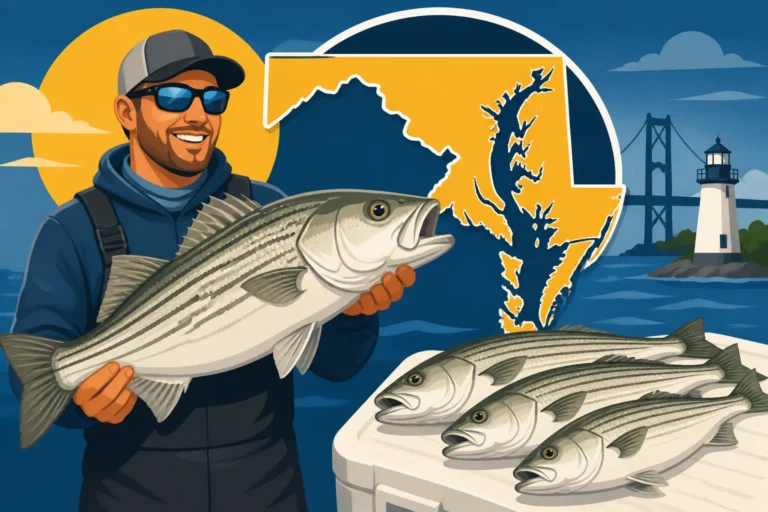
Tidal waters encompass the entire Chesapeake Bay, its tributaries up to the fall line, and the Atlantic Ocean and its coastal bays. Think of the sprawling expanse of the Bay itself, the Patuxent River up to Benedict, the Chester River near Chestertown, or the back bays of Ocean City. If you're planning to chase striped bass, flounder, bluefish, or white perch in these areas, you'll need a Chesapeake Bay and Coastal Bays sport fishing license, which often covers both areas. This license is critical because these waters are heavily managed due to their immense ecological and recreational value. For an occasional angler, this means if your goal is a weekend trip to a spot like Sandy Point State Park or a day of surf fishing at Assateague Island, you're firmly in tidal territory. It’s worth checking out the Maryland Chesapeake Bay Sport Fishing License Explained for a deeper dive into this specific license.
Nontidal waters, on the other hand, are freshwater bodies not influenced by tides. This includes reservoirs like Loch Raven, Liberty, and Deep Creek Lake, as well as rivers like the nontidal sections of the Potomac, the Gunpowder, and countless small streams across the state. If your idea of a perfect fishing day involves casting for largemouth bass, smallmouth bass, trout, or panfish in lakes and rivers, then a nontidal fishing license is what you'll need. The fishing experience here is often quite different, focusing on freshwater species and techniques. For example, if you're visiting Western Maryland and plan to fish Deep Creek Lake for walleye or bass, you'll be dealing with nontidal regulations. The Maryland Department of Natural Resources (DNR) maintains a very clear line between these two types of licenses, and it’s important to understand this distinction. You can read more about it in the Maryland Nontidal vs Tidal Fishing License, Explained guide.
Resident vs. Non-Resident: Your Home Base Dictates Cost
Another fundamental factor in determining your license cost and options is whether you are considered a Maryland resident or a non-resident. This might seem obvious, but for those who split their time or have recently moved, it can be a point of confusion. Maryland law typically defines a resident as someone who has resided in the state for at least six consecutive months immediately preceding their license application. They must also maintain a bona fide domicile in Maryland. So, if you've recently moved to Annapolis and haven't hit that six-month mark yet, you're still considered a non-resident for licensing purposes.
The difference in cost between resident and non-resident licenses is significant. For instance, a resident annual nontidal license is considerably less expensive than its non-resident counterpart. This pricing structure is common across most states and is designed to provide a benefit to those who contribute to the state's tax base and conservation efforts year-round. An occasional angler who lives out of state but enjoys frequent trips to Maryland will find that the non-resident options are tailored to their needs, often offering shorter duration licenses at a more palatable price point than a full annual pass. For instance, if you're a Pennsylvanian who loves fishing the Susquehanna Flats a few times a year, you'll be looking at non-resident rates.
Understanding your residency status is paramount for accurate license purchasing. If you mistakenly purchase a resident license when you are a non-resident, you could face penalties, including fines and the requirement to purchase the correct license. So, take an honest look at your residency to ensure you're on the right side of the law. For specific pricing details, you might want to check out the Maryland Resident Nontidal Fishing License Cost guide.
Tailoring Your License to Your Occasional Fishing Habits
As an occasional angler, you're not out on the water every weekend, or even every month. This means the standard annual license might not be the most economical choice. Luckily, Maryland offers a variety of options designed with flexibility in mind, allowing you to match your license purchase to your actual fishing frequency and duration.
Annual Licenses: Is the Yearly Commitment Worth It?
An annual fishing license in Maryland covers you for a full year, typically from January 1st to December 31st, regardless of when you purchase it. For someone who fishes more than a handful of times, say five or six times a year, or perhaps plans one extended trip and a few shorter ones, an annual license can absolutely be worth it. It provides peace of mind; once you buy it, you don't have to worry about renewal or purchasing a new short-term license for each outing. Just grab your gear, check the regulations, and go.
However, for the truly occasional angler—someone who might only wet a line two or three times a year—an annual license can feel like an overinvestment. If you only plan to fish during specific family vacations or a couple of single-day outings, you might find yourself paying for twelve months of coverage when you only utilize a few days. For example, if you visit Deep Creek Lake for a long weekend in July and then maybe fish the Chesapeake Bay for a single day in September, the annual cost, while not exorbitant, might still exceed what you'd pay for short-term options combined.
Another point to consider is that Maryland annual fishing licenses typically expire on December 31st of the year they are issued. This means if you buy an annual license in October, you're only getting three months of coverage before it needs to be renewed. This detail is important for occasional anglers who might consider a late-season purchase; a short-term license might be a better value if you're only planning one or two more trips before the new year.
Short-Term Options: Flexibility for Weekend Warriors
For the ultimate occasional angler, Maryland's short-term fishing licenses are a game-changer. These are designed specifically for those quick getaways, spontaneous fishing trips, or vacation visits where a full annual commitment doesn't make sense. The most common options are the 3-day and 7-day licenses, offering fantastic flexibility.
Imagine you're taking a family vacation to Ocean City for a week. You might want to spend a day or two fishing the back bays for flounder or dropping a line off a pier. In this scenario, purchasing a 7-day non-resident tidal license makes perfect sense. It covers you for the duration of your fishing activities without forcing you to buy a full annual license. Similarly, if you're a Maryland resident just planning a quick weekend camping trip to a state park with a lake, a 3-day nontidal license could be ideal. It provides the necessary coverage for your short excursion at a fraction of the annual cost. These short-term licenses are also perfect for trying out fishing in Maryland for the first time without a major commitment.
The cost efficiency of these short-term licenses is their main appeal. While the per-day cost might be slightly higher than breaking down an annual license, the overall outlay is much smaller, aligning perfectly with limited fishing frequency. This allows you to allocate your budget more towards quality gear—perhaps a new fishing rod or a more comfortable fishing chair, both readily available on Amazon—rather than an underutilized annual permit. You can find more detailed information on these options in the Maryland 7-Day Fishing License Options guide. They truly cater to the "weekend warrior" or the angler who only has a few specific dates in mind throughout the year.
Consolidated Sport & Combination Licenses: When Less is More
Beyond the basic tidal and nontidal licenses, Maryland also offers consolidated and combination licenses. These are typically aimed at anglers who engage in multiple outdoor activities or want to simplify their licensing process. While perhaps less relevant for a strictly occasional angler focused solely on fishing, they can be incredibly beneficial if your "occasional" outdoor hobbies extend to hunting or crabbing.
The Consolidated Sport Fishing License, for example, bundles both the statewide Chesapeake Bay and Coastal Bays fishing license with the nontidal fishing license into one single permit. For an occasional angler who might visit both tidal and nontidal waters in the same year—say, a spring trout fishing trip in Western Maryland and a fall rockfish trip on the Bay—this consolidated option can be very convenient. Instead of buying two separate annual licenses, you get one comprehensive package. It simplifies the paperwork and ensures you're covered no matter where your rod takes you in Maryland. While the initial cost is higher than a single tidal or nontidal license, it's often less than buying both separately.
Then there are combination licenses, most notably the crabbing and fishing combo. If you're someone who enjoys dropping a few crab pots alongside your occasional fishing outing, this license could be a smart move. It covers both recreational fishing and crabbing activities, again consolidating your permits into one. For an occasional angler who also enjoys catching a few blue crabs for dinner, this combined license simplifies compliance and can represent a cost saving over buying individual licenses. If you're thinking about dabbling in both, you'll definitely want to look into the Maryland Crabbing and Fishing Combination License. These integrated options are Maryland's way of making it easier for multi-sport enthusiasts, ensuring you spend less time worrying about licenses and more time enjoying the state's natural bounty.
Special Considerations for Occasional Anglers
Navigating Maryland's fishing regulations isn't just about picking the right base license; there are other important factors that can affect occasional anglers, from specific endorsements to situations where no license is needed at all. Being aware of these can save you money and ensure a smooth, enjoyable fishing experience.
Trout Stamps and Other Endorsements: Don't Get Caught Off Guard
For many occasional anglers, especially those who only fish a few times a year, special endorsements like a "trout stamp" might seem like an unnecessary extra. However, if your occasional fishing adventures take you to certain types of water, this stamp becomes absolutely mandatory, regardless of your intent to keep fish.
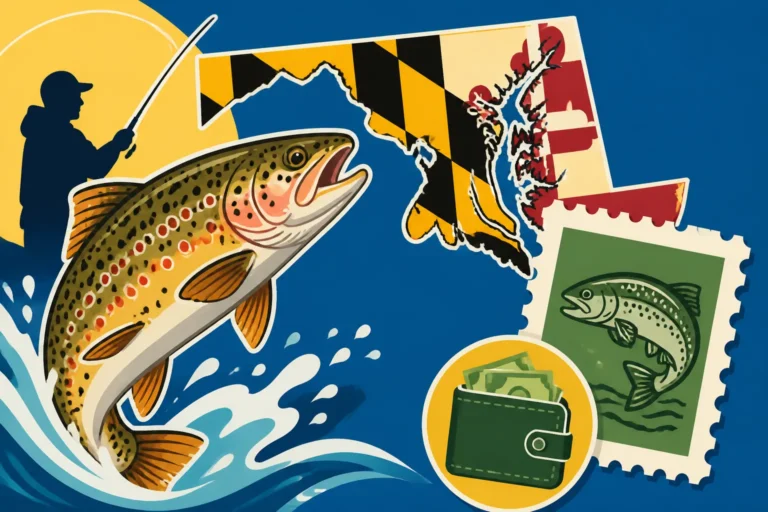
A Maryland trout stamp is required if you plan to fish in any designated trout management area, which includes put-and-take trout streams, delayed harvest areas, and catch-and-release trout-only sections. It doesn't matter if you're planning to keep a limit of rainbow trout or if you intend to practice strict catch-and-release fly fishing; if you're in one of these areas, you need that stamp. These specific waters are often managed intensely by the DNR to support trout populations, and the revenue from trout stamps helps fund these vital conservation and stocking efforts. For an occasional angler, this means if your annual trip is to a beautiful spot like the Gunpowder River or a stocked stream in Western Maryland, you must add the trout stamp to your base nontidal license. Even if you're just enjoying the scenery and not actively targeting trout but happen to be in a designated trout area, it's best to have it.
The good news is that adding a trout stamp is typically a small additional fee, but it's one that can lead to a significant fine if overlooked. Make sure to check the Maryland DNR fishing guide or website for specific trout management area maps and rules before you head out. Don't let a small oversight turn your peaceful outing into a costly mistake. You can learn more about this specific requirement in the Maryland Trout Stamp Requirements guide.
Free Fishing Days and Exemptions: Making the Most of No-License Opportunities
Sometimes, as an occasional angler, you might not need a license at all! Maryland offers specific "Free Fishing Days" each year, typically in June and July, where residents and non-residents alike can fish in Maryland's tidal and nontidal waters without needing a license. These days are a fantastic opportunity for families, beginners, or those who truly only fish once or twice a year to enjoy the sport completely free of charge. It's a perfect chance to introduce kids to fishing or just enjoy a stress-free day on the water. These days are often promoted by the DNR well in advance, so keep an eye on their calendar. You'll find more details about these opportunities in the Maryland Free Fishing Days article.
Beyond these special days, there are also age-based exemptions. In Maryland, children under the age of 16 are generally not required to possess a fishing license. This is wonderful news for families, as it means you can take your kids, grandkids, or nieces and nephews out fishing without having to worry about purchasing licenses for them. This exemption applies whether you're fishing from shore, a boat, or a pier. It makes fishing a much more accessible and affordable activity for younger generations. For parents or guardians, it's a huge relief not to have to navigate additional paperwork for the little ones. You can get specifics on this in the Do Kids Need a Fishing License in Maryland? guide.
However, even on free fishing days or for exempted individuals, all other fishing regulations still apply. This includes size limits, creel limits, season dates, and gear restrictions. So, while the license requirement is waived, you still need to be informed about what you're catching and how to legally handle it. Don't assume "free fishing" means "no rules." It's merely a waiver of the license fee. Remember, even during these license-free periods, adherence to conservation rules is key for sustainable fishing, as detailed in Can You Fish in Maryland Without a License on Free Fishing Days?.
Piers and Charter Boats: License Requirements on Shared Waters
For many occasional anglers, fishing from a public pier or hopping on a charter boat is a popular and convenient way to get on the water without owning a boat or extensive gear. The good news is that in many of these situations, you might not need your own personal fishing license.
When it comes to public fishing piers that are operated by state or local governments, many of these facilities hold a special blanket license that covers all anglers fishing from their structure. This means that if you're casting a line from a designated licensed fishing pier, you typically do not need your own individual Maryland fishing license. This is a fantastic benefit for occasional anglers, as it makes these spots incredibly accessible. However, it's crucial to verify this before you go. Always check with the specific pier's management or the Maryland DNR's website, as not all piers are covered, and regulations can change. For example, some privately owned piers might still require individual licenses. For clarity on this, consult Do You Need a License to Fish From a Maryland Pier?.
Similarly, if you book a trip on a licensed charter boat or head boat in Maryland, the vessel itself and its captain hold a master license that covers all paying passengers. This is incredibly convenient for an occasional angler, as it means you don't need to purchase your own tidal or nontidal license for that trip. The cost of your "license" is effectively built into the charter fee. This is especially helpful for those who only plan one or two guided trips a year. Charter boats often provide all the necessary gear, bait, and expert guidance, making them ideal for a hassle-free fishing experience. Just show up, fish, and let the captain handle the licensing. This aspect of charter fishing is particularly attractive to those new to the sport or visiting from out of state. More information on this specific coverage can be found in Does the Charter Captain's License Cover Passengers in Maryland?.
While these exemptions for piers and charter boats are a boon for occasional anglers, remember that all other fishing regulations (size, creel limits, seasons) still apply to your catch. The captain of a charter boat will be an expert on these, but if you're on a pier, you're responsible for knowing the rules.
Choosing the Right Option and Where to Buy
With so many variables—tidal vs. nontidal, resident vs. non-resident, annual vs. short-term, plus stamps and exemptions—it's easy to feel overwhelmed. But for the occasional angler, the goal is simple: get the necessary coverage without overspending. Let's simplify the decision-making process.
A Decision Matrix for Occasional Anglers
To help you quickly determine the best license for your specific, occasional fishing needs, here's a handy matrix. Think about where and how often you typically fish in Maryland.
Scenario for Occasional Angler Residency Water Type Frequency/Duration Recommended License Option(s) Key Considerations
A few times a year for recreation, some to multiple days Tidal or Nontidal (or both) 2-4 fishing trips, occasional weekend getaways Annual Consolidated Sport Fishing License or tailored short-term licenses. Best value depends on frequency and scope. Annual might save money if you fish ~5+ times/year in different waters. Short-term for fewer, isolated trips.
Weekend Getaway Angler Resident or Non-Resident Tidal or Nontidal 1-2 times a year, typically 3-7 day trips 3-Day or 7-Day Nontidal or Chesapeake Bay/Coastal Bays license Perfect for focused short trips. Consider the type of water you'll be on (e.g., Deep Creek Lake for nontidal, Ocean City for tidal).
"Just the Bay" Angler Resident or Non-Resident Tidal (Chesapeake Bay & tributaries) 3-5 times a year Annual Chesapeake Bay & Coastal Bays license OR multiple 3-Day/7-Day Tidal licenses If consistent Bay fishing, annual is likely cheaper. If few and far between, short-term can still be economical.
"Just Freshwater" Angler Resident or Non-Resident Nontidal (lakes, rivers, reservoirs) 3-5 times a year Annual Nontidal Fishing License OR multiple 3-Day/7-Day Nontidal licenses Similar to Bay-only, annual makes sense if you have consistent freshwater outings. Don't forget a Trout Stamp if targeting specific waters!
Pier or Charter-only Angler Any Tidal or Nontidal Highly occasional No personal license likely needed (covered by pier/charter) Always confirm with the specific pier or charter captain if they hold a blanket license. This is the ultimate "occasional" angler perk.
Free Fishing Day Enthusiast Any Tidal or Nontidal 1-2 times a year (only on designated days) No license needed on Free Fishing Days No cost, but all other regulations (size, creel limits) still apply. Perfect for introducing someone new to the sport.
Combined Hunter/Crabber Resident Tidal and/or Nontidal Occasional fishing, also hunts/crabs Consolidated Sport Fishing License + Crabbing Endorsement, or specific Combo License Consolidates multiple outdoor activities. Check the specific bundle that suits your needs.
This matrix should give you a clear starting point. The biggest takeaway for an occasional angler is that if you fish fewer than 4-5 times a year, especially if those trips are short (1-3 days), then opting for the short-term 3-day or 7-day licenses will almost always be more cost-effective than an annual pass. If your plans are a bit more robust, or if you plan to hit both freshwater and saltwater, the annual consolidated license offers great value.
Easy Ways to Purchase Your Maryland Fishing License
Once you've decided on the best license for your occasional outings, actually buying it is incredibly straightforward. Maryland DNR has made it very convenient to acquire your license, whether you prefer the ease of online purchasing or the personal touch of a local vendor.
The most popular and often easiest way to buy your Maryland fishing license is online through the Maryland Department of Natural Resources (DNR) Compass portal. This official website allows you to purchase all types of fishing licenses and stamps from the comfort of your home, 24/7. You simply create an account, select the license you need, pay with a credit card, and you can usually print a temporary license immediately or save it digitally to your phone. This method is fantastic for spur-of-the-moment decisions or for securing your license well in advance of a planned trip. It saves you a trip to a physical store and ensures you have your license in hand (or on your device) before you even leave the house. Many anglers find this the most convenient method, and you can learn more about it in the Buying a Maryland Fishing License Online guide.
If you prefer a more traditional approach, or if you need to pick up some last-minute bait and tackle, you can also purchase your license in person from a wide network of authorized license agents across the state. These agents include many local tackle shops, sporting goods stores (like larger retailers), and some even at convenience stores or county clerk's offices. Visiting a local tackle shop is often a great experience, as the staff can provide up-to-date local fishing reports, recommend specific baits or lures (which you might also find a great selection of on Amazon for future trips!), and offer valuable advice on fishing in the area. Just be sure to bring a valid form of identification. For specific locations, the DNR website usually provides a searchable list of authorized vendors. For a complete rundown on how and where to purchase, check out the How to Buy a Maryland Fishing License guide.
No matter which method you choose, make sure to keep a copy of your license with you when you're fishing. A physical copy is always reliable, but a clear digital image on your smartphone is usually accepted by law enforcement officers. The goal is to make sure you're legally prepared for your next Maryland fishing adventure, however occasional it may be.
Disclaimer
Please remember that fishing regulations, license requirements, and costs are subject to change by the Maryland Department of Natural Resources (DNR). While this guide provides comprehensive and up-to-date information, it is always recommended to consult the official Maryland DNR website or their current fishing guide for the most accurate and recent regulations before heading out to fish. This content is for informational purposes only and does not constitute legal advice.