Do Seniors Need a Fishing License in Maryland?
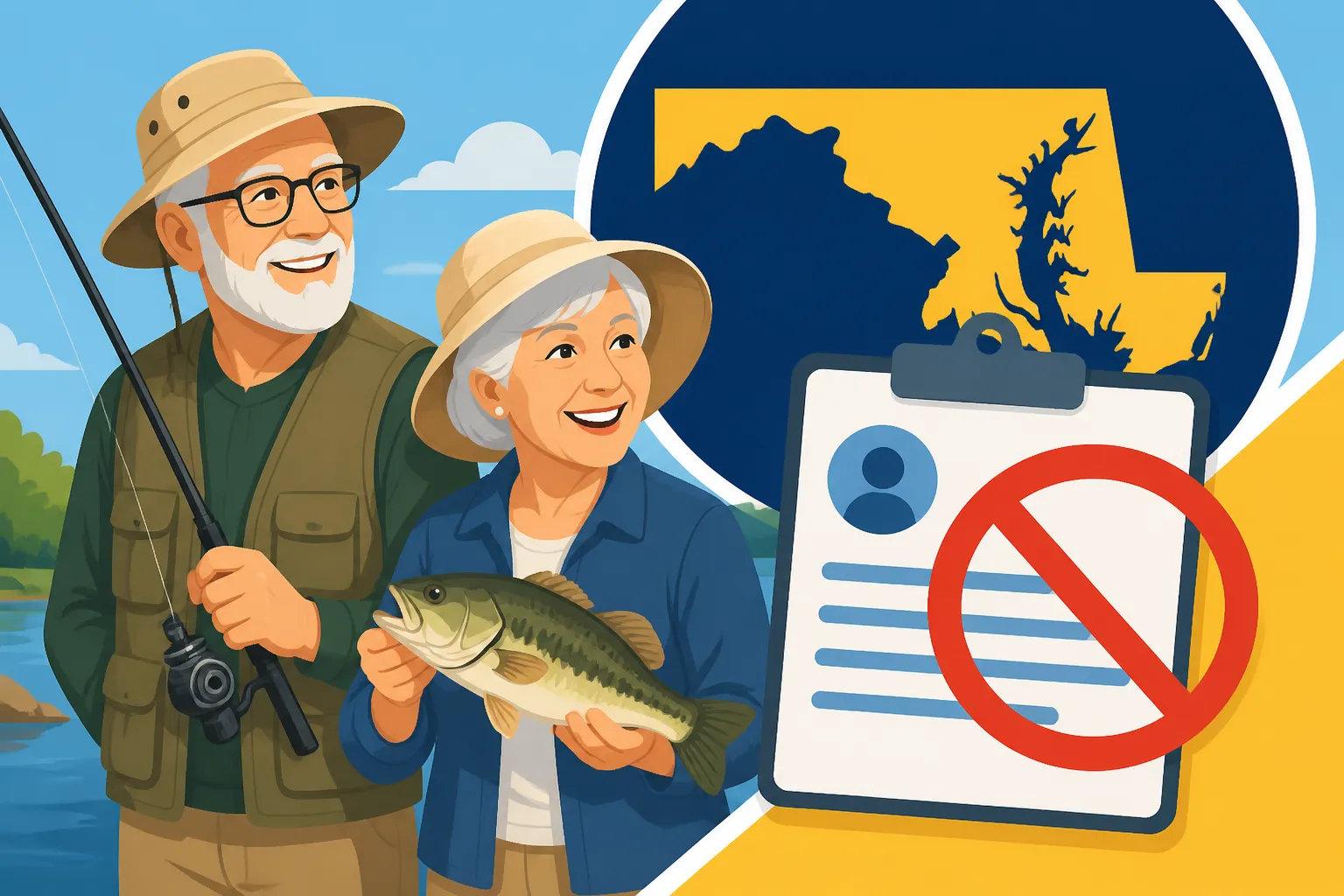
Navigating the world of fishing licenses can feel like trying to untangle a particularly stubborn knot in your line, and for many senior anglers in Maryland, there’s often confusion about whether they even need one. It's a common frustration, wondering if after years of contributing, you still have to jump through hoops just to enjoy a peaceful day on the water. This comprehensive guide will clear up all the specific requirements for seniors to fish legally in Maryland, detailing special licenses, exemptions, and how to get everything squared away so you can focus on reeling in your next big catch.
The General Rule for Senior Anglers in Maryland
Let's cut right to the chase because nobody wants to waste time or, worse, accidentally break a rule. In Maryland, the general rule is that most senior citizens do, in fact, need a fishing license to fish in the state's waters. This often comes as a surprise to folks who assume a certain age exempts them entirely, like it might in other states. The Maryland Department of Natural Resources (DNR) has specific age thresholds and residency requirements that determine who needs what.
It's easy to assume that once you hit a certain age, you're automatically free to cast a line without any paperwork. Unfortunately, Maryland's rules aren't quite that simple. The state aims to manage its fisheries effectively, and license sales are a crucial part of funding conservation efforts, stocking programs, and enforcement. So, while the spirit of getting older might imply fewer obligations, when it comes to fishing in Maryland, there's usually still a little bit of red tape to navigate, albeit with some significant benefits and discounts for seniors. It's all about making sure we preserve those fishing opportunities for generations to come, and that takes resources.
Age Thresholds and What They Mean
The specific age that typically triggers eligibility for senior-specific licenses in Maryland is 65 years old. Once you reach this milestone, you become eligible for the special "Senior Consolidated Sport Fishing License." Before 65, you're considered a regular adult angler and would need to purchase the standard resident or nonresident licenses. The reason for this 65-year-old benchmark is pretty common across many state programs, offering a standardized age for senior benefits.
It's important to remember that this age isn't a free pass but rather an eligibility marker for a specific, often discounted, license. If you're 64 and planning your retirement fishing trips, you'll still need a regular adult license until your 65th birthday rolls around. Then, you can apply for the senior consolidated option. This small detail can easily be overlooked, leading to confusion. Always double-check your age against the current year's regulations to ensure you're applying for the correct license type.
Resident vs Non-Resident Senior Status
Maryland differentiates significantly between residents and non-residents when it comes to all fishing licenses, and senior licenses are no exception. To qualify for the Maryland Resident Senior Consolidated Sport Fishing License, you must be a Maryland resident and 65 years of age or older. A Maryland resident is generally defined as someone who has resided in the state for at least six consecutive months immediately prior to applying for a license. This means showing proof of residency is crucial when purchasing your license.
If you're a non-resident senior, perhaps visiting from a neighboring state like Pennsylvania or Delaware, the rules are different. While you might be 65 or older, you won't be eligible for the Maryland Resident Senior Consolidated Sport Fishing License. Instead, non-resident seniors will need to purchase a standard non-resident fishing license. These can be annual, 7-day, or even 3-day options, depending on the length of your stay. The cost difference between resident and non-resident licenses can be quite substantial, so it's always worth ensuring your residency status is accurately reflected. For instance, you might want to look into Maryland Nonresident Fishing License Cost if you're planning a trip.
Understanding the Maryland Senior Consolidated Sport Fishing License
This is the big one for Maryland residents! The Maryland Senior Consolidated Sport Fishing License is designed specifically for resident anglers aged 65 and older. It's a fantastic option because it bundles several common fishing permits into one convenient, and significantly discounted, license. This consolidation is a huge benefit, simplifying what could otherwise be a confusing process of buying multiple stamps and permits.
Think about it: instead of needing a separate freshwater license, a Chesapeake Bay sport fishing license, and possibly a trout stamp, this one license often covers the vast majority of your angling needs across the state. It's truly designed to make fishing more accessible and affordable for those who have dedicated a lifetime to their communities and, often, to the sport itself. This streamlines the process, so you don't have to worry about missing a specific endorsement for a particular body of water. For a deeper dive into what's covered, checking out the details on Maryland Chesapeake Bay Sport Fishing License Explained can be helpful.
Benefits and Coverage of the Consolidated License
The primary benefit of the Senior Consolidated Sport Fishing License is its comprehensive coverage. Generally, it includes:
- Non-tidal (Freshwater) Fishing Privileges: This allows you to fish in lakes, rivers, and streams throughout Maryland that are not influenced by the tide, covering popular spots like Deep Creek Lake, Prettyboy Reservoir, and countless smaller ponds and streams.
- Tidal Water (Chesapeake Bay and Tributaries) Fishing Privileges: This permits fishing in the vast waters of the Chesapeake Bay, its tidal rivers, and coastal bays. This is crucial for anyone looking to chase striped bass (rockfish), white perch, bluefish, or flounder.
- Trout Stamp: This is a critical inclusion, as a separate trout stamp is typically required to fish in designated trout management areas, including put-and-take and delayed harvest streams. The fact that it's bundled in makes it incredibly convenient for seniors who enjoy trout fishing. Without it, you would need to purchase a Maryland Trout Stamp Cost for Residents and Nonresidents separately.
This bundled approach saves money and reduces administrative hassle. Imagine having to remember three different pieces of paper or digital permits. The consolidated license simplifies all of that into one easy-to-manage document, letting you focus on the fishing, not the paperwork. This all-encompassing nature makes it the best value for Maryland resident seniors who plan to fish regularly in various types of waters.
How the Senior Consolidated License Differs
The key differences between the Senior Consolidated Sport Fishing License and other standard licenses are primarily cost and scope. For instance, a regular adult resident might need to buy a Nontidal Fishing License and a Chesapeake Bay & Coastal Sport Boat License and a Trout Stamp, each costing a separate fee. The senior consolidated license wraps all of these into one annual fee, which is significantly lower than the combined cost of the individual components.
For example, a resident annual nontidal license might cost around $20.50, and a resident Chesapeake Bay & Coastal Sport Boat License (which covers you if you're fishing from a boat) is roughly $15. If you add a trout stamp at around $5.00, you're looking at over $40.00. The Senior Consolidated Sport Fishing License typically costs only around $5.00, representing substantial savings for frequent anglers. This isn't just a small discount; it's a huge financial break that acknowledges the fixed incomes many seniors live on. It’s also often valid for a full calendar year, from January 1st to December 31st, regardless of when you purchase it, unlike some other licenses that might last 365 days from the purchase date. This makes planning your fishing year straightforward. You can compare this to the general Maryland Resident Nontidal Fishing License Cost.
Exemptions and Special Considerations
While most seniors will need the Senior Consolidated Sport Fishing License, there are a few specific scenarios where you might be exempt from needing a license altogether, or where your license requirements are covered by someone else. These exemptions are important to understand to avoid unnecessary purchases or, conversely, accidentally fishing without proper authorization.
It's common for anglers to hear about various "loopholes" or special cases, and sometimes these urban legends aren't quite accurate. However, Maryland does have clearly defined exemptions that can benefit seniors, especially those who might not fish very often or in very specific circumstances. Knowing these can save you a few bucks or a lot of worry. Don't just assume; always confirm with the official DNR regulations.
Fishing on Free Fishing Days
Maryland offers specific "Free Fishing Days" each year, typically in June and July. On these designated days, anyone—resident or non-resident, young or old—can fish in the state's tidal and nontidal waters without needing a license. This is a fantastic opportunity for seniors who only get out on the water occasionally, or who want to introduce grandchildren to fishing without the upfront cost of a license.
These days are advertised well in advance by the Maryland DNR, often coinciding with popular fishing events or holidays. It's a wonderful initiative to encourage participation in angling and allow everyone to experience the joy of fishing without the barrier of a license fee. Just be sure to check the exact dates each year, as they can vary slightly. You can find more information by searching for What Free Fishing Days Are Available in Maryland This Year. Remember, while the license requirement is waived, all other fishing regulations, such as size and catch limits, still apply!
Licensed Charter Boats and Public Piers
This is another common area of confusion, and it’s especially relevant for seniors who might prefer a more structured fishing experience.
-
Fishing Aboard a Licensed Charter Boat: If you are fishing as a paying passenger on a charter boat that holds a valid Maryland Chesapeake Bay Sport Fishing Charter Boat License, you generally do not need your own individual fishing license. The charter boat's license covers all paying passengers onboard. This is a significant convenience, as it means you just pay your charter fee and show up ready to fish, with all licensing handled by the captain. This is perfect for a hassle-free day out on the Bay or ocean. Details on this can be found under Does the Charter Captain's License Cover Passengers in Maryland?.
-
Fishing from Licensed Public Piers: Maryland also has a provision for certain public fishing piers. If you are fishing from a public pier that is licensed by the Department of Natural Resources (DNR), you are generally exempt from needing an individual fishing license. These piers usually pay a bulk license fee to the state, which then covers anyone fishing from them. However, it's absolutely crucial to confirm if a specific pier is indeed licensed. Don't assume! Look for signage at the pier or check the DNR website. Piers like those at Sandy Point State Park often fall into this category, but it's always best to verify. This can be a great option for seniors who enjoy shore fishing but don't own a boat. To clarify, you can also look into Do You Need a License to Fish From a Maryland Pier?.
Specific Property Exemptions
There are a few other, less common, exemptions that might apply, although these usually don't apply to the average senior angler seeking broad access:
- Private Ponds (Owned by You or a Direct Family Member): If you are fishing in a private pond that is entirely enclosed on your own property, or the property of a direct relative, and there is no direct public access to fishable water, you typically do not need a license. The key here is "entirely enclosed" and "no direct public access." This usually refers to small, isolated farm ponds.
- Riparian Rights: Landowners and their immediate family members (spouses, children, grandchildren, parents) may fish without a license from their own private property within the non-tidal waters adjoining their property. This doesn't apply to tidal waters, where specific licenses are usually still required even from private property.
- Commercial Aquaculture Operations: If you are part of a licensed commercial aquaculture operation and only fishing within the scope of that operation, specific exemptions may apply, but this is highly specialized and not relevant for recreational anglers.
For the vast majority of seniors, relying on the Senior Consolidated Sport Fishing License or fishing on a licensed charter/pier during free days will be the most common and practical scenarios. It’s always best practice to check the current Maryland DNR Fishing and Boating Guide, which you can usually find online or sometimes even on the "Amazon" store for physical copies, just to be sure.
How to Obtain and Renew a Senior Fishing License
Getting your Maryland Senior Consolidated Sport Fishing License is a straightforward process, designed to be as user-friendly as possible. Whether you prefer the convenience of online transactions or a more traditional in-person visit, the Maryland DNR has options available.
It's common to feel a little intimidated by official procedures, especially if you're not entirely tech-savvy. But don't worry, the system is set up to guide you through it. Just gather your documents beforehand, and you'll be casting lines legally in no time. Plus, once you've done it the first time, renewing it becomes even easier.
Online Purchase and In-Person Options
Maryland offers several convenient ways to purchase your Senior Consolidated Sport Fishing License:
- Online Through the Maryland DNR Compass System: This is by far the most popular and easiest method for many. The Maryland Department of Natural Resources has an online licensing portal called Compass. You simply visit their website, create an account (if you don't have one already), navigate to the fishing license section, and select the "Resident Senior Consolidated Sport Fishing License." You'll need to enter some personal information, including proof of residency and age. The system is designed to be intuitive, walking you step-by-step through the process. Once purchased, you can often print a temporary license immediately, and a permanent one will be mailed to you. This is also how many anglers handle their Buying a Maryland Fishing License Online.
- In-Person at Licensed Agents: For those who prefer a face-to-face transaction or don't have easy access to a computer, you can purchase your license from any authorized Maryland DNR license agent. These agents are typically found at sporting goods stores, bait and tackle shops, and sometimes even at larger retail stores across the state. They have the capability to issue licenses on the spot. Just bring your identification and proof of residency. You can often locate nearby agents through the DNR website. This is a common way for anglers to get their Maryland Fishing License Renewal handled as well.
- By Mail: While less common now with online and agent options, it is still technically possible to purchase or renew some licenses by mail. You would need to download and print an application form from the DNR website, fill it out, and mail it along with a check or money order. This method typically takes the longest, so it's not recommended if you need your license quickly.
When renewing your license, the process is very similar. The online Compass system makes it especially simple, often pre-populating your information from previous years, so it's just a matter of reviewing and paying. Most annual licenses expire on December 31st each year, so it's a good idea to mark your calendar for renewal around late fall or early winter.
Documentation Needed for Senior Licenses
To ensure a smooth process when purchasing your Maryland Senior Consolidated Sport Fishing License, it's essential to have the correct documentation ready. The primary requirements are:
- Proof of Age: You'll need to demonstrate that you are 65 years of age or older. A valid driver's license, state-issued ID card, or passport are generally accepted.
- Proof of Maryland Residency: This is crucial to qualify for the resident senior rate. A valid Maryland driver's license or state-issued ID card that shows your Maryland address is usually sufficient. If your driver's license doesn't reflect your current address, you might need to provide supplementary documents like a utility bill (gas, electric, water), a property tax bill, or a voter registration card, all showing your name and Maryland address.
It’s always a good idea to have both a photo ID and a secondary proof of address just in case, especially if you're dealing with an agent in person. Make sure the names on all documents match exactly to avoid any hiccups. The DNR website or "Amazon" for fishing guides can be excellent resources to double-check these requirements before you head out to purchase your license.
Remember, the goal is to make sure you're legally prepared for your fishing adventures. Taking a few minutes to gather your documents and understand the process will save you potential headaches down the line.
Here’s a quick overview of Maryland's license types and costs for seniors:
| License Type | Eligibility | Estimated Annual Cost (2024-2025) | Coverage | Notes |
|---|---|---|---|---|
| Resident Senior Consolidated Sport Fishing | MD Resident, 65+ years old | ~$5.00 | Non-tidal, Tidal, Chesapeake Bay, Trout Stamp | Best value for resident seniors, covers most fishing in MD. |
| Nonresident Annual Fishing License | Non-MD Resident, Any Age | ~$70.00 | Non-tidal (freshwater) only or Tidal (saltwater) only. Full combo is more. | Required for non-resident seniors; no specific "senior" discount. |
| Nonresident 7-Day Fishing License | Non-MD Resident, Any Age | ~$12.00 – $20.00 | Varies by type (tidal or nontidal) | Good for shorter visits; often purchased by visitors from nearby states. |
| Fishing on Licensed Charter Boat | All anglers, on licensed charter | $0 (covered by charter fee) | Varies by charter's license | No individual license needed when paying to fish on a licensed charter. |
| Fishing from Licensed Public Pier | All anglers, from approved pier | $0 (covered by pier's license) | Pier-specific, check signage | Must confirm the specific pier holds a DNR public pier license. |
| Free Fishing Days | All anglers, on designated days | $0 | All public tidal and nontidal waters | Check DNR for specific dates annually; all other regulations apply. |
Note: Costs are approximate and subject to change by the Maryland Department of Natural Resources. Always verify current prices on the official DNR website.
Disclaimer
The information provided in this guide is for general informational purposes only and does not constitute legal advice. Fishing regulations, license requirements, and fees in Maryland can change, sometimes without extensive public notice. It is always the responsibility of the individual angler to consult the most current Maryland Department of Natural Resources (DNR) regulations and guidelines before fishing. Relying solely on this or any other third-party information could result in violations and penalties.