What Happens to Extra Fish Caught on a Charter
One common concern that pops up when a group of eager anglers boards a fishing charter in Maryland is, "What happens if we catch too many fish?" It's a great problem to have, of course, but it can lead to confusion about who gets to keep what, especially when everyone on board is having a fantastic day and the fish are biting. This guide is here to clear up any misunderstandings about managing your catch on a Maryland fishing charter, ensuring everyone knows the rules and what to expect when you hit the dock with a cooler full of fish.
Understanding Maryland's Fishing Regulations and Daily Limits
Let's get this straight right off the bat: Maryland's fishing regulations, specifically daily catch limits and size restrictions, apply per individual angler, not per boat. This is a crucial distinction that often surprises first-time charter guests. You might assume that if the boat has six people, you can pool your collective catch and divvy it up evenly, but that's not how it works legally. Each person on board is responsible for adhering to their individual daily bag limit for each species targeted.
For example, if the current regulation allows one striped bass per person within a specific slot limit, then each individual angler on that boat is permitted to keep one striped bass. If one person catches two legal-sized striped bass, they can only keep one, and the second one must be released. It doesn't matter if their buddy next to them hasn't caught anything yet; they cannot transfer their "extra" fish to another person's limit. This rule is in place to ensure fair harvest practices and to protect fish populations from overfishing. It's a system designed for sustainability, and your charter captain is legally obligated to enforce it. Understanding Maryland Fishing Size and Catch Limits by Species is paramount for any angler, especially on a charter trip where multiple people are fishing simultaneously.
This individual limit system often means that on a really productive day, you might find yourselves releasing perfectly good fish that are over your personal limit. While it can feel a bit counterintuitive to let a beautiful fish go, it’s a necessary part of conservation. The concept of "extra" fish, then, primarily refers to those legal-sized fish caught after an individual angler has reached their personal daily limit. These are the fish that must be released, often referred to as "catch and release." Your captain will usually provide guidance on proper catch and release techniques to give these fish the best chance of survival.
The Charter Captain's Role in Fish Management
Your charter captain is much more than just a skilled boat operator and fish finder; they are also your on-the-water guide to Maryland's fishing laws. They are typically seasoned professionals who know the regulations inside and out, from Maryland Striped Bass Season and Rockfish Rules to the specific limits for flounder or perch. Their primary responsibility, beyond putting you on the fish, is ensuring that everyone on board complies with all state and federal fishing regulations. This means they will be actively monitoring the catch, ensuring that fish are measured correctly, and that no one exceeds their individual daily limit.
When you're reeling in fish left and right, it can be easy to lose track, but your captain and mate are there to help. They'll often keep a running tally of legal fish kept by each angler. If an angler hits their limit, the captain will make sure they are aware, and any subsequent fish of that species that are legal to keep will need to be released. There's no such thing as a "boat limit" that allows for more fish overall simply because it's a charter. Each individual's creel limit is paramount. So, while a charter boat holds a specific Maryland Charter Boat License Coverage for Passengers that covers everyone on board for basic fishing privileges, it doesn't grant special allowances for collective catch limits beyond individual angler entitlements.
This strict adherence to individual limits is why it's so important to listen to your captain's instructions. They are often asked, "Can we just put all the fish in a pile and split them evenly at the end?" The answer is almost always no, because that would imply that some individuals kept fish over their limit, which is illegal. Reputable charter services, like those you might find listed on platforms like FishingBooker, make it a point to clearly communicate these rules upfront to avoid any disappointment or legal issues at the end of the trip. They want you to have a great time and go home with your legal share, but within the confines of the law.
Think of the captain as the ultimate referee for responsible angling. They're looking out for the long-term health of Maryland's fisheries, which benefits everyone who loves to cast a line. This proactive approach to managing the catch on board helps ensure that fishing remains a sustainable and enjoyable pastime for years to come.
Options for "Extra" Fish: Catch and Release and Ethical Considerations
So, you've hit your limit for a particular species, but the fishing is still hot. What happens to those "extra" fish? The clear and concise answer is: they must be released. Catch and release is not just a polite suggestion; it's a legal requirement for any fish caught beyond your personal daily bag limit, or for fish that do not meet the legal size requirements.
However, catch and release isn't just about adhering to the law. It's also about ethical angling and conservation. Many anglers, even when they haven't reached their limit, choose to release certain fish. This might be a particularly large trophy fish they want to spawn again, or perhaps they simply don't need any more fish for dinner. The goal is to release the fish in a way that maximizes its chances of survival. This includes:
- Minimizing Handling: Keep the fish in the water as much as possible. If you must handle it, do so with wet hands to protect its slime coat.
- Quick Release: Get the hook out gently and quickly. Barbless hooks can be especially helpful here, and are sometimes even required in certain areas, such as Barbless Hook Rules on Maryland Trout Streams.
- Support the Fish: If it's a larger fish, support its weight horizontally when taking it out of the water for a quick photo, never vertically by the jaw alone.
- Revive If Necessary: For exhausted fish, hold them gently in the water, facing into the current, until they regain strength and can swim away on their own.
Many charter captains are experts in these techniques and will guide you through the process, especially with more sensitive species. They understand that a healthy fishery means more successful trips for everyone in the future. For example, if you're targeting striped bass during a specific period, you might find yourself releasing many fish that are just outside the legal slot limit. This can be frustrating, but it's vital for the species' recovery and long-term health. Anglers interested in more detail about these practices might also check out information on Maryland Catch and Release Rules During Closed Seasons.
It's also worth noting that some anglers book charters with a primary goal of experiencing the thrill of the catch, rather than filling a cooler. For these folks, every fish might be a "catch and release" fish after a quick photo. This is perfectly acceptable and contributes positively to the fishery. Whether you're fishing for dinner or for sport, responsible practices are key. When booking through a service like FishingBooker, you can often specify your preference for catch and release trips or inquire about the captain's conservation practices.
Practicalities After the Catch: Filleting and Distribution
So, the trip is over, and you've each kept your legal share of fish. What happens next? This is where the charter crew often steps in to make your life easier. Most Maryland fishing charters include fish cleaning and filleting services as part of the charter fee, or for a small additional charge. The mate will typically clean, fillet, and bag your fish for you, ready to be taken home and cooked.
Here's how the distribution usually works:
- Individual Bags: Your legal fish will be filleted, rinsed, and put into individual bags. It's common for the mate to label these bags with your name or to simply hand them directly to you. This reinforces the individual catch limit concept.
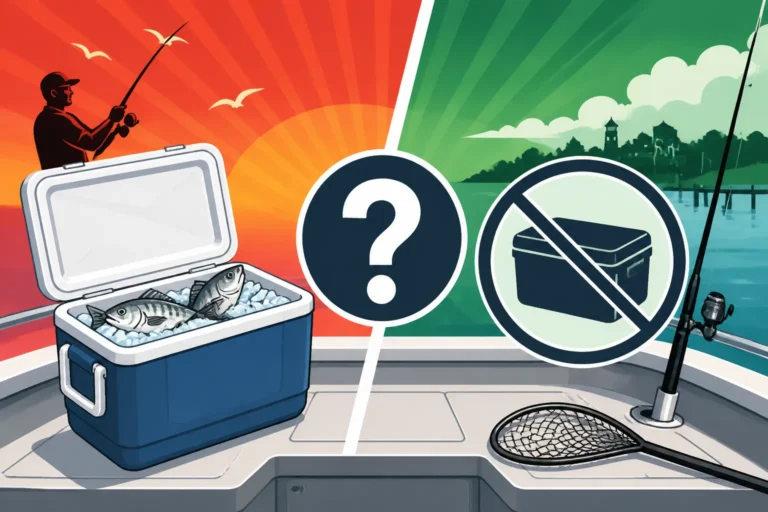
- Coolers: You should bring your own cooler to transport your cleaned fish home. While the boat might have a large cooler for storing the day's catch, your personal cooler ensures safe transport back to your fridge or freezer. For advice on what to bring, see What to Bring on a Maryland Fishing Charter.
- Ice: Ensure you have plenty of ice in your cooler to keep your fish fresh. The charter may provide some ice, but it's always wise to have extra.
Sometimes, an angler might decide they don't want all the fish they legally caught. Perhaps they only wanted one for dinner and ended up with a couple of large rockfish within the slot. In this scenario, they can certainly offer their legally caught and filleted fish to another angler on the boat who did not catch their limit or who might appreciate the extra fillets. However, this must happen after the fish have been caught, counted, and confirmed to be within each individual's legal limit. You cannot simply combine all fish into one pile before processing and then divide them. The individual who caught the fish is the legal owner of that fish, up to their personal limit, until it is voluntarily given to someone else after processing.
It's a straightforward process when everyone understands the rules. Good communication with your captain and mate throughout the day will prevent any confusion. Before you even set sail, it's a good idea to confirm with the charter operator, perhaps when you're making your booking through a service like FishingBooker, about their specific procedures for handling and cleaning fish. They can clarify if there's an extra charge for cleaning, or if it's all part of the experience.
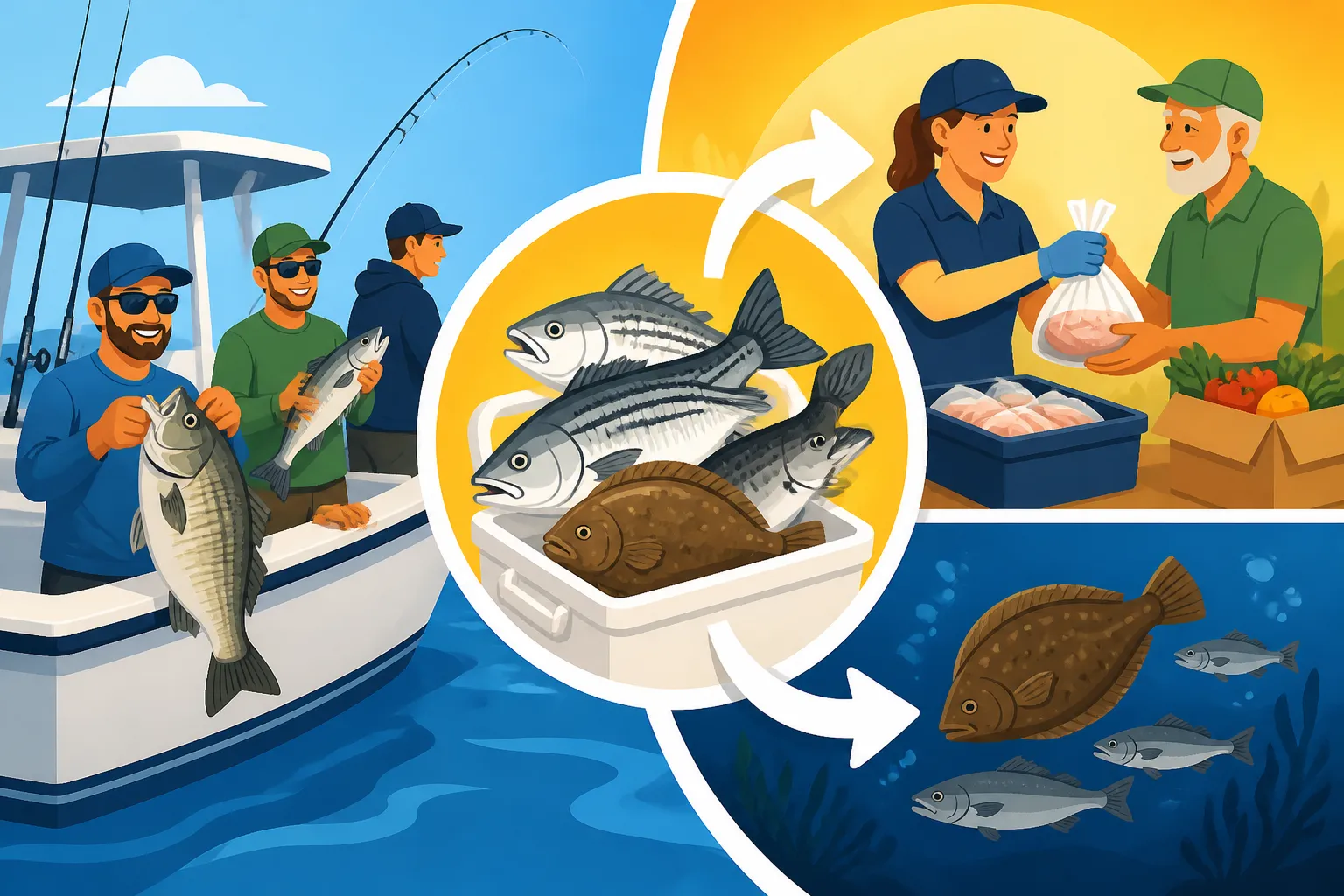
Here’s a quick summary of what happens to different types of fish caught on a charter:
| Fish Status | What Happens | Why |
|---|---|---|
| Legal to Keep (within individual limit) | Filleted, bagged, and taken home by the angler who caught it. | Individual anglers are entitled to keep fish within their personal daily bag and size limits. |
| Too Small (under size limit) | Immediately released. | Protects juvenile fish, allowing them to grow and reproduce. |
| Over Individual Daily Limit | Immediately released, even if it's a legal size. | Enforces individual bag limits to prevent overharvesting and ensure sustainability. |
| Fish Not in Season | Immediately released. | Protects species during critical spawning or recovery periods. |
| Injured Fish (from deep water) | Captain's discretion. Sometimes released, sometimes kept if likely to die (check rules). | High mortality risk for certain species brought up from deep water. Rules vary; always ask the captain. |
This system ensures that while you can enjoy the bounty of Maryland's waters, you're also contributing to their preservation. Remember, a responsible angler is a successful angler in the long run!
Disclaimer
This article is for general informational purposes only and does not constitute professional advice. Laws, prices and regulations vary by location and change over time. Consult a qualified professional for guidance on your specific situation.