Why Charter Prices Rise During Peak Rockfish Season
It’s a frustration many of us Maryland anglers know all too well: you’re dreaming of that perfect Chesapeake Bay fishing trip, picturing a trophy rockfish on the line, but when you go to book a charter for the prime season, the prices hit you like a rogue wave. You’re left wondering, "Why does it cost so much more during these specific times?" It can feel unfair, even prohibitive, for those just trying to enjoy a day on the water. This guide is here to unravel the mystery behind those surging charter prices, exploring the undeniable forces of supply, demand, and all the intricate operational costs that contribute to the higher rates when the striped bass are biting their best.
Understanding Peak Rockfish Season in Maryland
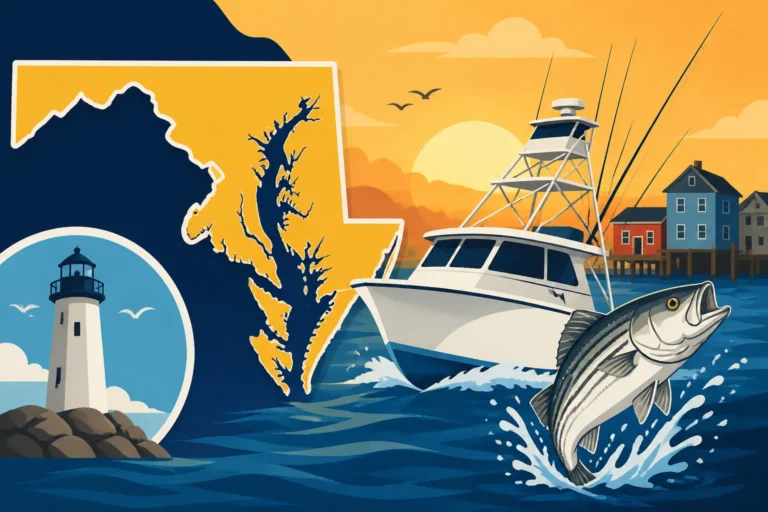
When we talk about "peak rockfish season" in Maryland, we're not just throwing around a fancy term. It refers to very specific times of the year when the fishing for striped bass, affectionately known as rockfish around here, is absolutely at its prime. These periods are marked by the highest concentration of fish, the best feeding frenzies, and the greatest potential for anglers to land a trophy-sized catch. It's when the Bay truly comes alive, and every serious angler wants a piece of the action.
What Defines "Peak" for Rockfish?
For many, "peak season" immediately brings to mind the spring trophy rockfish season. This is typically when those massive migratory striped bass move into the Chesapeake Bay from their ocean overwintering grounds, heading for their spawning grounds in the upper Bay tributaries. During this window, anglers have a legitimate shot at catching a true monster – a fish that can often exceed 40 or even 50 inches. Imagine battling a fish that big! It’s a bucket-list experience for many. The fall rockfish run is another incredibly popular "peak" period, as the fish aggressively feed to fatten up before their winter migration, leading to some incredibly exciting action. These are the times when the fish are most active, most abundant, and often, at their largest.
But it’s not just about size or numbers. "Peak" also means optimal weather conditions, often aligning with comfortable temperatures and calmer waters, making for a more enjoyable day out for everyone on board. It’s when the stars align for an epic fishing trip, and everyone from seasoned veterans to excited beginners wants to be out there. The anticipation builds for weeks leading up to these windows, and it’s no wonder they are so highly sought after. Knowing when the best times are is crucial for planning, but it also gives you insight into why things get so competitive. If you're looking for more details on these periods, you'll want to check out resources like Maryland Striped Bass Season and Rockfish Rules.
The Draw of Maryland Rockfish
The allure of Maryland rockfish is immense, and it’s deeply rooted in the state's identity. Striped bass isn't just a fish; it's our state fish, a cultural icon, and a species that provides incredible sport and delicious table fare. The Chesapeake Bay is a world-renowned striped bass fishery, and anglers travel from all over the country, and even beyond, to experience it. The fighting power of a large rockfish, the thrill of the chase, and the satisfaction of a successful catch are powerful draws.
This immense popularity means that during the peak windows, demand for charter services absolutely skyrockets. Think about it: hundreds, if not thousands, of anglers all want to be on the water at the same time, seeking that one-of-a-kind experience. It’s not just individual anglers either; groups, corporate outings, and family vacations often center around these peak fishing opportunities. Captains and charter businesses understand this intrinsic value and the high expectations that come with fishing during these legendary periods. They're prepared to deliver, and that expertise and opportunity come at a premium.
The Economics Behind Charter Pricing
Understanding why charter prices climb during peak rockfish season requires a dive into the fundamental economics of the charter fishing business. It’s not just arbitrary price hikes; it's a complex interplay of supply and demand, coupled with the substantial operational costs involved in running a safe, successful, and well-equipped fishing vessel. Many anglers might only see the "cost per person" or "total trip cost," but beneath that surface lies a whole host of expenses that captains must cover to stay in business.
Supply and Demand: A Basic Principle
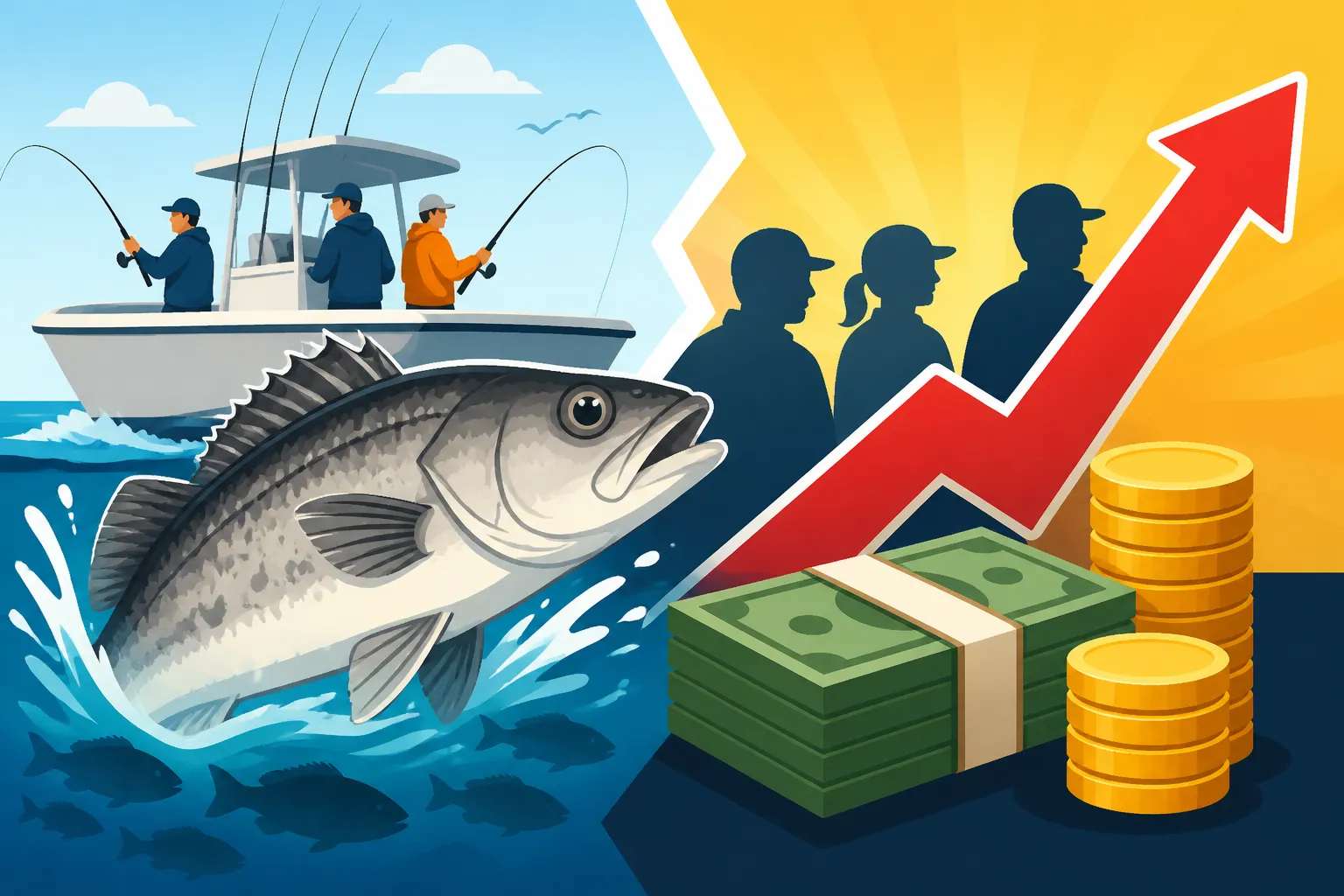
This is arguably the biggest driver of price fluctuations. When a commodity is in high demand and its supply is limited, the price naturally goes up. In the charter fishing world, the "commodity" is a spot on a reputable boat with an experienced captain during a period of exceptional fishing.
- Limited Supply of Boats and Captains: There are only so many licensed charter boats and experienced captains operating in the Maryland waters of the Chesapeake Bay. Each boat has a finite number of trips it can run in a day or week. During peak rockfish season, these boats are often booked solid, sometimes months in advance. You can't just magically add more boats and captains to meet a sudden surge in demand. This scarcity creates a competitive market for available trips.
- Surge in Angler Demand: As discussed, the lure of trophy rockfish and incredible action brings anglers out in droves. Everyone wants that prime weekend slot or the best tide on a specific day. This concentrated demand means that captains can charge more for their services because they know there will always be someone willing to pay. If they didn't, their booking calendar would fill up instantly, leaving many potential customers without a trip. It's simple market dynamics at play.
Operational Costs: More Than Just Gas
While fuel is certainly a significant factor, especially with today's fluctuating prices, the cost of running a professional fishing charter goes far beyond what you put in the tank. These are substantial overheads that must be covered, regardless of whether a trip is fully booked or not.
- Vessel Maintenance and Repairs: Boats are complex machines, and saltwater environments are harsh. Engines need regular servicing, electronics can fail, and general wear and tear require constant attention. Imagine a repair bill for a major engine issue or a new set of navigation equipment; these are not cheap. A good captain invests heavily in keeping their vessel in top shape, not just for comfort but for safety. This includes regular haul-outs, bottom painting, prop repairs, and countless other small but essential fixes.
- Insurance, Licenses, and Permits: Running a commercial charter boat requires extensive insurance coverage to protect both the vessel and the passengers. This isn't your average car insurance policy; it's specialized, expensive, and absolutely mandatory. Additionally, captains need various commercial licenses and permits from state and federal authorities to operate legally, all of which come with annual fees. For example, understanding Maryland Chesapeake Bay Sport Fishing License Explained shows the complexity for individuals, and captains have even more layers to navigate.
- Gear, Bait, and Tackle: A successful charter provides top-notch fishing gear – rods, reels, lines, lures, and terminal tackle – for all passengers. This equipment takes a beating and needs constant replacement or repair. Live bait, chum, and ice are daily expenses that add up quickly. Think about how many hooks, sinkers, and lures get lost in a single day of fishing, especially when targeting hard-fighting fish like rockfish.
- Fuel Costs: Yes, fuel is a big one. Running a large boat for hours on the Chesapeake Bay consumes a lot of diesel or gasoline. Longer runs to productive fishing grounds, prolonged trolling, or fighting strong currents all burn through fuel. When fuel prices spike, charter prices must reflect that to maintain profitability.
- Crew Wages: Most charters operate with a captain and at least one mate. Mates work incredibly hard, assisting anglers, rigging baits, cleaning fish, and ensuring safety. Their wages (and tips) are a direct cost of the trip.
- Dockage, Marketing, and Administrative Overheads: Mooring a boat in a prime marina location comes with dockage fees. Marketing efforts to attract customers, website maintenance, booking software (like platforms such as FishingBooker), and administrative tasks all consume time and money.
When you add up all these factors, it becomes clear that operating a charter is a costly endeavor. A captain isn't just charging for a few hours of their time; they're covering all these background expenses, plus aiming to make a reasonable living. For more on the general financial aspect, check out Maryland Charter Boat Costs Explained.
Captain's Expertise and Reputation
Beyond the tangible costs, you're also paying for intangible assets: the captain's knowledge, experience, and reputation. A seasoned captain knows the local waters like the back of their hand – where the fish are likely to be, what baits and techniques are working, and how to adapt to changing conditions.
- Years of Experience: A great captain didn't just wake up one day and decide to run charters. They've spent years, often decades, learning the nuances of the Bay, tracking fish movements, understanding tides, and mastering various fishing techniques. This accumulated knowledge is invaluable.
- Track Record of Success: Highly reputable captains with a consistent track record of putting clients on fish are in higher demand. Their reputation precedes them, and anglers are willing to pay a premium for a greater chance of success, especially during crucial peak seasons. When you're dreaming of a trophy rockfish, you want to be with someone who knows how to make that happen.
- Safety and Professionalism: A good captain prioritizes safety above all else, navigating tricky waters, monitoring weather, and ensuring all regulations are followed. Their professionalism, customer service, and ability to make the trip enjoyable for everyone are also part of the value proposition. You're not just buying a ride; you're buying a guided, safe, and potentially unforgettable experience.
How Demand Drives Price Increases
While operational costs form the baseline, it's the sheer force of demand during peak seasons that truly pushes charter prices upwards. It's a classic economic phenomenon amplified by the excitement and limited nature of prime fishing opportunities.
Limited Availability and Booking Pressure
During the trophy seasons or the height of the fall run, the best captains and boats get booked up incredibly quickly. Imagine trying to get a table at the hottest restaurant in town on a Saturday night – it's tough, right? The same applies to prime fishing dates.
- Prime Dates Fill Fast: Weekends, holidays, and specific periods known for exceptional fishing are the first to go. Many dedicated anglers plan their trips months in advance, specifically targeting these windows. If you wait until the last minute, your options will be severely limited, and you might only find boats with higher rates, or no availability at all. Platforms like FishingBooker often show these booking trends, highlighting which dates are in high demand.
- The FOMO Factor (Fear Of Missing Out): There's a palpable sense of urgency when the rockfish are running hot. Anglers hear reports, see photos of big catches, and don't want to miss out on the action. This creates a psychological pressure that encourages quicker booking and less price sensitivity, further driving up rates. It's hard to resist the call of the Bay when everyone else is pulling in big fish.
- Premium for Flexibility: If a captain has a few open dates during peak season, they might hold out for a full-day trip at a higher rate, rather than taking a shorter, less profitable half-day trip. Their schedule is a valuable asset, and they'll maximize its potential during high-demand times.
The "Trophy Season" Premium
Maryland's spring trophy rockfish season is a unique event, specifically regulated to allow anglers to target larger fish. This period carries an undeniable prestige and a higher probability of catching a truly memorable fish.
- Targeting Larger Fish: During this specific window, the regulations often allow for different size limits or creel limits, specifically geared towards harvesting larger, migratory fish. Anglers are willing to pay more for the chance to catch a "wall-hanger" — a fish worthy of a photograph and bragging rights for years to come. This focus on bigger fish means captains put in extra effort, sometimes running further or using specialized techniques. More on this can be found in Charter Fishing During Maryland's Trophy Rockfish Season.
- Higher Expectations: With the promise of trophy fish, expectations are naturally higher. Captains feel the pressure to perform, and they often expend more resources (time scouting, extra bait, specialized gear) to try and meet those expectations. This added effort and the increased likelihood of success translate directly into higher prices.
- Shorter Windows, Higher Intensity: The trophy season is often a relatively short, intense period. Captains know they have a limited window to maximize their earnings from this highly sought-after experience, so prices reflect that concentrated opportunity.
Impact of Fishing Regulations
Believe it or not, fishing regulations can also play a role in charter pricing, especially when they influence demand or limit supply.
- Conservation Efforts: When fishing regulations are put in place to protect the rockfish population (e.g., slot limits, closed seasons in spawning rivers, daily bag limits), they can sometimes condense fishing pressure into smaller, legal windows. This can increase demand during those open periods. If you're wondering about specific rules, Maryland Striped Bass Daily Limit Per Angler is a good resource.
- Harvest Opportunity: Conversely, when regulations allow for more liberal harvest opportunities (which is rare for striped bass these days, but can happen for other species), it can sometimes increase demand if anglers are keen to fill their coolers. However, for striped bass, it's often the opportunity to fish legally during open seasons that drives demand, regardless of the bag limits, due to their prized status.
- "Grace Periods" and Regulatory Uncertainty: Sometimes, mid-season regulation changes or proposed changes can create a rush to fish before rules tighten, leading to temporary demand spikes. Charters have to stay on top of these complex rules, which is part of their professional service. For those who want to ensure they're always compliant, it's wise to understand topics like Maryland Fishing License Guide for 2026 and Do You Need Your Own License on a Maryland Charter?.
Strategies for Finding Value (Even During Peak Season)
So, faced with these higher prices during prime rockfish season, what’s an angler to do? Throw in the towel and wait for the off-season? Not necessarily! While you might not always snag a rock-bottom deal, there are definitely smart strategies you can employ to find better value and make your dream trip more affordable. It's all about being a little more strategic and, sometimes, a bit more flexible.
Booking Smart: Timing and Flexibility
Being proactive and adaptable can make a significant difference in charter costs.
- Book Well in Advance: This is probably the golden rule for peak season. As soon as you know your dates, especially if they fall within the spring trophy season or the fall run, start making calls. Booking several months, or even a year, ahead can lock in a price before potential increases and gives you access to the most reputable captains who book up quickly. You'll also have a wider selection of available boats. Remember, the best boats get snatched up first.
- Consider Weekdays Over Weekends: Weekends are always the most sought-after and therefore the most expensive. If your schedule allows, try to book your trip for a Tuesday, Wednesday, or Thursday. You'll often find more availability and potentially slightly lower rates, or at least better chances of securing a prime slot. Plus, weekday fishing often means fewer boats on the water, leading to a more peaceful experience.
- Look at Shoulder Seasons: "Peak season" is great, but the weeks immediately preceding or following it, often called "shoulder seasons," can offer fantastic fishing at slightly reduced rates. The fish are still around, but the intense booking pressure might have eased just a bit. You might sacrifice the absolute "peak" conditions, but the fishing can still be excellent, and your wallet will thank you. For general timing advice, check out Best Time of Year to Fish in Maryland.
- Be Flexible with Your Dates: If you're not tied to a specific calendar date, give your chosen captain a range of dates. They might have a last-minute cancellation or an unexpected opening that they'd be willing to fill at a slightly better price than their absolute peak rate, rather than leaving the day open.
Considering Alternative Experiences
If a private charter during peak season feels out of reach, don't despair! The Chesapeake Bay offers other ways to get on the water and into the action.
- Party Boats (Head Boats): These are a fantastic, more budget-friendly option, especially for solo anglers or smaller groups. Party boats charge per person, so you're sharing the cost of the boat with many other anglers. While you might not get the individualized attention of a private charter, you're still fishing with an experienced crew and often in productive areas. They're a great way to experience the Bay without the private charter price tag.
- Splitting a Private Charter: If you have a smaller group but want the private charter experience, consider coordinating with other anglers to fill the boat. Many charters price per boat, not per person, up to a certain capacity. If you can gather enough friends, family, or even fellow enthusiasts you meet on fishing forums, you can split the cost, making a full-day private trip much more affordable. You can learn more about costs in general with Chesapeake Bay Charter Cost for a Group of Six.
- Shore or Pier Fishing: This is the most economical way to fish and requires no charter at all! Many excellent spots along the Chesapeake Bay and its tributaries offer fantastic shore or pier fishing opportunities for striped bass, white perch, and other species. You might need to adjust your techniques, but it's a wonderfully accessible way to enjoy Maryland fishing. Just be sure to check local regulations and licensing requirements, as a Maryland Fishing License Guide for 2026 will still apply. What to Bring on a Maryland Fishing Charter is good for gear advice, but modify it for shore fishing!
Leveraging Online Platforms and Resources
The internet is your friend when it comes to finding and booking charters. These platforms can offer convenience and help you compare options.
- Online Booking Sites: Websites like FishingBooker are invaluable tools. They allow you to browse numerous charter captains, compare their boats, pricing, available dates, and read reviews from other anglers. This transparency can help you identify captains who offer good value or find last-minute openings. You can filter by location, target species, and even amenities.
- Read Reviews and Ask Questions: Always read reviews! Past client experiences can tell you a lot about a captain's professionalism, fishing success, and overall customer service. Don't be shy about contacting captains directly through these platforms or their own websites to ask specific questions about what's included in the price, fishing techniques, or what to expect during a peak season trip.
- Consider All-Inclusive vs. A La Carte: Some charters offer an "all-inclusive" price that covers everything from bait and tackle to fish cleaning. Others might have a lower base price but charge extra for these services. Always clarify what's included to avoid surprises. Sometimes, the seemingly higher-priced "all-inclusive" option can actually be a better value if you factor in all the incidentals.
By being a smart planner, flexible with your dates, open to different fishing experiences, and utilizing online resources, you can absolutely enjoy the thrill of Maryland’s peak rockfish season without completely breaking the bank. It just takes a little extra effort and savvy. If you're looking for more general booking advice, Booking a Striped Bass Charter in Maryland could be a very helpful read.
Conclusion
The higher prices for Maryland fishing charters during peak rockfish season, while sometimes frustrating, are a direct reflection of basic economic principles: high demand meeting limited supply, coupled with the substantial costs involved in operating a professional charter business. Factors like rigorous boat maintenance, insurance, fuel, top-tier gear, and the invaluable expertise of a seasoned captain all contribute to the overall price. When you add the intense competition for prime dates during the spring trophy season or the fall run, it's easy to see why those rates climb.
However, understanding these dynamics empowers you to make smarter choices. By planning ahead, being flexible with your dates, considering alternative fishing experiences like party boats, and leveraging online booking platforms like FishingBooker, you can still experience the thrill of Maryland's world-class striped bass fishery. Don't let the sticker shock deter you; with a little strategy, that dream rockfish trip can still become a reality.
Disclaimer
This article is for general informational purposes only and does not constitute professional advice. Laws, prices and regulations vary by location and change over time. Consult a qualified professional for guidance on your specific situation.