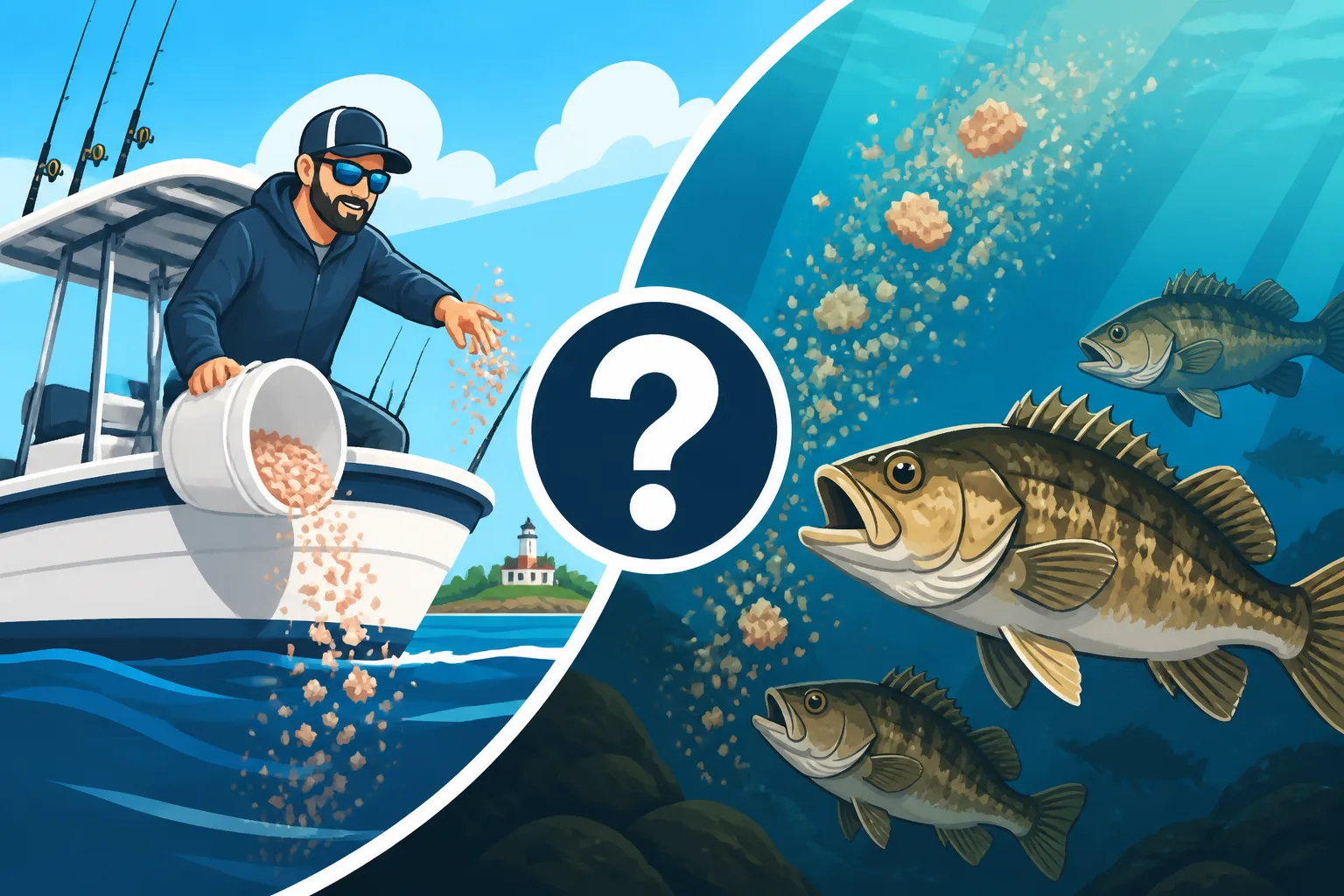
Do Charter Captains Provide Chum for Rockfish Trips?
You’ve finally booked that much-anticipated fishing charter on Maryland’s Chesapeake Bay, maybe for a shot at those legendary striped bass, or "rockfish" as we call them around here. As you're prepping your gear and dreaming of reeling in a big one, a common question often pops up: will the captain provide the bait, specifically chum? It’s a valid concern, especially since chumming is such a proven technique for bringing those fish right to your boat. This guide will dive deep into whether Maryland charter captains typically provide chum for rockfish trips, what to expect, and why it matters.
The Role of Chumming in Maryland Rockfish Fishing
Let’s be honest, fishing isn’t always about instant gratification. Sometimes, those rockfish can be a bit elusive, playing hard to get. That's where chumming steps in as a game-changer. It’s not just throwing food overboard; it's a strategic art form that can dramatically increase your chances of a successful day on the water.
Why Chumming is So Effective for Striped Bass
Chumming involves creating a steady, aromatic trail of finely ground bait that drifts through the water column. Imagine it like a delicious scent highway leading straight to your boat. For striped bass, or rockfish, this scent is an irresistible dinner bell. They're highly migratory and often follow scent trails, especially when they're actively feeding. A well-maintained chum slick works by attracting fish from a wider area, concentrating them near your fishing lines, and getting them into a feeding frenzy.
It’s truly a sight to behold when it works. You might be having a slow morning, everyone patiently waiting for a bite, and then the captain starts a consistent chum slick. Within minutes, the rods start bending, and the deck fills with the excited shouts of anglers. The scent of menhaden, a popular baitfish for chumming in the Bay, drifts down current, signaling to nearby rockfish that there’s an easy meal to be had. This technique essentially eliminates a lot of the guesswork, bringing the fish to you rather than you having to constantly chase them. It can draw fish that are suspended in the water column or even those lurking closer to the bottom, coaxing them up to feed. This is especially useful during periods when fish are scattered or not actively chasing lures.
Different Types of Chum Used in Maryland
Not all chum is created equal, and captains often have their preferred "recipes" based on experience and what's readily available. However, some common types dominate the Maryland rockfish scene. The most prevalent is likely ground menhaden, also known as bunker. Menhaden are oily fish that create a fantastic, pungent scent trail, making them incredibly effective for attracting striped bass. These are often purchased frozen in blocks and then ground fresh onboard or simply thawed and deployed.
Other types of chum can include ground mussels, clams, or even specific commercial chum blocks that combine various fish and attractants. Some captains might even use "clam snot," which is the leftover liquid from shucking clams, known for its potent scent. Each type has its advantages; menhaden is a fatty, oily fish that leaves a great slick, while shellfish-based chums offer a different aroma that can sometimes be more effective depending on what the fish are currently feeding on. Of course, the fresher the chum, the better, as the oils and scent dissipate over time. You can learn more about specific baitfish in the region by checking out What Is a Menhaden and Why Does It Matter to Maryland Fishing?. If you're curious about what attracts rockfish most, take a look at What Bait Works Best for Chumming Rockfish?.
What to Expect from Your Charter Captain Regarding Chum
This is the big question for many anglers booking a trip: do I need to worry about bringing bait? For the vast majority of Maryland rockfish charters, the answer is a resounding no – your captain has you covered.
The Standard Practice: Captains Typically Provide Chum
It’s pretty much standard operating procedure in the Maryland charter fishing world: when you book a rockfish trip, the expectation is that the captain will provide all necessary bait and tackle, and that absolutely includes chum. Think about it from the captain's perspective. Their success, reputation, and livelihood depend on putting clients on fish. Chumming is such a fundamental and effective technique for striped bass that it would be almost unheard of for a charter not to utilize it during prime rockfish season. It's an integral part of their strategy to ensure you have a memorable and productive day.
The cost of this chum is almost always factored into the overall charter price. You won't typically see it as a separate line item on your bill, nor will the captain ask you to chip in for a block of bunker halfway through the trip. It’s an operational expense, much like fuel, ice, or fishing licenses, that is absorbed into the service you’re paying for. When you arrive at the dock, you’ll likely see the captain or mate already prepping the chum, getting the grinder ready, or setting up the chum pot. This proactive approach ensures that once you reach the fishing grounds, they can immediately start creating that enticing scent trail. For a general overview of what to expect on your trip, check out Maryland Chesapeake Bay Fishing Charters, What to Expect.
Exceptions and Special Requests
While providing chum is the norm, there can always be exceptions, or at least situations where it's wise to confirm. For instance, if you've booked a highly specialized trip – perhaps a light-tackle casting trip focused entirely on jigging structure, or a fly-fishing excursion – chumming might not be part of the plan. These methods rely more on actively seeking out fish with artificial lures rather than drawing them in with scent. In such cases, the captain would likely communicate this upfront, as the fishing style is distinctly different.
Another less common scenario might be if a captain offers a "premium" chum option, perhaps exceptionally fresh, high-quality bait that comes at an additional, optional cost. This is rare, but if you have specific preferences, it never hurts to ask during the booking process. The golden rule here is communication. If having a chum slick is particularly important to you, or if you have any questions about bait provisions, simply ask the captain or booking agent when you make your reservation. Services like FishingBooker often allow you to directly message captains before booking, making it easy to clarify these details. This ensures there are no surprises on the day of your trip. Understanding What's Included in a Maryland Charter Fishing Price can also help manage expectations.
The "Bring Your Own" Scenario (Rare but Possible)
It's highly unusual for an angler to need to bring their own chum on a Maryland charter, but it's not entirely unheard of. There are a few reasons someone might choose to do so, though it's critical to clear it with your captain first. Some experienced anglers, especially those with a deep love for the art of chumming, might have their own "secret recipe" for chum, a particular blend of ingredients they swear by. Others might simply want a larger quantity of chum deployed than what the captain typically uses, hoping to create an even more intense slick.
However, bringing your own chum can present logistical challenges. You'll need to transport it, keep it cold, and ensure it's compatible with the captain's equipment and storage space on the boat. Most importantly, captains have strict rules about what's brought aboard their vessel, especially when it comes to bait, to maintain cleanliness and prevent contamination. Always, always ask for permission in advance. A good captain will appreciate your enthusiasm but will also need to ensure it doesn't interfere with their operation or the safety of the trip. If you do get the green light, make sure your chum is properly stored in a sealed, spill-proof container to avoid any mess.
Understanding the Cost and Logistics of Chum
For anglers, understanding how things like bait are handled on a charter can help appreciate the overall value of the experience. It’s more than just the boat ride; it’s about the full package of expertise, equipment, and resources the captain brings.
How Chum Costs Are Integrated into Charter Fees
As we touched on earlier, the cost of chum is almost always baked into the overall charter fee. When you book a trip, whether it’s a half-day or a full-day excursion, you're paying for a comprehensive service. This service includes the captain's extensive knowledge of local waters, their commercial fishing license, the boat's maintenance and fuel, high-quality tackle, and, yes, all the necessary bait – including chum. It's important to view the charter price as an all-inclusive rate for a professional fishing experience.
Captains budget for these operational expenses. They know that having a steady supply of effective chum is crucial for a successful rockfish trip, and they factor that into their pricing structure. This integrated approach simplifies things for the angler; you don’t have to worry about separate bait purchases, ensuring you have the right kind, or managing its freshness. It allows you to simply show up, get on the boat, and focus on the fishing. To get a better grasp of the financial aspects of your trip, consider reading Maryland Charter Boat Costs Explained.
The Captain's Discretion on Chum Usage
Even though chum is provided, don't expect the captain to simply dump buckets of it overboard indiscriminately. A skilled captain will use chum strategically, adapting their approach to the specific fishing conditions of the day. Factors like current strength, tide cycles, water temperature, and fish activity all play a role in how and when chum is deployed. For example, a strong current might require more frequent, smaller deployments to maintain a consistent slick, while a slack tide might call for a more conservative approach. Understanding How Tides Affect Fishing in Maryland's Chesapeake Bay can give you insight into these decisions.
A good captain uses their experience to judge the right amount and frequency. Sometimes, a subtle, consistent trickle is all that’s needed to keep fish interested, while at other times, a more aggressive deployment might be necessary to kickstart a bite. It’s a delicate balance. Trust your captain’s judgment here; they are observing the water, the fish finder, and the bite (or lack thereof) to make the best decisions for your trip's success. You can explore effective chumming methods by checking out How to Chum for Striped Bass in the Chesapeake Bay.
Best Practices for Anglers on a Chumming Trip
Being prepared for a chumming trip isn't just about showing up with a cooler. It's about understanding your role in the overall fishing experience and respecting the captain's efforts to make your day successful.
Preparing for a Chumming Trip
While the captain handles most of the heavy lifting, there are a few things you can do as an angler to make your chumming trip more enjoyable and effective. First off, be prepared for a bit of a mess. Chum is fishy, oily, and can get on clothes and hands. Dress in old clothes or quick-drying fishing attire that you don’t mind getting dirty. Waterproof shoes or boots are always a good idea. For more tips on dressing for a day on the Bay, see What to Wear on a Chesapeake Bay Fishing Charter.
Once the chum slick is established, it's crucial to listen closely to your captain’s instructions. They'll tell you how to deploy your bait, how deep to fish, and how to detect a bite in the slick. Often, the ideal fishing zone is right in the heart of the chum slick, where the fish are most actively feeding. This might mean letting your bait drift naturally with the current, or fishing at a specific depth indicated by the captain. Proper line management is key to avoid tangles in the chum slick, especially with multiple anglers onboard.
Handling Bait and Contributing to Success
When fishing in a chum slick, the bait you put on your hook is just as important as the chum itself. Your captain will typically provide cut bait – often pieces of the same menhaden used for chumming, or perhaps bloodworms – that perfectly complements the chum slick. It looks and smells like what the fish are already expecting to eat. Your job is to present this bait naturally.
Be mindful of how you handle the bait, keeping it fresh and securely hooked. If you're unsure, don't hesitate to ask the mate or captain for a demonstration. When a fish bites, be ready! In a good chum slick, bites can come quickly and be aggressive. Finally, and this is a big one: avoid contaminating the chum bucket or area. Don’t toss anything foreign into the chum, as it can deter fish or even introduce unwanted substances into the water. Your cooperation helps maintain the integrity of the slick and increases everyone's chances of reeling in a beautiful Maryland rockfish. If you're looking to catch dinner, this technique often yields great results, and you can learn more about it in Best Charters for Catching Dinner in Maryland.
| Chum Type | Primary Benefit | Common Application | Notes |
|---|---|---|---|
| Ground Menhaden | Strong oil content, potent scent trail | All-around effective for striped bass and other gamefish | Most common, creates a visible slick, often comes in frozen blocks |
| Ground Clams/Mussels | Different scent profile, can attract bottom feeders | Good alternative if fish are shy or preferring shellfish | Can be messier, sometimes mixed with other ingredients |
| Commercial Blocks | Convenient, pre-mixed attractants | Quick deployment, consistent blend | Varying quality, some lack the natural oil of fresh fish |
| Live Spot/Eels (as chum) | Extremely enticing, high-value food source for larger fish | Often used as live bait in the slick, not true ground chum | Can be very effective but also more expensive and tightly regulated |
Disclaimer
This article is for general informational purposes only and does not constitute professional advice. Laws, prices and regulations vary by location and change over time. Consult a qualified professional for guidance on your specific situation.