Winter Charter Fishing for Striped Bass in Maryland
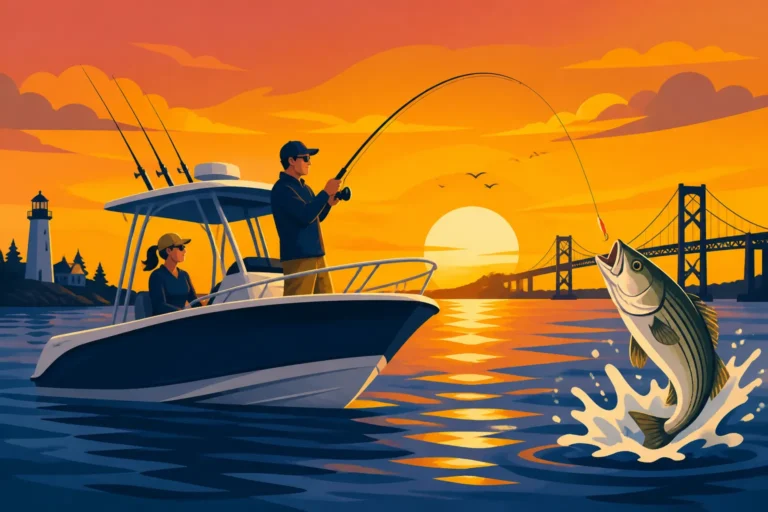
For many Maryland anglers, the thought of hanging up their rods for the winter months is a real struggle. The vibrant seasons of spring, summer, and fall fishing often steal the spotlight, leaving many to believe that once the leaves drop, so do the fishing opportunities. But for those dedicated to the pursuit of the formidable striped bass, winter actually presents a unique and incredibly rewarding challenge, offering a chance to target larger, less pressured fish. This guide is dedicated to helping you understand the nuances of winter charter fishing for striped bass in Maryland, from their cold-water behavior to the best techniques and how to book a successful trip.
The Allure and Challenge of Winter Striped Bass Fishing in Maryland
There's a special kind of angler drawn to the quiet solitude and raw beauty of winter fishing. While many boats are tucked away for the season, a hardy few venture out, chasing the elusive winter striped bass (or rockfish, as we affectionately call them here in Maryland). It’s not just about the catch; it’s about the experience – the crisp air, the often-calm waters, and the knowledge that you’re part of an exclusive group pursuing fish when most are indoors.
Why Anglers Brave the Cold for Winter Rockfish
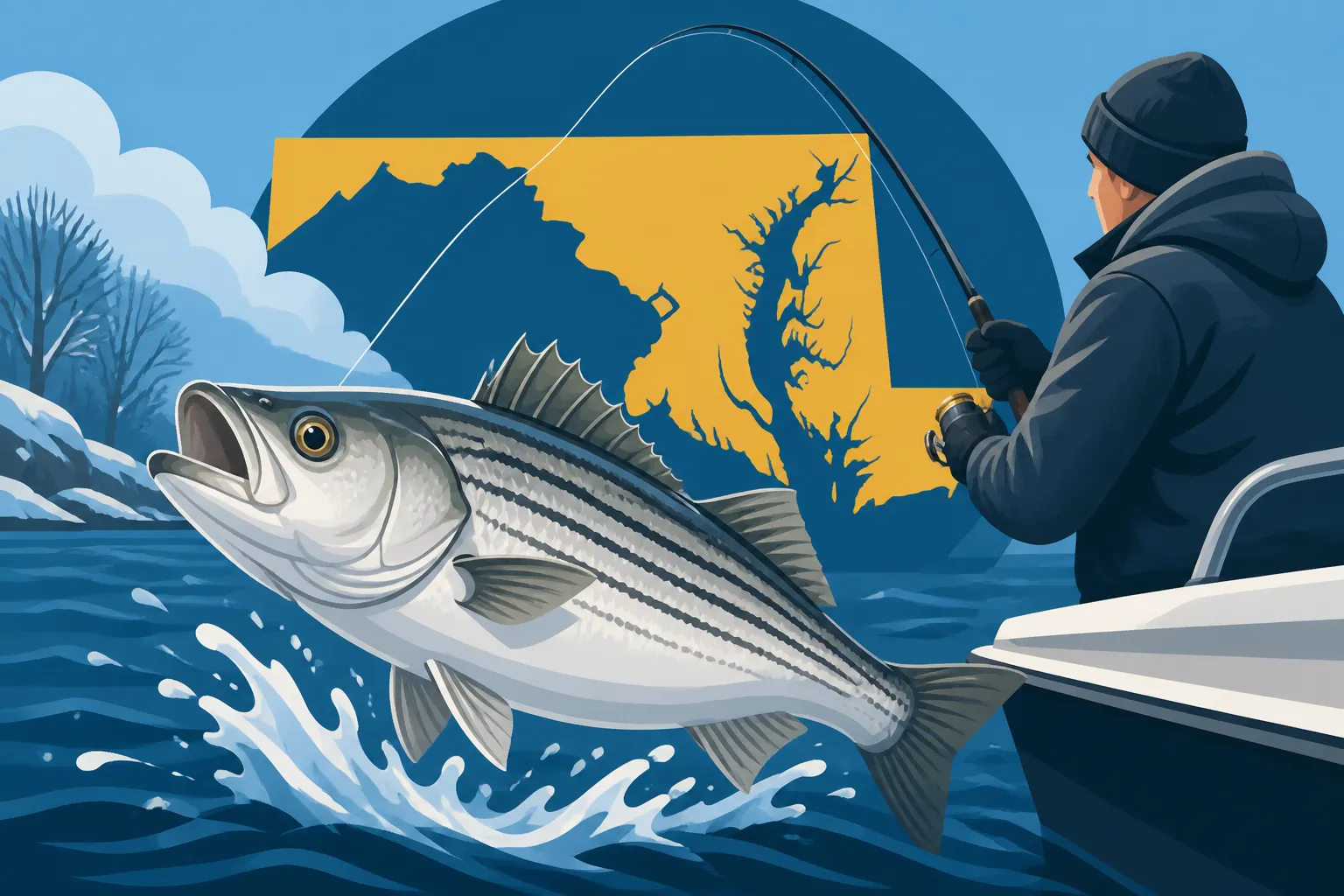
The biggest draw for winter striped bass fishing is often the size of the fish. As temperatures drop, smaller baitfish scatter, and the remaining striped bass tend to be larger, more mature specimens that are still actively feeding, albeit more sluggishly. These bigger fish are often congregated in deeper, more stable water, making them a prime target for experienced charter captains who know exactly where to look. Imagine reeling in a true trophy striped bass against a backdrop of bare trees and a hushed Chesapeake Bay – it's a memory that lasts a lifetime. The crowds are gone, the waterways are peaceful, and the fight of a cold-water striper is something truly special. It’s a test of patience, skill, and endurance, rewarding those who embrace the elements.
Another significant advantage is the reduced fishing pressure. During the warmer months, the Bay can feel like a highway, with boats zipping everywhere. In winter, you often have vast stretches of water almost entirely to yourself. This tranquility enhances the fishing experience, allowing you to focus on the subtle bites and the majestic surroundings without the constant distraction of other vessels. For many, it's a chance to connect with nature on a deeper level and truly appreciate the Bay's stark winter beauty. Plus, the fish are often less wary, having seen fewer lures and live baits.
Common Misconceptions About Winter Fishing
Many anglers shy away from winter fishing due to common misconceptions. The first is that fish simply "disappear" or stop feeding altogether. While their metabolism slows down, striped bass still need to eat to survive. They just do it less frequently and often in very specific areas. It’s not about relentless, aggressive bites, but rather about presenting the right bait or lure in the right place at the right time. They conserve energy, making their feeding windows shorter but still existent. You might not have a full-on blitz, but you can certainly find consistent action if you understand their patterns.
Another myth is that it's always miserable and freezing. While you need to dress appropriately, many winter days in Maryland are surprisingly mild, especially on the water where the sun can reflect off the Bay. A good charter boat will have an enclosed, heated cabin, providing a welcome respite from the cold between drifts or while moving to new spots. Layering is key, as is understanding the importance of proper gear. Don't let a few chilly mornings deter you from experiencing some of the most unique fishing opportunities Maryland has to offer. The right preparation makes all the difference, transforming a potentially uncomfortable outing into an invigorating adventure.
Understanding Striped Bass Behavior in Maryland's Winter Waters
To successfully target striped bass in the winter, you need to think like a fish. Their survival instincts kick into high gear as water temperatures drop, dictating their movements, feeding habits, and preferred habitats. It's a game of hide-and-seek, but with the right knowledge, you can uncover their secrets.
Where Striped Bass Go When Temperatures Drop
As autumn fades and winter truly sets in, striped bass in the Chesapeake Bay don't vanish; they simply move to deeper, more stable waters. They're looking for areas where the water temperature is more consistent and slightly warmer than the shallower sections. Think of it like humans moving indoors when it gets cold. These areas often include deep channels, dredged holes, ledges, and the mouths of major rivers where warmer, brackish water might provide a slight thermal advantage. The mid to lower Bay, closer to the deeper mainstem, often holds significant concentrations of these fish.
They tend to school up more tightly in winter, forming dense aggregations in these deep sanctuaries. This means that if a charter captain finds one, they often find many. These schools might hold thousands of fish, but they could be packed into an area no bigger than a football field. Locating these pods is the primary challenge and where an experienced captain's knowledge, sonar, and understanding of local currents become invaluable. Where Do Striped Bass Go in the Winter in Maryland? is a topic many anglers ponder, and the answer is usually "down deep and together."
How Water Temperature Dictates Striper Activity
Water temperature is arguably the single most critical factor influencing striped bass behavior in winter. As the water cools into the 40s (Fahrenheit), their metabolism slows significantly. They become less active, their digestion takes longer, and they feed less frequently and with less aggression. This is why techniques often involve slower presentations and sometimes smaller, more subtle baits. A common rule of thumb is that the colder the water, the deeper and slower you need to fish.
However, even slight temperature fluctuations can trigger feeding windows. A warming trend after a prolonged cold snap, or even a few hours of bright sunshine on a relatively shallow, dark-bottomed area, can increase their activity levels momentarily. On the flip side, a sudden, sharp drop in temperature from a cold front can shut them down almost completely for a day or two. Understanding these subtle shifts and How Cold Water Affects Striped Bass Behavior in the Bay is crucial for predicting when and where to find active fish. A good charter captain will constantly monitor water temperatures and adjust their strategy accordingly, often targeting the warmest water available in deeper channels.
Gear and Techniques for Successful Winter Striper Charters
Winter striped bass fishing isn't just about bundling up; it's about employing specific gear and techniques tailored to the fish's cold-water behavior. Charters provide all the necessary specialized equipment, but understanding why certain approaches are effective will enhance your appreciation for the trip.
Essential Tackle for Cold Weather Fishing
On a professional charter boat, you'll be provided with top-notch gear perfectly suited for winter striped bass. This typically includes heavy-duty spinning or conventional rods and reels spooled with strong braided line, often tipped with a fluorocarbon leader. The rods need enough backbone to handle large, deep-fighting fish, while the reels must be robust and capable of cranking in heavy jigs or sinkers from significant depths. It’s a different game than light-tackle summer fishing.
Lures often include large soft plastics on heavy jig heads, often weighing several ounces, sometimes up to 8-10 ounces depending on depth and current. These are designed to get down quickly and stay in the strike zone. Colors can vary, but natural baitfish patterns like white, chartreuse, and pearl often perform well, as do darker colors on overcast days. Bait-wise, fresh bunker or large chunks of menhaden are common, presented on bottom rigs with substantial sinkers. Your captain will have a variety of options and know what’s been working best. For more specifics, check out guides like Best Gear for Winter Striped Bass Fishing in Maryland.
Here's a quick comparison of common winter striper tackle:
| Tackle Item | Description | Why It's Used in Winter |
|---|---|---|
| Heavy Rods | 7-8 foot medium-heavy to heavy action, fast tip | Power to lift heavy jigs/sinkers from deep, fight large, sluggish fish in strong current |
| Robust Reels | Conventional or large spinning reels with strong drags, high line capacity | Handle heavy braided line, prolonged fights, and repetitive deep-water retrieves |
| Braided Line | 30-65 lb test, low stretch | Excellent sensitivity for subtle bites, cuts through water better than mono, stronger |
| Fluorocarbon Leader | 30-60 lb test | Virtually invisible underwater, abrasion resistance, adds shock absorption |
| Heavy Jig Heads | 4-10 oz, depending on depth/current | Quickly reach deep fish, maintain contact with bottom in strong currents |
| Large Soft Plastics | 6-10 inch paddle tails, shads, tubes | Mimic larger baitfish, provide subtle action on slow retrieves, durable |
| Fresh Cut Bait | Bunker, menhaden chunks | Strong scent trail, appeals to less active, scent-feeding fish |
| Warm Weather Gear | Layers, waterproof outer shell, insulated boots, gloves, hat | Essential for angler comfort and safety in cold, windy conditions on the water |
Popular Winter Striped Bass Fishing Techniques
The most common technique for winter striped bass on a charter is vertical jigging. Once a school of fish is located on the sonar, the captain will position the boat directly over them. Anglers then drop heavy jigs straight down, letting them hit the bottom, and then slowly retrieve them with a jigging motion. The key is often a subtle presentation – a lift, a pause, and a slow drop, rather than aggressive jigging. Remember, the fish are lethargic, so you're trying to coax a bite.
Another effective method, especially if fish are spread out or suspended, is called "dragging" or "power drifting." This involves using heavy bottom rigs with bait (often fresh chunks of menhaden or bunker) or even heavy jigging spoons, letting the boat drift slowly with the current over known fish concentrations. The goal is to keep the bait near the bottom where the stripers are holding. Sometimes, depending on regulations and the captain’s preference, a slow troll with deep-diving plugs or umbrella rigs might also be employed in specific deeper channels, though vertical jigging and bait fishing tend to dominate winter charters. Understanding these techniques, like Winter Fishing for White Perch in Maryland which often uses similar deep-water approaches, can give you an edge, even if you’re just observing.
Choosing and Booking a Maryland Winter Charter
Deciding to embark on a winter fishing adventure is exciting, but choosing the right charter is crucial for a comfortable and successful trip. Not all captains operate through the coldest months, and those who do often specialize in these unique conditions.
What to Look for in a Winter Fishing Charter
When booking a winter striped bass charter, experience is paramount. You want a captain who has a proven track record of finding fish in cold water, understands their winter patterns, and knows the deeper channels and holes where they congregate. Ask about their winter specific experience when you call. A good winter captain will also prioritize comfort and safety. Look for boats with enclosed, heated cabins where you can warm up between bites. This isn't a luxury; it's a necessity for an enjoyable day on the water.
Beyond experience and comfort, inquire about the fishing methods they primarily use in winter. Are they focused on jigging, bait fishing, or a combination? Ensure their approach aligns with the kind of fishing experience you're seeking. Reputable captains will also be transparent about their pricing, what's included (like bait, tackle, and fish cleaning), and their cancellation policy, especially for weather-related issues. Platforms like FishingBooker can be an excellent resource for finding experienced Maryland captains who advertise winter trips, often with reviews from other anglers detailing their experiences. They allow you to filter by location, target species, and even amenities like heated cabins.
Preparing for Your Winter Charter Trip
Proper preparation is absolutely key to enjoying a winter charter. The most important rule: dress in layers! Think thermal underwear, fleece pants and shirts, wool socks, a warm hat that covers your ears, and waterproof, insulated gloves. Your outermost layer should be waterproof and windproof. Even if the forecast seems mild, conditions on the water can change rapidly. Bring extra layers – it's better to have too many than too few.
Beyond clothing, pack some non-alcoholic warm drinks in a thermos, like coffee, tea, or hot chocolate, and plenty of snacks. Fishing in the cold can burn a lot of energy. Sunglasses are important to reduce glare off the water, and a small waterproof bag for your phone and keys is always a good idea. Your captain will handle all the fishing gear, but knowing What to Bring on a Maryland Fishing Charter in terms of personal items is essential for your comfort. Remember that Do You Need Your Own License on a Maryland Charter? typically, the charter boat's license covers all passengers, but it's always wise to confirm with your captain beforehand.
Navigating Regulations and Safety on Winter Charters
Winter fishing, while rewarding, comes with its own set of rules and risks. Being aware of current regulations and adhering to strict safety protocols are non-negotiable for any responsible angler or charter guest.
Key Winter Striped Bass Regulations
Maryland's striped bass regulations, especially for the Chesapeake Bay, are dynamic and can change annually to ensure the health of the fishery. While this guide cannot provide real-time updates, it's crucial to understand that winter often falls into specific seasons with unique rules. For example, Maryland commonly has a "winter catch and release" season for striped bass in certain areas of the Chesapeake Bay, and specific "trophy rockfish" seasons in spring and fall. You absolutely must consult the Maryland Department of Natural Resources (DNR) website or the current fishing guide for the precise dates, slot limits (e.g., Maryland Rockfish Slot Limit Explained), and bag limits that apply during your planned winter trip.
Your charter captain will be fully aware of all current regulations, but it's good practice for you to have a general understanding too. Pay particular attention to rules regarding Maryland's Winter Catch and Release Striped Bass Season, as violating these can result in significant penalties. These rules are in place to protect the valuable striped bass population, especially during vulnerable times like overwintering. Don't be shy about asking your captain to clarify any regulations before you start fishing. Maryland Fishing License Guide for 2026 is a good resource to review before any fishing trip, regardless of the season.
Prioritizing Safety in Cold Conditions
Safety on a winter charter is paramount. Cold water immersion is a serious risk, and hypothermia can set in quickly. Reputable charter captains will always prioritize safety, ensuring all safety equipment is on board and in good working order. This includes accessible personal flotation devices (PFDs) for everyone, a first-aid kit, communication devices, and emergency signaling equipment. You should always listen carefully to the captain's safety briefing at the beginning of the trip.
Beyond the captain's responsibilities, you have a role in your own safety. Dress warmly in layers, as discussed earlier. Avoid alcohol, which can impair judgment and accelerate heat loss. Stay hydrated with warm, non-alcoholic beverages. Be mindful of slippery decks, especially with ice or frost. If you start to feel overly cold or unwell, inform the captain immediately. A good captain will not hesitate to cut a trip short if conditions become unsafe or if a passenger is at risk. Remember, no fish is worth risking your well-being, and a professional like those found on FishingBooker will always make safety their top priority.
Top Spots for Winter Striped Bass Charters in Maryland
While striped bass can be found throughout the Chesapeake Bay in winter, certain areas consistently produce better results due to their deeper channels, warmer waters, and natural holding features. Knowing these general regions can help you choose the right charter departure point.
Productive Winter Fishing Grounds in the Chesapeake Bay
When winter sets in, many striped bass migrate from the shallower upper Bay and tributaries to the deeper, more stable waters of the mid and lower Chesapeake Bay. Areas around Annapolis, Kent Island, Deale, and Solomons Island are popular departure points for winter charters targeting these fish. These locations provide relatively quick access to main shipping channels, deep ledges, and structure that hold large schools of rockfish. The mouth of the Choptank River, the Patuxent River, and areas around the Bay Bridge Tunnel (though further south) can also be highly productive.
Captains often focus on humps, channel edges, and deep holes where fish can escape strong currents and find stable temperatures. These spots act as wintering grounds, offering both protection and potential feeding opportunities. It's a game of patience and precision, as the fish are often tightly schooled. A quality charter captain will utilize advanced sonar and years of local knowledge to pinpoint these elusive winter aggregations. For those interested in Best Places to Fish in Maryland throughout the year, understanding these winter patterns is a crucial piece of the puzzle.
Accessing Less-Frequented Winter Hotspots
Beyond the well-known deep channels, some experienced captains might also explore less-frequented winter hotspots. These could be specific, isolated deepwater humps, underwater wreckage, or even certain bridge pilings (like those of the Chesapeake Bay Bridge, if conditions allow) that provide shelter and attract baitfish. These spots often require intimate local knowledge and are typically only accessed by seasoned professionals. The advantage is that these areas might hold less pressured fish, potentially leading to even better action.
It's also worth noting that while the focus is often on striped bass, other species can be caught during winter charters. Deep-water white perch, for instance, are also present in similar areas and can provide additional action, especially on lighter tackle. Large catfish, particularly blue catfish, also remain active in deeper river channels throughout the winter and can be a thrilling bycatch or even a targeted species if regulations allow. Being open to these possibilities can add an extra layer of enjoyment to your cold-weather trip. When choosing a captain, don't hesitate to ask if they have specific insights into these more niche winter opportunities.
Disclaimer
This article is for general informational purposes only and does not constitute professional advice. Laws, prices and regulations vary by location and change over time. Consult a qualified professional for guidance on your specific situation.