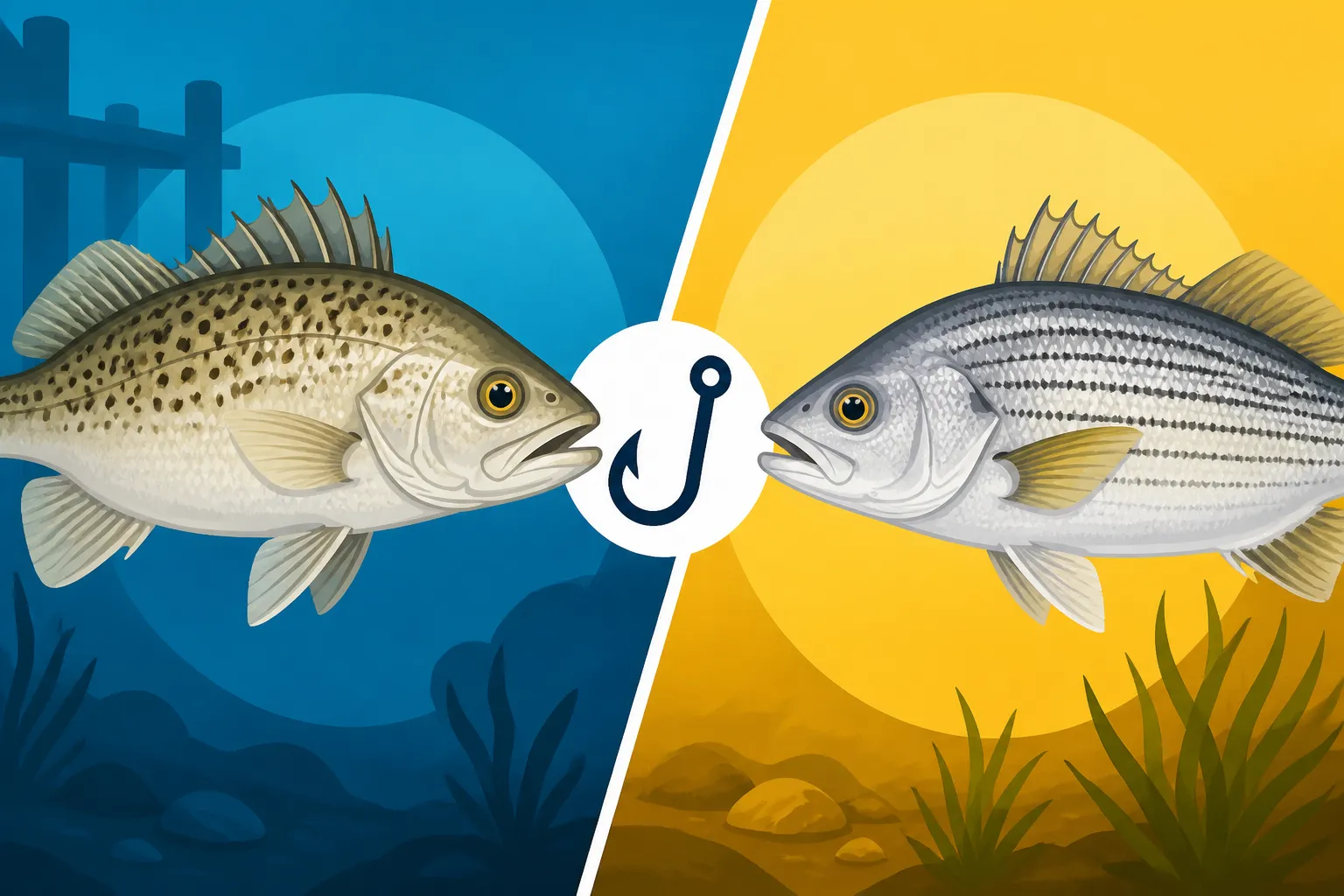
What’s the Difference Between Spot and Croaker?
It's a common scene on the docks and piers of Maryland's Chesapeake Bay: an angler proudly holds up a shimmering fish, only to have a friendly debate erupt over whether it's a spot or a croaker. Many folks, especially those new to fishing our beautiful waters, often struggle to tell these two popular panfish apart. While they frequently share the same haunts and even end up in the same cooler, understanding the subtle differences between spot and croaker can actually help you fine-tune your approach, from bait selection to how you target them. This guide is here to clear up that confusion, giving you the insider knowledge to confidently identify your catch and maybe even catch more of them!
Unpacking the Visual Cues: Spot vs. Croaker Anatomy
When you're trying to quickly identify a fish, the first thing you look for are those standout physical traits. Both spot and croaker are part of the drum family, so they share some similarities, but they each have distinct features that, once you know them, make telling them apart a breeze. It’s not just about their general size; it’s in the details, from their mouths to their fins.
Spot: The Chesapeake's Little Striped Gem
The Atlantic croaker, or just "spot" as we lovingly call them here in Maryland, gets its name from that very prominent, well, spot! You'll typically find a distinct dark spot right behind their gill plate, which is often the quickest giveaway. But there's more to them than just that.
- Body Shape and Coloration: Spot tend to have a more compressed, oval-shaped body compared to the croaker. Their coloration is usually a silvery-bronze, with several yellowish-brown, oblique stripes that run from their back down to their sides. These stripes are a crucial identifier, often appearing as broken lines or a series of dots. Think of it like a subtle, intricate pattern that blends into their surroundings. They usually don't grow as large as a croaker, often topping out around 10-12 inches, though bigger ones are certainly caught.
- Mouth and Barbel: Take a closer look at a spot's mouth. It's generally smaller and more downward-pointing, designed for nibbling small invertebrates and detritus off the bottom. What's truly distinctive, though, are the tiny, almost whisker-like barbels under their chin. These aren't as long or prominent as those on a catfish, but they are there, acting like sensory organs to help them forage in muddy or murky water. If you feel carefully, you can often detect these little feelers.
- Tail Fin: The tail fin of a spot is typically forked, though not as deeply as some other fish. It gives them a streamlined appearance, perfect for maneuvering in the currents of the bay.
Croaker: The Noisy Neighbor with a Golden Glow
The Atlantic croaker, the other half of our duo, is known for the distinctive "croaking" sound it makes, especially when brought out of the water. This sound, produced by vibrating muscles against their swim bladder, is a dead giveaway even if you can't see the fish yet!
- Body Shape and Coloration: Croakers usually have a more elongated, torpedo-like body than a spot, and they tend to grow considerably larger, often reaching 15-20 inches, with some giants pushing even bigger. Their overall coloration is a silvery-tan or yellowish-gold, especially noticeable on their belly. They have vague, brassy or golden streaks that run horizontally along their sides, but these are far less distinct and less patterned than the spot's stripes. Sometimes these streaks are barely visible at all, giving them a more uniform appearance.
- Mouth and Teeth: Unlike the spot's small, sub-terminal mouth, a croaker's mouth is more terminal, meaning it's located at the very front of their head. They also possess small, sharp teeth in their jaws, which help them crush shellfish and small crustaceans – a key difference that reflects their diet. They do not have the small barbels under their chin like the spot, which is another excellent distinguishing feature.
- Tail Fin: A croaker's tail fin is generally more pointed or wedge-shaped, rather than distinctly forked. This can give their profile a slightly different look when you're comparing them side-by-side.
A Quick Visual Comparison
To help you get a handle on the main differences, here’s a handy table you can refer to next time you’re on the water.
| Feature | Spot (Atlantic Croaker) | Croaker (Atlantic Croaker – yes, confusing, I know!) |
|---|---|---|
| Common Size | 6-12 inches | 10-20 inches (can be larger) |
| Distinct Mark | Prominent dark spot behind gill plate | No distinct spot |
| Body Shape | More compressed, oval | More elongated, torpedo-like |
| Coloration | Silvery-bronze with yellowish-brown oblique stripes/dots | Silvery-tan/yellowish-gold with vague horizontal brassy streaks |
| Mouth | Smaller, sub-terminal (downward-pointing), small barbels | More terminal (front-facing), small sharp teeth, no barbels |
| Tail Fin | Forked | Pointed or wedge-shaped |
| Sound | Generally quiet | Makes a distinct "croaking" sound when handled |
Remember, while the name "Atlantic Croaker" is actually the species name for the fish we just called "croaker" in our table, many Marylanders informally use "spot" for the smaller, spot-marked fish, and "croaker" for the larger, noisier ones. So, when you're talking to local anglers, it helps to know this common distinction!
Habitat and Behavior: Where to Find Them and What They're Up To
Both spot and croaker are bottom dwellers, but understanding their preferred haunts and daily routines can drastically improve your chances of a successful day out. They both love the Chesapeake Bay, but they have their favorite hangouts and diets that dictate where they'll be biting.
The Bottom-Dwelling Habits of Spot
Spot are truly the quintessential bottom feeders of the Chesapeake Bay. They are not particular about depth, showing up in shallow creeks and deeper channels alike, but they do have preferences that drive their movements.
- Preferred Bottom Types: These little guys absolutely adore soft, muddy, or sandy bottoms. Think of the vast expanses of the Chesapeake's shallower reaches, the gentle slopes of tidal creeks, or the silty areas around oyster beds. They're constantly grubbing around, using those tiny barbels to feel for buried snacks. If you're drifting over a soft bottom with some grass or structure nearby, you're likely in a spot zone.
- Dietary Habits: Spot are opportunistic feeders, but their diet consists mostly of small invertebrates. This includes tiny crustaceans, marine worms, clam siphons, and even detritus. They don't have big, crushing jaws like some other bottom feeders; instead, they sift through the mud and sand, picking out whatever tasty morsel they can find. This is why small baits work so well for them! You'll rarely see a spot chasing down a baitfish; they prefer the sedentary buffet on the bottom.
- Seasonal Movements: Spot are warm-water fish. They migrate into the Chesapeake Bay in spring as water temperatures rise, typically around May, and stay through the summer and into the fall. As the water cools in late fall, usually around October or November, they head out of the Bay and into deeper ocean waters to overwinter. During their time in the Bay, they'll move with the tides, often congregating in deeper channels during strong currents and moving into shallower flats during calmer periods to feed.
Croaker: Aggressive Bottom Foragers
Croakers, while sharing the bottom with spot, tend to be a bit more assertive in their feeding and can be found in a wider variety of depths and structures. Their larger size and more robust mouth reflect a broader, more aggressive diet.
- Preferred Bottom Types and Structure: Like spot, croaker love soft bottoms, but they aren't quite as restricted to them. You'll find them holding around oyster reefs, shell beds, channel edges, and even around bridge pilings and artificial reefs. They appreciate structure that offers ambush points or concentrations of food. If you're fishing near the Bay Bridge Pilings for Striped Bass, you might just hook into a nice croaker as well.
- Dietary Habits: Croakers have a more varied diet than spot. They’ll eat small fish, shrimp, crabs, clams, and worms. Their stronger jaws and teeth allow them to crush harder shells, giving them access to a wider range of food sources. This means they're often found where there's a good mix of prey, from tiny minnows to small crabs. They are particularly fond of the peeler crab shed that often occurs in the Bay.
- Seasonal Movements: Croakers also migrate into the Bay in spring and out in fall, following similar temperature cues as spot. However, they tend to arrive a bit earlier and stay a bit longer, sometimes being caught well into late November or even early December in deeper, warmer pockets of the lower Bay. During their stay, you'll find them in deeper channels during the heat of summer and moving into shallower areas during cooler mornings or evenings. They’re a fantastic target during the warmer months, making them a popular choice for many anglers throughout the Best Time of Year to Fish in Maryland.
Fishing for Spot and Croaker: Techniques and Baits
Knowing what to fish for and where they live is only half the battle. The real fun begins when you start to think about how to catch them! Thankfully, both spot and croaker respond well to similar, relatively simple fishing techniques, making them fantastic targets for anglers of all skill levels, especially beginners and families.
Simple and Effective Rigs for Bottom Dwellers
When it comes to tackle, you don't need anything fancy for these two. Light to medium spinning gear is perfect. A 6 to 7-foot rod with a reel spooled with 8-15 pound test monofilament or braid will handle most of the spot and croaker you'll encounter.
- The Classic Bottom Rig: This is your bread and butter rig for both species. It consists of two hooks (usually size 4 to 1/0, depending on target size) tied above a lead sinker. The sinker keeps your bait on the bottom where these fish feed, and the two hooks increase your chances of a bite. You can find pre-tied bottom rigs easily at any tackle shop or even on Amazon, which can save you a lot of time and fiddling with knots. It's often called a "fish-finder rig" or a "top-and-bottom rig."
- Fish-Finder Rig: While often used for larger species, a scaled-down fish-finder rig can be effective for larger croaker. This rig allows your line to slide freely through a sinker, meaning the fish can pick up the bait without feeling the weight of the sinker, giving you a better bite indication. This is particularly useful when you're targeting bigger croaker that might be a bit more cautious.
- Weight Considerations: The amount of weight you need will depend on the current and depth. In strong currents, like those found around the Chesapeake Bay Bridge or in deeper channels, you might need a 2-4 ounce pyramid or bank sinker to hold bottom. In calmer waters or shallower creeks, a lighter 1/2 to 1-ounce sinker will suffice. The goal is to keep your bait on the bottom, but not to use so much weight that you can't feel the bites.
The Best Baits to Entice a Bite
Both spot and croaker are not particularly picky eaters, which is one of the reasons they're so popular. However, some baits certainly outperform others, especially fresh ones.
- Bloodworms: This is hands-down the MVP bait for both spot and croaker. They absolutely go crazy for bloodworms. The scent trail they release in the water is irresistible. A small piece on each hook of your bottom rig is often all it takes. While they can be a bit pricey, they are incredibly effective. You can often find them at local bait shops, but sometimes in a pinch, you can find freeze-dried versions on Amazon, though fresh is always best.
- FishBites: A fantastic alternative to bloodworms, especially if you want something less messy and longer-lasting. FishBites come in various scents and colors, and the bloodworm scent is particularly potent for spot and croaker. They stay on the hook well, even through nibblers, and are easy to store.
- Squid: Small pieces of cut squid are another excellent option. It's tough, stays on the hook well, and has a natural scent that attracts both species. Many anglers will "tip" a bloodworm or FishBite with a small piece of squid for added attraction and to keep the bait on the hook longer.
- Peeler Crab: For targeting larger croaker, especially during the summer, fresh peeler crab is incredibly effective. It's a bit more effort to get and prepare, but the results can be well worth it, often leading to bigger, meatier croaker.
- Shrimp: Small pieces of fresh or frozen shrimp can also work, though they tend to be softer and can be picked off the hook more easily by smaller fish.
- Cut Bait: Very small pieces of fresh cut spot or croaker (if you've already caught some!) can sometimes attract bigger croaker, mimicking natural prey.
When you're fishing, cast your rig out, let it sink to the bottom, and tighten your line just enough to feel the weight. Then, wait for those distinctive taps and tugs. Spot often give a rapid series of nibbles, while a croaker’s bite can be a more pronounced thump or sustained pull. Don’t be afraid to leave your rod in a fishing rod holder while waiting for a bite, but keep a close eye on it!
Culinary Value and Regulatory Notes
So, you’ve caught some spot and croaker – congratulations! Now comes the best part: deciding what to do with your catch. Both species are excellent table fare, and understanding the regulations ensures you're fishing responsibly and sustainably.
Delicious Dining: Spot and Croaker on the Plate
Both spot and croaker are highly regarded for their flavor, offering tender, flaky white meat that’s mild and delicious. They are a staple of many Chesapeake Bay seafood restaurants and family dinners.
- Spot: These smaller fish are often fried whole after being scaled and gutted. The small bones are easy to navigate, and the crispy skin adds a wonderful texture. Their mild flavor makes them incredibly versatile, perfect with just a dash of salt and pepper or a more elaborate seasoning mix. They’re also excellent pan-seared or baked.
- Croaker: Since croakers tend to be larger, they are often filleted. The fillets are thicker and meatier, making them ideal for frying, baking, grilling, or broiling. Their flesh is similarly mild, sweet, and flaky. Many people find croaker to be one of the best-tasting fish in the Bay. They can even be a delicious ingredient in fish tacos or a hearty fish stew.
Beyond the plate, both spot and croaker also serve a vital role in the ecosystem. Younger spot, in particular, are frequently used as live bait for larger predatory fish like striped bass (rockfish) in the Chesapeake Bay. Many anglers will catch small spot specifically for Live-Lining Spot for Maryland's Chesapeake Bay Rockfish because they are so effective.
Keeping It Legal: Maryland Regulations
Fishing in Maryland comes with specific rules and regulations designed to protect fish populations and ensure healthy fisheries for generations to come. It’s absolutely essential to stay informed about current limits, as they can change.
- Size and Creel Limits: Both spot and croaker typically have daily creel (or bag) limits, which specify how many you can keep per day. Historically, there haven't been strict size limits on spot, allowing anglers to keep most of what they catch. Croaker, however, sometimes have a minimum size limit, meaning they must be a certain length to be legally kept. These regulations are subject to change annually, sometimes even mid-season, based on stock assessments and management goals. Always consult the latest Maryland Department of Natural Resources (DNR) fishing guide or website before heading out. This is where topics like Maryland Fishing Size and Catch Limits by Species become incredibly important.
- Responsible Harvesting: Even without a strict size limit, practicing responsible harvesting is key. Only keep what you can realistically eat, and consider releasing larger breeding fish, especially if you’re just looking for dinner. Healthy populations ensure good fishing for everyone down the line.
- License Requirements: Remember, almost all recreational fishing in Maryland requires a license. Whether you're fishing from a boat, pier, or the shore, you'll need the appropriate Maryland Fishing License Guide for 2026 or Maryland Saltwater Angler Registration Requirements if you're targeting tidal waters. There are some exceptions, such as Maryland Free Fishing Days or for young children, but it's always best to be sure. Fishing without a license can result in fines and other penalties, as highlighted in Maryland Fishing License Penalties for Violations.
By understanding the subtle yet important differences between spot and croaker, from their physical appearance to their preferred habitats and the best ways to catch and prepare them, you’re not just becoming a more knowledgeable angler – you’re becoming a better steward of Maryland’s incredible fishing resources. Happy fishing, and tight lines!
Disclaimer
This article is for general informational purposes only and does not constitute professional advice. Laws, prices and regulations vary by location and change over time. Consult a qualified professional for guidance on your specific situation.