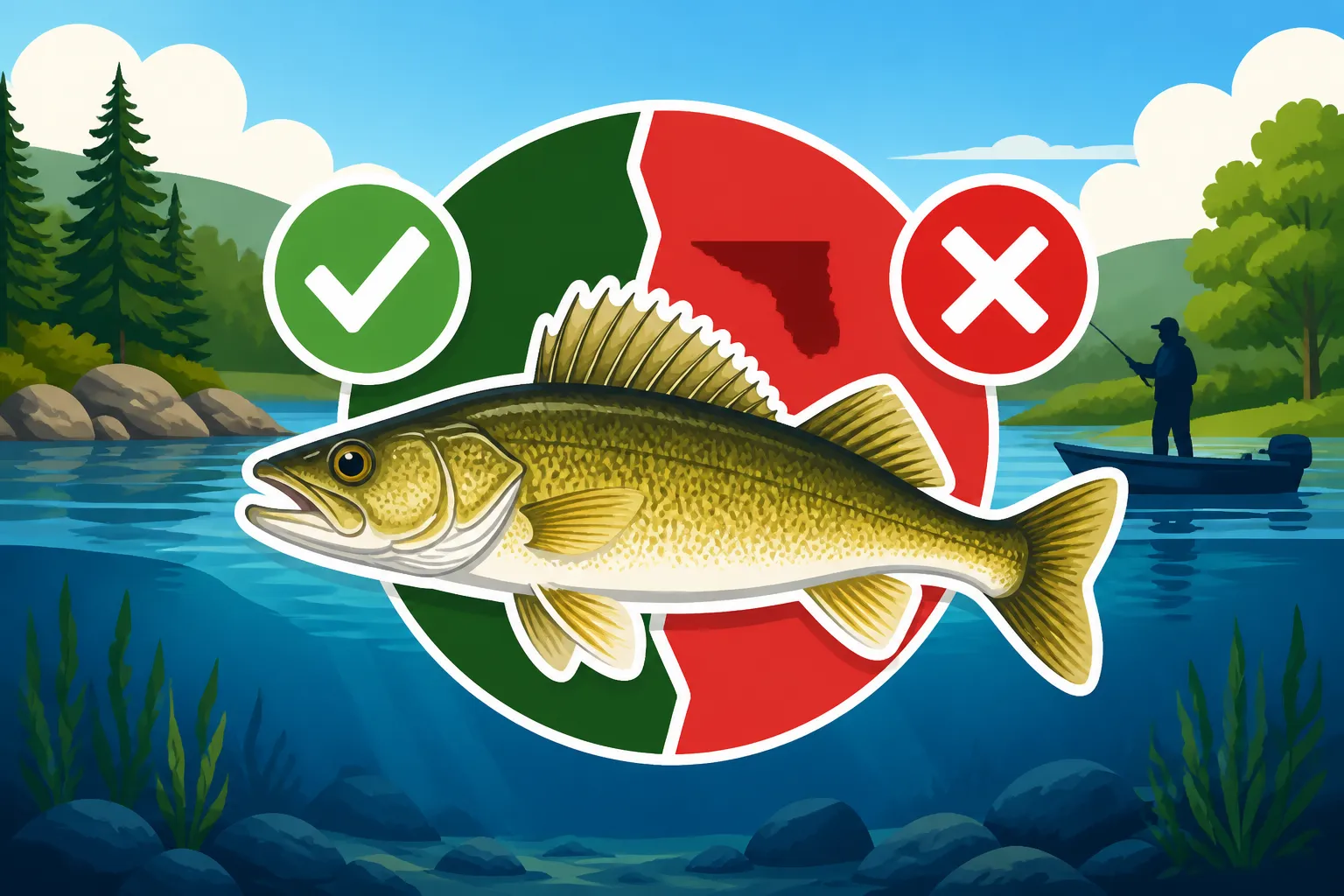
Are Walleye Native to Deep Creek Lake?
It’s a question many anglers ponder as they cast their lines into the glittering waters of Deep Creek Lake: just how did these elusive walleye come to be here, and have they always been a part of this stunning Western Maryland ecosystem? The truth is, understanding the history of a fish species in a particular body of water often reveals a fascinating story of human intervention, ecological balance, and the ongoing efforts to create and maintain thriving fisheries. This guide will dive deep into the origins of walleye in Deep Creek Lake, explain why their presence is significant, and share how this knowledge can actually make you a more successful angler.
The Walleye in Deep Creek Lake: Are They Locals or Transplants?
Let's cut right to the chase: walleye are not native to Deep Creek Lake. While they are a beloved and highly sought-after game fish in many parts of North America, their presence in Deep Creek Lake is a direct result of stocking efforts by the state's natural resource agencies. This might surprise some folks who have been fishing here for years and consider them a staple, but it's a testament to the success of those programs.
For generations, the Maryland Department of Natural Resources (DNR) has worked to enhance fishing opportunities across the state, and that includes introducing species that can thrive in specific environments while providing excellent angling experiences. Deep Creek Lake, with its cool, deep waters and abundant forage, proved to be an ideal candidate for establishing a self-sustaining walleye population, even if it wasn't their original home turf.
A Brief History of Walleye in Maryland
The story of walleye in Maryland actually goes back decades, with stocking efforts initiated in various lakes and reservoirs well before Deep Creek Lake became the prime walleye destination it is today. Early attempts might have been hit or miss in some locations, as fisheries biologists learned more about habitat requirements, water quality, and the challenges of establishing a non-native species. It’s a delicate dance, ensuring that a new introduction doesn't disrupt the existing ecological balance or outcompete native fish for resources.
For Deep Creek Lake, the introduction of walleye was a strategic move to diversify the fishery and offer anglers a unique challenge. Unlike many other species, walleye are known for their superb table fare and their elusive nature, making them a prized catch. The decision to introduce them wasn't made lightly; it involved extensive research into the lake's conditions, the potential for walleye to spawn and reproduce, and how they would interact with other fish species already present. How Maryland Decides Which Rivers Get Stocked touches on some of these considerations for other stocking programs.
Stocking Efforts and Their Success
The walleye population in Deep Creek Lake today is largely sustained by regular stocking programs carried out by the Maryland DNR. While there is some evidence of natural reproduction, it's often not enough to maintain the robust population that anglers enjoy. Each year, thousands of walleye fingerlings – young fish typically a few inches long – are released into the lake. These fingerlings are usually raised in hatcheries, carefully nurtured to a size where they have a better chance of survival once introduced to the wild.
This continuous stocking is a significant investment, both in terms of resources and manpower, but it pays off in the form of a vibrant and productive fishery. When you reel in a beautiful walleye from Deep Creek Lake, you're not just catching a fish; you're experiencing the successful outcome of years of dedicated management. These efforts are often funded, in part, by fishing license sales and excise taxes on fishing gear, making every angler a contributor to the health of the fishery. Many anglers prepare for their Deep Creek adventures by stocking up on essential gear from retailers like Amazon, knowing their purchases indirectly support these vital conservation programs.
Why Does It Matter If They're Native? Ecological Impact and Management
The question of whether a species is native or not goes beyond mere trivia; it delves into the complex world of ecology, biodiversity, and responsible resource management. When a non-native species is introduced, even with good intentions, it creates ripples throughout the ecosystem. Understanding these impacts is crucial for maintaining a healthy and balanced environment for all aquatic life.
For Deep Creek Lake, the walleye introduction has been generally positive, but that doesn't mean it comes without careful monitoring. The goal is always to enhance, not harm, the natural environment. Fisheries biologists constantly study fish populations, growth rates, and food web dynamics to ensure that the walleye are thriving without causing undue stress on other species.
The Role of Walleye in the Deep Creek Ecosystem
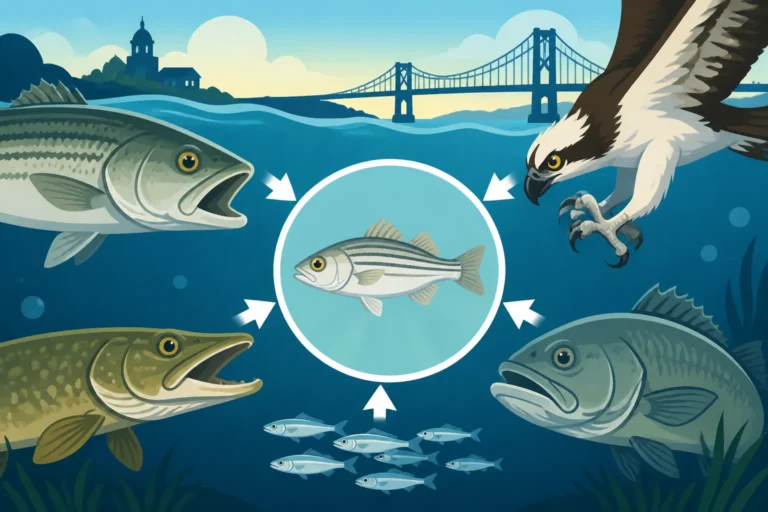
Walleye are apex predators in the Deep Creek Lake food chain, feeding primarily on smaller baitfish like yellow perch, bluegill, and various minnow species. Their presence helps to regulate these baitfish populations, which can, in turn, influence the health and size of other game fish. For instance, if a lake becomes overpopulated with stunted panfish, introducing a predator like the walleye can actually improve the overall health of those panfish by thinning their numbers and reducing competition for food.
However, the balance is delicate. Too many walleye, or an introduction into an environment where they don't have suitable natural controls, could potentially reduce baitfish populations to a point where other species also suffer. In Deep Creek Lake, the DNR aims for a balance, ensuring that there's enough food for the walleye to grow large, while still leaving ample forage for other popular species like bass and trout. This careful management ensures that the fishery remains diverse and productive.
Balancing Sport Fishing and Environmental Health
The ultimate goal of walleye management in Deep Creek Lake is to strike a balance between providing excellent sport fishing opportunities and maintaining the ecological integrity of the lake. This involves setting appropriate Maryland Fishing Size and Catch Limits by Species, monitoring population trends, and continuing the stocking programs as needed. For anglers, this means adhering to regulations is more than just following rules; it's actively participating in the long-term health of the fishery.
For example, understanding the walleye's lifecycle and preferred habitat helps anglers fish more responsibly. During spawning periods, for instance, certain areas might have restrictions to protect breeding fish. This kind of nuanced management ensures that future generations can also enjoy the thrill of catching Deep Creek Lake walleye. The success story of walleye in Deep Creek is a prime example of how thoughtful, science-based fisheries management can create a fantastic recreational resource while minimizing negative environmental impacts.
Fishing for Walleye in Deep Creek Lake
Now that we know walleye are a welcome, if non-native, resident of Deep Creek Lake, let's talk about the exciting part: catching them! Walleye are often called "low light" fish because they tend to be most active during dawn, dusk, and even after dark. This characteristic can make them a challenging but incredibly rewarding target for anglers. If you're planning a trip, be sure to check out the comprehensive Deep Creek Lake Fishing Guide.
Deep Creek Lake offers fantastic opportunities for walleye, but it pays to be prepared. From understanding their preferred depths to selecting the right lures, a little planning goes a long way. Many seasoned anglers will tell you that the walleye bite can be subtle, sometimes feeling like just a little extra weight on your line, so paying close attention is key.
Best Times and Techniques for Catching Walleye
Walleye fishing in Deep Creek Lake really shines during the spring and fall. In the spring, after the ice melts, walleye will move into shallower areas, especially around rocky points and gravel beds, as they prepare to spawn. This is a prime time for vertical jigging or slowly trolling stickbaits. As summer progresses, they tend to move deeper, seeking cooler, oxygen-rich waters. This means targeting drop-offs, underwater humps, and the deepest parts of the lake. Fishing Deep Creek Lake for Walleye offers specific strategies.
Fall brings another excellent bite as walleye feed aggressively to pack on weight for the winter. They might be found shallower again, especially during overcast days. Trolling with crankbaits or even using live bait like minnows or nightcrawlers on a bottom rig can be very effective. Night fishing can be incredibly productive, as walleye's large, light-sensitive eyes give them an advantage over their prey in low-light conditions. Always remember to check the current Maryland Fishing Size and Catch Limits by Species before you head out.
Essential Gear for Deep Creek Walleye Fishing
To successfully target walleye in Deep Creek Lake, you'll want to equip yourself with the right gear. A medium-light to medium action spinning rod, paired with a reliable reel spooled with 6-10 lb test monofilament or braided line, is a good starting point. Fluorocarbon leaders are often preferred for their low visibility in clear Deep Creek waters.
When it comes to lures, a variety is best:
- Jigs: Lead head jigs tipped with soft plastics (grubs, paddle tails) or live bait (minnows, nightcrawlers) are a walleye staple, especially for vertical jigging.
- Crankbaits and Stickbaits: Trolling these at different depths can cover a lot of water and entice bites from active fish. Look for baits that dive to the depths where walleye are holding.
- Spinner Rigs: Often used with live bait, these setups can be trolled or drifted.
- Live Bait: Minnows and nightcrawlers are tried-and-true walleye magnets. You can purchase specific walleye lures and tackle on platforms like Amazon to ensure you have what you need before your trip.
Don't forget the essentials for any fishing trip, like a Maryland Fishing License Guide for 2026, a good pair of pliers, a net, and a cooler for your catch. If you plan to use multiple rods, make sure you understand What Is Maryland's Two-Pole Endorsement? requirements.
Understanding Deep Creek Lake's Unique Fishery
Deep Creek Lake isn't just a walleye hotspot; it's a diverse fishery that offers something for every angler. Its unique characteristics, from its mountainous setting to its depths, create habitats for a variety of species. Knowing what else swims beneath the surface not only broadens your fishing horizons but also helps you appreciate the comprehensive management strategies in place.
The overall health of the lake's ecosystem is a top priority, and that means considering all its inhabitants, from the smallest baitfish to the largest predators. This holistic approach ensures that Deep Creek remains one of the Best Maryland Lakes for Freshwater Fishing.
Other Popular Species in Deep Creek Lake
While walleye certainly steal the show for many, Deep Creek Lake is home to several other fantastic game fish that provide exciting angling opportunities.
- Smallmouth Bass: These feisty fighters thrive in the lake's rocky shores and deeper structure. They offer a powerful battle on light tackle and are highly sought after.
- Largemouth Bass: While perhaps not as prevalent as smallmouth, good populations of largemouth can be found in shallower, weedier areas and around fallen timber.
- Trout: Rainbow and brown trout are regularly stocked and offer a great cold-water fishery, especially in the deeper, cooler parts of the lake.
- Chain Pickerel: These aggressive predators lurk in weed beds and offer explosive strikes, particularly on spinnerbaits and spoons.
- Panfish: Bluegill, crappie, and yellow perch are abundant, providing excellent action for kids and a great meal. Yellow perch, in particular, are a significant food source for the walleye.
The diversity of species means you can switch tactics throughout the day, targeting different fish based on conditions or simply what strikes your fancy. This variety makes Deep Creek a truly special place for anglers.
Conservation and Future of the Fishery
The future of walleye and all fish species in Deep Creek Lake relies heavily on ongoing conservation efforts. This isn't just about stocking fish; it's about protecting water quality, managing shoreline development, and educating anglers on responsible fishing practices like catch and release, especially for larger breeding fish. The Maryland DNR continuously conducts surveys, collects data, and adjusts management plans to adapt to changing environmental conditions and fishing pressure.
As anglers, we have a vital role to play in this conservation. Practicing selective harvest, properly releasing fish, and being mindful of our impact on the environment ensures that the lake remains a pristine and productive fishery for generations to come. When you purchase fishing gear from an online retailer like Amazon, you're not just getting tackle; you're also part of a larger ecosystem that supports the very fishing you love, through the funding mechanisms that help manage these incredible natural resources. Whether it's a native species or a successfully introduced one, every fish in Deep Creek Lake is a treasure worth protecting.
Disclaimer
This article is for general informational purposes only and does not constitute professional advice. Laws, prices and regulations vary by location and change over time. Consult a qualified professional for guidance on your specific situation.