Are Snakehead Dangerous to Humans?
There's a lot of chatter and even some understandable fear surrounding the northern snakehead in Maryland waters. Many anglers and folks just enjoying our beautiful waterways worry about encountering these fish, especially given their somewhat sensationalized reputation. The good news is, while they are indeed a unique and invasive species, the real danger they pose to humans is often greatly exaggerated. This guide will dive deep into what northern snakeheads are, how they behave, and what the actual risks are for you and your family when you're out fishing or recreating in Maryland.
Understanding the Northern Snakehead's Reputation
When you hear about a fish that can "walk on land" and has a mouthful of sharp teeth, it's natural for your imagination to run wild. The northern snakehead, with its distinct appearance and aggressive predatory nature, certainly captures attention, and sometimes, that attention veers into myth and exaggeration. People often picture a creature that will actively hunt down and attack a person, much like a scene from a creature feature movie. But let's take a breath and look at the reality.
Physical Characteristics and the "Walking Fish" Myth
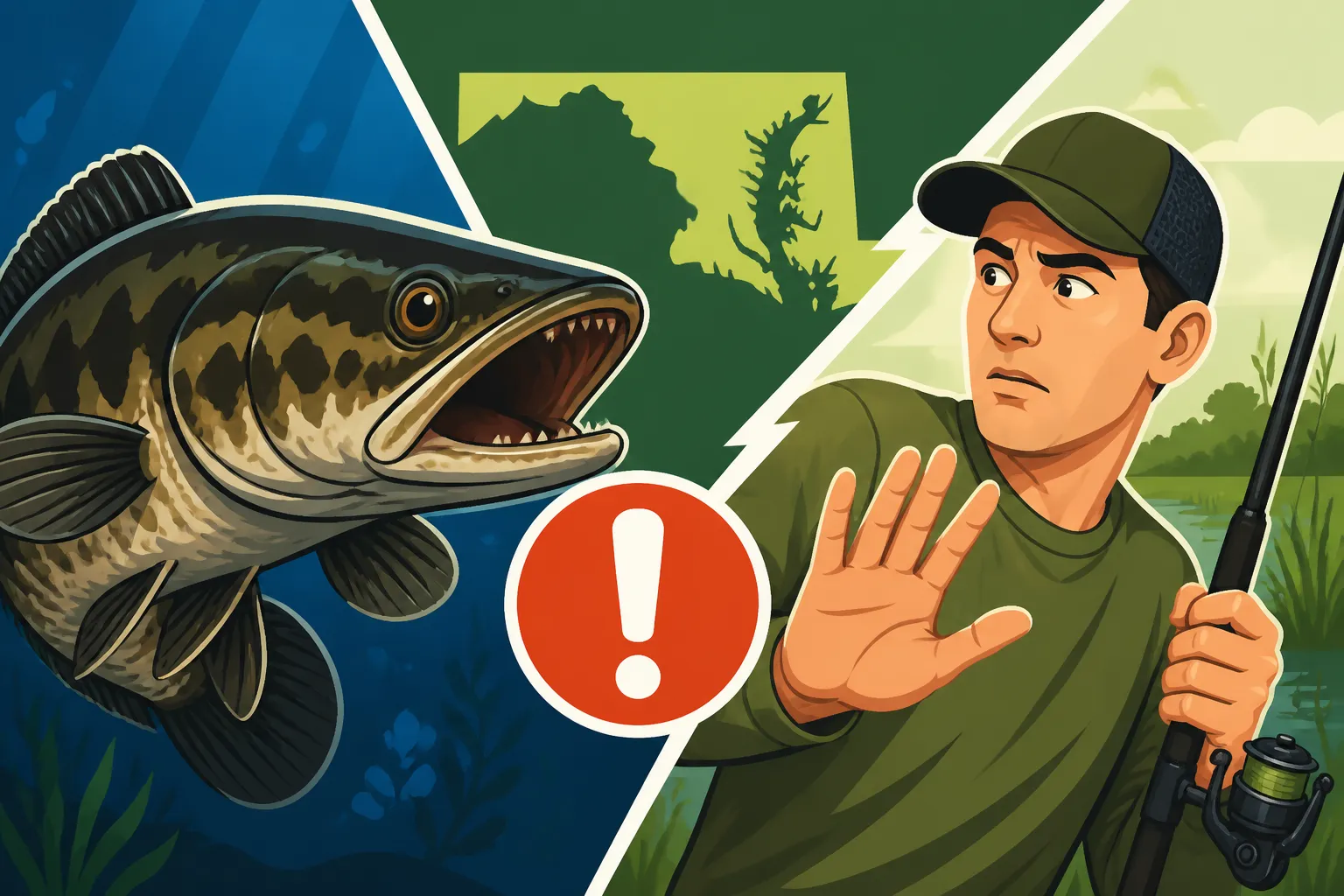
The northern snakehead (Channa argus) is easily identified by its long, cylindrical body, often mottled brown and tan, resembling a snake or even a Bowfin, though How to Identify a Northern Snakehead in Maryland can help you tell the difference. They have a long dorsal fin, no pelvic fins, and a pronounced, somewhat flattened head with a large mouth full of sharp, needle-like teeth. These teeth are certainly intimidating, and they are perfectly adapted for ambushing and holding onto their prey.
As for the "walking fish" myth, it's not entirely a myth, but it's often misunderstood. Snakeheads can survive out of water for a period, breathing atmospheric air with a special organ above their gills. This allows them to "wriggle" or "slither" across short distances of wet grass or mud from one water body to another, especially when their current habitat is drying up or food is scarce. They don't sprout legs and go on a stroll through a park. This ability makes them incredibly resilient and helps them spread to new waterways, which is a major concern for local ecosystems, but it doesn't mean they're going to chase you down on the bank.
Why They're Invasive, Not Dangerous to Humans
The primary reason Maryland, and many other states, views the northern snakehead with such concern isn't because they're a threat to humans, but because they are an invasive species. They aren't native to North America and were introduced, likely through accidental or intentional releases of aquarium fish. In their native ranges in Asia, they are a valuable food source, but here, they disrupt delicate ecosystems.
Once established, they compete with native species like bass, perch, and crappie for food and habitat. Their voracious appetite means they can significantly reduce populations of other fish, frogs, and even small crustaceans. This is why the Maryland Department of Natural Resources (DNR) has strict rules, like Maryland Invasive Fish Rules: Blue Catfish and Snakehead, encouraging anglers to harvest them and prohibiting their live release or transport. The danger they pose is to our aquatic biodiversity and fishing opportunities, not typically to people swimming or wading.
Snakehead Behavior and Human Interaction
Understanding how snakeheads typically behave is key to putting their perceived danger into perspective. Most interactions with humans happen when anglers catch them, or sometimes, during periods of spawning. They are largely ambush predators, preferring to hide in dense vegetation or submerged structure, waiting for prey.
Defensive vs. Aggressive Behavior
Like almost any wild animal, a snakehead will defend itself if it feels threatened, especially if it's caught and handled. Their bite, while certainly capable of inflicting a nasty wound due to those sharp teeth, is a defensive reaction, not an unprovoked attack. Imagine being pulled from your home by a giant and then prodded; you'd probably bite too!
They aren't known to actively stalk or attack humans in the water. Swimmers, kayakers, and paddleboarders generally have nothing to fear. If a snakehead were to strike, it would almost certainly be a case of mistaken identity, perhaps mistaking a dangling finger or toe for a small fish or frog, which is highly unlikely given their typical feeding habits and the size difference. Think of it more like stepping on a sharp stick in the water than a shark attack.
Spawning and Parental Care: A Time for Caution
There is one period when snakeheads can exhibit more assertive behavior: during their spawning season, which typically occurs from late spring through summer. Female snakeheads lay eggs in floating nests made of vegetation, and both parents are known for their diligent guarding of these nests and their fry. They'll aggressively protect their young from perceived threats, which can include curious anglers or even boats passing too close.
During this time, if you accidentally venture too near a nest, a snakehead might charge or even bump you as a warning. It's a territorial display, not an attempt to consume you. It’s similar to how a goose might hiss and chase you if you get too close to its goslings. Being aware of this behavior and giving any visible snakehead nests a wide berth is a good practice. Where Snakehead Feed in Shallow Maryland Water often highlights areas with dense cover where they might build these nests.
Accidental Encounters and How to React
Most human encounters with snakeheads are through fishing. If you're fishing in waters known to hold snakeheads, such as parts of the Potomac River or its tributaries, be prepared to catch one. When you do, the key is calm, careful handling.
If you're wading or swimming, and you see a snakehead, the best thing to do is simply back away slowly. They're not interested in confronting you. They’re much more likely to dart away and hide than to approach. Their primary goal is survival and feeding, not confrontation with something much larger than themselves.
Are There Documented Cases of Attacks?
This is the million-dollar question, and the simple answer is: serious, unprovoked attacks on humans by northern snakeheads are virtually unheard of in Maryland or anywhere else they've been introduced.
Dispelling Sensationalism
The image of a snakehead leaping from the water to attack a person is pure Hollywood. While they are fierce predators within their own ecosystem, designed to ambush fish, frogs, and other small aquatic creatures, they simply aren't built to be a threat to large mammals like humans. Most of the sensational stories you might hear are either misinterpretations, exaggerated tales, or isolated incidents where an angler was bitten while improperly handling a hooked fish.
Compare this to the actual risks we face in the outdoors: bee stings, tick bites, or even just slipping on a wet rock. Those are far more common and pose a much higher, albeit still low, risk than a snakehead attack. The biggest "threat" they pose to an angler is potentially bending or breaking gear if you're not using appropriate tackle.
Actual Risks Associated with Fishing and Handling
The real risk comes down to how you handle a caught fish. Those sharp teeth aren't for show, and if a snakehead thrashes on the deck of your boat or on the bank and you have your hand in the wrong place, you could get a deep cut or puncture wound. This is a risk with many predatory fish, from bluefish to pickerel, and it’s why proper handling tools are so important.
The other "risk" some anglers face is the surprise factor. Catching a snakehead can be startling, especially if you're not expecting it. They fight hard and can put up a strong battle, which is why many anglers actually enjoy targeting them. Just make sure you're ready for it!
Safety Precautions When Encountering Snakeheads
So, while we've established that snakeheads aren't likely to launch themselves at you, it's still smart to be prepared, especially if you're intentionally targeting them or fishing in known snakehead hotspots like the Blackwater River or portions of the Potomac.
Proper Handling Techniques for Anglers
When you catch a snakehead, remember the rules: they cannot be released alive in Maryland. What to Do If You Catch a Snakehead in Maryland clearly outlines this, emphasizing the need to kill them immediately. This means you’ll need to handle them carefully.
- Use a Net or Gripper: Don't try to lip a snakehead like a bass. Their teeth are unforgiving. A sturdy landing net is invaluable for getting them into the boat or onto the shore. Fish grippers are also excellent tools for securely holding the fish without putting your hands near its mouth.
- Control the Head: Once you have the fish, gain control of its head. They are incredibly powerful and can flop around, making them difficult to manage.
- Dispatch Humanely: Maryland regulations require immediate dispatch. A sharp blow to the head with a club or priest is effective, or a knife through the brain. Be quick and humane.
- Gloves: Consider wearing heavy-duty gloves, especially if you're nervous about handling. While they won't stop a direct puncture from a tooth, they add a layer of protection against scrapes and slime.
Gear Recommendations for Safety
Having the right tools can make all the difference in safely handling any fish, especially a toothy one. You can find many of these essentials on platforms like Amazon, ensuring you're well-equipped.
- Fish Grippers: A good pair of stainless steel fish grippers can clamp onto a snakehead's lower jaw, allowing you to lift and control it away from your body. Look for ones with comfortable handles and a strong grip.
- Long-Nose Pliers or Hook Removers: These are crucial for extracting hooks without putting your fingers anywhere near those teeth. A 10-inch pair of pliers is a great all-around tool.
- Heavy-Duty Gloves: As mentioned, robust fishing gloves offer a layer of protection.
- Fish Club/Priest: For humane dispatch. You can find a basic one or even use a stout piece of wood.
- Cooler with Ice: Once dispatched, place the snakehead directly on ice to keep the meat fresh. They are excellent table fare!
When choosing gear, think about durability and ease of use. A quick search on Amazon for "fish grippers" or "long nose fishing pliers" will give you plenty of options that will make your snakehead encounters safer and more manageable.
What to Do If You Catch One
Remember, the Maryland DNR wants you to remove these fish. So, if you catch a northern snakehead:
- Do NOT release it alive. This is a critical regulation.
- Dispatch it humanely and immediately.
- You can keep it to eat! They are quite tasty. Just make sure it's kept cool.
- Report the catch (optional but helpful): While not always mandatory, reporting your catch, especially if it's in a new area, can provide valuable data to the DNR.
Knowing Why Snakehead Can't Be Released in Maryland helps emphasize the importance of these rules.
The Bigger Picture: Conservation and Management
The focus on snakeheads being "dangerous" often overshadows the real issue: their ecological impact. Maryland's efforts to manage this species are entirely about protecting native fish populations and maintaining the health of our waterways, not about safeguarding humans from attack.
Ecological Impact, Not Human Threat
Think of the delicate balance in a freshwater ecosystem. Native fish like largemouth bass, sunfish, and White Perch in Maryland's Chesapeake Bay have evolved alongside specific predators and prey. When a new, highly efficient predator like the snakehead is introduced, it can throw that balance into chaos. They compete directly for food and habitat, potentially leading to declines in native species. This is the true "danger" of the northern snakehead. Their presence means more challenges for our beloved native fish species to thrive.
Maryland's Stance and the Angler's Role
The Maryland DNR's clear directive to anglers to "catch and kill" snakeheads is a direct response to this ecological threat. Every snakehead removed from our waters helps reduce their population and lessen their impact on native fish. Anglers are on the front lines of this conservation effort.
This is why articles about Techniques for Catching Snakehead in Maryland are so popular. Anglers aren't just having fun; they're actively participating in the management of an invasive species. The absence of a daily creel limit or size limit for snakeheads further underscores the state's desire to have as many removed as possible. You can catch as many as you want, as big as you want, and the state encourages it. Just be sure not to transport them live, as that can lead to significant Fine for Transporting a Live Snakehead in Maryland.
| Feature | Perceived Human Danger | Actual Human Risk | Ecological Impact (Actual) |
|---|---|---|---|
| Attack Behavior | Actively hunts/chases humans | Extremely rare, defensive only | Aggressively preys on native fish |
| Bite Risk | Unprovoked attack | Accidental bite during handling | Eliminates native fish fry/juveniles |
| "Walking" Ability | Chases humans on land | Spreads to new waterways | Rapid colonization of new habitats |
| Parental Guarding | Direct attack on swimmers | Warning charges, bumping near nests | Protects their own invasive young |
| Overall Threat | High fear, sensationalized | Low, primarily handling-related | High, significant disruption to ecosystems |
Conclusion
So, are snakeheads dangerous to humans in Maryland? While their appearance might suggest a formidable foe, the reality is that direct, unprovoked attacks on humans are incredibly rare, bordering on non-existent. The true danger of the northern snakehead lies in its invasive nature and the significant threat it poses to Maryland's native fish populations and aquatic ecosystems.
Anglers certainly need to exercise caution when handling a caught snakehead, as their teeth can inflict a nasty wound if you're not careful. Using proper tools and handling techniques is key to a safe encounter. But for those simply enjoying Maryland's beautiful waterways—swimming, kayaking, or boating—the risk of a snakehead attack is not something that should keep you up at night.
Instead of fearing them, embrace the opportunity to help our local environment. If you catch a snakehead, do your part by dispatching it humanely and taking it home for dinner. You'll be enjoying some delicious fish while contributing to the health of Maryland's waters.
Disclaimer
This article is for general informational purposes only and does not constitute professional advice. Laws, prices and regulations vary by location and change over time. Consult a qualified professional for guidance on your specific situation.