Crappie Fishing in Maryland Reservoirs
Oh, the humble crappie! These feisty panfish are often overlooked in the grand scheme of Maryland fishing, but for those in the know, they offer some of the most consistent and exciting action, especially in our beautiful reservoirs. Many anglers, myself included, have spent countless hours scratching their heads trying to pinpoint where these schools disappear to after the spring spawn, or how to entice a bite when they're playing hard to get. If you've ever felt that frustration, you're in the right place, because this guide is all about demystifying crappie fishing in Maryland's reservoir environments, helping you find them, understand their habits, and ultimately, fill your cooler.
Crappie Species in Maryland Reservoirs
Maryland's freshwater reservoirs are home to two main species of crappie: the black crappie and the white crappie. While they share many similarities and often school together, understanding their subtle differences can be a game-changer when you're trying to figure out where they are and what they're biting on. Knowing your target can help you adjust your approach, from selecting the right fishing spot to picking the perfect lure.
Black Crappie vs. White Crappie
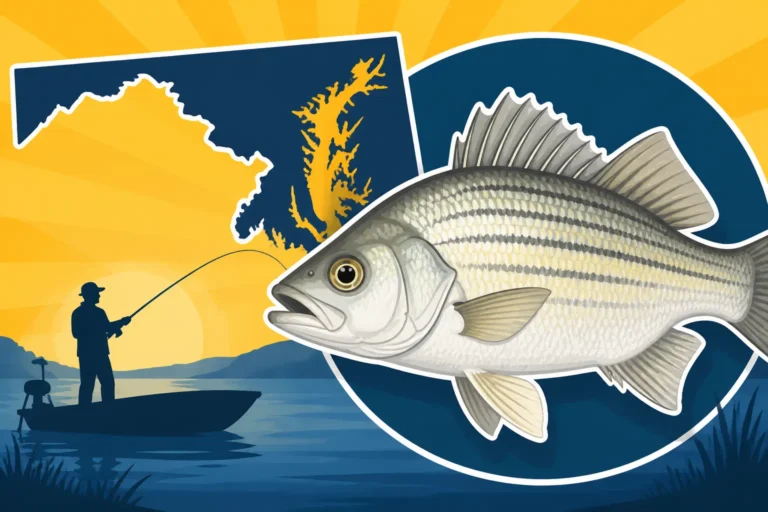
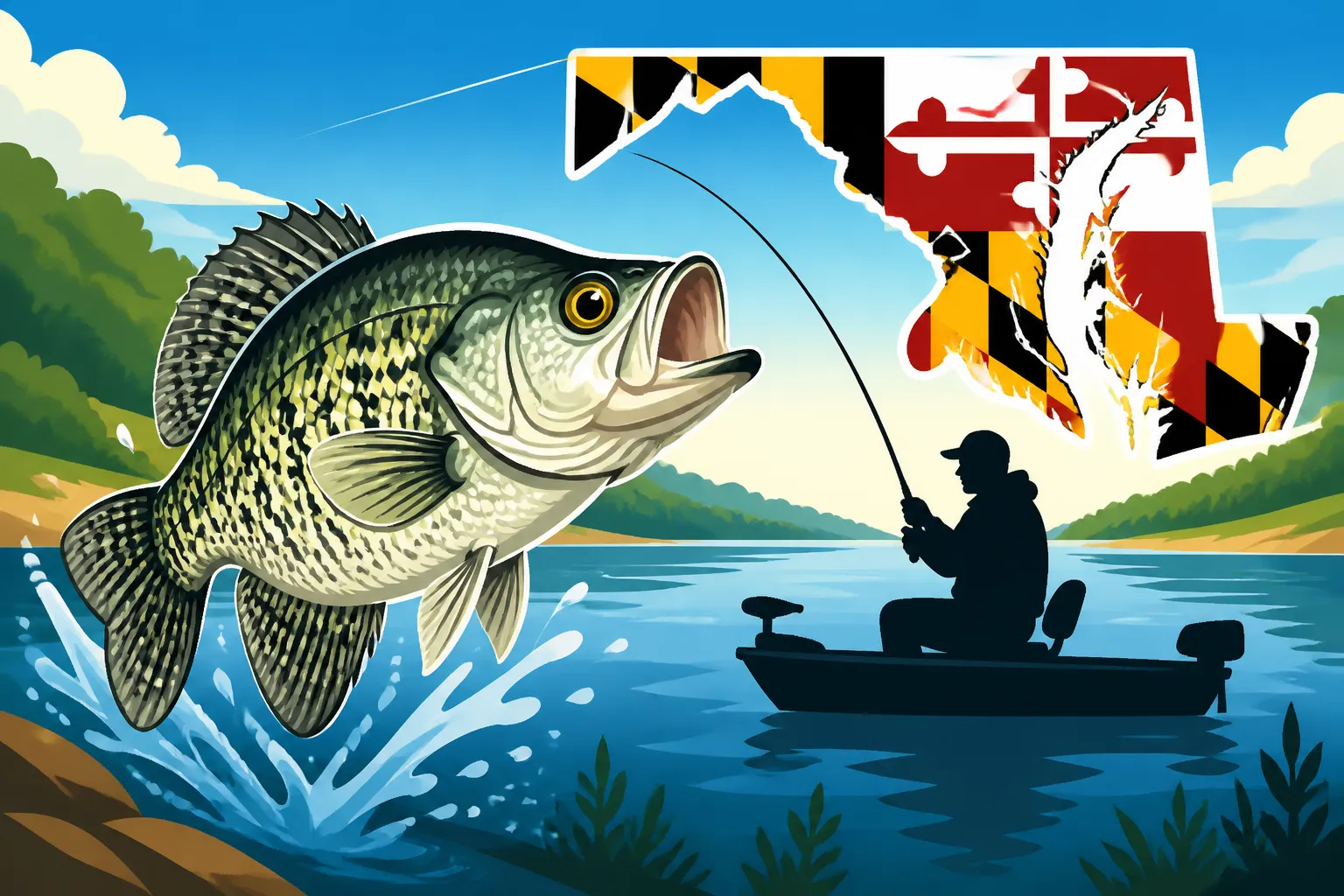
At first glance, black crappie and white crappie can look quite similar, especially to the untrained eye. Both are beautiful, silvery fish with distinct dark markings. However, there are a few key differences that can help you tell them apart and, more importantly, inform your fishing strategy. Black crappie typically have more irregular, speckle-like dark markings scattered over their bodies, giving them a "peppery" appearance. They also tend to have seven or eight dorsal spines (the hard rays in their top fin). In terms of habitat, black crappie often prefer clearer water with more abundant submerged vegetation, brush, or timber. They’re a little more particular about their environment, favoring cooler, cleaner conditions.
White crappie, on the other hand, usually display more organized, vertical bar patterns on their sides, though these can sometimes be faint. A reliable indicator is their dorsal fin, which almost always has five or six spines. White crappie are often more tolerant of murkier water and tend to frequent areas with less vegetation but still plenty of vertical structure like bridge pilings, submerged roadbeds, or standing timber. They can also be found in slightly warmer waters than their black crappie cousins. So, if you're fishing a reservoir with a bit more turbidity, you might find more white crappie, while a pristine, clear lake with lots of weeds could hold more black crappie. Understanding these preferences, as discussed in detail in Black Crappie vs White Crappie in Maryland Waters, is the first step to successful crappie targeting.
Identifying Crappie and Their Habitat
Beyond telling the two species apart, recognizing a crappie is fairly straightforward. They have deep, compressed bodies, large mouths, and those prominent dorsal and anal fins that are almost mirror images of each other. Their iridescent scales shimmer in the light, often with hues of green, silver, and gold. When you pull one of these beauties out of the water, there’s no mistaking it!
What's truly crucial for anglers, though, is understanding where crappie like to hang out. In Maryland's reservoirs, crappie are notorious structure magnets. They love cover that offers them both protection from predators and ambush points for their prey (small baitfish and insects). Think submerged timber, fallen trees, brush piles, old roadbeds, rock piles, and the pilings of docks and bridges. These spots provide vertical relief in the otherwise uniform water column, creating shaded areas and eddies where crappie can conserve energy. During certain times of the year, they'll also relate heavily to creek channels and main lake points, especially when moving between shallow spawning grounds and deeper wintering areas. Learning to "read" the water and identify these types of structures, whether visually or with your fish finder, is paramount to consistently catching crappie.
Best Maryland Reservoirs for Crappie Fishing
Maryland is blessed with a fantastic network of reservoirs, and many of them hold thriving crappie populations. Each reservoir has its own unique character, offering different challenges and rewards. Whether you prefer fishing from shore, a kayak, or a fully equipped bass boat, there’s a Maryland reservoir waiting for you to discover its crappie secrets.
Loch Raven Reservoir
Loch Raven, located near Baltimore, is a true gem for crappie anglers. This sprawling reservoir is known for its clear water and abundant structure, making it a prime spot for both black and white crappie. You'll find plenty of submerged timber, old creek channels, and numerous coves that become crappie hotspots, especially during the spring spawn. Anglers often have success around the bridge pilings and deeper humps using small jigs or live minnows. Shore access can be a bit limited, but there are designated areas, and boating (with restrictions on motor size) is popular. If you're looking for Best Jigs for Crappie at Loch Raven, you'll find that chartreuse and white are often killer colors here.
The key to Loch Raven crappie success often lies in patience and stealth. The clearer water means crappie can be a bit more wary, so using light line and making quiet approaches to your chosen structure is important. Many local anglers prefer to target the crappie schools that suspend over deep timber or cruise the edges of creek channels. A good fish finder can be invaluable here, helping you locate those submerged brush piles that hold big schools. You can get more general insights on this location by checking out Fishing Loch Raven Reservoir.
Liberty Reservoir
Another excellent crappie destination near Baltimore is Liberty Reservoir. Similar to Loch Raven, Liberty offers a diverse underwater landscape with old roadbeds, submerged foundations, and plenty of standing timber. Crappie populations here are healthy, and anglers regularly pull out impressive catches. The reservoir’s irregular shoreline with its many coves and points provides ample habitat for crappie to thrive. In spring, focus on the shallower, protected coves where the water warms up first. As the seasons change, crappie move to deeper structure, often suspending at specific depths.
Access to Liberty is also somewhat restricted in terms of boat motor size, but this helps maintain its tranquil atmosphere. Shore fishing can be productive in certain areas, particularly around public access points where submerged structure is within casting distance. Vertical jigging or slowly trolling small jigs and minnows are effective methods throughout the year. For those who enjoy a peaceful day on the water while chasing these panfish, Liberty Reservoir is an outstanding choice. It's an altogether different experience from trout fishing, which you can learn about in Fishing Liberty Reservoir for Trout.
Piney Run Reservoir
For a slightly smaller, more intimate crappie experience, Piney Run Reservoir in Carroll County is worth exploring. This roughly 300-acre lake might not have the vastness of Loch Raven or Liberty, but it holds a surprisingly good population of crappie. Its smaller size can make it easier to pattern fish, as the crappie don’t have as much area to roam. The reservoir features plenty of submerged trees and brush along its edges, providing excellent cover.
Piney Run is a fantastic spot for kayak anglers or those with smaller boats, as motor restrictions typically apply. Shore access is also quite good, with plenty of bank fishing opportunities, especially in the spring. Using a sensitive rod to detect those subtle crappie bites near structure is key here. Light jigs, tipped with a small minnow or a crappie nibbler, worked slowly around fallen trees and docks, often produce great results. Fishing Piney Run Park Pond offers more information about this accessible and rewarding location.
Triadelphia and Rocky Gorge Reservoirs
These two connected reservoirs, managed by the Washington Suburban Sanitary Commission (WSSC), offer a unique crappie fishing experience with specific access rules (electric motors only, permits required). Despite the regulations, the crappie fishing can be exceptional, especially for those seeking a quieter outing. Both Triadelphia and Rocky Gorge boast extensive areas of standing timber, deep creek channels, and numerous coves, all of which are crappie magnets.
These reservoirs often hold good numbers of larger crappie, given the abundance of food and cover. Anglers often focus on the main creek channels, especially during the colder months, or probe the edges of the timber lines with jigs and minnows. Spider rigging (slow trolling with multiple rods) can be particularly effective for covering water and finding schools in these larger bodies of water. Don't forget to explore the different tactics needed for these waters, which you can read about in Fishing Triadelphia Reservoir and Fishing Rocky Gorge Reservoir.
Essential Gear and Tackle for Reservoir Crappie
Crappie fishing doesn't require a massive investment in high-end gear, which is part of its charm! However, having the right setup can significantly improve your success and enjoyment. Precision and sensitivity are often more important than brute strength when it comes to these delicate biters.
Rods, Reels, and Line
When targeting crappie, a sensitive rod is your best friend. I highly recommend an ultralight or light action spinning rod, typically between 5 to 7 feet in length. The lighter tip allows you to detect those incredibly subtle crappie bites that feel more like a slight pressure than a distinct "thump." Couple this with a small, lightweight spinning reel (a 500 to 1000 size is usually perfect). This setup will be comfortable to hold all day and allow for accurate casting of small baits.
For line, 4 to 6-pound test monofilament or fluorocarbon is ideal. Monofilament offers a bit of stretch, which can be forgiving when a crappie makes a sudden move, and it's generally more budget-friendly. Fluorocarbon, while a bit pricier, is virtually invisible underwater and offers increased sensitivity, allowing you to feel even the faintest nibble. If you're fishing around heavy cover, a slightly heavier line might be warranted, but generally, lighter is better for crappie. You can find a fantastic selection of sensitive ultralight rods and reels on Amazon that are perfectly suited for crappie fishing.
Lures and Baits
Crappie are not usually picky eaters, but they do have preferences, and variety is key. The backbone of most crappie anglers' tackle boxes is the small jig. Think 1/32 to 1/16 ounce jig heads, paired with tiny soft plastic bodies. Grubs, tubes, and minnow-imitating plastics in sizes ranging from 1 to 2 inches are incredibly effective. Popular colors include chartreuse, white, pink, black/chartreuse, and various shad patterns. Sometimes, a tiny bit of glitter in the plastic can make all the difference, particularly on sunny days or in clear water.
Live bait is another crappie killer, and nothing beats a small, lively minnow. You can rig them under a bobber or simply hook them through the lip and slow-troll or jig them around structure. Crappie nibblers or small bits of Gulp! or PowerBait can be added to jigs for extra scent and attraction. Always carry a variety of sizes and colors; what worked yesterday might not work today, so being able to adapt is crucial. A quick browse on Amazon will show you just how many options there are, from tiny jigs to a huge assortment of soft plastics.
Terminal Tackle and Accessories
Beyond rods, reels, and lures, a few essential pieces of terminal tackle and accessories will complete your crappie kit. Small bobbers, both fixed and slip bobbers, are incredibly useful. Slip bobbers are especially versatile as they allow you to easily fish at any depth, which is vital when crappie are suspending in the water column. A selection of small split shot weights, #4 to #8 Aberdeen or Kahle hooks (if using live minnows), and a handful of small swivels (to prevent line twist) are also necessary.
Don't forget the essentials like needle-nose pliers for hook removal, line clippers, and a small landing net, especially if you're targeting larger "slab" crappie. A good tackle box or a convenient fishing vest with plenty of pockets, perhaps one you picked up from Amazon, will help keep all your gear organized and easily accessible. Remember, crappie often school tightly, so once you find them, you want to be ready to maximize your time on the water.
Top Techniques for Catching Reservoir Crappie
Crappie can be caught using a variety of techniques, and the most effective approach often depends on the season, water conditions, and the specific reservoir you're fishing. Mastering a few key methods will give you the versatility to succeed throughout the year.
Jigging and Vertical Presentation
Jigging is arguably the most popular and effective method for catching crappie in reservoirs, particularly when they are holding tight to structure or suspending in deeper water. This technique involves presenting a small jig directly to the fish, often vertically beneath the boat or from the shore near cover. The key is a subtle, controlled motion. Drop your jig down to the desired depth, then use small, gentle lifts and falls of your rod tip. Think of it as barely moving the jig – just enough to give it a little enticing flutter.
When fishing around submerged timber, brush piles, or bridge pilings, boat positioning is critical. Try to position your boat directly over or alongside the structure, allowing you to drop your jig straight down. A good fish finder is invaluable here, helping you pinpoint schools of crappie and present your bait right into their strike zone. Many times, the bite will be so light that you’ll feel nothing more than your line going slack or a slight resistance. This is where that sensitive rod and light line really earn their keep. This technique is often discussed in broader terms of how to fish Maryland's reservoirs.
Trolling for Crappie
When crappie are scattered or you're trying to locate schools in a larger reservoir, slow trolling, often referred to as "spider rigging," can be incredibly effective. This method involves deploying multiple rods (often up to four or more per angler, depending on local regulations) from the front or sides of the boat, each rigged with a different jig or live minnow. By presenting baits at varying depths and covering a wide swath of water, you increase your chances of intercepting active fish.
Troll slowly, just enough to give your baits a natural swimming motion. Electric trolling motors are perfect for this, allowing for quiet and precise speed control. You can troll jigs, small crankbaits, or live minnows. Pay close attention to which rod gets hit and at what depth – this tells you where the fish are holding. Once you find a productive depth and location, you can then switch to more focused jigging. Trolling is a fantastic way to locate crappie quickly, especially in expansive areas like the main lake basins or along creek channel edges in Best Fishing Spots Near Baltimore.
Slip Bobber Fishing
Slip bobber fishing is a versatile and user-friendly technique that works well for crappie, especially for shore anglers or those who want to precisely target specific depths around cover. Unlike fixed bobbers, slip bobbers slide freely up and down your line, stopped by a small bobber stop knot. This allows you to cast a rig set to a specific depth (e.g., 10 feet) even if your rod is only 7 feet long.
To rig a slip bobber, thread your line through the bobber, then tie on a small jig or hook with a split shot and a minnow. Adjust your bobber stop to the desired depth. Cast your rig near brush piles, docks, or other structure. The bobber will float, holding your bait at the precise depth you've set. When a crappie bites, the bobber will dip, lay flat, or pull under. This visual cue is great for beginners and provides a relaxing way to fish. It's also excellent for gently presenting live minnows, allowing them to swim naturally without being constrained by a fixed bobber close to the bait.
Seasonal Strategies for Crappie in Maryland Reservoirs
Crappie behavior is heavily influenced by the changing seasons, primarily due to fluctuations in water temperature and their spawning cycles. Understanding these seasonal patterns is crucial for consistent success.
Spring Spawning Run
Ah, spring! This is arguably the most anticipated time for crappie anglers in Maryland. As reservoir water temperatures climb into the 50s and low 60s (Fahrenheit), crappie move from deeper wintering grounds into shallow coves, protected bays, and along sunny shorelines to spawn. This is when they are most accessible and often most aggressive, making it an excellent time to catch a lot of fish. Think about areas with submerged brush, laydowns, old grass beds, or even shallow docks.
During the spawn, crappie are focused on reproduction and feeding up before and after the spawn. Small jigs, particularly those in bright colors like chartreuse or white, fished under a bobber or slowly retrieved, are deadly. Live minnows are also incredibly effective. Focus your efforts in water anywhere from 2 to 8 feet deep. Look for the warmest water you can find, often in the backs of coves that receive a lot of sunlight. You'll find similar temperature triggers discussed in What Water Temperature Triggers the White Perch Spawn?, demonstrating how important temperature is to many species.
Summer Patterns
As summer temperatures soar and the water warms significantly, crappie typically retreat from the shallow spawning grounds and move to deeper, cooler, and more oxygenated waters. During this time, they often relate to main lake points, deep creek channels, submerged humps, and the deeper ends of standing timber lines. They'll frequently suspend in the water column, often just above the thermocline if one exists.
Summer crappie fishing requires a bit more effort and often the use of electronics to locate schools. Vertical jigging directly over these deeper structures is key. Pay attention to your fish finder to identify the depth at which the fish are holding and then present your bait accordingly. Early mornings, late evenings, and overcast days tend to be the most productive, as crappie can become lethargic during the bright, hot midday sun. They'll also seek shade under docks or overhanging trees.
Fall Turnover and Feeding Frenzy
Fall is another fantastic season for crappie fishing in Maryland's reservoirs. As water temperatures begin to drop, the "turnover" phenomenon occurs where the warmer surface water cools and mixes with deeper water. This can temporarily scatter fish, but once the water column stabilizes, crappie go on a serious feeding spree, fattening up for the lean winter months. They will often move back to structure along creek channels, points, and humps, but at varying depths.
During the fall, crappie are actively chasing baitfish. Look for schooling crappie around channel edges, large brush piles, and areas where baitfish are abundant. Trolling small crankbaits or jigs can be very effective for covering water and locating these active schools. Once found, vertical jigging with minnows or soft plastics can produce fast action. The fish can be quite aggressive, offering some of the best fishing of the year.
Winter Fishing
Don't hang up your crappie gear just because it's cold! Winter crappie fishing in Maryland's reservoirs can be incredibly rewarding, though it often requires a more refined approach. As water temperatures plummet, crappie will migrate to their deepest wintering holes. Look for them in the main lake basins, deep creek channels, and large concentrations of standing timber, often congregating in tight, dense schools.
The key to winter crappie is subtlety. Their metabolism slows down, and they're less likely to chase a fast-moving bait. Vertical jigging with tiny jigs (1/32 ounce or even smaller) tipped with a crappie nibbler or a single live minnow is the way to go. Your presentation needs to be incredibly slow and delicate. Feel for those incredibly light bites. A sensitive rod is non-negotiable here. While ice fishing is popular in some northern states, Maryland's reservoirs rarely freeze thick enough for safe, consistent ice fishing opportunities, so focus on open water deep jigging.
Understanding Crappie Behavior in Reservoir Environments
To consistently catch crappie, it's not enough to just know where they might be; you need to understand why they are there and how they're behaving. Their movements and feeding patterns are deeply intertwined with their environment.
Impact of Water Temperature and Clarity
Water temperature is perhaps the single most important factor influencing crappie behavior. As we discussed in the seasonal strategies, temperature dictates their movement between shallow and deep water for spawning, feeding, and seeking thermal comfort. Crappie are cold-blooded, so their metabolism and activity levels directly correspond to the water temperature. Cold water makes them sluggish, requiring slow, precise presentations. Warmer water in spring and fall makes them more active and aggressive. Monitoring water temperature is a habit every serious crappie angler should adopt.
Water clarity also plays a significant role in lure selection and presentation. In clear water, crappie can be more wary, making light line and natural-colored baits more effective. They rely heavily on sight, so subtle presentations are key. In murkier or stained water, crappie rely more on lateral line vibrations and scent. This is where brighter colors like chartreuse and orange, or baits with added scent, can really shine. The general rule of thumb, as seen in How Water Clarity Affects Fishing in the Chesapeake Bay (which applies to reservoirs too), is to match the hatch in clear water and go bold in stained water.
Structure vs. Open Water Dynamics
Crappie are synonymous with structure. They are ambush predators and require cover for protection from larger fish, birds, and even harsh sunlight. This is why you'll almost always find them relating to some form of submerged structure: fallen trees, brush piles, old roadbeds, rock reefs, or standing timber. This structure acts as a "crappie condo," providing multiple layers for fish to hold at different depths.
While they are highly structure-oriented, crappie do venture into open water, particularly when actively chasing schools of baitfish. However, even in open water, they often suspend around subtle topographical changes like channel edges, humps, or points that extend into deeper water. Learning to identify these structures, whether visually (docks, stumps) or with a good fish finder (submerged brush, creek channels), is fundamental to consistently putting crappie in the boat. Without understanding their reliance on structure, you'll be casting blindly.
Schooling Habits and Feeding Patterns
One of the most exciting aspects of crappie fishing is their schooling behavior. When you find one crappie, you've often found a whole school! These fish congregate in groups, sometimes quite large, especially during the fall and winter months. This is why techniques like vertical jigging or slow trolling are so effective – once you hit that sweet spot, the action can be non-stop.
Crappie also have distinct feeding patterns. They are most active during low light conditions, such as dawn, dusk, and on overcast days. These times provide them with a tactical advantage over their prey and offer some protection from predators. Their diet primarily consists of small baitfish (like shad and minnows) and various insects and crustaceans. Understanding what they're likely feeding on in a given season and matching your lure choice to that forage can dramatically increase your hook-up rate. Pay attention to reports from local bait shops and fellow anglers, as recent observations of crappie feeding can provide invaluable clues.
Here's a quick comparison of some common crappie fishing techniques:
| Technique | Best Season | Best Water Depth | Typical Gear | Advantages | Considerations |
|---|---|---|---|---|---|
| Vertical Jigging | All seasons | 5-30+ feet | Ultralight rod, small jigs, minnows | Precise, good for tight structure & deep fish | Requires boat positioning, subtle bite detection |
| Slip Bobber | Spring, Fall, Summer | 2-20 feet | Light rod, bobber, jig/minnow | Visual bite, easy for beginners, shore friendly | Can be wind-affected, less active presentation |
| Slow Trolling | Summer, Fall, Winter | 5-25 feet | Multiple rods, jigs/small crankbaits | Covers wide area, finds scattered fish quickly | Requires boat, specific rod holders |
Catching crappie in Maryland reservoirs is a truly rewarding experience, offering both the thrill of the chase and the satisfaction of a delicious meal. By understanding the distinct characteristics of black and white crappie, knowing where to find them in various reservoirs like Fishing Loch Raven Reservoir and Fishing Liberty Reservoir, and employing the right gear and techniques, you’re well on your way to becoming a crappie master. Remember, these fish respond to patience and precision, so take your time, adapt to the conditions, and enjoy the beautiful waters Maryland has to offer. Don't forget that a successful day on the water is often found through a bit of study and a good selection of gear, which you can always find reliable options for on Amazon.
Disclaimer
This article is for general informational purposes only and does not constitute professional advice. Laws, prices and regulations vary by location and change over time. Consult a qualified professional for guidance on your specific situation.