Why Snakehead Can’t Be Released in Maryland
It's an experience many Maryland anglers know well: you're out fishing, enjoying the peace of the water, and suddenly you reel in something… different. Something long, mottled, with a distinct head that looks a bit like a python. You quickly realize it's a northern snakehead, and just as that excitement or curiosity peaks, a fellow angler or a quiet inner voice reminds you: "You can't let that one go." This guide is here to shed light on why Maryland has such a strict, zero-tolerance policy on releasing northern snakehead, and what every angler needs to know and do when encountering this invasive species.
The Invasive Species Designation: What It Means for Maryland
When a species is labeled "invasive," it's not just a casual term. It carries significant weight, signaling a serious threat to the delicate balance of our local ecosystems. For Maryland, with its rich tapestry of waterways from the mighty Chesapeake Bay to countless freshwater rivers and ponds, the presence of an invasive apex predator like the northern snakehead demands a clear and decisive response.
Understanding Invasive Species and Their Impact
An invasive species is essentially an unwelcome guest that not only decides to stay but actively disrupts the household. These are non-native organisms that cause, or are likely to cause, economic or environmental harm, or harm to human health. They arrive from other regions, often accidentally through ballast water, pet releases, or contaminated goods, and find themselves in an environment where they have no natural predators or diseases to keep their populations in check. This lack of natural control allows them to reproduce rapidly and spread unchecked.
The ecological threat they pose is profound. Imagine a carefully constructed food web, where every predator and prey has a role, keeping the system in balance. An invasive species can waltz in and utterly dismantle this structure. They outcompete native fish for food resources, devour eggs and juvenile fish of desirable species, and can even alter habitat. In Maryland, where countless species of fish, amphibians, and invertebrates are intricately linked, such disruption can have cascading effects, weakening entire populations and potentially leading to localized extinctions. We've seen the struggles of many native species, and the introduction of a new competitor only exacerbates those challenges.
The Northern Snakehead's Arrival and Spread in Maryland
The story of the northern snakehead in Maryland is a testament to the challenges of invasive species management. These fish, native to parts of Asia and Africa, first made headlines in Maryland around the early 2000s when they were discovered in a pond in Crofton. While the exact initial vector is debated, it's widely believed they were released intentionally, likely from the live food fish trade or by individuals who purchased them as exotic pets. From that initial containment challenge, they found their way into connected waterways.
Their spread since then has been nothing short of remarkable, primarily observed in the Potomac River and its sprawling network of tributaries, but also in other rivers feeding into the Chesapeake Bay. What makes them so successful and concerning? Their adaptability. Northern snakeheads are incredibly hardy. They can breathe atmospheric air using a primitive lung, allowing them to survive in low-oxygen waters where many native fish would perish. This ability also means they can survive out of water for short periods, potentially "walking" across land during wet conditions to move between adjacent water bodies. This unique trait, combined with their voracious appetites and rapid reproduction rates, has fueled their expansion throughout Maryland's freshwater and even brackish environments, making them a formidable presence for anglers and conservationists alike.
Maryland's Strict Regulations: A Zero-Tolerance Approach
When it comes to the northern snakehead, Maryland's Department of Natural Resources (DNR) doesn't mince words: there is a clear, unequivocal mandate for anglers. This isn't just a suggestion; it's a critical legal and ethical responsibility designed to protect Maryland's precious aquatic resources from further degradation by this invasive predator.
The Law: It's Illegal to Possess or Transport Live Snakehead
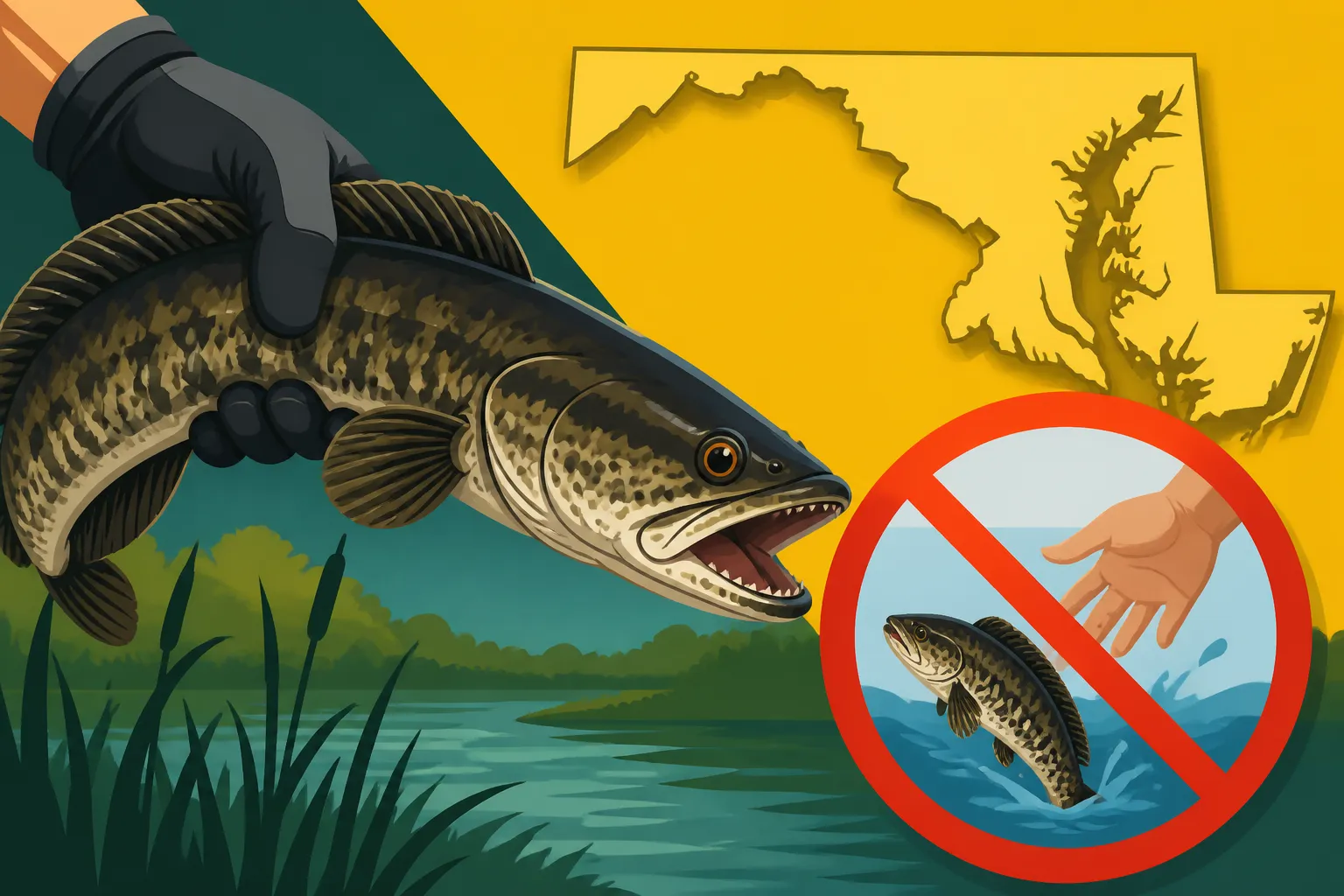
Let's get right to it: if you catch a northern snakehead in Maryland, you cannot release it alive. Period. The law is very specific about this. It is illegal to possess a live snakehead or transport it alive. This means that once you have one on your line and bring it to the boat or shore, your responsibility is to dispatch it immediately and humanely. This "kill on sight" directive isn't meant to be harsh for the sake of it, but rather a necessary measure to prevent further spread and reduce existing populations.
Imagine if every angler released the snakeheads they caught. The problem would only compound, making any efforts at control futile. The intent behind the regulation is to empower every angler as a participant in invasive species management. Violations of this rule can lead to significant consequences. While I can't give you exact figures, let's just say that failing to adhere to these rules can result in fines and other penalties that will definitely put a damper on your fishing day, or even your fishing future. It's truly a scenario where ignorance of the law is no excuse. Always make sure you're up-to-date on Maryland Fishing License Penalties for Violations so you understand the gravity of not following regulations.
Why No Catch and Release for Snakehead?
Catch and release is a cornerstone of responsible angling for many native game species. It's a practice we wholeheartedly encourage for fish like striped bass during closed seasons or when they are outside the legal slot limit, allowing populations to thrive for future generations. For example, understanding Maryland Catch and Release Rules During Closed Seasons for certain species is vital to conservation. However, for an invasive species like the northern snakehead, catch and release becomes part of the problem, not the solution.
The core reason for prohibiting catch and release for snakehead is straightforward: you cannot allow a known invasive species to continue reproducing and spreading. Each live snakehead returned to the water represents a continued threat to native fish and the ecosystem. Unlike native species where conservation focuses on population sustainability, with invasives, the goal is control, reduction, and, if possible, eradication. Every snakehead removed from the water is a small victory in this ongoing battle. Even if you believe a particular waterbody is "full of them" already, every single fish removed helps reduce its breeding potential and its direct predatory impact on our valuable native fish.
Ecological Ramifications of Northern Snakehead in Maryland Waters
The northern snakehead isn't just another fish in the pond; it's a highly adaptable and aggressive predator whose presence sends ripples of concern throughout Maryland's aquatic ecosystems. Understanding its impact is crucial for grasping why the regulations are so strict.
Threat to Native Fish Populations
The primary concern with northern snakehead is their role as an apex predator in many of the habitats they invade. These fish are voracious eaters, preying on whatever they can overpower, which often includes a wide variety of native fish species, their eggs, and even amphibians. Imagine a scenario where a healthy creek, once teeming with juvenile largemouth bass, sunfish, and various forage fish, suddenly finds itself home to a breeding population of snakeheads.
Snakeheads actively compete with native species like our beloved largemouth bass, perch, and pickerel for food resources and prime habitat. While our native predators have evolved alongside their prey, a new, highly efficient hunter can quickly shift the balance. They can reduce the number of available baitfish that other game fish rely on, and they can directly prey upon the young of valuable species. This competition isn't just for food; it's also for spawning grounds and sheltered areas, putting additional stress on already vulnerable native populations. Anglers frequently discuss Maryland Largemouth Bass Size Limit by Water to help manage those populations, but the presence of snakeheads adds another complex layer to that management challenge.
Disrupting the Aquatic Ecosystem Balance
The ripple effects of an invasive species extend far beyond just direct predation. Northern snakeheads disrupt the broader aquatic ecosystem balance in ways that can be hard to predict and even harder to reverse. Their sheer numbers in some areas can lead to a significant alteration of the food web. If they consume a large portion of the forage base, it can impact everything from insect populations to larger predators like ospreys and eagles that might rely on native fish.
Furthermore, their ability to tolerate poor water quality and low oxygen levels means they can thrive in conditions that might stress or kill off native species. This resilience allows them to dominate certain areas, creating monocultures where a diverse array of life once existed. The cumulative effect of these changes is a less diverse, less resilient ecosystem, more susceptible to other environmental stressors. Once an invasive species establishes a foothold, truly reversing the damage is an incredibly difficult, often impossible, task. This is why early and aggressive action, including the "kill on sight" policy, is so vital.
What to Do If You Catch a Northern Snakehead
Okay, so you've hooked one. You've identified it. Now what? This is where your role as a responsible angler truly comes into play. Knowing exactly what to do, how to do it safely and humanely, and what comes next is crucial.
Identifying a Northern Snakehead
First things first: positive identification is key. You don't want to mistakenly dispatch a native fish. Northern snakeheads have a very distinctive look, but sometimes anglers might confuse them with native species like the bowfin or even a pickerel at first glance. It’s important to be sure.
Here are some key characteristics of a northern snakehead:
- Long, cylindrical body: Similar to an eel, but thicker.
- Large mouth with sharp teeth: Definitely predatory.
- Long dorsal fin: Runs almost the entire length of its back, with no spines.
- Anal fin: Also very long, but shorter than the dorsal fin.
- Pelvic fins: Located directly under the pectoral fins.
- Snake-like head: The most defining feature, with prominent scales, resembling a snake's head.
- Mottled coloration: Usually dark brown with black blotches or a snake-like pattern along its flanks.
For a more detailed breakdown, you can always refer to How to Identify a Northern Snakehead in Maryland. It's always a good idea to familiarize yourself with these distinguishing features before you hit the water.
| Feature | Northern Snakehead | Bowfin (Native Look-alike) | Chain Pickerel (Native Look-alike) |
|---|---|---|---|
| Dorsal Fin | Very long, continuous, no spines | Very long, continuous, no spines | Shorter, distinct, far back on body |
| Anal Fin | Long, but shorter than dorsal | Short | Short |
| Head Shape | Distinct "snake-like" head, large scales | "Dinosaur-like" head, large mouth | Long, duck-bill snout |
| Tail Fin | Rounded | Rounded, often with a black spot (ocellus) | Forked |
| Coloration | Mottled brown/black, snake-like pattern | Olive green/brown, mottled | Greenish with chain-like markings |
| Pelvic Fins | Under pectoral fins | Under pectoral fins | Abdominal (further back) |
| Status | Invasive, must not be released live | Native, common for catch & release | Native, common for catch & release |
The Humane and Legal Way to Dispatch a Snakehead
Once you've confirmed it's a northern snakehead, your next step is to dispatch it immediately and humanely. This isn't just a legal requirement; it's also about respecting the creature you've caught, even if it's an invasive one. The goal is a quick and clean kill.
Here’s how to do it:
- Secure the fish: These fish are strong and slimy. Use a net, lip gripper, or grab them firmly behind the gills to keep them under control. Be careful of their teeth!
- Choose your method:
- Bleeding: A sharp knife inserted quickly behind the head, severing the spinal cord and major blood vessels, is highly effective. Let it bleed out.
- Blunt force trauma: A swift, hard blow to the top of the head with a fishing priest, club, or even a heavy stick can instantly kill the fish.
- Gilling/Gutting: Simply removing the gills or gutting the fish will ensure it dies.
- Confirm death: Ensure there is no movement or gill activity before considering the fish deceased. This is especially important before you transport it.
Having the right tools on hand makes this process much easier and more humane. A good, sturdy fishing knife is invaluable for this purpose. Many anglers find reliable and effective knives on Amazon, perfect for quickly dispatching a snakehead or processing your catch later. It’s a small investment that makes a big difference in being prepared.
Proper Handling and Disposal/Consumption
Once the snakehead is deceased, it is then legal to possess and transport it. This is a critical distinction: dead snakehead are fine, live ones are not. You've done your part by removing a threat from Maryland's waters. Now, what to do with it?
Many anglers choose to take their catch home for consumption. And for good reason! Despite their menacing appearance, northern snakehead are widely considered excellent table fare. Their white, flaky meat is firm and delicious, making them a popular target for anglers who enjoy eating their catch. If you're curious about preparing one, you might want to read up on Are Snakehead Good to Eat?.
If you don't plan to eat it, proper disposal is necessary. You can't just toss it back into the woods or another waterbody. The most responsible method is to dispose of it in a trash receptacle, ensuring it cannot somehow reanimate or be inadvertently introduced elsewhere. The absolute golden rule here is: never, ever introduce a snakehead, dead or alive, into any other waterbody. The whole point of the strict rules is to contain and reduce their spread.
Beyond the Law: Anglers as Stewards of Maryland's Waters
While the regulations provide a clear framework, being a responsible angler in Maryland extends beyond simply following the letter of the law. It’s about embracing a role as an active steward of our precious aquatic environments. This mindset is particularly crucial when dealing with invasive species like the northern snakehead.
The Role of Anglers in Invasive Species Management
You, the angler, are truly on the front lines of invasive species management. You are the eyes and ears on the water, often the first to encounter new incursions or observe population changes. This unique position makes your actions incredibly impactful. When you encounter and properly dispatch a northern snakehead, you're not just adhering to a rule; you're actively participating in a large-scale conservation effort.
Think of it this way: every snakehead removed is one less predator eating native fish and one less fish reproducing. While it might feel like a drop in the bucket, the cumulative effort of thousands of anglers can make a tangible difference in controlling these populations. Maryland DNR relies on anglers to help control snakehead numbers, recognizing that direct recreational fishing pressure can be a powerful tool. In many ways, targeting these fish can be an exciting challenge, offering a unique opportunity to contribute directly to the health of our waters. Some anglers specifically target them, developing specialized Techniques for Catching Snakehead in Maryland as part of this effort.
Educating Others and Preventing Further Spread
Another vital aspect of being a good steward is education. Many anglers, especially those new to Maryland's waters or who haven't encountered snakehead before, might not fully understand the regulations or the ecological threat. By sharing your knowledge and demonstrating responsible practices, you can help spread awareness and foster a culture of conservation.
Here are a few ways to help:
- Share information: Politely inform fellow anglers about the "kill on sight" rule and Maryland Snakehead Fishing Rules if you see them unsure what to do.
- Model good behavior: Always dispatch snakehead quickly and humanely, and dispose of them properly or prepare them for the table.
- Clean, Drain, Dry: This mantra is critical for preventing the spread of all aquatic invasive species, not just snakehead. Always clean your boat, tackle, and gear thoroughly after leaving one waterbody before entering another. Drain all water from your boat, livewells, and buckets. Dry everything completely if possible. This prevents the transport of eggs, larvae, or even small juvenile fish.
- Report suspected new locations: If you catch a snakehead in a waterbody where they haven't been previously documented, consider reporting it to Maryland DNR. This helps them track the spread and allocate resources.
By taking these steps, you become an integral part of protecting Maryland's precious fisheries for generations to come. Understanding Why Maryland Wants Anglers to Kill Invasive Fish is not just about compliance, but about genuine dedication to the health of our natural heritage. For those interested in learning more about broader invasive species issues or detailed guides on clean, drain, dry practices, many excellent educational resources, including books and DVDs, can be found on Amazon.
Disclaimer
This article is for general informational purposes only and does not constitute professional advice. Laws, prices and regulations vary by location and change over time. Consult a qualified professional for guidance on your specific situation.