Fishing Techniques for Crappie in Maryland Reservoirs
Figuring out where the crappie are hiding in Maryland's vast reservoirs can feel like searching for a needle in a haystack. These popular panfish are notorious for their elusive nature, moving with the seasons and preferring specific types of structure that aren't always obvious. This guide will dive deep into proven fishing techniques, essential gear, and seasonal strategies to help you consistently find and catch crappie across Maryland's abundant reservoir system.
Understanding Crappie Habits in Maryland Reservoirs
Crappie are fascinating fish, and understanding their seasonal movements and preferred habitats is the absolute bedrock of consistent success. Unlike some other species that might hang out in predictable spots year-round, crappie are constantly on the move, driven by water temperature, forage availability, and spawning instincts. Ignoring these patterns is a surefire way to come home empty-handed.
Seasonal Movements: Where Crappie Go
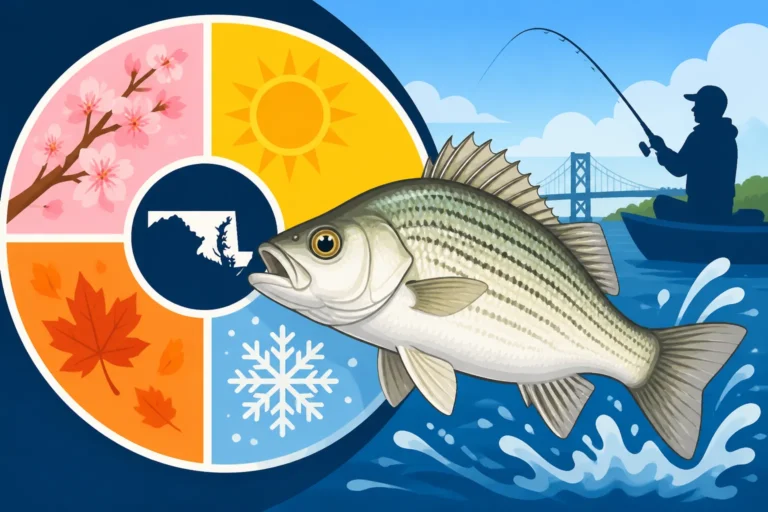
Crappie's behavior changes dramatically with the seasons, making it crucial to adapt your approach throughout the year. In early spring, as water temperatures begin to creep into the upper 40s and 50s, crappie start to stage in deeper areas adjacent to their eventual spawning grounds. Think creek channels, submerged timber lines, and points leading into shallow coves. They're still a bit lethargic but actively looking for food as their metabolism picks up.
Once the water hits that magical 60-65 degree range, it's crappie spawning time! This is when they push into very shallow water, often just a few feet deep, to construct their nests. Look for them around fallen trees, brush piles, weed beds, and even submerged docks in protected coves. After the spawn, they'll gradually retreat to slightly deeper water, often suspending in the water column or relating to submerged structures near the spawning flats. This period can be a bit tricky as they recover from the rigors of reproduction, making it one of the more challenging times to locate them.
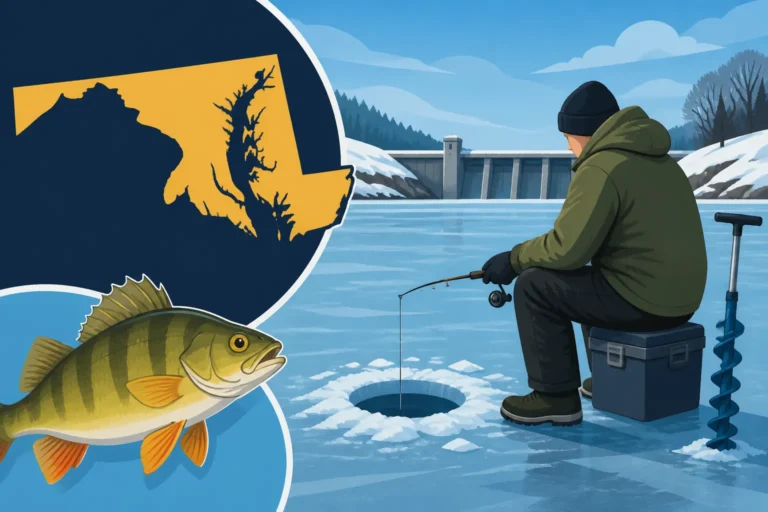
Summer brings warmer water, pushing crappie to seek cooler, deeper sanctuaries. You'll often find them congregating around thermoclines, which are layers of water where the temperature changes rapidly. Submerged creek channels, deep timber, bridge pilings, and brush piles in 15-30 feet of water become prime real estate. They might suspend over these deeper structures, sometimes well off the bottom. As fall approaches and water temperatures cool down, crappie become much more active again, feeding heavily to prepare for winter. They'll often move back into shallower bays and channels, especially those with good cover, mimicking their spring movements but in reverse. Winter sees them returning to deep, stable water, often suspended over the main lake basin or tight to deep cover, though they can still be caught with the right techniques, especially if you're brave enough to try Ice Fishing in Maryland
Favorite Reservoir Structures and Depths
Crappie are inherently structure-oriented fish, meaning they love to hide in, on, or around anything that offers cover or a break from current. In Maryland's reservoirs, this typically means submerged timber, brush piles, rock piles, ledges, and bridge pilings. A single old Christmas tree submerged in 20 feet of water can hold dozens of crappie, especially if it's positioned along a subtle depth change or a creek channel. Knowing how to interpret your electronics, like a good fish finder, to pinpoint these hidden gems is invaluable.
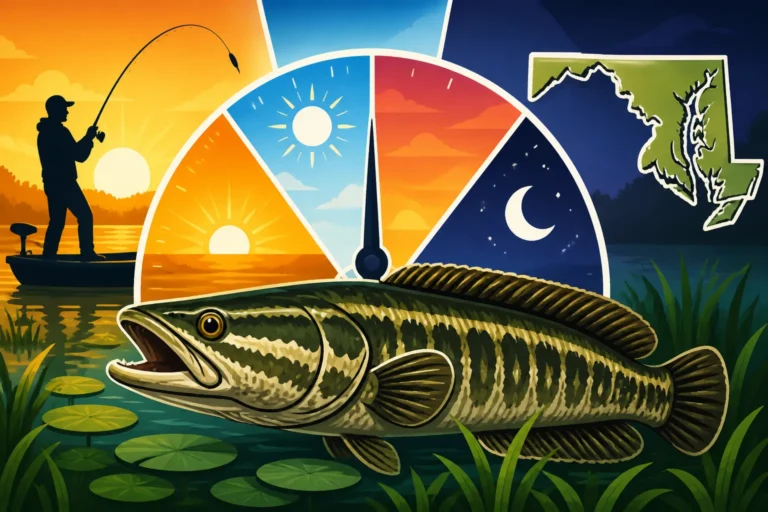
The depth at which crappie hold can vary wildly, not just by season but also by time of day and even cloud cover. On bright, sunny days, they'll often hold deeper or tighter to cover to avoid direct sunlight. On overcast days or during low-light periods like dawn and dusk, they might push shallower. In reservoirs like Loch Raven or Liberty, finding those subtle humps and drop-offs with submerged wood can be a game-changer. It's not just about the structure itself, but its relation to deeper water and potential travel routes.
Essential Tackle and Baits for Successful Crappie Fishing
You don't need a boatload of expensive gear to catch crappie, but having the right tools for the job certainly makes a difference. Crappie have soft mouths and a relatively light bite, so finesse is often the name of the game. Using tackle that's too heavy can result in lost fish and missed bites, leading to frustration.
Light Tackle Setup: Rods, Reels, and Line
For reservoir crappie, a light action rod is absolutely key. I prefer a 6 to 7-foot light or ultralight spinning rod, which provides the sensitivity needed to detect those subtle crappie bites and enough backbone to handle a decent-sized slab. Paired with a small spinning reel, size 1000 or 2000, spooled with 4 to 6-pound test monofilament or fluorocarbon line, you'll have a perfectly balanced setup. Some anglers prefer braided line for its sensitivity, but a monofilament leader is always a good idea to prevent spooking fish, especially in clear reservoir waters. You can find excellent options for sensitive rods and small reels on platforms like Amazon, making it easy to get started without breaking the bank.
Using light line isn't just about sensitivity; it also allows your small jigs and baits to fall more naturally and get down to the desired depth quickly without excessive weight. Heavier line creates more drag in the water, impacting the presentation of your bait. When fishing around abrasive structures like submerged timber, a fluorocarbon leader can offer a bit more abrasion resistance while remaining nearly invisible underwater.
Top Artificial Lures for Crappie
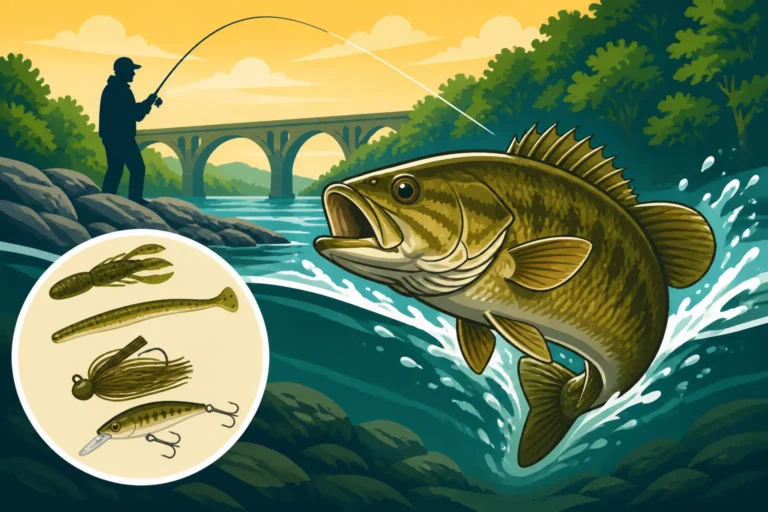
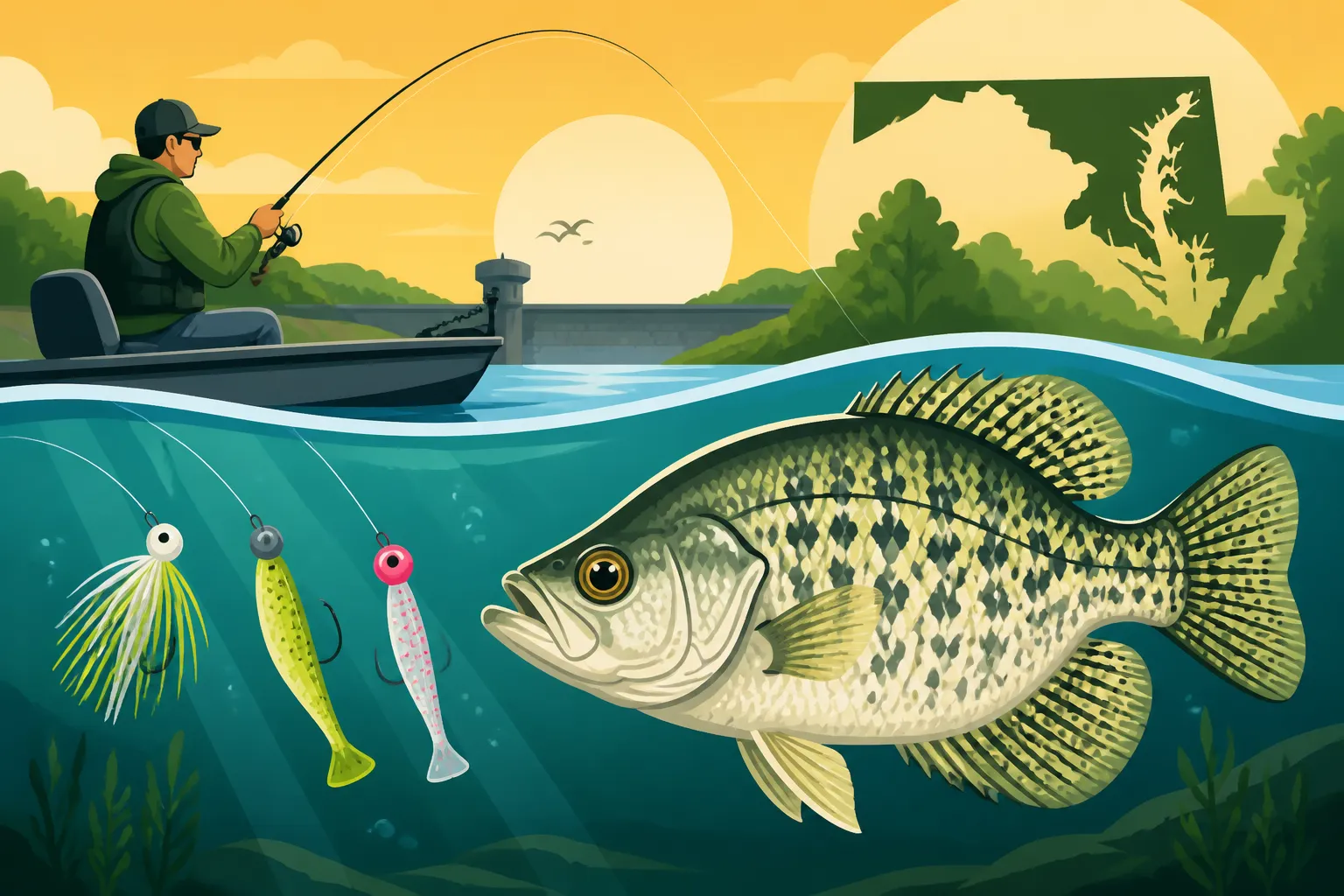
Artificial lures are incredibly effective for crappie, especially when you're actively searching for fish or when they're feeding aggressively. The most popular and versatile artificial bait is the jig. Small marabou jigs, curly-tail grubs, tube jigs, and tiny swimbaits in sizes from 1/32 to 1/8 ounce are crappie magnets. Colors can vary based on water clarity and light conditions, but chartreuse, white, black, and various shades of green and brown are usually safe bets. For instance, if you're fishing Loch Raven in Winter
Beyond jigs, tiny spinnerbaits designed for panfish can also be deadly, especially when crappie are scattered or when you want to cover more water. These often feature a small lead head, a soft plastic body, and a single spinning blade that creates flash and vibration. Blade colors like silver or gold can be effective, mimicking small baitfish. Having a variety of shapes, sizes, and colors in your tackle box is a smart move, allowing you to experiment and find what the crappie are biting on that particular day. Many anglers swear by the effectiveness of a small jig head paired with a soft plastic body, which offers a realistic profile and enticing action. You can always stock up on a good assortment of these on Amazon before your next trip.
The Power of Live Bait: Minnows and More
When artificial lures aren't cutting it, or when crappie are finicky, live bait is often the ace up your sleeve. Small live minnows are arguably the most effective crappie bait there is. Presented correctly, they offer natural movement and scent that artificials simply can't replicate. Hook them lightly through the lips or just behind the dorsal fin to keep them lively. This presentation makes them appear wounded, an easy target for hungry crappie.
Beyond minnows, small worms or grub worms can also entice crappie, especially if they're feeding on insects or small invertebrates. Some anglers even have success with tiny pieces of shrimp or mealworms. The key with live bait is to keep it fresh and lively, so a good bait bucket with an aerator is a worthwhile investment. Combining a small jig head with a live minnow, often called a "jig and minnow" rig, gives you the best of both worlds: the flash and profile of a jig with the irresistible scent and movement of live bait. This combination is particularly effective when fish are holding tight to cover and need an extra incentive to strike.
Mastering Crappie Fishing Techniques
Once you understand crappie behavior and have your tackle ready, it's time to put those pieces together with effective fishing techniques. Crappie fishing isn't usually about casting far and reeling fast; it's often about precision, patience, and presenting your bait at the right depth.
Precision Vertical Jigging and Dabbing
Vertical jigging is one of the most fundamental and effective techniques for reservoir crappie, especially when you've located a school of fish on your electronics. This involves positioning your boat directly over the fish or structure and dropping your jig or live bait straight down to their depth. The beauty of vertical jigging is its precision. You can meticulously work a specific brush pile or suspend your bait exactly at the level crappie are holding. Using a sensitive rod, you'll feel the jig's subtle movements and those faint crappie bites.
Dabbing is a more refined version, often done with a longer jigging rod (sometimes 8-12 feet) from a boat, pier, or even shoreline near cover. Instead of casting, you simply "dab" or place your jig directly into small pockets of cover, under boat docks, or into tight brush piles. It's incredibly effective for extracting crappie that are buried deep within structure. The motion is usually a gentle lift and fall, or a very slight quiver of the rod tip, just enough to make the bait dance. This technique is particularly useful in tight quarters where a cast would be impossible or would spook the fish. For excellent guidance on this approach, consider checking out resources on Best Jigs for Crappie at Loch Raven
Covering Water with Trolling Strategies
While vertical jigging is about precision, trolling is about covering water and finding scattered crappie. This technique involves slowly moving your boat while dragging multiple lines with jigs or live bait at varying depths. It's especially effective when crappie are suspended over open water or when you're unsure of their exact location. Spider rigging, which involves mounting multiple long rods off the bow and sides of your boat, allows you to present baits at different depths and distances simultaneously, greatly increasing your chances of intercepting a roaming school.
When trolling, speed is crucial. Crappie generally prefer a very slow retrieve, so think snail's pace, usually less than 1 mph. Electric trolling motors are perfect for this. Experiment with different depths and lure combinations until you find what's working. Some anglers use small planer boards to spread their lines out, covering an even wider path. Pay close attention to your rod tips; a slight twitch or bend can indicate a crappie bite, which can be incredibly subtle when trolling. This method is particularly useful in larger bodies of water like Liberty Reservoir, where fish can be more dispersed.
The Art of Slip Bobber Fishing
Slip bobbers are an absolute game-changer for crappie fishing, allowing you to present a bait at a precise, pre-set depth while still making long casts. Unlike fixed bobbers, a slip bobber slides freely on your line, stopped only by a small knot (the bobber stop) that you can adjust to any depth. This means you can fish shallow areas with a long leader or deep structure without having a cumbersome amount of line between your rod tip and the bobber when casting.
To set up a slip bobber rig, you'll thread a bobber stop onto your main line, then a small bead, then the slip bobber itself. Below the bobber, you'll tie on a small hook (often a jig head or a Aberdeen hook for live bait) and add a split shot or two a few inches above the hook to get your bait down. Adjust the bobber stop to position your bait just above the crappie, as they typically feed upwards. This is a fantastic technique for fishing around submerged brush, timber, or along drop-offs, especially from shore or a stationary boat. It's particularly useful when you're targeting crappie that are suspended and feeding at a specific depth.
Spider Rigging for the Serious Angler
For those who take their crappie fishing seriously, spider rigging is the ultimate technique for maximizing catch rates. This method, as mentioned briefly under trolling, involves deploying several long fishing rods (typically 8 to 16 feet) from specialized rod holders mounted around the boat's bow and sometimes along the sides. Each rod presents a different bait—often a jig, a jig-and-minnow combo, or a minnow-only rig—at a precise depth. The boat then moves very slowly, typically with an electric trolling motor, covering a wide swath of water.
The advantage of spider rigging is multi-fold: you can cover a huge area, present baits at various depths simultaneously, and experiment with different lure colors and types all at once. When a particular rod starts getting bites, you can quickly identify the effective depth and bait, then adjust your other rods accordingly. While it looks intimidating with all those rods, it’s a highly effective way to locate and catch crappie, especially when they are scattered or when you are trying to map out a new piece of structure. It's a method that truly allows you to hunt for fish efficiently, making it a favorite among tournament anglers.
Top Maryland Reservoirs for Crappie
Maryland is blessed with several excellent reservoirs that consistently produce good crappie fishing. While techniques are universal, knowing where to apply them is half the battle. Each reservoir has its unique characteristics, but all offer fantastic opportunities for both black and white crappie.
Crappie Hotspots: Loch Raven, Liberty, and Piney Run
Loch Raven Reservoir, located north of Baltimore, is often considered one of Maryland's premier crappie fishing destinations. Its deep channels, extensive submerged timber, and numerous coves provide ideal habitat. Anglers often find success targeting the many brush piles and fallen trees, particularly in the spring and fall. The crappie here are known for their size, with slabs over 10 inches being common. Access can be a bit tricky due to regulations, so always check the latest rules from Baltimore City Department of Public Works before heading out. For a deeper dive into this fishery, you can explore Fishing Loch Raven Reservoir
Just west of Loch Raven lies Liberty Reservoir, another fantastic crappie fishery with a reputation for producing large numbers of fish. Liberty also boasts extensive timber and structure, making it a crappie paradise. The deep creek channels are key here, especially during summer and winter when crappie seek stable temperatures. Spring and fall see them move into shallower coves and feeder creeks. Both black and white crappie thrive in Liberty's waters. Like Loch Raven, it's a water supply reservoir, so specific regulations regarding boat access apply. Consider reviewing Fishing Liberty Reservoir for more detailed information.
Piney Run Lake in Carroll County is a smaller, but highly productive, option. It's a great spot for both boat and shore anglers, offering excellent crappie populations. The lake features good submerged timber and brush, particularly along its shorelines and coves. Being a bit smaller, it can sometimes be easier to pattern the crappie here, especially for those who prefer a less overwhelming body of water. Early spring and late fall can be particularly fruitful, with crappie moving into accessible shallow areas. You can also gain insight into Fishing Piney Run Reservoir if you plan a trip there.
Other Productive Reservoir Fisheries
While Loch Raven, Liberty, and Piney Run are undoubtedly top-tier, Maryland offers several other reservoirs where crappie fishing can be very rewarding. Triadelphia and Rocky Gorge reservoirs, managed by the Washington Suburban Sanitary Commission (WSSC), offer excellent opportunities, especially around the submerged river channels and standing timber. These waters often hold impressive numbers of crappie, particularly in the deeper sections during the hotter months or colder seasons. As with the other municipal reservoirs, always check their specific regulations for access and boating.
Smaller impoundments and ponds scattered across the state also hold healthy crappie populations. These can be less pressured and offer fantastic fishing, especially during the spring spawn when crappie move into shallow, visible cover. Locations like St. Mary's Lake in Southern Maryland or Unicorn Lake on the Eastern Shore, while not massive reservoirs, are known for their panfish populations, including respectable crappie. Don't overlook these smaller waters; they can often provide a more relaxed fishing experience and surprisingly good catches. Understanding the Difference Between a Tidal and Nontidal Maryland Fishing License is crucial for these diverse locations.
In summary, finding crappie in Maryland's reservoirs requires a blend of seasonal understanding, appropriate gear, and adaptable techniques. Whether you prefer the precision of vertical jigging, the covering power of trolling, or the finesse of a slip bobber, there's a method to unlock the potential of these popular panfish. And remember, sometimes the best catches come from simply being patient and observant on the water.
Disclaimer
This article is for general informational purposes only and does not constitute professional advice. Laws, prices and regulations vary by location and change over time. Consult a qualified professional for guidance on your specific situation.