How Rain Affects Fishing on Maryland Rivers
It's a familiar scenario for any angler in Maryland: you've planned your fishing trip, checked your gear, and then you see the rain clouds gathering or, even worse, the forecast is for an all-day drizzle. You're left wondering, "Is it even worth going?" The truth is, rain can dramatically alter river conditions and fish behavior, turning a potentially great day into a frustrating washout, or sometimes, an unexpected success. This guide will explore exactly how different types of rainfall impact Maryland's rivers and what you can do to adapt your strategy for a productive, and safe, fishing experience.
Understanding the Immediate Impact of Rain on River Conditions
When the skies open up over Maryland, our rivers react in a cascade of changes that directly influence where fish are, what they're eating, and how they behave. It's not just about getting wet; it's about a complete environmental shift.
Water Clarity and Sediment Runoff
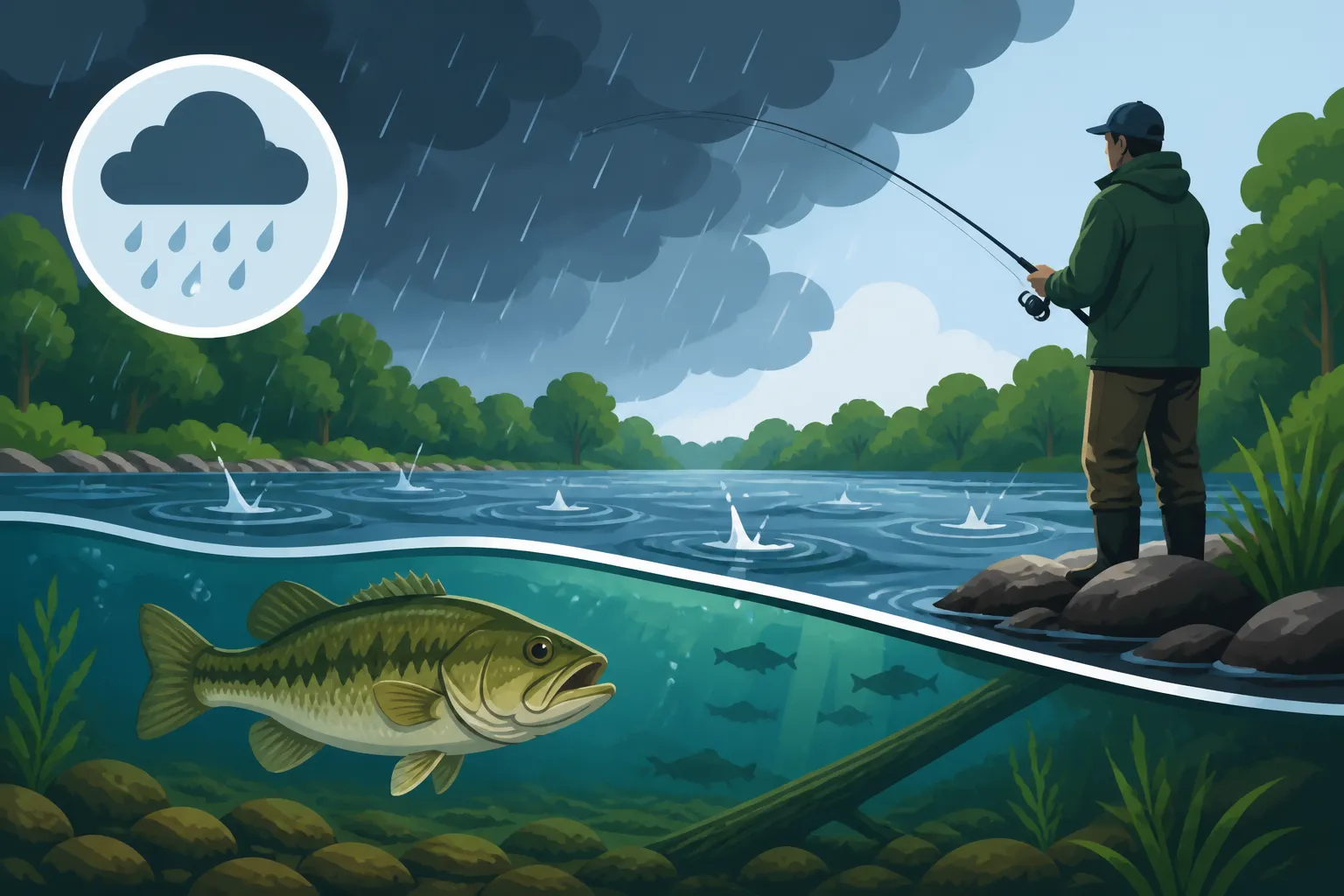
One of the most immediate and noticeable effects of rain, especially heavy rain, is the dramatic change in water clarity. As raindrops hit the land and flow into streams and rivers, they pick up sediment, silt, mud, and even organic debris. This runoff makes the water murky, turning clear, inviting currents into a chocolate milk flow that can be off-putting to both anglers and fish. Think of the Patuxent River after a strong summer thunderstorm – it can go from a gentle green hue to a deep, opaque brown in a matter of hours.
This sudden murkiness isn't just an aesthetic problem; it significantly reduces visibility. Fish that rely heavily on sight to hunt, like many bass species, might find it harder to spot their prey. However, this isn't always a negative. The reduced visibility can also make fish feel safer, encouraging them to move out from deeper cover and forage more openly. It's a double-edged sword that requires careful consideration of your lure and bait choices, often favoring those with strong vibrations or scents.
Temperature Fluctuations and Oxygen Levels
Rainfall can also bring significant changes to water temperature, which, in turn, impacts dissolved oxygen levels – a critical factor for fish health and activity. In summer, a cool rain can be a blessing. Our rivers, like the Monocacy, often heat up significantly during prolonged dry spells, making fish lethargic. A cooler rain can drop the surface temperature, invigorating fish and making them more active. This influx of cooler, potentially more oxygenated water can push fish out of deep, stagnant pockets into more comfortable feeding zones.
Conversely, a warm rain on already cold winter waters might raise the temperature slightly, offering a brief period of increased activity, though often not enough to overcome the overall cold-weather lethargy. Extremely heavy downpours, especially in small streams, can sometimes churn the water so violently that it temporarily reduces dissolved oxygen, though this is less common in larger, flowing rivers. Understanding these subtle temperature shifts is key to anticipating how fish will react. You might find some useful nuggets in our guide on Cold-Weather Fishing Tips for Maryland's Chesapeake Bay if you're out during a chilly rain.
Increased Current and Water Levels
This is perhaps the most obvious change: rivers swell, and currents strengthen. A gentle flow can become a raging torrent, completely altering the structure of the river and the habitats within it. Tributaries and feeder creeks, normally placid, can transform into powerful conduits of water, dumping large volumes into the main river channel. This influx of water means that areas that were once shallow and easily wadeable, like sections of the Savage River, become deep and dangerous.
The increased current forces fish to expend more energy to hold their position. Many will seek refuge in slower-moving water, behind submerged structures, in eddies, or along protected banks. This makes identifying slack water or current breaks absolutely crucial for anglers. These areas become prime locations where fish conserve energy while waiting for dislodged food to wash by. It’s a survival instinct that can be exploited by an observant angler.
Long-Term Effects and Subsequent Days
The immediate impact of rain is one thing, but how rivers behave in the hours and days after the precipitation stops often presents some of the most exciting fishing opportunities. The river begins to stabilize, but the changes wrought by the storm linger, creating new conditions that fish, and smart anglers, can capitalize on.
The "Sweet Spot" After the Storm
Experienced anglers often talk about the "sweet spot" – that magical window of time a day or two after a significant rain event when fishing can be phenomenal. This happens once the initial floodwaters begin to recede, and the heaviest sediment starts to settle, but before the water completely clears. The river maintains a slight stain, providing excellent cover for fish, yet visibility is improved enough for them to hunt effectively. Furthermore, the elevated water levels and currents often dislodge a bounty of food, from worms and insects to small baitfish.
This period can be particularly productive for species like catfish, which thrive in slightly turbid water and are opportunistic feeders, ready to pounce on whatever the river washes their way. If you're looking for Best Bait for Blue Catfish in Maryland Rivers, consider what might have washed in naturally. Predatory fish like bass and striped bass (where present in tidal rivers) will often move into shallower areas, ambushing prey that is trying to escape the current or feeding on the abundant food stirred up from the bottom. Timing is everything here; getting out too soon can be unfruitful, but waiting too long means missing the peak.
Bait and Forage Displacement
One of the most significant long-term effects of rain is the displacement of bait and forage. Heavy rains can wash terrestrial insects, worms, and even small rodents from the banks into the water. This sudden abundance of unusual food sources can trigger aggressive feeding behaviors in fish that might not normally encounter such a varied diet. Think of earthworms after a summer shower – they often end up in ditches and then flow into nearby creeks.
Beyond terrestrial fare, the increased current can disorient and move aquatic baitfish and crustaceans, making them easier targets for larger predators. Fish are instinctively drawn to these areas where food is concentrated, often near the mouths of swollen tributaries or where currents converge. Identifying these "food highways" can be the key to finding active fish. Even in larger bodies like the Chesapeake Bay, heavy rains on feeder rivers can influence local bait concentrations. For those interested in how larger systems like the Bay react, our article on How Tides Affect Fishing in Maryland's Chesapeake Bay offers additional insights into water movement.
River Bank Erosion and New Structure
While not always a positive for the ecosystem, heavy rain can cause erosion along river banks, leading to new structure in the water. Fallen trees, branches, and undercut banks create immediate cover and current breaks that fish will quickly utilize. These newly formed snags and pockets can become temporary hotspots, offering shelter from strong currents and ambush points for predators.
Anglers should pay close attention to areas where erosion is evident, as these spots often concentrate debris and, consequently, fish. However, this also means added hazards for your tackle, so be prepared for snags. The continuous reshaping of the riverbed and banks by successive rain events means that familiar fishing spots might change from season to season, requiring anglers to remain adaptable and always observe their surroundings.
Adapting Your Fishing Strategy for Rainy River Conditions
Successfully fishing during or after rain isn't about luck; it's about understanding the conditions and adjusting your approach. Ignoring the impact of rain is a surefire way to come home empty-handed.
Lure and Bait Selection for Murky Water
When water clarity is compromised, visual cues for fish are diminished. This means you need to appeal to their other senses: sound, vibration, and scent. Lures with strong rattles, thumping blades, or significant water displacement become incredibly effective. Think about spinnerbaits with large Colorado blades, chatterbaits, or noisy crankbaits. Colors also play a vital role. Instead of natural, subtle hues, opt for high-contrast, bright colors like chartreuse, orange, or firetiger, which can stand out better in stained water.
For bait fishing, scent is paramount. Whether you're using live bait like worms or minnows, or cut bait, enhancing it with strong attractants can make a huge difference. Popular choices from retailers like Amazon often include various scent sprays, gels, or pre-scented artificial baits. These can give fish that extra olfactory signal they need to locate your offering in low visibility. Remember, fish are still eating; they just need a little more help finding dinner.
Targeting Fish in High Water and Strong Currents
As mentioned earlier, fish will seek refuge from strong currents. This means anglers need to focus on areas of slack water. Look for eddies behind large rocks, fallen trees, bridge pilings, or along inside bends of the river where the current is weakest. Undercut banks also provide excellent cover and current relief. These are the places where fish can rest without expending too much energy, while still being in a position to ambush food washing by. Our guide on Wading the Susquehanna River Safely emphasizes the importance of understanding current and structure, which is even more critical during high water.
Additionally, fish will often move closer to the banks, especially in narrower rivers, to escape the main channel's powerful flow. Sometimes, just a few feet from the shore can be significantly calmer than the middle of the river. Cast your lures or bait into these calmer pockets, allowing them to drift naturally into potential holding areas. Don't be afraid to fish shallow, even right up against flooded vegetation, as fish might be hiding there, waiting for prey.
Adjusting Presentation and Retrieval
High water and strong currents also demand a change in how you present your bait or lure. A fast, erratic retrieve that might work in clear, calm conditions will often be ineffective in a raging river. Fish are conserving energy, and they need an easy meal. This means slowing down your retrieve significantly. Let jigs and soft plastics sink slowly, bouncing them along the bottom. For crankbaits, use a slow, steady retrieve with occasional pauses.
For bait anglers, using enough weight to hold your bait near the bottom in the desired location is crucial. Consider using a three-way swivel rig or a Carolina rig to keep your bait in the strike zone longer. When targeting specific species like largemouth bass, which often move closer to structure in these conditions, a slow, deliberate presentation is key. Understanding the Maryland Largemouth Bass Size Limit by Water might not directly relate to presentation, but knowing what you're targeting helps you choose the right approach. The goal is to make your offering appear as a struggling, easy meal rather than something fish have to chase energetically.
Safety Considerations When Fishing Rainy Rivers
Fishing in the rain or after a significant storm can be incredibly rewarding, but it also comes with increased risks. Prioritizing safety is paramount, especially when dealing with elevated water levels and slick conditions.
Monitoring Water Levels and Weather Forecasts
Before you even think about heading out to a Maryland river during or after rain, you must check the forecast and, more importantly, current river conditions. The Maryland Department of Natural Resources (DNR) website and other local weather services often provide real-time stream gauges and flood warnings for rivers like the Potomac or the Gunpowder. What looks like a light drizzle from your window could be part of a larger system causing significant upstream flooding that will reach your fishing spot later in the day.
Never underestimate the power of rising water. Even a seemingly small increase in depth can dramatically increase current strength and obscure underwater hazards. Be especially wary of sudden rises, which indicate a flash flood risk. If the water is rising rapidly, it’s always best to pack up and head home. There's no fish worth risking your life for.
Gear and Apparel for Wet Conditions
Staying dry and warm is not just about comfort; it's a critical safety measure, especially when temperatures are cool. Hypothermia can set in quickly if you're soaked and exposed to wind. Invest in good quality waterproof rain gear – a reliable jacket and pants are essential. Many anglers find excellent, affordable options for breathable waterproof gear on Amazon. Layering is also key, allowing you to adjust to changing temperatures.
Beyond rain gear, proper footwear is non-negotiable. Wading boots with good traction or waterproof hiking boots will help prevent slips on muddy banks or submerged rocks. If you plan to wade, a sturdy wading staff can provide much-needed stability and help you probe for hidden drops or unstable footing. Remember, visibility for you and others is also important; consider brightly colored rain gear, especially if you're fishing near boat traffic.
Awareness of Slippery Banks and Debris
River banks, especially after rain, become incredibly slippery due to mud, wet leaves, and moss-covered rocks. A simple misstep can lead to a fall, potentially causing injury or, worse, pitching you into the swift current. Always move slowly and deliberately along the banks, testing your footing before committing your weight. Avoid steep or crumbling banks entirely.
The increased current also brings a lot of debris downstream – fallen branches, logs, and even large pieces of trash. This debris can pose a direct physical hazard to anglers, especially those in small boats or kayaks. It can also cause unexpected snags if you're wading or casting, and create shifting patterns of current. Always be aware of your surroundings, both in the water and on the banks. If you're out in a kayak, remember our Kayak Fishing Safety Tips for Maryland's Chesapeake Bay, which are equally applicable to swollen rivers. The river is a dynamic environment, and after a good rain, it's even more so. Observe, adapt, and stay safe out there!
Disclaimer
This article is for general informational purposes only and does not constitute professional advice. Laws, prices and regulations vary by location and change over time. Consult a qualified professional for guidance on your specific situation.