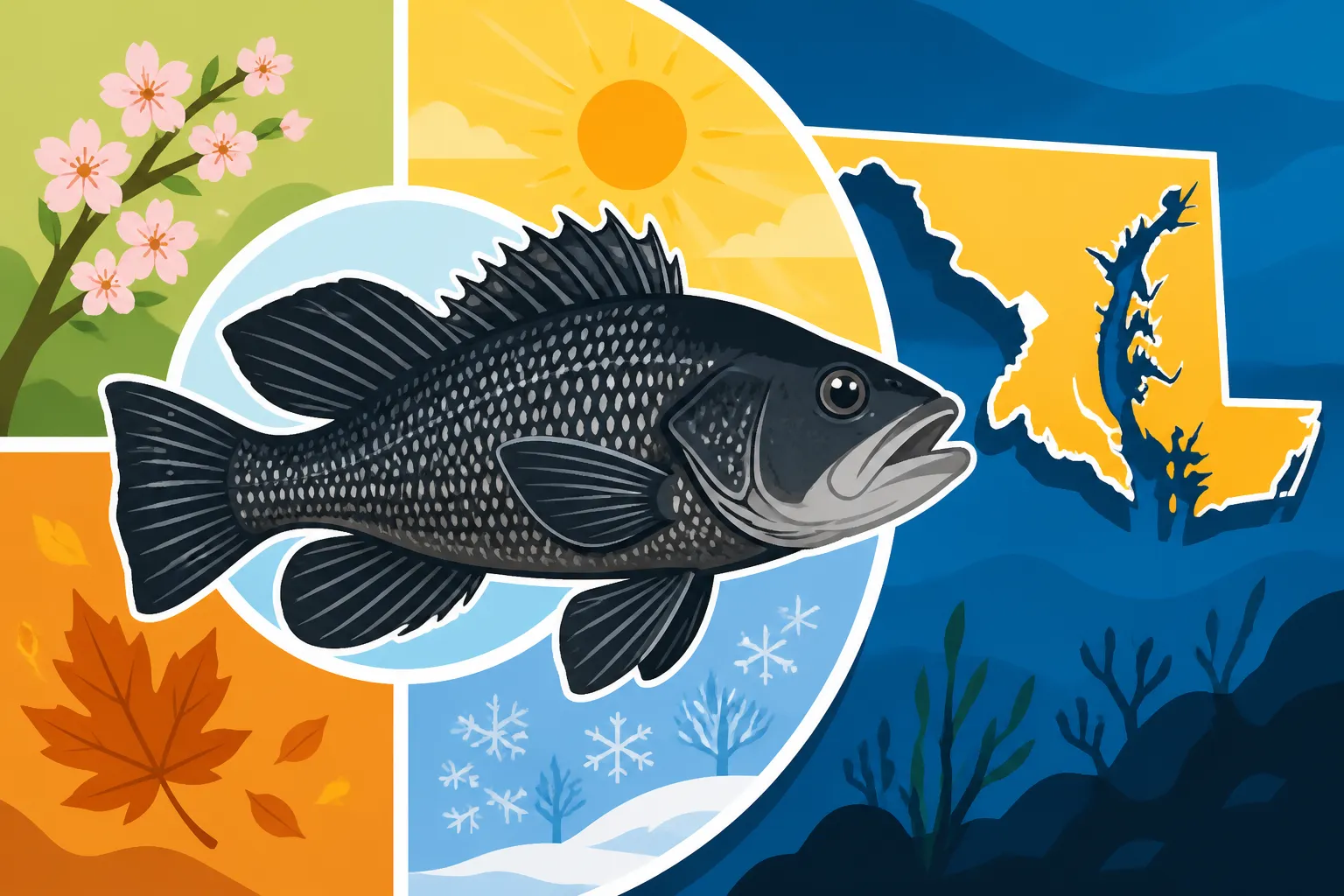
Best Time of Year for Black Sea Bass in Maryland
It can be incredibly frustrating to plan a fishing trip, get all your gear ready, only to find the fish you're targeting aren't really biting. If you're like many anglers who love the thrill of catching Black Sea Bass in Maryland, you know that timing is everything. This guide is going to walk you through the very best times of year to hit the waters for Black Sea Bass, ensuring your next trip is packed with action.
Understanding Black Sea Bass Movements and Habitat in Maryland
Black Sea Bass are fascinating creatures, and knowing a bit about their habits is key to figuring out the best time to catch them. These aren't just any fish; they're known for their delicious white meat and their feisty fight, making them a favorite among both recreational and commercial anglers in our region. But unlike some of our resident species, Black Sea Bass have a distinct migratory pattern that dictates when and where you'll find them in Maryland waters.
They are demersal fish, meaning they prefer to hang out near the bottom, often around structure. Think wrecks, reefs, rock piles, and even bridge pilings. These spots offer them shelter from predators and a bounty of smaller fish, crabs, and shrimp to feed on. During certain times of the year, especially when the water temperatures are just right, they'll congregate in these areas, making them prime targets for anglers. Their movements are largely influenced by temperature, which means their presence in specific areas of Maryland's coastal waters is highly seasonal. Understanding these patterns is your first step to a successful outing. You might find yourself researching more about the various Black Sea Bass in Maryland Coastal Waters.
The Role of Water Temperature in Black Sea Bass Migration
If there's one thing that truly drives the Black Sea Bass, it's water temperature. They are not fans of really cold water, which is why you won't typically find them in our nearshore waters during the dead of winter. As the ocean cools in late fall and early winter, these fish begin to migrate offshore to deeper, warmer waters on the continental shelf. They essentially seek out their comfort zone, which usually means water temperatures above a certain threshold.
Conversely, as spring approaches and the waters off our coast begin to warm up, Black Sea Bass make their return migration to shallower, inshore areas. This movement is driven by their need to feed and, eventually, to spawn. This warming trend is what signals the start of the Black Sea Bass season for Maryland anglers. It's like they have an internal calendar tied directly to the thermometer. When the mercury rises, they know it's time to head back to where the action is. This warming phase can sometimes vary slightly year to year, depending on how mild or harsh our winter has been, which keeps us anglers on our toes!
Key Habitats for Black Sea Bass in Maryland
When Black Sea Bass do arrive in Maryland, they're not just scattered everywhere. They have preferred hangouts, and if you know these spots, you're already ahead of the game. As mentioned, structure is paramount. Near Ocean City, for instance, you'll find them around the numerous artificial reefs, wrecks, and natural rock outcroppings. The ocean floor isn't just a flat expanse; it's a dynamic environment with countless nooks and crannies where these fish love to hide.
These structures provide both ambush points for feeding and protection. Divers often report seeing massive schools of Black Sea Bass around these underwater havens. Anglers often target specific areas known for their structure, which could include anything from a sunken vessel to a designated reef site put in place by local conservation efforts. Even some of the pilings and jetties near the coast can hold smaller populations, especially during the warmer months. Knowing your local charts and focusing your efforts on these structural features will dramatically increase your chances. For those interested in deeper dives, exploring guides like the Ocean City Maryland Fishing Guide can provide even more detail on these localized hotspots.
Peak Seasons for Black Sea Bass in Maryland Waters
When it comes to Black Sea Bass fishing in Maryland, you're really looking at a seasonal window, primarily driven by their migratory patterns in and out of our coastal waters. It's not a year-round affair, so knowing these peak times is crucial for planning your trips. Miss the window, and you might find yourself empty-handed.
Spring Migration and Early Season Opportunities
The spring migration is usually the first big exciting moment for Black Sea Bass anglers in Maryland. As ocean temperatures start to climb into the mid-50s and low 60s Fahrenheit, typically around May, these fish begin their journey from their deep offshore wintering grounds back towards the shallower, warmer waters closer to shore. This is when the fishing really starts to heat up.
During this early season, the Black Sea Bass are often hungry after their offshore trek and are eager to feed. They'll be targeting anything they can get their mouths on, making them quite aggressive and responsive to baits and lures. This period can offer some fantastic fishing, especially for those who brave the slightly cooler spring air. Many charter captains in Ocean City and other coastal ports are keenly aware of these early runs and will start booking trips specifically for Black Sea Bass. The fish are often schooled up, too, which means once you find them, you can sometimes enjoy consistent action. It's a great time to be out there, though checking the latest regulations and limits is always a good idea, as these can sometimes be adjusted based on stock assessments. You'll want to review the current Maryland Fishing Size and Catch Limits by Species before heading out.
Summer into Fall: Consistent Action and Larger Fish
While spring can be excellent, the action for Black Sea Bass really hits its stride and becomes more consistent as we move through summer and into early fall. From June through October, the waters off Maryland's coast maintain ideal temperatures for Black Sea Bass. This is often considered the prime season, offering the most stable fishing conditions and, often, a better chance at larger specimens.
Throughout the summer, Black Sea Bass are well-established on their inshore structures, constantly feeding and growing. This means you'll find them around wrecks, reefs, and rocky bottom areas with good consistency. As summer progresses, the fish tend to be more spread out but are still very catchable. The fall period, particularly September and October, can also be phenomenal. As water temperatures begin to drop slightly, but before they get too cold, the fish can become even more aggressive as they gorge themselves in preparation for their winter migration offshore. This pre-winter feeding frenzy can lead to some incredible days on the water. Many anglers find the fishing during these months to be the most rewarding. For example, some of the Techniques for Catching Black Sea Bass Near Ocean City work exceptionally well during this period.
Factors Influencing Black Sea Bass Presence
Beyond the broad seasonal patterns, several other factors can significantly impact your success when targeting Black Sea Bass in Maryland. It's not just about the month on the calendar; it's about understanding the subtle nuances that can make or break a fishing trip.
Daily Tides and Currents
While water temperature dictates their presence over weeks and months, daily tides and currents play a huge role in how and when Black Sea Bass feed. These fish often position themselves in current breaks or along the edges of structure where the current brings food directly to them. A strong current can sometimes make fishing challenging, especially when trying to hold bottom with your bait, but it can also trigger a feeding frenzy.
Understanding the tidal charts for the specific area you're fishing is paramount. Often, the incoming or outgoing tide can concentrate baitfish, which in turn brings in the Black Sea Bass. Slack tide periods, when the current is at its weakest, can sometimes be slower, as the movement of food is reduced. However, on other days, a slack tide can allow the fish to venture out from cover with less effort, making them more accessible. It's not a one-size-fits-all rule; you need to observe and learn the patterns of your chosen spot. Many experienced captains will tell you that paying attention to how the tide is running is almost as important as knowing where the fish are hiding. You might find more detail on this in articles discussing How Tides Affect Fishing in Maryland's Chesapeake Bay, even though it's bay-focused, the principles apply broadly.
Weather Conditions and Their Impact
Just like with any fishing, weather conditions can have a major impact on Black Sea Bass activity. High winds can make it nearly impossible to fish effectively, as boat control becomes a nightmare and feeling subtle bites is a struggle. Rain itself often doesn't deter these fish too much, but accompanying frontal systems can certainly shift their behavior.
A significant drop in barometric pressure before a storm can sometimes trigger a feeding binge, making the fish more active. Conversely, immediately after a strong cold front passes, fishing can often slow down dramatically as the fish become lethargic and less inclined to feed. Calm seas and stable weather patterns generally provide the best conditions for Black Sea Bass fishing. It allows you to present your bait naturally and detect even the slightest nibble. Always check the marine forecast before heading out, not just for safety, but also to gauge the potential activity of the fish.
Depth and Structure Preferences
Black Sea Bass are undeniably structure-oriented, but their preferred depth can vary throughout the season and even day to day. In the spring and early summer, you might find them in shallower waters, sometimes as little as 20-30 feet deep, especially around prominent inshore structures. As the season progresses and water temperatures rise, they might move to slightly deeper reefs or wrecks to find more comfortable conditions, perhaps in the 40-70 foot range, or even deeper offshore.
The type of structure also matters. While they love rocky bottoms and artificial reefs, larger concentrations are often found around more significant structures like shipwrecks, which provide vast amounts of vertical relief and hiding spots. Fishing tackle stores, and even online retailers like Amazon, offer a wide array of jigging rods and reels perfect for working these deep-water structures. Using a fish finder to locate these underwater features and identify congregations of fish is incredibly helpful. Without good structure, even at the right time of year, your chances of finding Black Sea Bass diminish significantly. Many charter trips for Black Sea Bass focus explicitly on these kinds of spots.
Best Times for a Successful Black Sea Bass Trip
So, we've covered the what and the why; now let's get into the nitty-gritty of planning your best Black Sea Bass trip in Maryland. Timing truly is everything for these popular bottom dwellers.
Planning Around Regulatory Seasons
First and foremost, you absolutely must be aware of the regulatory seasons for Black Sea Bass in Maryland. Fishing seasons, size limits, and bag limits are set by regulatory bodies and can change annually to ensure the sustainability of the fishery. There's nothing worse than having a stellar day on the water only to find out you were fishing out of season or kept undersized fish. These regulations are in place for a good reason, and adherence is mandatory.
Typically, Maryland's Black Sea Bass season will have specific open periods, often starting in spring, possibly closing for a brief period in summer, and then reopening or having continuous harvest into the fall. It's crucial to consult the latest Maryland DNR fishing guide or website before every trip. This information is usually readily available and updated. Don't rely on outdated information! Always check before you go. This also includes understanding your Maryland Fishing License Guide for 2026 requirements, as even on a charter, you need to be aware of what's covered.
Ideal Months for Targeting Black Sea Bass
Based on their migration and feeding patterns, the ideal months for targeting Black Sea Bass in Maryland generally fall into two main windows, with the summer into early fall being the most consistent.
- Late Spring (May-June): This is a fantastic time as the fish are migrating back inshore, often hungry and schooling up. Water temperatures are rising, and the fish are actively feeding. You might catch a good number of medium-sized fish during this period.
- Summer (July-August): Fishing remains strong throughout the summer. While some larger fish might be in deeper spots, many Black Sea Bass will be actively feeding around inshore structures. This is a very popular time for recreational anglers and charter boats alike. It's a great time for a family trip, perhaps booking a Maryland Chesapeake Bay Fishing Charters, What to Expect if you're new to the area.
- Early Fall (September-October): Many experienced anglers consider this to be the best time. The water temperatures are still ideal, but the fishing pressure might have lessened a bit. The fish are often at their largest for the year, and they are aggressively feeding in preparation for their offshore winter migration. This is when you can really target those bigger "knot-head" Black Sea Bass.
| Season | Typical Months | Black Sea Bass Activity | Fishing Conditions | Notes |
|---|---|---|---|---|
| Late Spring | May – Early June | Returning inshore, actively feeding, often schooled. | Cooler air, water warming. Can be very good. | Check for season openers and initial limits. |
| Summer | Mid-June – August | Well-established on inshore structures, consistent feeding. | Warm air and water, generally stable weather. | Peak recreational fishing, often good numbers. |
| Early Fall | September – October | Aggressive feeding before offshore migration, larger fish. | Comfortable air temps, water still warm, less crowded. | Often the best chance for trophy-sized Black Sea Bass. |
| Late Fall/Winter | November – April | Migrating offshore to deeper, warmer waters. | Colder water, very limited inshore presence. | Very little to no inshore Black Sea Bass fishing. |
Remember, these are general guidelines, and specific conditions can vary. Keeping an eye on local fishing reports and water temperature charts is always a smart move. When preparing for these trips, ensure you have the right gear. Many anglers find durable, purpose-built fishing tackle on sites like Amazon.
Booking Charters and Guides During Peak Times
If you're serious about maximizing your chances, especially if you're not an experienced offshore angler, booking a reputable fishing charter or guide during these peak times is an excellent strategy. These captains live and breathe fishing, and they know the local waters, the currents, and where the fish are holding better than anyone. They're often already familiar with the best Techniques for Catching Black Sea Bass Near Ocean City and have their boats rigged for success.
However, because these are the best times, these charters book up fast. If you're planning a trip for late spring or early fall, especially on weekends, you'll want to book your trip months in advance. A good captain will also keep you updated on the latest regulations and help ensure your catch is legal. They provide all the necessary safety gear and often the bait and tackle too, though it’s always wise to confirm what’s included. This is especially helpful if you're looking for Best Ocean City Charters for Sea Bass.
The experience of going out on a charter is often more productive and safer than venturing out on your own if you're unfamiliar with the area or offshore fishing in general. They have the knowledge to navigate offshore waters and locate productive structures where Black Sea Bass are abundant. Don't hesitate to give them a call and discuss your preferences and what you hope to catch. Many will even offer cleaning services for your catch at the end of the day, making your journey from the ocean to your dinner plate as smooth as possible.
Disclaimer
This article is for general informational purposes only and does not constitute professional advice. Laws, prices and regulations vary by location and change over time. Consult a qualified professional for guidance on your specific situation.