Best Bait for Surf Fishing at Assateague Island
Figuring out the absolute best bait for surf fishing at Assateague Island can feel like trying to solve a cryptic riddle whispered by the ocean waves. One day, the fish are practically jumping on bloodworms, and the next, they won't touch anything but a fresh hunk of cut bunker. It’s frustrating, right? You want to maximize your chances, and with the unique, dynamic environment of Assateague, picking the right bait is half the battle. This guide is here to unravel that mystery, breaking down the top bait choices for Assateague's surf and when to use them, so you can spend less time guessing and more time reeling in your next catch.
Understanding Assateague's Unique Ecosystem and Target Species
Assateague Island isn't just any stretch of beach; it's a vibrant, ever-changing ecosystem that influences what fish are present and, consequently, what baits work best. Before you even think about what to put on your hook, it helps to understand the playing field and the players.
The Dynamic Nature of Assateague's Surf Zone
The surf zone at Assateague is a constantly shifting environment. Sandbars form and dissipate, guts and sloughs deepen and shallow, and currents can be strong. This dynamic nature means that fish are always on the move, searching for food and shelter. The bait you choose needs to be able to withstand the surf, stay on the hook, and still present naturally enough to entice a strike. What might work perfectly in a calm bay might get ripped off your hook by the strong Assateague waves in seconds.
The water clarity also plays a huge role. After a storm, the water might be churned up and murky, reducing visibility for predators. In these conditions, baits that rely on strong scent trails often perform better than visual lures. Conversely, on a bright, clear day with calm surf, fish might be more inclined to strike at a bait that looks realistic or has a bit of flash. Understanding how to read a sandbar for surf fishing can also give you an edge, as knowing where the fish are likely holding will help you present your chosen bait effectively.
What Fish Are You Really After?
Assateague's surf offers a fantastic variety of species, and each has its own dietary preferences. What you're hoping to catch will heavily dictate your bait choice. Are you aiming for a trophy red drum, a feisty bluefish, or perhaps some dinner-plate flounder?
For instance, if you're targeting big, hungry red drum, you'll need something substantial and smelly. They're not usually interested in small pieces of clam. Similarly, bluefish are aggressive predators that often prefer moving, flashy baits or fresh cut bait. Smaller species like croaker and kingfish, however, will readily take a piece of bloodworm or clam. Even the elusive striped bass can be found cruising the surf, especially during cooler months, and they have a broad diet that changes with the season. Understanding the different species and their feeding habits is the first step to successful surf fishing. For a deeper dive into the species you might encounter, check out our guide on Maryland's Most Popular Saltwater Gamefish.
The Tried-and-True Natural Baits for Assateague Surf Fishing
When it comes to surf fishing, especially at a place like Assateague, natural baits often hold the crown. They offer the scent, texture, and taste that fish are naturally programmed to seek out.
Clams and Bloodworms: The Universal Attractors
If there are two baits you should always have in your cooler when surf fishing Assateague, it's clams and bloodworms. They are the bread and butter of many surf anglers for good reason.
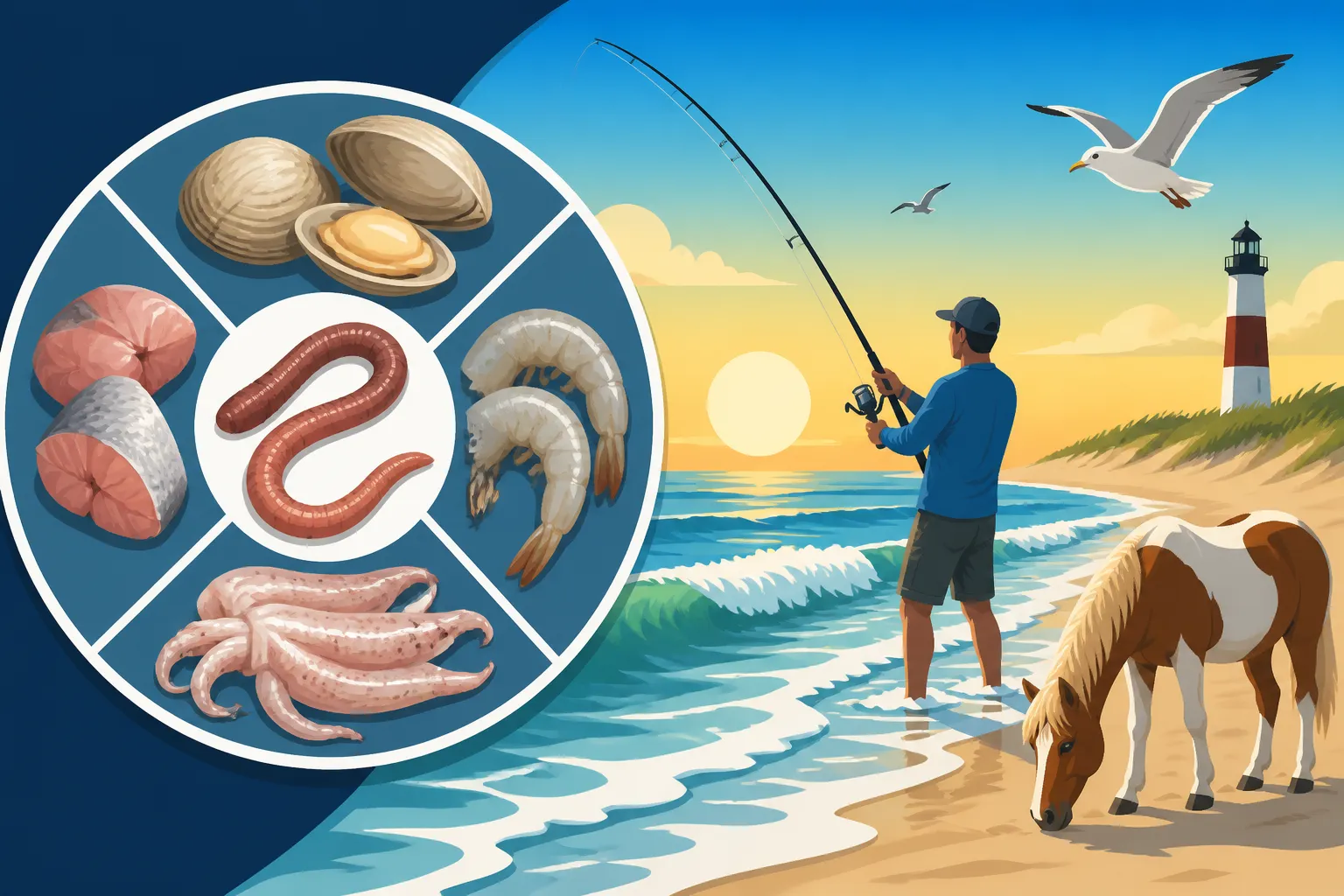
Clams: Whether you're using fresh surf clams or frozen varieties, they emit a powerful scent that fish simply can't resist. Kingfish, croaker, flounder, and even smaller striped bass and red drum will readily inhale a properly presented clam. The key with clams is to make sure they stay on the hook through the casting and surf action. Many anglers will use a small piece of "bait thread" or elastic string to wrap around the clam on the hook, securing it tightly. This prevents the clam from washing off and ensures your bait stays in the strike zone longer. You can often find pre-packaged surf clams at local bait shops, or sometimes even harvest your own if the conditions are right and regulations allow.
Bloodworms: Oh, the mighty bloodworm! These wriggly, expensive, but incredibly effective baits are legendary for their ability to attract a wide range of fish. Their natural scent and movement are irresistible, particularly to kingfish, croaker, and even the finicky spot. Many anglers report that using bloodworms can turn a slow day into a productive one. When rigging, thread the bloodworm onto a small, sharp hook, leaving a bit of the tail to wiggle. If bloodworms are too long, you can cut them into pieces, but make sure each piece has some of that irresistible internal fluid exposed. While they are a bit pricier, their effectiveness often justifies the cost, especially when the bite is tough.
Fresh Cut Bait: Bunker, Spot, and Mullet
For anglers targeting larger, more aggressive species like red drum, larger bluefish, or bigger striped bass in the surf, fresh cut bait is king. These baits provide a substantial meal and a strong scent trail that can draw in fish from a distance.
Bunker (Menhaden): Also known as pogies, bunker are oily, smelly fish that are a primary food source for many large predatory fish in the ocean. A fresh chunk of bunker, especially one that has been freshly cut to release its oils, is an absolute magnet for red drum, big bluefish, and trophy striped bass. You'll want to use a heavy-duty surf rod and a fish finder rig with a stout circle hook for this. Cut the bunker into steaks or strips, making sure to include some of the bloody internal organs for maximum scent. The oil slick created by fresh bunker in the water column is a powerful attractant.
Spot and Mullet: While not as oily as bunker, fresh spot and mullet also make excellent cut bait, particularly for flounder, bluefish, and smaller drum. Spot can often be caught in the surf itself or in the back bays, providing a readily available, fresh bait source. Mullet, too, are common forage fish. Cut them into strips or small fillets, ensuring the skin is still attached to help keep the bait on the hook. These baits are particularly effective when the water is clearer, and fish are relying more on sight in addition to scent. For tips on how to catch these baitfish, many local anglers use small sabiki rigs or cast nets in calmer waters nearby.
Peeler Crab and Shrimp: The Finesse Options
Sometimes, the standard clam or cut bait just isn't cutting it. That's when you might turn to more refined options like peeler crab or fresh shrimp. These baits are incredibly natural and often irresistible to a wide range of species.
Peeler Crab: Oh, the mighty peeler! A soft crab, or a peeler in its pre-shedding state, is considered gourmet food by many fish, especially flounder and striped bass. The soft, juicy meat and strong natural scent are incredibly appealing. It can be a bit challenging to keep on the hook, so many anglers will use bait thread to secure a small chunk of peeler. Due to their cost and fragility, peelers are often reserved for when fishing is tough, or when targeting a specific, prized species. They're not always easy to find, so if you see them at a bait shop, snap them up!
Shrimp: Fresh, peeled shrimp can be a deadly bait for nearly all the species found in the Assateague surf, from croaker and kingfish to flounder and even smaller bluefish. The natural scent and taste are universal attractors. Make sure to use fresh, not pre-cooked, shrimp. Peel the shrimp, leaving the tail on for a better hook hold, and thread it onto a small, sharp hook. Similar to clams, using bait thread can help keep it secure, especially if you're making long casts into heavy surf. Shrimp is readily available at most seafood markets and bait shops, making it a convenient choice. For tips on how tides affect fishing in Maryland's Chesapeake Bay, much of the same logic regarding bait and current applies to the surf zone.
Artificial Baits: When to Go Synthetic at Assateague
While natural baits are often the go-to, there are definitely times and situations where artificial baits can be incredibly effective, and sometimes even outperform naturals, especially when you're looking for an active bite or covering a lot of water.
Scented Soft Plastics: Mimicking Naturals
Technology has come a long way, and modern scented soft plastics can be incredibly lifelike and carry powerful attractants, making them a fantastic alternative or supplement to natural baits.
Gulp! Baits: Brands like Berkley Gulp! have revolutionized artificial bait for surf fishing. Their scented soft plastics, like Gulp! Sandworms, Shrimp, or Peeler Crabs, release a powerful scent trail that often fools fish into thinking they're the real deal. They are durable, stay on the hook well, and don't require refrigeration. Many anglers find them particularly effective for kingfish, croaker, and flounder. You can fish them on a traditional bottom rig or a jig head. They are a great option if you run out of fresh bait or want something that can withstand repeated casts and small nibbles. You can often find a wide variety of Gulp! products on Amazon, ensuring you have your favorites in stock before your trip.
Fishbites: Another popular choice in the scented artificial bait category, Fishbites are thin, durable strips of scented material that mimic clam, shrimp, or bloodworms. They are extremely easy to use, stay on the hook incredibly well, and are perfect for catching smaller panfish like kingfish and croaker. They're also less messy than natural baits and can be stored easily. Anglers often tip their natural baits with a small piece of Fishbites for added scent and durability, or use them exclusively on small hooks. Their strong scent dispersal is a major advantage, especially in murky water.
Metal Lures and Plugs: For Active Predators
When bluefish are blitzing or striped bass are actively feeding, nothing beats the excitement of casting a metal lure or a plug into the surf and getting a jarring strike. These active presentations are perfect for covering water and triggering reactionary bites.
Metal Lures (Spoons and Jigs): Heavy metal spoons and jigs, often called "casting spoons" or "stingers," are excellent for reaching distant schools of bluefish or striped bass. Their flash and erratic action mimic fleeing baitfish. Popular choices include classic Kastmasters or Hopkins lures. The key is to retrieve them at a moderate to fast pace, sometimes with a twitching action, to make them look like struggling bait. They're durable, cast a mile, and can handle the sharp teeth of bluefish. For tips on Techniques for Catching Bluefish in Maryland, incorporating metal lures is often a central theme.
Plugs (Poppers, Swimmers, and Stickbaits): Topwater poppers create a commotion on the surface, mimicking baitfish being chased, and are incredibly exciting for bluefish and striped bass, especially during low light conditions. Subsurface swimmers and stickbaits, on the other hand, imitate wounded baitfish just below the surface and can be deadly when fish are a bit deeper or less willing to hit topwater. Color choice can be important, with natural baitfish patterns often being a safe bet. Experimentation with retrieve speed and action is key to finding what the fish want on a given day. For more on targeting striped bass, our guide on Maryland Striped Bass Fishing Techniques offers detailed insights that can be adapted for surf fishing.
Bait Presentation and Rigging Tips for Assateague's Surf
Having the right bait is one thing, but presenting it effectively in the challenging surf environment of Assateague is another. The right rig can make all the difference in keeping your bait in the strike zone and enticing a bite.
Essential Rigs: Fish Finder and Pompano Rigs
Choosing the right rig is paramount for success in the surf. These two are among the most popular and effective.
Fish Finder Rig: This rig is a staple for surf fishing, especially when targeting larger species like red drum or striped bass that might be a bit further out. It consists of a leader tied to your main line, with a sliding sinker attached via a fish finder slide or a clip. The sliding sinker allows the fish to pick up the bait and run with it without feeling the weight of the sinker, making for a more natural presentation and fewer dropped baits. You typically use a sturdy circle hook at the end of the leader, which is excellent for hooking fish in the corner of the mouth, minimizing harm and making catch and release easier if desired. This rig excels with fresh cut bait or large pieces of clam.
Pompano/High-Low Rig: While called a "pompano" rig, this setup is fantastic for catching a variety of smaller panfish like kingfish, croaker, and spot that often feed closer to shore. It features two (sometimes three) dropper loops or snelled hooks coming off the main leader, with a pyramid or Sputnik sinker at the very bottom. This allows you to present multiple baits at different depths in the water column simultaneously, increasing your chances of a bite. You can also experiment with different baits on each hook, like a bloodworm on one and a piece of clam on another, to see what the fish prefer. This rig is great for fishing in Maryland's back bays as well, not just the surf.
Maximizing Scent and Attraction
Fish rely heavily on their sense of smell, especially in the often turbid waters of the surf. Maximizing the scent of your bait can significantly increase your success rate.
One key strategy is to use fresh bait whenever possible. Freshly cut bunker or spot will bleed and release oils much more effectively than bait that has been frozen and thawed multiple times. When using clams or bloodworms, ensure they are still juicy and intact. Another trick is to "milk" bloodworms slightly before hooking them, gently squeezing them to release some of their internal fluids – but don't overdo it, or they'll be mush!
Adding commercial scent attractants, often found at bait shops or on platforms like Amazon, can also give your bait an extra edge. These come in sprays, gels, or dips and can be applied to both natural and artificial baits. Some anglers even combine natural baits with scented artificials, like tipping a clam with a piece of Fishbites, creating a "super bait" that offers both the natural appeal of fresh bait and the enhanced scent and durability of the artificial.
Sourcing Your Bait for an Assateague Adventure
Knowing what bait to use is one thing, but actually getting your hands on it, especially fresh, quality bait, is another challenge entirely. Planning ahead can save you a lot of hassle and ensure you're well-stocked.
Local Bait Shops: The Freshest Option
Hands down, the best place to source your natural bait for surf fishing at Assateague Island is a local bait and tackle shop. Shops in Ocean City, Berlin, or even Salisbury often receive fresh shipments daily.
The benefits are numerous:
- Freshness: You're most likely to find the freshest clams, bloodworms, and cut bait (like bunker or spot) at a local shop. Freshness directly translates to more scent and better performance in the water.
- Expert Advice: The folks working at these shops are usually avid local anglers themselves. They can tell you what's been biting, what baits are currently hot, and even offer advice on the best rigs or specific spots on the beach. This hyper-local knowledge is invaluable.
- Supporting Local Business: It feels good to support the community that supports your passion. These shops are vital resources for anglers, offering everything from bait to tackle to emergency repairs.
- Convenience for Live Bait: If you're looking for live spot or other small baitfish, a local shop might be your only option, as they often have aerated tanks.
Always call ahead, especially during peak season, to check bait availability. Nothing is worse than driving all the way to Assateague only to find the bait shop is out of what you need.
Online and DIY Considerations
While local shops are primary, there are times when online sources or catching your own bait make sense.
Online Retailers (like Amazon): For non-perishable items like artificial scented baits (Gulp!, Fishbites), specialized hooks, specific sinker styles, or bait thread, online retailers like Amazon are incredibly convenient. You can stock up on these items before your trip, ensuring you have a good variety without scrambling once you arrive. Just be mindful of shipping times, especially if you need something for a specific date. You might also find great deals on bulk packs of tackle essentials.
Catching Your Own Bait: This is a rewarding and cost-effective method if you have the time and equipment.
- Spot and Small Mullet: These can often be caught in the calmer waters of the Assateague bayside or nearby estuaries using small hooks with bits of bloodworm or clam, or with a cast net. Having fresh, live spot to cut up or even live-line in the surf can be incredibly effective.
- Sand Fleas (Mole Crabs): These small crustaceans are a natural food source for many surf fish, especially pompano and smaller drum. You can often scoop them directly from the wet sand at the water's edge using a specialized sand flea rake. They are fantastic live bait and extremely natural. Our guide on Surf Fishing Techniques for the Maryland Coast often mentions the effectiveness of live sand fleas.
Remember to always check Maryland Fishing Size and Catch Limits by Species and other regulations, including any rules about bait collection, before harvesting your own.
Here's a quick comparison of popular surf fishing baits for Assateague:
| Bait Type | Target Species | Pros | Cons | Rigging Tips |
|---|---|---|---|---|
| Bloodworms | Kingfish, Croaker, Spot, Small Drum | Universal appeal, strong scent, very effective | Expensive, delicate, harder to keep on hook | Thread on small, sharp hooks; use bait thread if needed |
| Surf Clams | Kingfish, Croaker, Flounder, Drum, Perch | Powerful scent, readily available | Can be messy, washes off hook easily | Use bait thread liberally, small pieces on multiple hooks |
| Fresh Cut Bunker | Red Drum, Large Bluefish, Striped Bass | Oily, strong scent trail, large meal for big fish | Can be messy, attracts sharks/rays, requires fresh source | Large circle hook, fish finder rig, cut into substantial steaks/strips |
| Fresh Cut Spot/Mullet | Flounder, Bluefish, Smaller Drum, Perch | Natural forage, good scent | Less oily than bunker, can be delicate | Medium circle or J-hook, cut into strips (skin on) or small fillets |
| Peeler Crab | Flounder, Striped Bass, Red Drum | Gourmet bait, highly effective for picky fish | Expensive, fragile, difficult to find, hard to keep on hook | Small chunks, liberal use of bait thread, sharp hook |
| Fresh Shrimp | Kingfish, Croaker, Flounder, Perch | Universal appeal, clean, widely available | Can be soft, washes off hook, often attracts small baitfish | Peeled, threaded on hook, bait thread for durability |
| Gulp! Baits | Kingfish, Croaker, Flounder | Durable, strong scent, no refrigeration needed, clean | Can be expensive, not always as effective as natural | Fish on bottom rigs or jig heads, tip with natural bait for extra appeal |
| Fishbites | Kingfish, Croaker, Spot | Extremely durable, strong scent, easy to use, clean | Smaller profile, primarily for smaller species | Small pieces on small hooks, can be used as a "tipper" with natural bait |
| Metal Lures/Plugs | Bluefish, Striped Bass | Covers water, triggers aggressive strikes, exciting | Requires active retrieve, not for bottom feeders | Cast and retrieve steadily or with jerking action, match size to baitfish |
Choosing the best bait for surf fishing at Assateague Island is a journey of understanding the fish, the environment, and being willing to adapt. Start with the tried-and-true natural baits, and don't be afraid to experiment with artificials or different presentations. The more time you spend on the sand, the more you'll learn what works best for you and the ever-changing conditions of this beautiful fishing destination.
Disclaimer
This article is for general informational purposes only and does not constitute professional advice. Laws, prices and regulations vary by location and change over time. Consult a qualified professional for guidance on your specific situation.