Fly Fishing for Smallmouth Bass on the Susquehanna
The Susquehanna River, with its sprawling waters and rugged beauty, offers some of the most exhilarating smallmouth bass fly fishing opportunities in Maryland. But let's be real, tackling a river this size with a fly rod can feel incredibly intimidating, especially if you're used to smaller streams or stillwaters. Many anglers struggle with reading the currents, choosing the right flies, or simply finding access points that aren't overrun. This comprehensive guide is designed to demystify the process, providing you with the knowledge and confidence to successfully fly fish for smallmouth bass on the mighty Susquehanna, transforming those daunting challenges into rewarding catches.
Why the Susquehanna is a Smallmouth Paradise for Fly Anglers
The Susquehanna River isn't just a big body of water; it's a vibrant, dynamic ecosystem that actively nurtures a thriving smallmouth bass population. For the fly angler, this means a unique combination of challenges and unparalleled rewards. Understanding why this river is so special for these bronze beauties is the first step to unlocking its secrets.
The Unique Allure of Susquehanna Smallmouth
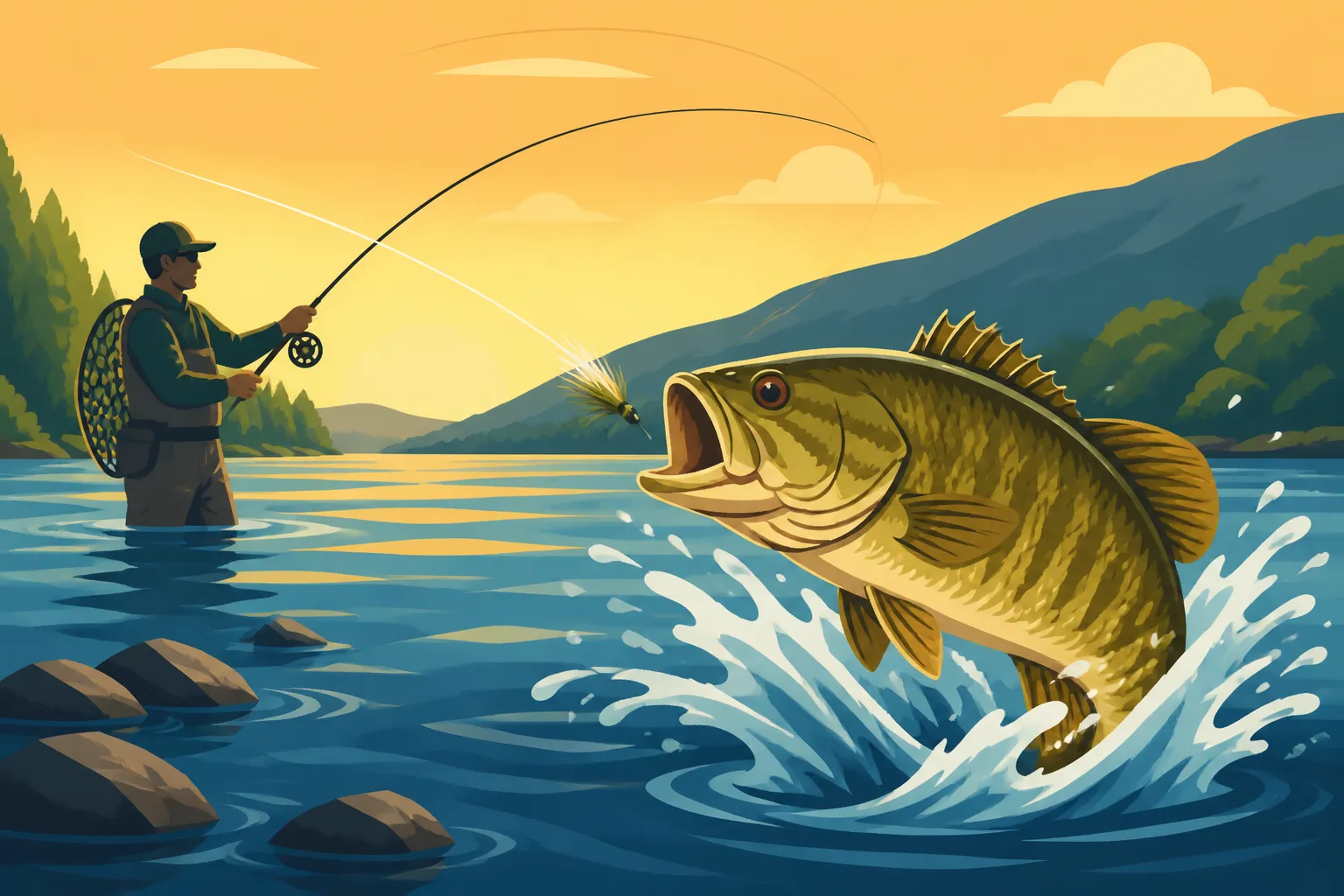
Unlike their largemouth cousins, smallmouth bass in the Susquehanna are true river dwellers, perfectly adapted to currents, rocky bottoms, and expansive stretches of water. They're aggressive, acrobatic, and possess an uncanny ability to find and utilize structure, making them an incredibly exciting target on a fly rod. When you hook into a Susquehanna smallmouth, especially one of the larger ones, be prepared for a fight that often involves aerial acrobatics and powerful runs, testing your gear and your angling prowess. The sheer volume of water means there's always something new to explore, from shallow riffles to deep eddies, each holding potential for a trophy fish. It’s a truly wild experience, far removed from the predictability of a stocked pond.
Understanding Their Habitat and Diet
Smallmouth bass are ambush predators, and their choice of habitat directly reflects this. On the Susquehanna, you'll find them congregating around current breaks like submerged rocks, fallen trees, ledges, and eddy lines. These spots provide them with shelter from the main current while offering prime ambush points for unsuspecting prey. They also love gravel bars and rocky shoals, especially during spawning season.
Their diet is incredibly varied, which is fantastic news for fly anglers because it means a wide array of fly patterns can be effective. They primarily feed on crayfish, hellgrammites, various minnows (like shiners and darters), and aquatic insects. Terrestrial insects, frogs, and even small snakes can also become meals, particularly near the banks or during times of high insect activity. Observing what's active in and around the water before you even cast a line can give you huge clues about what flies to present. Pay close attention to any movement in the water – a fleeing crayfish or a school of baitfish can point you right to a hungry smallmouth.
Seasonal Movements and Behavior
The behavior of Susquehanna smallmouth bass changes dramatically with the seasons, heavily influenced by water temperature and flow. In the spring, as water temperatures rise into the 50s and 60s Fahrenheit, smallmouth move from their deep wintering holes into shallower areas to spawn. This is a time of increased aggression, making them highly receptive to flies. They'll actively defend their nests and chase off anything that looks like a threat or an easy meal.
As summer progresses and water temperatures climb, smallmouth often become more active in the early mornings and late evenings, retreating to deeper, cooler water or shaded areas during the heat of the day. They'll seek out the cooler, oxygen-rich current seams and deeper pockets behind large rocks. Fall sees another surge in activity as fish feed heavily to bulk up for winter, making them very eager to strike. They'll often move back into shallower flats and channel edges. By winter, they're generally holding in deep pools with slower currents, conserving energy, and becoming much harder to entice, though not impossible for the dedicated angler. Understanding these patterns is key to choosing your location and tactics, ensuring you're not just casting blindly but actively seeking where the fish are most likely to be.
Gearing Up for Susquehanna Smallmouth Fly Fishing
Fly fishing for smallmouth on a big river like the Susquehanna requires a bit more robust gear than you might use for delicate trout streams. The fish are powerful, the currents can be strong, and you'll often be casting larger, air-resistant flies. Having the right setup will not only make your experience more enjoyable but also increase your chances of landing those feisty bronzebacks.
Rods, Reels, and Lines for Big River Bass
For Susquehanna smallmouth, you'll generally want a fly rod in the 6 to 8-weight range. A 6-weight is versatile for most situations, especially if you prefer a lighter touch, but an 8-weight really shines when casting large streamers, fighting strong currents, or tackling bigger bass. A rod length of 9 feet is standard and provides good leverage for casting and fighting fish. Look for a fast to medium-fast action rod that can generate good line speed to punch through wind and turn over bulky flies.
Your reel should be a good quality, large arbor model that balances well with your chosen rod. While smallmouth don't typically make screaming runs that empty your spool like some saltwater species, a smooth drag system is still crucial for handling their powerful surges. More importantly, the reel needs to hold a sufficient amount of backing (usually 100-150 yards) in addition to your fly line. For fly lines, a weight-forward floating line is your bread and butter. It's excellent for topwater flies and general subsurface work. However, consider also carrying an intermediate sinking line or sink-tip line if you plan on fishing deeper holes or fast currents with streamers, as these will get your flies down to the fish much more efficiently. You can find a fantastic selection of these specialized lines and even complete fly rod and reel combos on platforms like Amazon, offering convenience and variety.
Leader and Tippet Selection
Leaders for smallmouth bass fishing are much simpler than those for picky trout. You'll want something stout enough to handle aggressive takes and abrasive structure. A 7.5 to 9-foot tapered leader is a good starting point, typically in the 0X to 2X range, which translates to about 10-15 lb test. These heavier leaders turn over larger flies much better than lighter trout leaders.
For tippet, match your leader strength or go slightly lighter, but still keep it robust. Fluorocarbon tippet is an excellent choice for subsurface flies because it's nearly invisible underwater and more abrasion-resistant, a real plus when fishing around rocks. For topwater poppers, monofilament tippet works perfectly well and floats better. Always carry a spool of 8-12 lb test tippet. When tying on your tippet, good strong knots are essential. A double surgeon's knot for attaching tippet to leader, and a clinch knot or improved clinch knot for attaching flies, are solid choices. Remember, smallmouth aren't usually leader-shy, so prioritize strength and abrasion resistance over extreme stealth.
Essential Wading and Safety Gear
Wading the Susquehanna can be an incredibly rewarding way to access prime smallmouth water, but it also demands serious respect for safety. Studded felt or rubber sole wading boots are non-negotiable for gripping slippery rocks. They offer superior traction in varied riverbed conditions, from smooth ledgerock to loose gravel. Breathable chest waders are comfortable for extended periods and necessary for covering deeper sections. Make sure they fit well and allow for a good range of motion.
Beyond your core wading gear, a wading belt is critical; it helps prevent water from filling your waders if you take a spill, giving you precious seconds to recover. A personal flotation device (PFD), even a lightweight inflatable one, is highly recommended, especially if you're venturing into strong currents or unfamiliar waters. The Susquehanna can have powerful undertows and sudden drop-offs. Other essential safety items include a wading staff for stability, a first-aid kit, a knife, and a fully charged cell phone in a waterproof case. Never wade alone if possible, and always let someone know your float plan. You can easily find high-quality waders, boots, and PFDs from reputable brands on Amazon, ensuring you have the right protection for your adventures. Remember, safety always comes first when on the river.
Top Flies and Tactics for Susquehanna Smallmouth
The beauty of fly fishing for smallmouth bass on the Susquehanna lies in the variety of tactics you can employ. From explosive topwater strikes to subtle subsurface takes, there's a technique and a fly for almost every situation. Mastering a few key patterns and presentation methods will dramatically increase your success rate.
Surface Action: Poppers and Dry Flies
There's nothing quite like a smallmouth blowing up on a topwater fly! Poppers are incredibly effective, especially during low-light conditions (dawn, dusk) or on overcast days when smallmouth are actively looking up. Colors like chartreuse, white, black, and natural frog patterns work well. Cast them near submerged structure, current seams, or close to bank cover. Let them sit for a moment, then give a gentle twitch to create a "pop" or "gurgle." Vary your retrieve, sometimes a long pause, sometimes a series of quick pops.
While less common, large terrestrial dry flies like huge foam hoppers or crickets can also entice smallmouth, especially in late summer and fall when these insects are abundant. Cast them tight to the bank, under overhanging branches, or along current breaks. The key with all topwater presentations is patience – let the fly work, and be ready for an explosive strike! Many anglers find that the biggest smallmouth are often the ones that rise to the surface.
Subsurface Success: Streamers and Clousers
When smallmouth aren't looking up, streamers are your best friend. These flies imitate baitfish and crayfish, which are staples of the smallmouth diet. Popular patterns include the Clouser Minnow (chartreuse/white, olive/white), Woolly Bugger (black, olive, brown), Sculpzilla, and various articulated baitfish patterns. These flies are designed to be fished actively, mimicking the erratic movements of prey.
The retrieve is critical here. Cast upstream or across-stream, let the fly sink to the desired depth, and then strip it back with varying speeds and pauses. A common technique is a series of short, quick strips followed by a brief pause, making the fly dart and then settle. Experiment with different retrieve speeds until you find what the fish prefer. Target deep pockets, current seams, rock gardens, and drop-offs. Streamers are excellent for covering water quickly and finding aggressive fish. You'll want to ensure your line system (often a sink-tip) is getting these flies down into the feeding zone efficiently, which is particularly important in faster currents.
Nymphing and Bottom Bouncing
While perhaps not the first technique that comes to mind for smallmouth, nymphing and bottom bouncing can be incredibly effective, especially when fish are less active or holding tight to the bottom in deeper water. Large nymphs that imitate hellgrammites, stoneflies, or crayfish are excellent choices. Patterns like the Pat's Rubber Legs, Kaufmann's Stone, or even a heavy Crayfish pattern fished on a tight line or under an indicator can produce results.
This approach requires getting your fly down quickly and keeping it in the strike zone. Use enough weight (either built into the fly or added split shot) to tick the bottom. Cast upstream and allow the fly to drift naturally with the current, mending your line to minimize drag. Watch your indicator or fly line for any hesitation, twitch, or unnatural movement – that's often a strike. This method is particularly useful in slower, deeper runs or eddies where smallmouth are less inclined to chase fast-moving bait. It's a more subtle approach but can yield surprisingly large fish, especially when other methods are falling short.
Prime Fishing Locations and Seasonal Strategies
The Susquehanna River in Maryland offers diverse landscapes and fishing opportunities for smallmouth bass. Knowing where and when to focus your efforts can make all the difference between a frustrating day and a memorable one. While specific "secret spots" are hard to come by, understanding the general characteristics of productive areas is crucial.
Key River Sections for Fly Fishing
For fly fishing smallmouth bass on the Susquehanna in Maryland, the stretch below the Conowingo Dam, leading down to the head of the Chesapeake Bay, is often considered prime territory. This area, particularly the lower Susquehanna River around Havre de Grace and Port Deposit, offers a mix of rocky stretches, current breaks, and diverse structure that smallmouth love. Public access points and boat ramps are available in these towns, allowing both wading and boat-based anglers to explore. The constant flow from the dam also creates predictable current patterns, though it's vital to check the dam's generation schedule as conditions can change rapidly and dramatically.
Further upstream, in the more non-tidal sections of the Susquehanna, you'll find different but equally productive water. Access points, often via state parks or local launches, lead to classic smallmouth habitats featuring riffles, pools, and bedrock formations. For those looking for comparable fishing in another fantastic smallmouth river, consider exploring the Potomac, which offers excellent opportunities for Fishing the Nontidal Upper Potomac for Smallmouth Bass. Always consult a local map or the Maryland Department of Natural Resources (DNR) website for specific access points and any local regulations.
Spring and Early Summer Strategies
Spring and early summer are arguably the best times to target Susquehanna smallmouth on the fly. As the water warms (typically late April through June), smallmouth become highly active as they move into their spawning patterns. They'll be found in shallower rocky areas, often near deeper water for easy retreats.
During this period, focus your efforts on transitional areas where shallow spawning flats meet deeper channels or current seams. Poppers and walking baits can be incredibly effective early and late in the day, causing explosive strikes. Subsurface, larger streamers in natural baitfish colors (olive, white, black) or crayfish patterns fished aggressively will draw strikes from territorial fish. Fish with confidence and cover water, as the smallmouth are often spread out and actively feeding. Remember to be mindful of spawning beds and avoid disturbing nesting fish. Understanding Maryland Striped Bass Season and Rockfish Rules can also provide insights into general fishing seasonality, even though smallmouth regulations are distinct.
Late Summer and Fall Tactics
As summer wears on and water temperatures peak, smallmouth may become a bit more lethargic during the brightest, hottest parts of the day. During this time, focus on early mornings, evenings, or overcast days. Smallmouth will retreat to deeper, cooler water, often hugging the bottom in large pools, eddies, or deep rock gardens. This is when deep-fished streamers, heavy nymphs, or even slow-rolled crayfish patterns become paramount. Consider using sink-tip lines to ensure your fly gets down to where the fish are holding.
Fall brings a renewed burst of activity as smallmouth feed aggressively to prepare for winter. The cooler water temperatures make them more active throughout the day. They'll often move back into shallower flats and channel edges, particularly those with good current. Streamers remain a top choice, but don't overlook poppers on warm, sunny fall afternoons. Target areas with baitfish migrations and be prepared for powerful fights from well-fed fish. Staying informed about Maryland Fishing Size and Catch Limits by Species is crucial, as regulations can vary and impact your decisions on the water.
Navigating the Susquehanna Safely and Ethically
Fishing the Susquehanna is an incredible experience, but its size and power demand respect. Safety should always be your top priority, followed closely by ethical angling practices that ensure the health of the fishery for years to come.
Wading Safely in Strong Currents
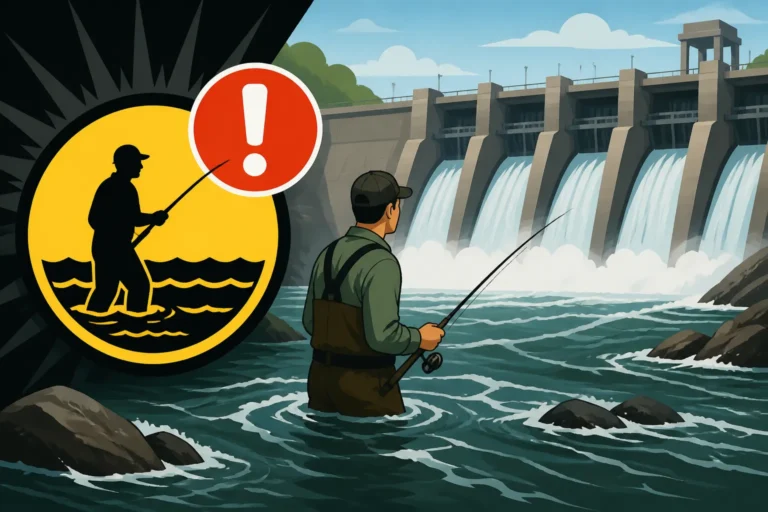
The Susquehanna River, particularly below the Conowingo Dam, can have strong and unpredictable currents. Wading requires extreme caution. Always face upstream, shuffling your feet to maintain balance, and use a sturdy wading staff for added stability. Before you even step in, take time to "read the water" – identify fast currents, deep pockets, and potential obstacles. Look for eddies and slack water behind large rocks where you can rest.
Never wade alone, and always wear a PFD. The riverbed can be uneven, with slippery rocks, sudden drop-offs, and strong undertows that can quickly sweep you off your feet. If the water looks too fast or too deep, trust your instincts and find another spot or fish from shore. Conditions can change rapidly, especially with dam releases. Regularly checking river flow data from the USGS or the Conowingo Dam generation schedule is an absolute must before planning your trip. For broader understanding of river dynamics, you might find information on How Rain Affects Fishing on Maryland Rivers or Wading the Susquehanna River Safely helpful.
Responsible Catch and Release Practices
While you might choose to keep a smallmouth or two for dinner, many fly anglers practice catch and release to preserve the fishery, especially for larger breeding fish. Responsible handling is crucial for the fish's survival. When a smallmouth is hooked, try to land it quickly to minimize stress. Use a rubberized net if possible, as it's gentler on their scales and slime coat than traditional nylon nets.
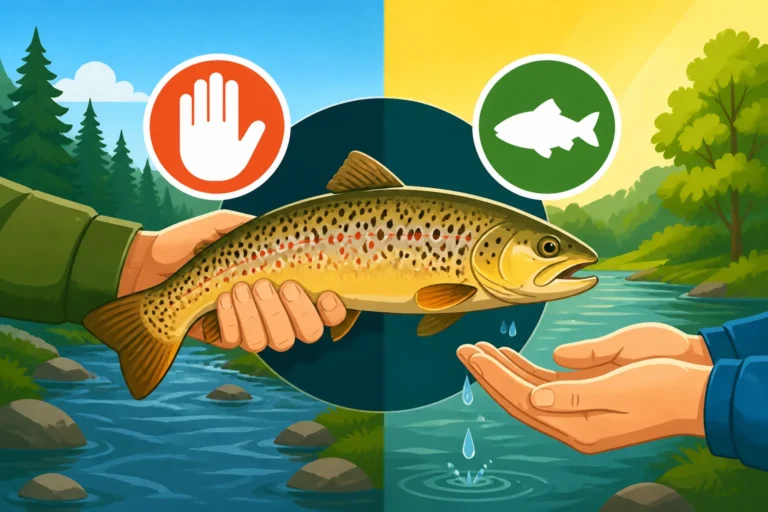
Once landed, handle the fish as little as possible. Keep it in the water or just barely out of the water for quick photos. Wet your hands before touching the fish to protect its protective slime layer. Remove the hook gently with forceps or pliers. If the hook is deeply set, consider cutting the line rather than tearing tissue. Hold the fish upright in the water, supporting its belly, until it vigorously swims away. Avoid holding fish by their jaw vertically if they are large, as this can damage their spine. Practicing these techniques contributes to the long-term health of the Susquehanna's smallmouth population. Many anglers also find this approach useful for Maryland Catch and Release Rules During Closed Seasons for other species.
Understanding Maryland's Regulations
Fishing in Maryland, whether for smallmouth bass or other species, means adhering to specific regulations designed to manage fish populations and ensure sustainable angling. It's your responsibility as an angler to know and follow these rules. For smallmouth bass, Maryland has specific size and creel (daily possession) limits that can vary by water body. These limits are subject to change, so always check the most current regulations before heading out.
You'll also need a valid Maryland fishing license. Whether you need a tidal, non-tidal, or combination license depends on where you're fishing on the Susquehanna, as parts of it transition from non-tidal to tidal waters as it approaches the Chesapeake Bay. You can find detailed information on obtaining your license and the specifics of Maryland Fishing License Guide for 2026 or Maryland Nontidal vs Tidal Fishing License, Explained. The Maryland Department of Natural Resources (DNR) publishes a comprehensive fishing and boating guide annually, which is an invaluable resource for all regulations. Ignorance of the rules is not an excuse for violations, and penalties can be significant, so stay informed by checking the Maryland Fishing Regulations Guide, Where to Find It.
Susquehanna Smallmouth Fly Fishing Quick Reference
| Factor | Spring/Early Summer (Apr-Jun) | Late Summer (Jul-Aug) | Fall (Sep-Nov) |
|---|---|---|---|
| Water Temp | Rising (50s-60s°F) | High (70s°F+) | Cooling (60s-50s°F) |
| Fish Activity | High, Spawning/Post-spawn, Aggressive | Moderate, seeking deeper/cooler water | High, pre-winter feeding |
| Primary Locations | Shallower rocky flats, current breaks, spawning beds | Deep pools, eddies, current seams, shaded areas | Channel edges, shallow flats, current breaks |
| Recommended Rod | 6-8 weight | 7-8 weight (for heavier flies/sink-tips) | 6-8 weight |
| Fly Line | Floating, Intermediate Sink-Tip | Intermediate Sink-Tip, Full Sink | Floating, Intermediate Sink-Tip |
| Top Fly Patterns | Poppers, Gurglers, Clouser Minnows, Woolly Buggers | Heavy Streamers, Crayfish Patterns, Larger Nymphs | Streamers (e.g., Kreelex), Poppers (warm days), Larger Nymphs |
| Key Tactics | Aggressive stripping, twitching topwaters | Deep retrieves, slow stripping, dead drifting nymphs | Varied retrieves, active searching, targeting baitfish schools |
| Wading Concerns | Moderate currents, possible high flows | Lower flows, but still watchful of dam releases | Moderate currents, dropping water temps |
Disclaimer
Please note that fishing conditions, regulations, and fish behavior can change rapidly. Always consult the latest Maryland Department of Natural Resources (DNR) regulations and local weather and river conditions before planning your fishing trip. This guide is for informational purposes only and does not constitute official legal advice regarding fishing regulations.