Techniques for Catching Snakehead in Maryland
If you've spent any time fishing in Maryland's diverse waters, you've likely heard the buzz, or perhaps even experienced the frustration, of encountering the northern snakehead. These aggressive, toothy invaders can be an absolute blast to catch, but they also demand a completely different approach than your typical bass or perch. This guide is dedicated to equipping you with the specialized techniques and knowledge you'll need to successfully target and land these formidable, fascinating fish in Maryland's waterways.
Understanding the Northern Snakehead's Nature
Before you even cast a line, it's crucial to understand what makes the northern snakehead such a unique and formidable opponent. They're not your average fish; they're apex predators with an almost reptilian cunning, and approaching them with conventional tactics often leads to disappointment. Learning about their biology and behavior is the first step toward consistent success.
Why Snakeheads Are So Challenging to Catch
Many anglers, especially those new to snakehead fishing, find themselves scratching their heads after a day on the water with no bites. The truth is, snakeheads are notoriously wary, incredibly well-adapted to their environments, and possess an almost supernatural ability to disappear into dense cover. They aren't going to chase a spinnerbait across open water like a striped bass, nor will they typically be found schooled up in deep channels. Instead, they are ambush predators, perfectly content to lie in wait in the thickest vegetation, patiently observing their surroundings. Their camouflage is exceptional, allowing them to blend seamlessly into submerged grass, lily pads, and woody debris.
Their challenging nature also stems from their powerful fighting style. Once hooked, they explode with headshakes, powerful runs, and often acrobatic jumps, testing both your gear and your angling skill to the limit. They're built for short, intense bursts of power, making it incredibly difficult to pull them out of heavy cover once they've dug in. It’s this combination of wariness, powerful strikes, and a penchant for difficult terrain that makes them such an addicting, albeit frustrating, target.
Prime Times and Locations for Snakehead Encounters
Timing and location are paramount when hunting for snakeheads in Maryland. While they can be caught year-round, their activity levels, and thus their catchability, fluctuate significantly with the seasons and water conditions. Generally, the warmer months, from late spring through early fall, offer the most consistent action. This is when the shallow, vegetated areas they prefer are fully developed, and the fish are actively feeding. As the water temperatures rise, their metabolism kicks into high gear, making them more aggressive and responsive to lures.
Look for them in stagnant or slow-moving water bodies, often interconnected with larger rivers or estuaries. Think tidal guts, oxbow lakes, shallow creeks, and the protected backwaters of rivers like the Potomac or the Eastern Shore's extensive network of smaller waterways. Areas with dense aquatic vegetation – lily pads, hydrilla, spatterdock, and cattails – are snakehead heaven. These plants provide both cover for ambush and a cool, shaded environment. Even if you don't see them, assume they're lurking. Pay close attention to changes in water temperature, especially during transitional periods; a few degrees can make a world of difference in their activity. Often, the best time of day to catch snakehead in Maryland is during low light conditions, like dawn or dusk, but overcast days can also be productive throughout the day.
Essential Gear for Your Snakehead Hunt
Successfully targeting northern snakeheads requires gear that can withstand brutal strikes, powerful fights, and the harsh, abrasive environments they inhabit. Skimping on tackle will almost certainly lead to lost fish, broken lines, and shattered dreams. Think of it as gearing up for a wrestling match in a jungle.
Rods, Reels, and Line for Battling Powerful Snakeheads
For rods, you'll want something stout – a heavy to extra-heavy power baitcasting rod, typically 7 to 8 feet long. The extra length provides leverage for casting heavy lures and for steering a hooked fish away from snags. A fast action tip is also beneficial for precise casting and detecting subtle bites, while the robust backbone handles the raw power of a thrashing snakehead. Brands like St. Croix, Daiwa, and Shimano offer excellent options that can stand up to the abuse. When it comes to reels, a high-quality baitcasting reel with a strong drag system and a high retrieve ratio (7.1:1 or higher) is essential. The high retrieve rate helps you pick up slack quickly after a strike and winch fish out of heavy cover. Look for reels with durable gearing and a smooth drag that won't falter under pressure.
Line choice is critical. Forget monofilament or fluorocarbon for your main line; you need braided line, and lots of it. Opt for 50-80 pound test braided line, which offers incredible strength, zero stretch for solid hooksets, and excellent abrasion resistance. Given the thick cover, anything less is asking for trouble. While you won't use a long leader of fluorocarbon like you might for bass, a short section (1-2 feet) of 50-80 pound fluorocarbon leader can be a good idea, especially if you're dealing with very clear water or extremely wary fish. This provides a bit more stealth while still offering significant abrasion resistance against their sharp teeth and gill rakers. You can find robust braided line and high-quality leaders on Amazon, often at competitive prices.
Lure Selection: Topwaters, Frogs, and More
Snakeheads are opportunistic predators, and their diet consists of fish, frogs, crayfish, and even small rodents or birds that fall into the water. This means a variety of lures can be effective, but some stand head and shoulders above the rest.
Here's a breakdown of must-have lures:
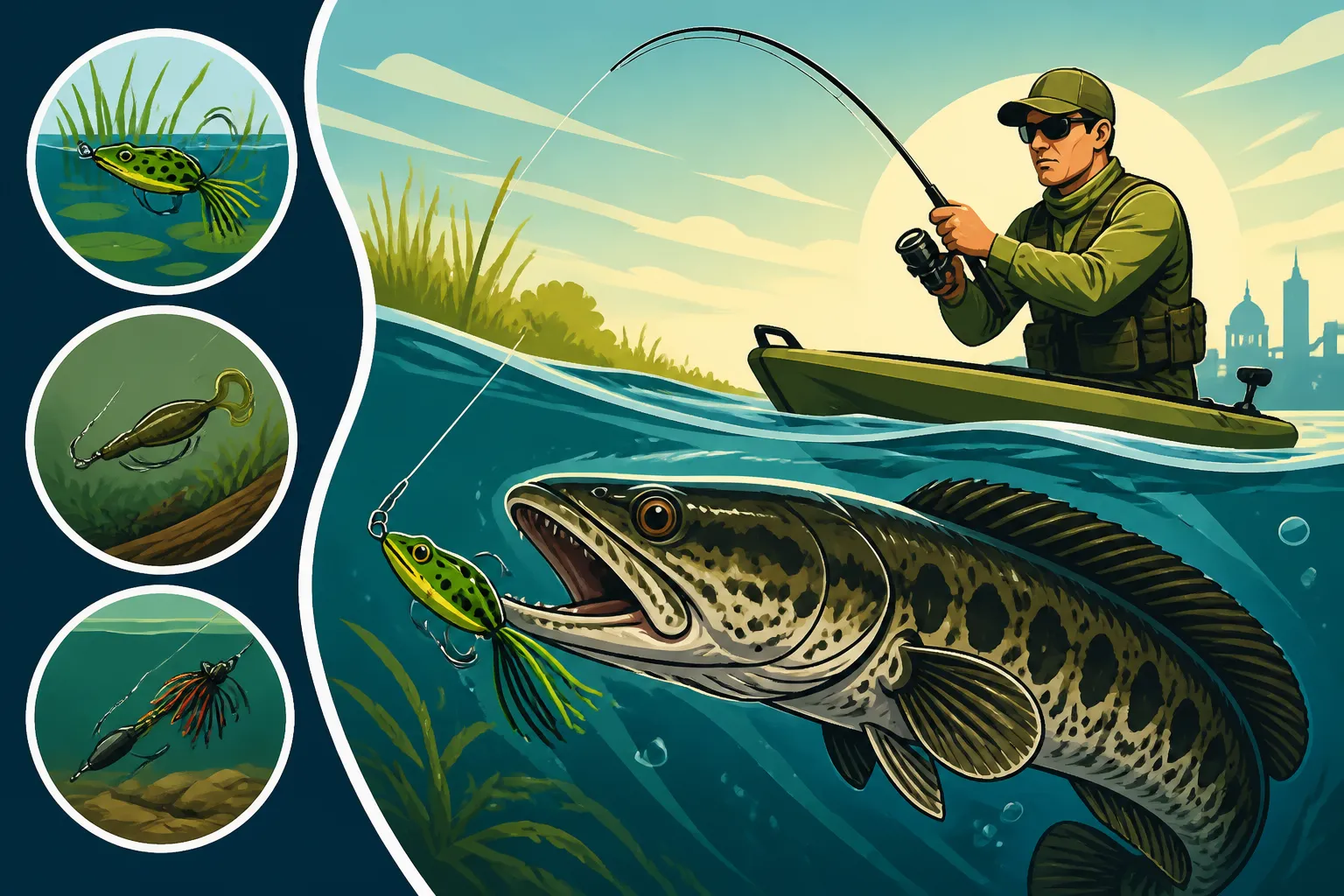
- Hollow-bodied Frogs: These are the undisputed champions of snakehead fishing, especially in thick vegetation. Their weedless design allows them to glide over lily pads, hydrilla, and matted grass without snagging. Colors can vary, but natural frog patterns, black, white, and chartreuse are popular choices. Brands like Spro, Livetarget, and Koppers offer excellent frog lures.
- Buzzbaits and Prop Baits: When snakeheads are active and less pressured, a loud, flashy topwater lure can draw explosive strikes. Buzzbaits with twin blades create a commotion that mimics distressed prey, while prop baits (like the Heddon Zara Spook or Whopper Plopper) also generate a tempting surface disturbance. These work best in slightly more open pockets within the vegetation or along its edges.
- Soft Plastic Swimbaits and Paddle Tails: Rigged weedless on a heavy-duty worm hook or a weighted swimbait hook, these can be incredibly effective when snakeheads are a bit deeper in the cover or not responding to topwaters. Sizes from 3.5 to 5 inches are common, in natural baitfish colors or bright options like chartreuse. The subtle thumping action of the paddle tail can entice strikes from finicky fish.
- Jigs with Soft Plastic Trailers: A heavy-duty jig (1/2 to 1 ounce) with a robust weed guard, paired with a crawfish or creature bait trailer, can penetrate thicker cover and get down to where the fish might be hunkered down. Black and blue, green pumpkin, and brown are reliable colors.
Having a diverse tackle box is key, as snakeheads can be finicky from day to day. Experiment with different colors and sizes until you find what they're willing to hit. Don't be afraid to try some of the more niche lures you find on Amazon from smaller brands; sometimes, an unusual presentation is exactly what it takes.
Topwater Tactics: The Most Exciting Way to Catch Snakehead
For many anglers, the sheer thrill of a snakehead exploding on a surface lure is the ultimate prize. There's nothing quite like it – the sudden eruption of water, the violent strike, and the ensuing battle in tight quarters. Topwater fishing for snakeheads isn't just effective; it's an adrenaline rush you won't soon forget.
Mastering Frog Lure Presentations
Hollow-bodied frog lures are your bread and butter for topwater snakehead fishing, particularly in the dense aquatic vegetation these fish call home. The key to success lies not just in selecting the right frog, but in mastering its presentation. Think of your frog as a living creature struggling across the water's surface.
Start by casting your frog deep into the thickest cover you can find – lily pads, hydrilla mats, or grass lines. Don't be shy; snakeheads love to hide in these impenetrable jungles. Once your frog lands, let it sit for a few seconds. This mimics a frog that has just jumped into the water and is assessing its surroundings. Then, begin a retrieve that mixes twitches, pauses, and slow drags. The "walk-the-dog" retrieve, where you twitch your rod tip to make the frog sashay from side to side, is highly effective. Alternatively, short, sharp twitches that make the frog spit water, followed by pauses, can also draw violent strikes. The length of your pauses is crucial; sometimes a 10-second pause is what it takes for a hesitant snakehead to commit. Remember, when a snakehead hits, don't set the hook immediately! Wait until you feel the weight of the fish on your line before you lean into a powerful hookset. This ensures the fish has fully engulfed the lure and isn't just swiping at it. You can learn more about how to fish a frog lure for snakehead by observing experienced anglers or watching online tutorials.
Other Surface Baits and Their Retrieval Techniques
While frogs reign supreme in the nastiest cover, other topwater lures can be incredibly effective when snakeheads are positioned along sparser edges, in small open pockets, or over submerged grass.
- Buzzbaits: These lures create a significant amount of noise and disturbance on the surface, making them excellent search baits. Cast them out and retrieve them steadily and relatively quickly, just fast enough to keep the blades spinning and the lure on the surface. The constant commotion can draw strikes from aggressive fish that are actively feeding. Experiment with different retrieval speeds; sometimes a slower, more deliberate retrieve will get more attention.
- Prop Baits (e.g., Whopper Plopper, Zara Spook): These lures offer a different kind of surface action. Prop baits, with their rotating tails, create a gurgling, sputtering sound that mimics a struggling baitfish or a small rodent. A steady retrieve with occasional twitches or pauses works well. The classic Zara Spook, with its side-to-side "walk-the-dog" action, is another phenomenal choice for more open water. Its erratic movement can trigger a predatory response from snakeheads watching from below. The key to both is creating a commotion that is enticing enough to draw the fish up through the water column to strike. Many anglers find these types of lures on Amazon, often with unique patterns or sizes that aren't available locally.
Subsurface and Finesse Strategies for Wary Snakeheads
While the explosive topwater strike is legendary, there are plenty of times when snakeheads won't commit to a surface presentation. Factors like bright sun, post-front conditions, or simply heavily pressured fish can send them deeper into cover or make them less aggressive. This is when you need to switch gears and employ subsurface and finesse tactics to coax a bite.
Jigging and Soft Plastic Approaches
When snakeheads are tucked deeper into the vegetation or aren't willing to chase, slow and subtle can be the name of the game. Jigging and soft plastic lures become invaluable tools in these situations.
- Weedless Jigs with Trailers: Combine a heavy-duty jig (1/2 to 1 ounce) with a stout weed guard and a soft plastic trailer like a crawfish or creature bait. The weight helps penetrate dense cover like hydrilla or lily pad stems, allowing you to get the lure right into their living room. Pitch the jig into thick mats, let it sink, and then use short hops or drags along the bottom. The idea is to imitate a crawfish or small bottom-dwelling creature. The key is patience; let the jig sit for several seconds after it lands before imparting movement. Often, the strike will come on the fall or during a pause.
- Paddle Tail Swimbaits (Weedless Rigged): Rig a 3.5 to 5-inch paddle tail swimbait on a heavy-duty, wide-gap worm hook (e.g., a 4/0 or 5/0 Mustad KVD Grip-Pin) for a weedless presentation. This allows you to retrieve it through submerged grass and sparse cover without snagging. A slow, steady retrieve, just fast enough to get the tail thumping, can be deadly. Vary your retrieve by adding occasional twitches or short pauses to mimic a stunned or injured baitfish. Experiment with colors – natural shad, white, chartreuse, or even dark colors like black and blue can all be effective depending on water clarity and sunlight. These can be particularly effective when fishing around the Potomac for blue catfish, as they often share the same waters as snakeheads.
Live Bait and Cut Bait for Stubborn Fish
Sometimes, despite all your artificial offerings, snakeheads just won't bite. In these frustrating situations, live bait can often be the game-changer, appealing to their instinctual predatory nature. However, it's crucial to understand and adhere to Maryland's specific regulations regarding the use of live bait, especially when targeting invasive species like the snakehead.
- Live Minnows or Small Fish: If permitted in your specific fishing area, a lively golden shiner or small sunfish hooked through the back or lips can be irresistible to a snakehead. Present this bait under a bobber in open pockets of vegetation or along transition lines where dense cover meets open water. The struggling movements of the live bait mimic exactly what a snakehead is looking for. Ensure your hooks are strong and sharp, as snakeheads have bony mouths.
- Live Eels: Eels are a premium bait for large snakeheads. Their snake-like appearance and vigorous movements underwater are often too tempting for a snakehead to ignore. Rig a live eel through the head or just behind the dorsal fin with a heavy-duty circle hook or J-hook. You can fish eels under a bobber or free-line them in open water near heavy cover. Eels are notoriously tough and can withstand multiple attacks, often leading to a solid hookset.
- Cut Bait: While less common for snakeheads than for catfish, fresh cut bait (like pieces of gizzard shad or perch) can sometimes tempt a sluggish snakehead, especially in cooler water or when they are scent-feeding. Present cut bait on the bottom near cover. Always double-check local regulations regarding cut bait, especially concerning non-native species and potential disease transmission.
It cannot be stressed enough: Maryland has strict rules about the release and transport of live snakeheads. If you catch a snakehead using live bait, you must dispatch it and cannot transport it alive. This means you must have a plan for handling your catch responsibly. Always refer to the Maryland DNR fishing regulations guide for the most up-to-date information on bait restrictions and snakehead handling.
Strategic Locations and Environmental Factors
Successfully catching snakehead in Maryland is as much about understanding where they live and how their environment influences them as it is about the right lure. These fish are masters of their domain, and knowing how to read the water and target the right spots will dramatically increase your chances of success.
Targeting Specific Maryland Waterways Known for Snakeheads
Maryland boasts several prime snakehead hotspots, each with its own characteristics. Knowing these areas is key to planning your fishing trips.
- The Potomac River and its Tributaries: The Potomac River, especially its tidal sections and interconnected creeks and marshes, is arguably Maryland's most famous snakehead fishery. From Fletcher's Cove to the vast marshlands of Mattawoman Creek and Occoquan Bay, the Potomac offers endless opportunities. These areas are characterized by extensive shallow water, dense hydrilla beds, lily pads, and slow-moving currents, providing ideal ambush habitat. Anglers often launch from public ramps like Smallwood State Park or Fort Washington. Fishing the Potomac River in Maryland also offers opportunities for other species, but snakeheads are a primary draw.
- Blackwater National Wildlife Refuge (Eastern Shore): This sprawling refuge on Maryland's Eastern Shore is a labyrinth of brackish rivers, creeks, and marshes, perfectly suited for snakeheads. The rich vegetation and diverse ecosystem make it a consistent producer. Access can be challenging, often requiring kayaks, canoes, or shallow-draft boats. Areas like the Little Blackwater River and its countless side channels are prime.
- Other Eastern Shore Rivers and Creeks: Beyond Blackwater, many smaller Eastern Shore rivers, such as the Nanticoke, Choptank (in its upper tidal reaches), and Wicomico, have healthy snakehead populations. Look for their tidal creeks, oxbows, and marshy backwaters. These are often less pressured than the Potomac and can offer fantastic fishing, particularly if you're willing to explore.
Understanding the specific characteristics of these waterways – water depth, type of vegetation, tidal influence – will inform your choice of lures and techniques. For example, some areas might be dominated by dense lily pads, while others might feature expansive submerged grass beds.
Reading the Water: Cover, Structure, and Weather Influences
Snakeheads are creatures of cover and opportunity. Learning to "read the water" for prime snakehead habitat and understanding how environmental factors affect their behavior will elevate your success rate.
- Cover and Structure: These fish absolutely love dense vegetation. Think of it as their home, their hunting ground, and their sanctuary.
- Lily Pads and Spatterdock: These floating plants provide excellent shade, cover, and ambush points. Cast your frog lures directly onto the pads and retrieve them across the surface, pausing at every open pocket.
- Hydrilla and Milfoil Beds: Submerged grass mats, particularly those that reach the surface, are snakehead magnets. They create tunnels and pockets where snakeheads can hide. Buzzbaits can be effective over slightly thinner mats, while weedless jigs and soft plastics can be punched through the thickest stuff.
- Fallen Trees and Woody Debris: Submerged logs, brush piles, and fallen trees offer excellent ambush points, especially if they are located near vegetated banks or channel edges. Pitch jigs or weedless swimbaits close to these structures.
- Cattails and Reeds: The thick edges of cattail beds along shorelines provide excellent shallow-water cover. Fan-cast parallel to these edges with topwater lures or shallow-running swimbaits.
- Weather and Water Conditions: Snakeheads are highly sensitive to changes in their environment.
- Temperature: They prefer warmer water. Late spring through early fall, when water temperatures are in the 70s and 80s Fahrenheit, is prime time. Cooler water will often push them deeper into denser cover, making them more lethargic.
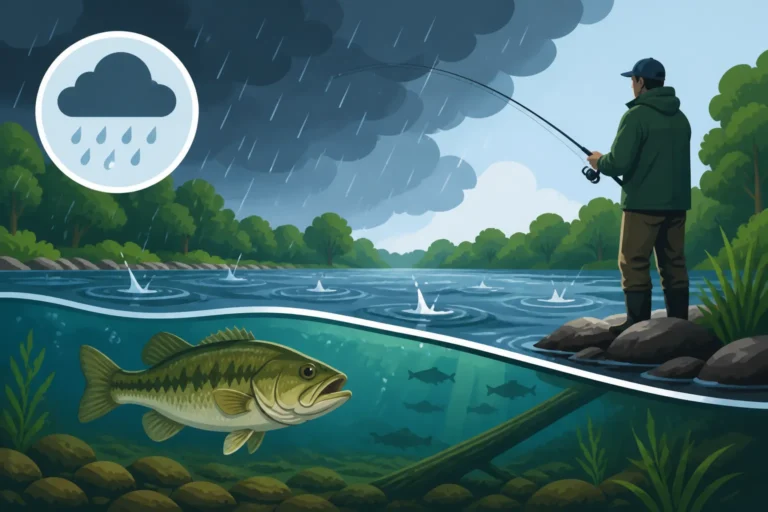
- Cloud Cover and Sunlight: Overcast days or low-light conditions (dawn and dusk) often mean more active fish, as they are less exposed to direct sunlight and can roam more freely. On bright, sunny days, they'll often bury themselves deep in the heaviest cover, requiring a more precise and slow presentation.
- Rain and Runoff: Heavy rains can sometimes scatter fish or muddy the water, making fishing tougher. However, light rain or post-rain conditions with clearing water can sometimes stimulate feeding. Where snakehead feed in shallow Maryland water is often dictated by these subtle environmental shifts.
- Tidal Influence: In tidal areas, snakeheads often move with the tide. During high tide, they might push further back into flooded grass and shallow pockets. As the tide recedes, they might concentrate in ditches, feeder creeks, or along the edges of the main channel. Understanding the tide charts for your chosen fishing spot is crucial.
| Lure Type | Best Conditions | Retrieval Technique | Pros | Cons |
|---|---|---|---|---|
| Hollow-body Frog | Dense vegetation (lily pads, hydrilla mats) | Twitch, pause, walk-the-dog, slow drag | Highly weedless, excellent for heavy cover, visual strike | Can be missed strikes, requires patience |
| Buzzbait | Open pockets, sparse cover, active fish, low light | Steady, medium-fast retrieve, creates surface commotion | Covers water quickly, triggers aggressive strikes | Less effective in thick cover, can be ignored by wary fish |
| Prop Bait | Open water, edges of vegetation, active fish | Steady retrieve with pauses, walk-the-dog | Strong surface commotion, realistic baitfish imitation | Can get snagged in heavy cover |
| Weedless Jig | Deep in cover, colder water, wary fish | Pitch, let sink, short hops, slow drag along bottom | Penetrates dense cover, targets deeper fish, subtle presentation | Slower fishing, requires good feel for bites |
| Paddle Tail Swimbait | Submerged grass, sparse cover, open water | Slow, steady retrieve; occasional twitches and pauses | Versatile, realistic profile, good vibration | Can pick up weeds, requires weedless rigging |
| Live/Cut Bait | Stubborn fish, very slow bite, specific areas | Under bobber, free-lined, bottom fished | Highly effective when other methods fail, strong natural scent | Requires careful handling, strict regulations, less active fishing |
Safety, Regulations, and Ethical Angling for Snakeheads
Fishing for northern snakeheads in Maryland isn't just about catching fish; it's about responsible angling and understanding your role in managing an invasive species. Your actions have an impact, and adhering to regulations is non-negotiable.
Handling and Dispatching Your Catch Responsibly
Unlike native species where catch and release is often encouraged, with northern snakeheads, the directive from the Maryland Department of Natural Resources (DNR) is clear: Do not release them. This is a critical part of managing this invasive species and preventing its further spread. If you catch a snakehead, you are required to dispatch it immediately.
Here’s how to do it safely and effectively:
- Safety First: Snakeheads have sharp teeth and can be extremely aggressive and difficult to handle. They also have strong gills and can survive out of water for extended periods. Use a fish gripper (like a BogaGrip or similar) to secure the fish by its lower jaw. This keeps your hands away from its mouth.
- Tools for Dispatch: The most humane and effective methods involve a sharp blow to the head with a club or priest, or a quick severing of the spinal cord (behind the head). A pair of sharp, sturdy shears or heavy-duty pliers can also be used to clip the gills or brain. The goal is to ensure a quick and humane death.
- Storage: Once dispatched, place the fish on ice in a cooler. Snakeheads are excellent eating fish, so don't let them go to waste! You can find more detailed instructions on what to do if you catch a snakehead in Maryland from the DNR website or experienced local anglers. Remember, you can't transport a live snakehead from the catch site, so make sure it is deceased before moving it.
Navigating Maryland's Specific Snakehead Rules
Maryland has specific regulations in place for northern snakeheads to curb their population and protect native ecosystems. Ignorance of these rules is not an excuse, and violations can result in significant penalties, including fines.
- No Release Rule: As mentioned, it is illegal to release a live northern snakehead in Maryland. Once caught, it must be dispatched. This is a crucial difference from many other recreational fishing rules. This is not a suggestion; it is a legal requirement designed to limit the spread of an invasive species that preys on native fish populations and competes for resources.
- No Size or Creel Limits: Currently, there are no minimum size limits or daily creel (bag) limits for northern snakeheads in Maryland. This means you can keep as many as you catch, regardless of size, provided they are immediately dispatched. This policy is unique among game fish and underscores the state's intent to reduce their numbers.
- Transporting Live Snakehead: It is strictly illegal to possess or transport a live northern snakehead in Maryland. This rule is in place to prevent anglers from inadvertently or intentionally introducing snakeheads to new water bodies. The fine for transporting a live snakehead in Maryland can be substantial, reflecting the seriousness of the offense. Always ensure your catch is deceased before leaving the fishing site. Maryland invasive fish rules: Blue Catfish and Snakehead are important to understand fully.
- Maryland Fishing License Requirements: While snakeheads are invasive, you still need a valid Maryland fishing license to target them. Ensure you have the appropriate license for the waters you're fishing (tidal vs. nontidal). You can find information about obtaining a Maryland fishing license guide for 2026 on the DNR website.
By understanding and following these rules, you're not just staying out of trouble; you're actively contributing to the health and balance of Maryland's incredible aquatic ecosystems.
Disclaimer
Please remember that fishing regulations, including those concerning invasive species like the northern snakehead, can change. It is always the angler's responsibility to check the latest rules and regulations published by the Maryland Department of Natural Resources (DNR) before heading out on the water. This guide provides general information and best practices, but it is not a substitute for official DNR publications.