Fishing the Nanticoke River for Catfish
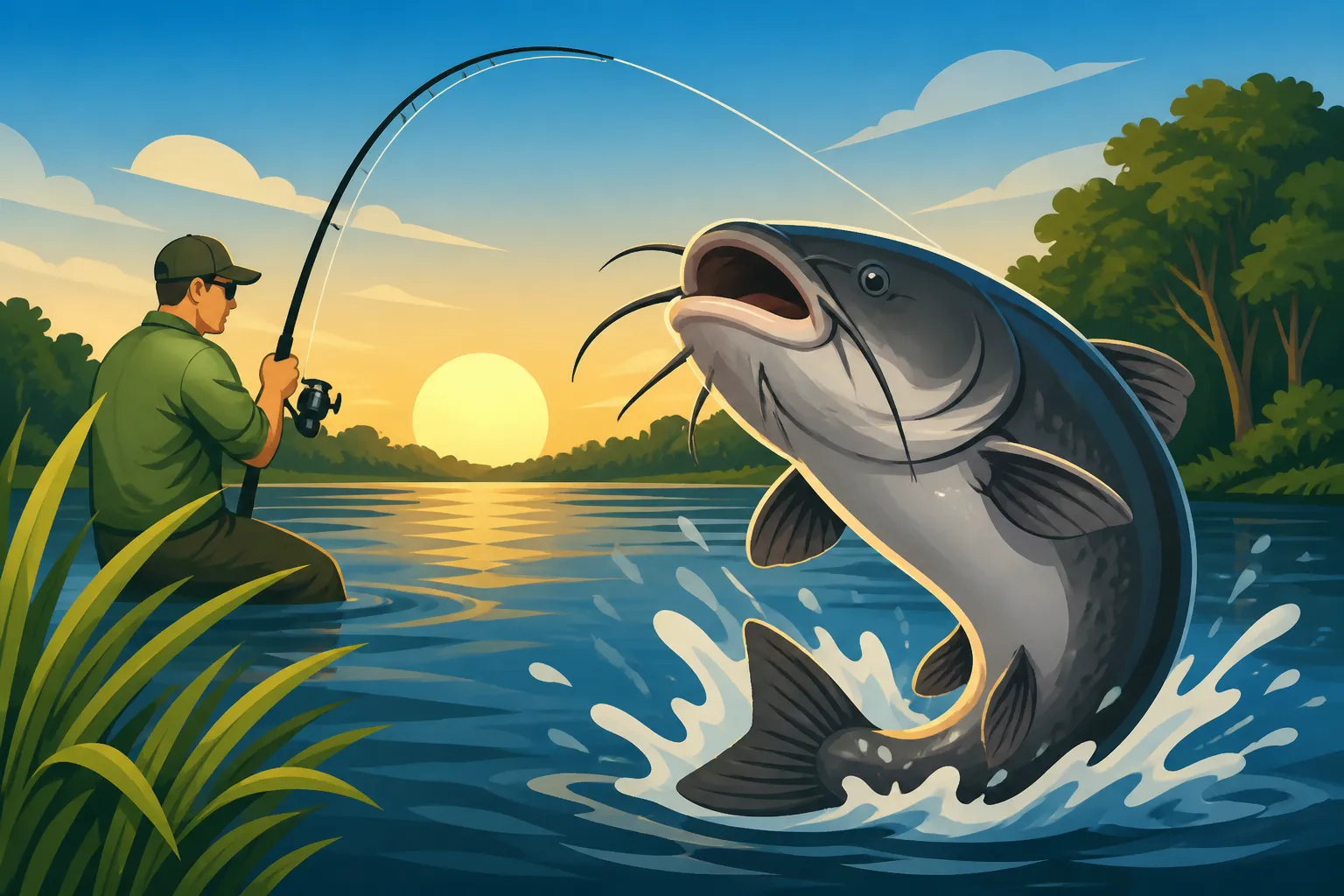
There’s nothing quite like the thrill of feeling that powerful tug on your line, signaling a big catfish is on the other end, ready for a fight. But let's be honest, finding those prime catfish spots can sometimes feel like searching for a needle in a haystack, especially in diverse Maryland waters. If you’ve been looking for a consistent, productive location, this guide is all about helping you unlock the potential of the Nanticoke River for some truly fantastic catfish angling.
Why the Nanticoke River is a Catfish Hotspot
The Nanticoke River, flowing through Maryland's Eastern Shore and into the Chesapeake Bay, isn't just a picturesque waterway; it's a veritable goldmine for catfish enthusiasts. Many anglers overlook it in favor of more publicized rockfish grounds, but those in the know understand its reputation as a consistent producer, especially for several species of catfish. Its unique blend of freshwater influence, tidal flow, and diverse bottom structure creates an ideal environment for these whiskered bottom-dwellers to thrive and grow to impressive sizes.
Unique Habitat and Forage for Catfish
What makes the Nanticoke so special for catfish? It’s primarily its dynamic environment. The river starts as a freshwater system and gradually becomes brackish as it approaches the Chesapeake Bay. This transition zone is a biological rich soup, teeming with baitfish, crustaceans, and other aquatic invertebrates that catfish absolutely feast upon. Blue catfish, channel catfish, and even bullheads find everything they need here to grow big and strong. The river's winding course, with its many creeks, oxbows, and deep bends, offers a variety of habitats from shallow muddy flats to deeper channels and submerged timber, all perfect hideouts and feeding grounds for catfish. The constant influx of nutrients from surrounding agricultural lands also contributes to a robust food web, supporting larger fish populations overall.
Prime Locations for Targeting Catfish Species
You'll find catfish throughout the Nanticoke, but certain areas consistently produce better results. Upriver, closer to the freshwater sections near places like Vienna or Federalsburg, you're more likely to encounter channel catfish and bullheads, often in shallower, slower-moving water. These areas tend to have more submerged logs, brush piles, and undercut banks – classic catfish ambush points. As you move downriver, towards Salisbury and beyond, the water becomes more brackish, and this is where the invasive, but incredibly abundant, blue catfish truly dominate. They prefer deeper channels, bridge pilings, and the mouths of larger creeks where current brings them a steady buffet. Look for structure changes, like where a deep channel abruptly meets a shallower flat, or significant bends in the river. Popular spots include the areas around the Route 13 bridge in Salisbury or the confluence of tributary creeks. For those looking to hire a local expert to show them the ropes, platforms like FishingBooker can connect you with experienced guides who know the Nanticoke's nuances like the back of their hand. They can take the guesswork out of finding those honey holes.
Essential Gear and Techniques for Nanticoke Catfish
Catching catfish on the Nanticoke requires a blend of the right equipment and a good understanding of effective fishing techniques. While they might not be the most finicky eaters, having the proper setup will significantly increase your success, especially when targeting the larger blue catfish that call these waters home. Don't be fooled by the "bottom feeder" stereotype; a big Nanticoke blue cat can put up a serious battle.
Rods, Reels, and Line for River Catfishing
When you’re gearing up for Nanticoke catfish, especially the hard-fighting blue cats, don’t skimp on your tackle. You'll want a medium-heavy to heavy action rod, typically 7 to 8 feet long. This length gives you good casting distance for reaching prime spots in the main channel and enough leverage to control a powerful fish in the current. Brands like Ugly Stik or Penn Battle series offer durable options that can stand up to the abuse. Pair your rod with a robust spinning reel or a baitcasting reel in the 4000-6000 size range, capable of holding a good amount of heavy line.
For line, 20-30 lb monofilament is a popular choice for its shock absorption, but many anglers prefer 30-50 lb braided line for its superior strength, sensitivity, and smaller diameter. A braided main line with a 30-50 lb monofilament or fluorocarbon leader (2-3 feet long) is often the best combination, providing strength and abrasion resistance against sharp shells or submerged debris. Remember, the Nanticoke has some snags, so having a strong line is crucial to prevent break-offs when a big fish tries to bury itself in cover. If you’re ever unsure about what you need, local tackle shops along the Eastern Shore are fantastic resources for hyper-local advice.
Best Baits and Rigs for Nanticoke Catfish
Catfish are opportunistic feeders, but certain baits consistently outperform others on the Nanticoke. Fresh cut bait is king, especially for blue catfish. Popular choices include fresh alewife, gizzard shad, menhaden (bunker), or even pieces of white perch. Cut them into strips or chunks about 1-2 inches in size. Some anglers also have great success with chicken livers, shrimp, or commercially prepared stink baits. For channel catfish and bullheads, nightcrawlers, corn, or smaller cut baits often work well.
When it comes to rigging, simplicity and effectiveness are key. The Carolina rig (also known as a slip sinker rig) is a perennial favorite. It allows the fish to pick up the bait and run without immediately feeling the weight of the sinker, leading to more solid hooksets.
Common Catfish Rigs for the Nanticoke River
| Rig Type | Description | Best Use Cases | Pros | Cons |
|---|---|---|---|---|
| Carolina Rig | Slip sinker (1-4 oz pyramid or flat), bead, swivel, 1-3 ft leader, hook | Main channels, moderate current, targeting larger blue catfish | Allows fish to run with bait, good sensitivity, minimizes snags | Can be difficult to cast long distances with heavy sinkers |
| Three-Way Rig | Three-way swivel, short leader to sinker, longer leader to hook | Strong currents, deeper holes, fishing from a boat or stationary position | Keeps bait off the bottom, excellent for vertical jigging or anchoring | Prone to tangling, more components to assemble |
| Santee Cooper Rig | Slip sinker, bead, swivel, float on leader above hook | Over muddy or soft bottoms, to keep bait slightly elevated from debris | Prevents bait from sinking into muck, good visibility for fish | Float can cause resistance in strong current, requires precise setup |
A 7/0 or 8/0 circle hook is ideal for most blue catfish and channel catfish, as it typically hooks fish in the corner of the mouth, making for easier release if desired and reducing gut hooks. Remember, if you're targeting blue catfish, there's generally no size or possession limit in Maryland, which is quite different from other species like striped bass. For more general tactics, checking out articles like How to Catch Blue Catfish in the Potomac River can offer transferable insights, or for bait specifics, consider Best Bait for Blue Catfish in Maryland Rivers.
Navigating Regulations and Best Practices
Before you even think about casting a line into the Nanticoke River, it's absolutely vital to understand the local regulations. Maryland has specific rules governing fishing licenses, species limits, and conservation practices designed to protect the state's diverse aquatic ecosystems. Ignoring these can lead to fines and penalties, and nobody wants that to ruin a perfectly good fishing trip!
Understanding Maryland's Catfish Regulations
First and foremost, you need a valid Maryland fishing license. This is non-negotiable for most adult anglers. Whether you're a resident or non-resident, tidal or nontidal, there's a specific license for you. You can find detailed information in a comprehensive guide like the Maryland Fishing License Guide for 2026, or if you're a Maryland resident, specifically look into the Maryland Resident Nontidal Fishing License Cost or Maryland Resident Chesapeake Bay Sport Fishing License Cost depending on where on the Nanticoke you plan to fish. You can usually pick one up online via the Maryland Department of Natural Resources (DNR) Compass portal, or at many local tackle shops and sporting goods stores. If you prefer to buy it in person, check out Where to Buy a Maryland Fishing License in Person.
Now, let's talk about catfish specifically. Maryland has a unique approach to certain catfish species, particularly the blue catfish, because it's an invasive species. Unlike native fish, blue catfish have no possession or size limits in Maryland waters, including the Nanticoke River. In fact, anglers are strongly encouraged to harvest them to help reduce their population and lessen their impact on native species. This is a significant distinction from most other game fish where strict limits apply. You can learn more about this in our guide on Maryland Invasive Fish Rules: Blue Catfish and Snakehead or specifically Maryland Blue Catfish Possession Rules. However, native species like channel catfish or bullheads might have different rules depending on the specific waterbody, so always consult the latest Maryland fishing regulations guide from the DNR before your trip.
Ethical Angling and Conservation on the Nanticoke
While the focus on harvesting blue catfish is important for ecological reasons, ethical angling practices remain paramount. Always handle any fish you intend to release with care, minimizing their time out of water. If you're using circle hooks, which are highly recommended for catfish, you'll find that they often hook fish in the corner of the mouth, making for easier, less traumatic releases for native species you might accidentally catch.
Beyond the fish themselves, consider the broader environment. Always pack out everything you pack in, leaving no trash behind. The Nanticoke is a beautiful river, and it's up to all of us to keep it that way. Be mindful of private property when accessing the river, and respect other anglers and boaters. If you’re fishing from a boat, be aware of no-wake zones and channel markers. Fishing responsibly ensures that the Nanticoke remains a healthy and productive fishery for generations to come. For those looking for more guidance or a guaranteed productive trip, exploring local charters through a service like FishingBooker can provide not only excellent fishing but also valuable insights into local conservation efforts and the best ways to enjoy the river respectfully. They often operate on a catch-and-keep model for invasive species, which helps the environment.
The Nanticoke River is truly a gem for catfish anglers in Maryland, offering consistent action and the chance at truly impressive catches. From understanding the unique habitats that make it so productive to mastering the right gear and techniques, and always adhering to regulations and ethical practices, you're now better equipped to explore this fantastic Eastern Shore waterway. Whether you’re seeking a platter of delicious blue catfish or just the thrill of the fight, the Nanticoke awaits. And remember, if you want to dial in your experience, a charter booked through a platform like FishingBooker can provide an unparalleled day on the water, guided by someone who knows the Nanticoke like their own backyard.
Disclaimer
The information provided in this guide is for general informational purposes only and is subject to change. Fishing regulations, license requirements, and best practices can vary and are updated periodically by the Maryland Department of Natural Resources (DNR). Always consult the official Maryland DNR fishing regulations prior to your trip to ensure compliance with the most current laws. We are not responsible for any incidents, accidents, or regulatory violations that may occur.