How Maryland Decides Which Rivers Get Stocked
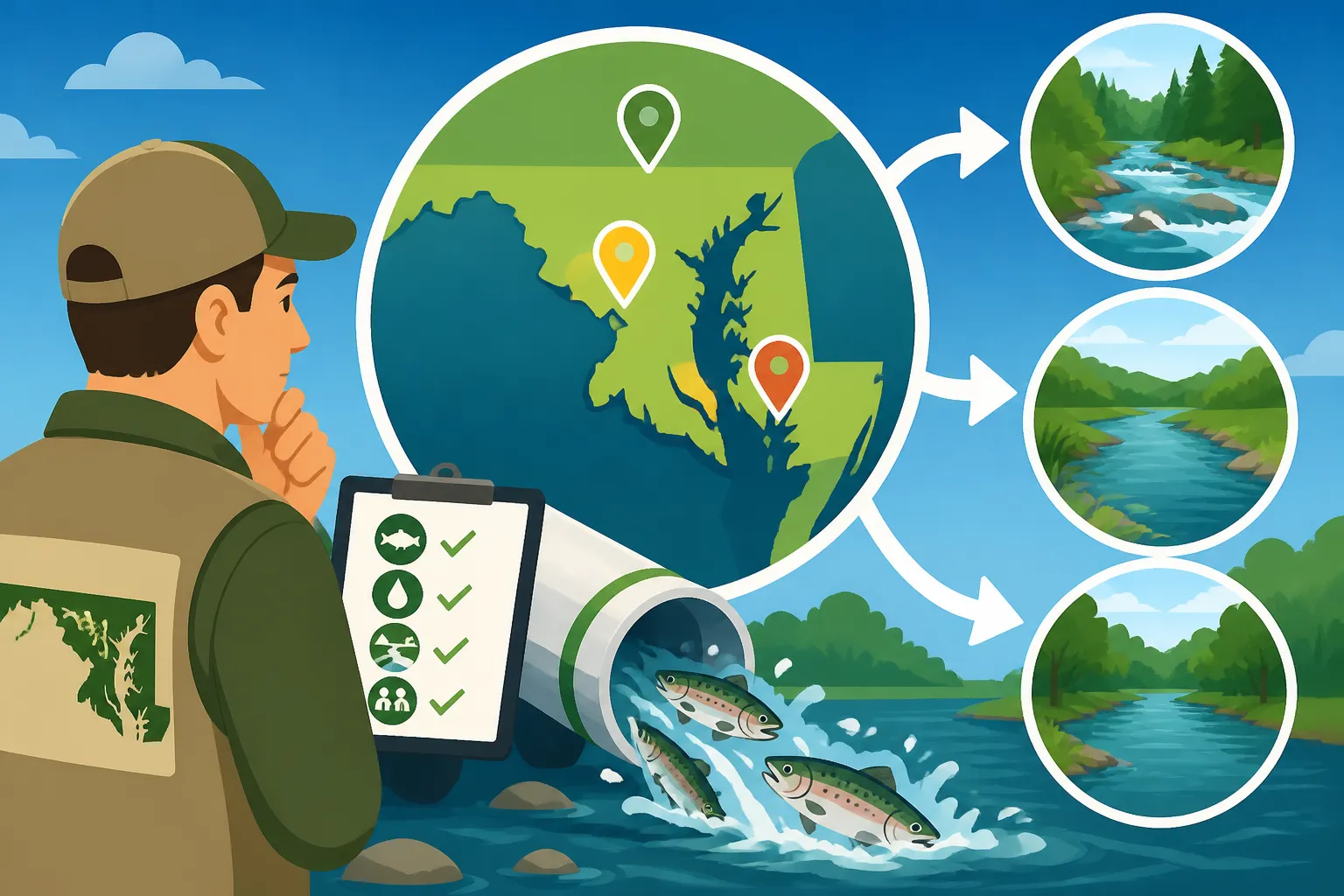
If you've ever wondered how certain rivers in Maryland suddenly become teeming with feisty trout, or why your local pond seems to get a fresh batch of fish year after year, you're not alone. It can feel like these decisions are made in some mysterious backroom, but in reality, the Maryland Department of Natural Resources (DNR) has a well-thought-out, multifaceted approach to deciding which waterways receive the benefit of their stocking programs. This guide will pull back the curtain on that process, explaining the science, logistics, and community input that go into making these vital decisions, helping you understand where and why those fish end up in the water.
The Science and Strategy Behind Maryland's Stocking Program
Stocking fish isn't just about dumping a truckload of trout into the nearest stream; it's a complex, strategic endeavor driven by a blend of ecological understanding, angler demand, and careful resource management. The Maryland DNR aims to enhance fishing opportunities across the state, but they have to do so responsibly and sustainably. This means every decision is weighed against multiple criteria to ensure the best outcomes for both the fish and the fishing community.
Species Selection and Angler Demand
One of the foundational elements in deciding which rivers get stocked is understanding what species will thrive there and, critically, what anglers actually want to catch. Maryland's diverse waters support a wide range of fish, but stocking efforts often focus on species that offer popular recreational opportunities, particularly those that might not reproduce naturally in sufficient numbers or that face intense fishing pressure. For many rivers, especially in Western Maryland, this means trout. Anglers have a strong demand for trout fishing, particularly for species like rainbow, brown, and golden rainbow trout. The DNR monitors fishing license sales, angler surveys, and creel census data to gauge demand, ensuring that their efforts align with the interests of the fishing public. It's a balance: stocking a species no one wants to catch makes little sense, just as stocking a species that can't survive the water conditions would be a waste. The goal is to provide quality fishing experiences where they're most desired and where fish can reasonably survive, at least for the duration of the season.
Habitat Suitability and Water Quality
You can't just put fish anywhere and expect them to thrive; the physical characteristics of a waterway are paramount. For cold-water species like trout, habitat suitability and pristine water quality are non-negotiable. The DNR meticulously assesses factors such as water temperature, dissolved oxygen levels, flow rates, and the presence of suitable cover (like submerged logs, undercut banks, and riffles) before designating a stream as a stocking candidate. Trout, for example, require consistently cold water, especially through the warmer summer months. If a stream routinely exceeds critical temperature thresholds, stocking it would simply lead to high mortality rates, rendering the effort pointless. This is why you'll often find that Maryland's trout stocking efforts are concentrated in the cooler, higher-elevation streams of Western Maryland or in spring-fed waterways that maintain low temperatures year-round. Beyond temperature, water quality tests for pollutants and sediment load are crucial. A beautiful stream might look ideal, but if it suffers from agricultural runoff or urban pollution, it won't be a healthy home for stocked fish.
Public Access and Economic Impact
Another significant factor in the DNR's stocking decisions revolves around public access and the broader economic benefits stocking can bring. Stocking is an investment, and like any investment, the DNR wants to see a return, not just in terms of fish caught, but in terms of recreational value and economic stimulation. Rivers and ponds that offer ample public access—whether through state parks, public boat ramps, or designated fishing piers—are often prioritized. This ensures that the maximum number of anglers can enjoy the fruits of the stocking program. Think about popular spots like the Gunpowder Falls or Patapsco River sections, which are easily accessible to large populations of anglers. Increased fishing activity in these areas also translates to local economic boosts. Anglers buy bait, tackle, food, gas, and sometimes even stay in local accommodations. The sale of items like the Maryland Trout Stamp, which is required for anyone fishing for trout, directly funds these programs, creating a cyclical benefit. Understanding where Maryland's Trout Stamp money goes helps connect these dots. The DNR evaluates which areas can provide the greatest recreational opportunity and generate the most positive impact for local communities and the state's conservation efforts.
A Deep Dive into the DNR's Decision-Making Process
The process of deciding which rivers get stocked is far from arbitrary. It's an intricate dance between scientific data, community input, and the practical realities of managing a state-wide program. The Maryland DNR uses a structured approach that ensures decisions are data-driven, transparent, and responsive to the needs of both the environment and its citizens.
Data Collection and Assessment
At the heart of any sound management decision lies robust data. The DNR's fisheries biologists are constantly collecting and analyzing information about Maryland's waterways. This involves regular surveys of fish populations, detailed water quality testing, habitat assessments, and monitoring angler effort and success rates. For instance, before a stream is considered for trout stocking, biologists might conduct electrofishing surveys to determine if wild trout populations exist or if previous stockings were successful. They'll measure stream flow, water temperature profiles throughout the year, and analyze macroinvertebrate populations (which indicate overall stream health). The data gathered helps them understand the carrying capacity of a water body—how many fish it can realistically support—and whether it has the specific conditions needed for a particular species to thrive. This comprehensive data collection also helps them understand how often are Maryland trout streams restocked and whether the timing of stocking events needs adjustment. This scientific foundation ensures that stocking efforts are biologically sound and have the highest chance of success.
Community Input and Stakeholder Engagement
While science provides the foundation, community input adds crucial layers of real-world experience and preference. The DNR understands that anglers are their eyes and ears on the water, and their feedback is invaluable. They actively seek input through public meetings, angler surveys, and direct communication channels. This engagement helps them understand where anglers are experiencing overcrowding, where access might be improving, or where new opportunities might exist. For example, if a local fishing club consistently reports good water quality and underutilized access at a particular stream, it might prompt the DNR to investigate it as a new stocking location. They also collaborate with local governments, environmental groups, and private landowners to secure access and foster stewardship of fishing resources. This collaborative approach ensures that stocking decisions reflect not just biological potential but also the social and recreational desires of Maryland's diverse angling community.
Budgetary Constraints and Resource Allocation
Let's be realistic: even with the best intentions and most compelling data, stocking fish costs money. Hatchery operations, fish food, transportation, and personnel all come with a price tag. The DNR operates within budgetary constraints, which means tough decisions sometimes have to be made about how to allocate limited resources for maximum benefit. Funds generated from fishing license sales and the dedicated Maryland Trout Stamp cost for residents and nonresidents directly support these programs, but they are not unlimited. The DNR must weigh the costs of stocking a particular river against the projected benefits—such as the number of anglers it will serve, the species' survival rate, and its overall impact on fishing opportunities. This often involves prioritizing waterways that offer the best "bang for the buck" in terms of public access, high angler satisfaction, and suitable habitat. They also consider the logistics of physically getting fish to a location; a remote stream, while pristine, might be too costly or difficult to access for regular stocking.
Understanding Different Stocking Programs
Maryland's stocking efforts aren't a one-size-fits-all endeavor. The DNR employs different types of stocking programs, each designed with specific goals in mind, whether it's providing immediate angling opportunities or fostering catch-and-release experiences. Understanding these distinctions is key to appreciating the nuance in their stocking decisions.
Put-and-Take vs. Delayed Harvest
Two primary models govern how most trout streams are stocked in Maryland: Put-and-Take and Delayed Harvest.
Put-and-Take Trout Waters, What That Means: This is perhaps the most common and straightforward approach. The DNR stocks large numbers of catchable-sized trout into accessible waterways just before and during peak fishing seasons. The expectation is that anglers will quickly harvest these fish. These areas are designed to provide immediate recreational opportunities, often in locations close to population centers. They are heavily stocked because the fish are not expected to survive long-term due to warmer water temperatures, habitat limitations, or intense fishing pressure. The goal here is quantity and accessibility, ensuring many anglers, including families and beginners, can enjoy a successful day on the water. For these waters, simple gear and baits often work best, and you can find a lot of effective options on Amazon, from basic spinning rods to a variety of Best Bait for Put-and-Take Trout in Maryland.
Maryland Delayed Harvest Trout Waters Explained: This program offers a different experience. In these designated streams, trout are stocked in the fall and spring, but strict catch-and-release regulations (often using artificial lures and flies only, sometimes with barbless hooks) are enforced for a specific period, typically until June 1st. This allows the stocked fish to disperse, acclimate, and grow larger, offering a more challenging and rewarding experience for anglers seeking a longer-lasting resource. After the specified date, harvest is permitted under general regulations. These areas are usually selected for their slightly better habitat and cooler water temperatures, which allow fish to survive longer than in typical put-and-take streams. Understanding what happens to Delayed Harvest rules on November 1 is crucial for anglers who fish these special areas. These waters cater to anglers who enjoy the pursuit and challenge of catch-and-release fishing before the harvest season opens.
Wild Trout Management Areas
While stocking is a vital tool, the DNR also prioritizes and manages areas that support naturally reproducing wild trout populations. In these sensitive streams, stocking is usually avoided entirely to protect the genetic integrity and ecological balance of the wild fish. The decision not to stock these areas is just as deliberate as the decision to stock others. Instead, management focuses on habitat preservation and restoration, ensuring that the conditions remain ideal for the wild fish to thrive on their own. These areas are often pristine, remote, and may have more restrictive fishing regulations to ensure the long-term health of the wild populations. They represent a different kind of fishing experience, one focused on conservation and the pursuit of truly native fish.
Seasonal Stocking Schedules and Transparency
The timing of stocking is another critical element. For trout, Maryland's stocking efforts are heavily concentrated in the spring, typically starting in late winter and continuing through May, to coincide with cooler water temperatures and peak angler activity. There are also significant fall stockings in many delayed harvest and some put-and-take waters. The DNR is quite transparent about its stocking schedules, often publishing lists of stocked waters and approximate dates. This allows anglers to plan their trips, contributing to the program's success. The Maryland Trout Season, Month by Month guide provides more details on when to expect these releases. This transparency not only serves anglers but also encourages participation and support for the program.
How Anglers Can Influence Stocking Decisions
It's easy to feel like stocking decisions are made entirely by bureaucrats behind closed doors, but the reality is that angler input is a tremendously valuable resource for the Maryland DNR. Your experiences on the water, your observations, and your participation can genuinely shape how Maryland decides which rivers get stocked. It’s an active partnership, and the more engaged you are, the more responsive the programs can be to your needs and the health of our fisheries.
Participating in Surveys and Public Meetings
One of the most direct ways to have your voice heard is by actively engaging with the DNR's outreach efforts. The department regularly conducts angler surveys, both online and sometimes in person at popular fishing spots. These surveys are designed to gather feedback on everything from species preferences, fishing pressure, satisfaction with current stocking levels, and suggestions for new stocking locations. Don't underestimate the power of these; if a significant number of anglers express a desire for more trout in a specific region, or highlight an issue with current stocking efforts, the DNR takes notice. Similarly, the DNR holds public meetings, often focused on specific regions or proposed regulation changes. Attending these meetings, listening to discussions, and providing thoughtful input allows you to directly interact with fisheries managers and express your views. These forums are designed for dialogue, and your presence and perspective are truly valued.
Reporting Catches and Conditions
Every time you hit the water, you're gathering valuable data, whether you realize it or not. Reporting your catches, especially for certain species or in specific programs, can provide critical information to fisheries biologists. While not mandatory for all species, contributing to voluntary creel surveys or reporting unusual catches (like invasive species) helps the DNR understand fish populations, growth rates, and angler success. For example, if you consistently find that stocked trout in a particular stream are not surviving well through the summer, reporting those observations (perhaps noting high water temperatures) could lead the DNR to reassess that stream's suitability or adjust future stocking schedules. Conversely, consistent reports of robust catch rates in a particular stream confirm the success of a program and encourage its continuation. Even simply commenting on the condition of a river—such as signs of pollution or excellent habitat—can be incredibly useful.
Supporting Conservation Efforts
Beyond direct feedback, supporting broader conservation efforts indirectly influences stocking decisions by helping to maintain healthy waterways. Organizations like Trout Unlimited, the Chesapeake Bay Foundation, and local watershed groups play a crucial role in advocating for clean water, conducting habitat restoration projects, and educating the public. Healthier rivers and streams mean more potential candidates for successful stocking, and better survival rates for stocked fish. When you contribute to or volunteer with these groups, you're helping to create the kind of pristine environments that the DNR looks for when deciding where to allocate its stocking resources. This support for conservation ensures that the underlying resources—the water and habitat—are strong enough to sustain fish populations, whether wild or stocked. And, of course, remembering to always purchase your Maryland Fishing License Guide for 2026 and any necessary endorsements like the Maryland Trout Stamp requirements directly contributes to the funding that makes all these programs possible.
Here's a quick overview of the key factors influencing Maryland's stocking decisions:
| Factor | Description | Primary Goal | Example Species Impacted |
|---|---|---|---|
| Angler Demand | Popularity of species, survey data, license sales. | Maximize recreational opportunity. | Trout, Bass, Panfish |
| Habitat Suitability | Water temperature, dissolved oxygen, flow, cover, substrate. | Ensure fish survival and well-being. | Trout, Walleye, Perch |
| Water Quality | Pollution levels, sediment load, pH balance. | Provide healthy environment for fish. | All species |
| Public Access | Availability of public land, parks, boat ramps, fishing piers. | Maximize angler participation and equity. | All species |
| Economic Impact | Contribution to local economies through angler spending. | Justify program investment, support communities. | All species |
| Biological Assessment | Carrying capacity, disease risk, impact on native species. | Maintain ecological balance and sustainability. | All species |
| Budget & Logistics | Funding availability, cost of stocking, transportation routes. | Efficient and responsible resource allocation. | All species |
| Community Input | Feedback from anglers, local groups, public meetings. | Ensure responsiveness to stakeholder needs. | All species |
| Program Type | Put-and-Take, Delayed Harvest, Wild Trout Management (decision not to stock). | Tailor experience to specific angler groups. | Trout |
The process is always evolving, and it’s a constant balancing act for the Maryland DNR. By understanding these factors and participating in the process, you become an integral part of shaping the future of Maryland fishing. When you're preparing for your next trip, remember that whether you're heading to a Maryland Put-and-Take Trout Waters, What That Means or a Maryland Delayed Harvest Trout Waters Explained, a lot of thought and effort went into getting those fish there for you to enjoy. And hey, if you need some new gear, remember you can always find a wide selection of fishing necessities, from specialized fly fishing gear for Maryland trout streams to general spinning tackle, on Amazon.
Disclaimer
The information provided in this guide is for general informational purposes only and is subject to change. Fishing regulations, stocking schedules, and policies are set by the Maryland Department of Natural Resources (DNR) and can be updated at any time. Always consult the official Maryland DNR website or the most current Maryland's DNR Fishing and Boating Guide, Explained before engaging in any fishing activities to ensure compliance with all applicable laws and regulations.